

 Предпросмотр
 Поделиться
 Поделиться
 Детали произведения

 Скачать
 Похожие работы
 Рентгенография
 Слайд-шоу
 Статистика
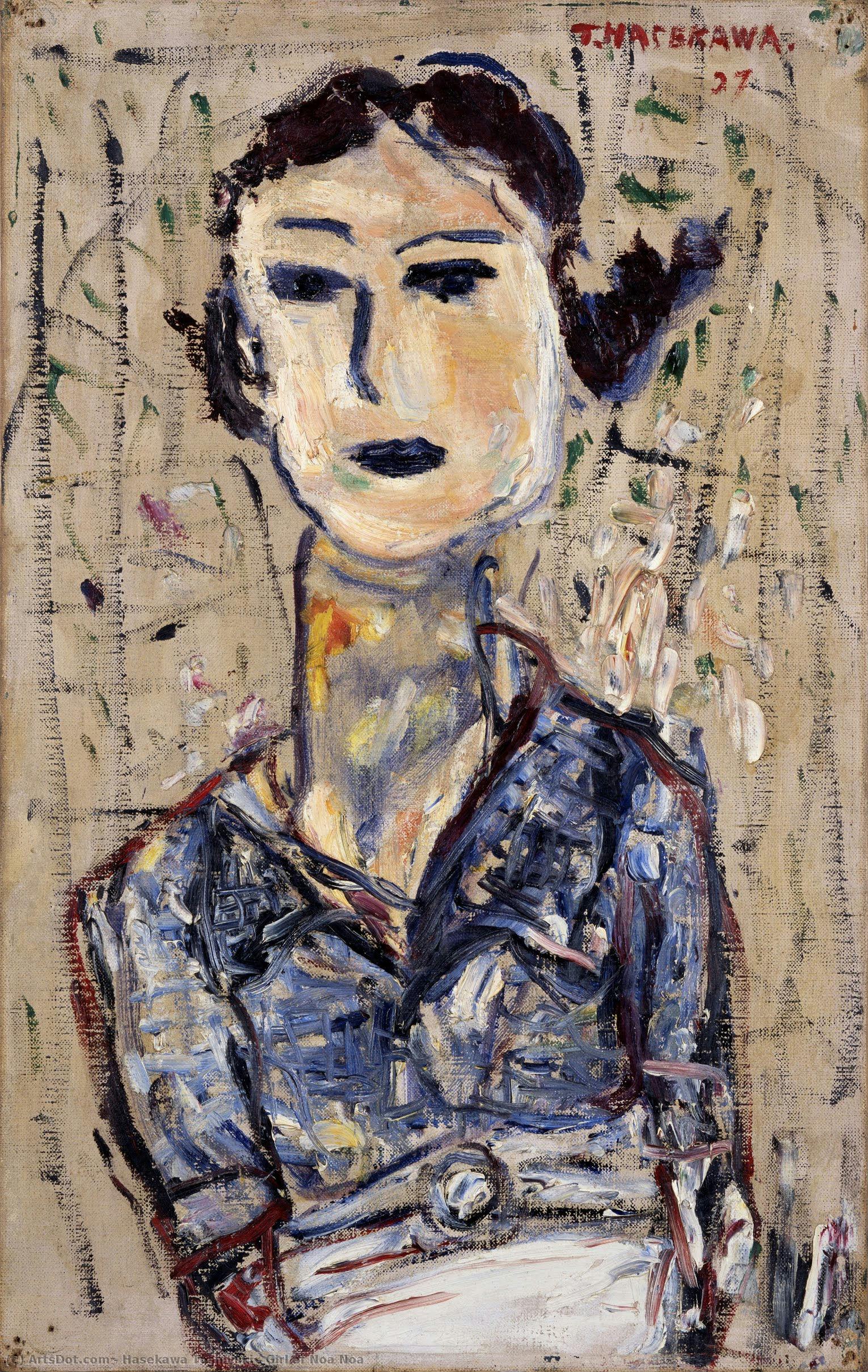
Girl of Noa Noa
 Oil On Canvas
- WallArt
- Yōga
 1937
1937- Modern
 32.0 x 52.0 cm
 Aichi Prefectural Museum of Art
 Читать далее
Приобретите цифровое изображение высокого разрешения в улучшенном качестве, которое значительно превосходит онлайн-превью.
Каждый файл тщательно подготавливается нашими специалистами с использованием передовых инструментов и экспертной ручной ретуши. Мы гарантируем исключительную четкость, точную цветопередачу и детальную проработку каждого изображения.
Финальный файл доставляется по электронной почте в течение 72 часов и оптимизирован для немедленного использования в профессиональной среде, при верстке и печати. Это тот же уровень качества, которому доверяют ведущие дизайнерские студии, издательства и галереи.
Цифровое изображение
Скачайте файл высокого разрешения для личного использования, печати и творческих проектов. ( Перейти к печати Купить картину ручной работы)
Включено в каждый заказ цифровых изображений
Гарантия экспертной цифровой доставки
Выбирая ArtsDot.com, вы получаете не просто изображение — вы приобретаете профессионально обработанное цифровое произведение искусства, созданное с безупречной точностью и под защитой гарантии качества. Вот всё, что автоматически входит в ваш заказ:

Мгновенная доставка по e-mail
Ваш цифровой файл в высоком разрешении будет отправлен вам по электронной почте в течение 72 часов после оформления заказа — и сразу станет доступен для использования.

Цифровой файл с ИИ-улучшением
Ваше произведение искусства проходит профессиональную оптимизацию с использованием передовых инструментов ИИ и ручной обработки, что гарантирует максимальную детализацию, четкость и точность цветопередачи.

Бессрочная бесплатная повторная доставка
Случайно удалили или потеряли файл? Не беспокойтесь — мы отправим его вам повторно в любое время и совершенно бесплатно.

Без импортных пошлин — навсегда
Наслаждайтесь вашим произведением искусства мгновенно без таможенных пошлин, сборов или затрат на доставку — цифровые загрузки всегда не облагаются налогом.

Гарантия точности цветопередачи
Мы гарантируем, что ваше цифровое изображение максимально точно передает оригинальные цвета благодаря использованию профессиональных инструментов и систем управления цветом.

Гарантия удовлетворенности 100 дней
Если вы не будете удовлетворены своим цифровым изображением, мы внесем правки или вернем 100% стоимости в течение 100 дней — без лишних вопросов.

100% Гарантия возврата средств
Не удовлетворены покупкой? Получите полный возврат средств в течение 100 дней после получения цифрового файла — без лишних вопросов.

Скидки на оптовые заказы
Купите 3 изображения, сэкономьте 10% — Купите 5, сэкономьте 15% — Купите 10+, сэкономьте 20%. Отличное решение для творческих проектов, галерей и агентств.
A Moment Frozen in Time: The Soul of Noa Noa
In the quiet intimacy of Hasekawa Toshiyuki’s Girl of Noa Noa, we encounter a profound stillness that transcends the boundaries of time and geography. Painted in 1937, this evocative portrait captures a young woman lost in a moment of deep introspection. Her gaze, directed away from the viewer toward an unseen horizon, invites us to share in her pensive solitude. Clad in a simple yet striking blue shirt, she becomes a vessel for emotion, her dark hair framing a face that speaks of both vulnerability and strength. The composition, which spans almost the entire canvas, creates an immersive experience, pulling the observer into her private world where the rustle of distant trees is the only sound.
The setting, hinted at by the soft greenery in the upper corner, suggests a natural sanctuary, perhaps a garden or a woodland edge, providing a serene backdrop to the subject's internal monologue. This interplay between the human figure and the organic environment creates a sense of harmony, suggesting that her inner peace is inextricably linked to the world around her. For collectors and lovers of fine art, this piece offers more than just a visual encounter; it provides a window into the quietude of the human spirit, making it an ideal centerpiece for spaces designed for reflection and tranquility.
Mastery of Yōga: Technique and Texture
As a practitioner of Yōga—the Japanese movement of Western-style oil painting—Hasekawa Toshiyuki demonstrates a masterful command over the medium. The use of oil on canvas allows for a rich, layered application of pigment that lends a palpable depth to the subject's skin tones and the heavy folds of her blue garment. Each brushstroke serves a purpose, building textures that range from the smooth, luminous surface of the woman’s forehead to the more impressionistic, dappled light filtering through the distant foliage.
The artist’s ability to manipulate light and shadow is particularly noteworthy in this work. The way the light catches the contours of her face adds a three-dimensional quality that breathes life into the portrait, making the subject feel present and breathing. This technical proficiency, combined with a sophisticated color palette, ensures that the painting retains its emotional weight even when viewed from a distance. For interior designers, the substantial presence of this work—with its deep blues and earthy tones—offers a versatile anchor for sophisticated decor, bringing a sense of historical prestige and artistic substance to any room.
A Legacy of Modernism and Emotion
To understand Girl of Noa Noa is to understand the broader context of Tokyo’s modernizing landscape during the early 20th century. Hasekawa Toshiyuki was a pioneer who navigated the delicate balance between traditional Japanese sensibilities and the burgeoning influence of European modernism. While his era was marked by rapid industrialization, this painting stands as a testament to the enduring importance of the individual's inner life. There is no grand narrative here, only the profound significance of a single, quiet moment.
The emotional impact of the piece lies in its universality. We all recognize that feeling of being lost in thought, of momentarily retreating from the noise of the world to find clarity within ourselves. By choosing to reproduce this masterpiece, one is not merely acquiring a beautiful object, but rather preserving a fragment of 20th-century Japanese modernism. It is an investment in atmosphere, a way to infuse a contemporary home with the timeless elegance and soulful depth that only a hand-painted work of such historical significance can provide.
Похожие произведения
Биография художника
A Quiet Pioneer of Tokyo Modernism
The story of hasekawa toshiyuki is one of profound artistic dedication set against the backdrop of a rapidly transforming Japan. Born in Kyoto in 1891, his early years were marked by an innate connection to the creative spirit, though he would later become inextricably linked with the urban pulse of Tokyo. As a painter who navigated the delicate intersection of tradition and modernity, hasekawa’s life was characterized by a relentless pursuit of an expressive language that could capture the shifting soul of his era. While some historical accounts suggest a more turbulent personal journey—marked by his self-taught mastery and a life that ended in tragic solitude—his contribution to the Japanese avant-garde remains an indelible part of the nation's artistic heritage.
His artistic evolution was deeply rooted in the yōga tradition, a movement centered on Western-style oil painting that sought to integrate European techniques with Japanese sensibilities. Unlike many of his contemporaries who adhered strictly to established academic norms, hasekawa embraced an expressionist fervor. He drew significant inspiration from the raw, emotive power of artists like Maurice de Vlaminck, adopting a style defined by vigorous brushstrokes and a bold, unapologetic use of color. This departure from the more subdued, delicate aesthetics of traditional Nihonga allowed him to convey not just the physical reality of his subjects, but their underlying emotional resonance and the palpable atmosphere of a world in flux.
The Pulse of the City and the Soul of the Canvas
Hasekawa’s work serves as a visual chronicle of Tokyo’s industrial expansion and the changing rhythms of everyday life. He possessed a unique ability to distill the complexity of the burgeoning cityscape into compositions that felt both immediate and timeless. His paintings often focused on the intersection of human presence and urban development, capturing moments of quietude amidst the encroaching machinery of progress. Through his lens, the streets of Shinjuku or the bustling corners of a modernizing metropolis were transformed into stages for profound psychological exploration.
The technical brilliance of his oeuvre lies in its balance of movement and stillness. One can observe his mastery through:
- Dynamic Color Palettes: A deliberate use of vibrant, often clashing hues to evoke the energy of urban life and the intensity of human emotion.
- Expressive Gestures: Brushwork that prioritizes the feeling of a moment over meticulous, photographic detail, lending his landscapes a sense of breathing vitality.
- Atmospheric Depth: An ability to manipulate light and shadow to create a sense of space that feels both intimate and expansive.
One of his most enduring legacies is found in works such as View of Shinjuku, where the artist captures the essence of a specific time and place with remarkable clarity. His talent was recognized by his peers through accolades like the Chōgyū Award, yet he remained a somewhat outsider figure, often operating on the fringes of the established art circles. This sense of being an individualist—a painter who followed his own internal compass rather than the dictates of fashion—is what gives his work such enduring power.
A Lasting Impression on Japanese Modernism
Though hasekawa toshiyuki passed away in 1940, his influence continues to ripple through the history of Japanese modern art. He was a bridge between the classical past and the experimental future, proving that Western oil techniques could be repurposed to express a uniquely Japanese experience of modernity. His work does not merely document history; it interprets the emotional weight of change, making him a vital figure for anyone seeking to understand the artistic heartbeat of early 20th-century Japan.
Today, his paintings stand as much more than relics of a bygone era. They are vibrant, living testimonies to a man who looked at a changing world and chose to meet it with color, courage, and an unyielding commitment to the truth of the human spirit. Through his mastery of expressionism and his profound connection to the urban landscape, hasekawa remains a quiet yet powerful pioneer whose vision continues to inspire awe and contemplation.
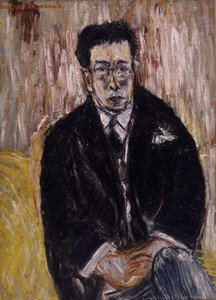
hasekawa toshiyuki
1909 - 1984 , Japan
Основные сведения
- Artistic Movement Or Style: Western-style painting (Yōga), Nihonga & Bunjinga
- Artists Or Movements Influenced By This Artist: ['Nihonga Art Movement']
- Artists Who Influenced This Artist: ['Seiji Togo']
- Date Of Birth: 1909
- Date Of Death: 1984
- Full Name: hasekawa toshiyuki
- Nationality: Japanese
- Notable Artworks:
- Girl of Noa Noa
- Girl
- Place Of Birth: Tokyo, Japan