

 Предпросмотр
 Поделиться
 Поделиться
 Детали произведения

 Скачать
 Похожие работы
 Рентгенография
 Слайд-шоу
 Статистика
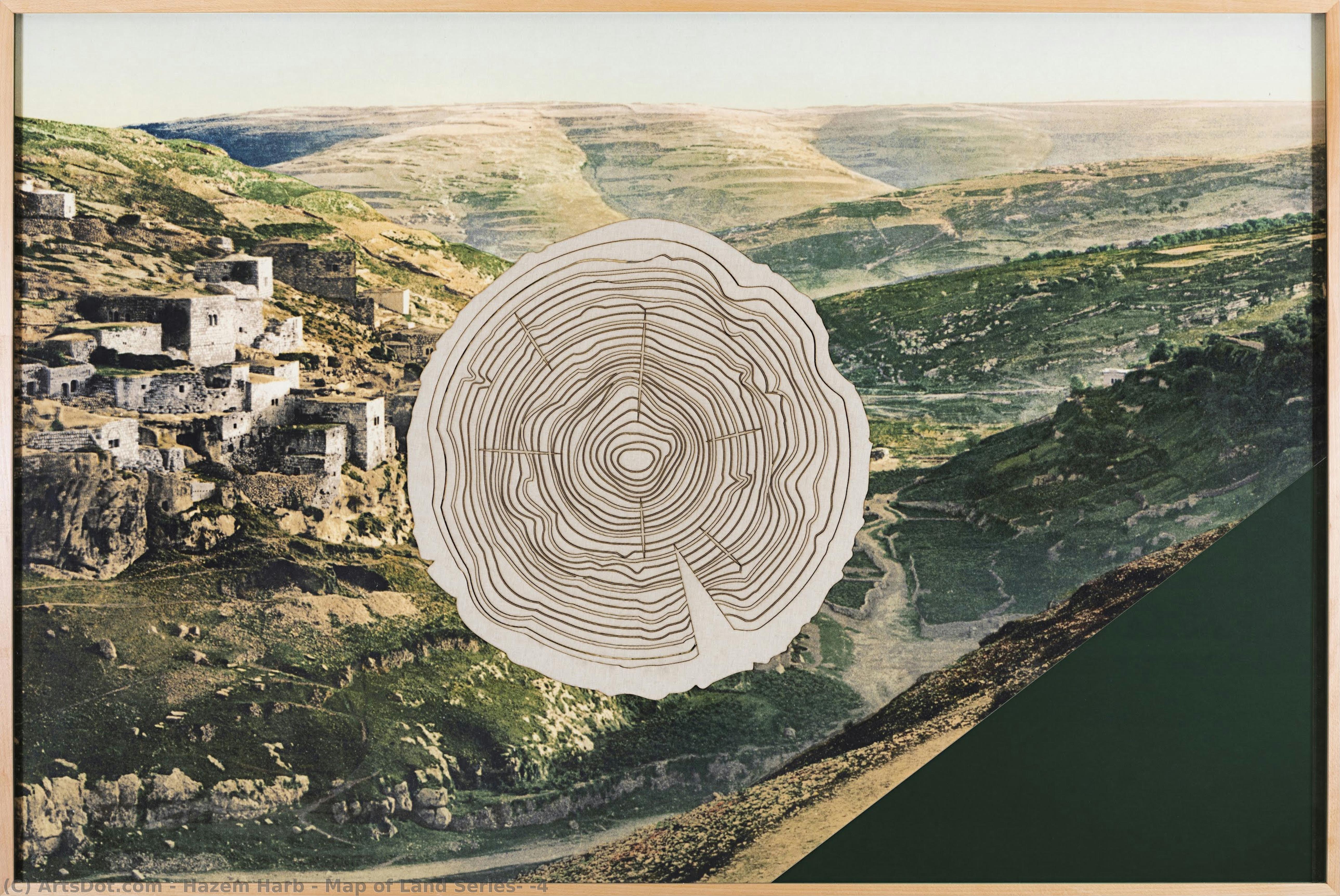
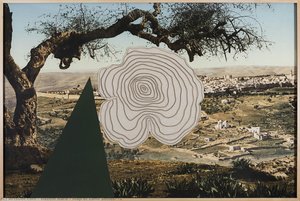
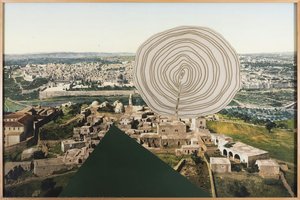
Map of Land Series, #4
 Mixed Media
- WallArt
- Contemporary Art
 2019
2019- Contemporary
 200.0 x 120.0 cm
 Contemporary Art Platform
 Читать далее
Жикле / Арт-принт
Печать (жикле) или холст музейного качества с быстрыми сроками изготовления и широким выбором вариантов отделки. ( Купить картину ручной работы Перейти к цифровым изображениям)




































Выберите один из наших стандартных размеров, соответствующих оригинальным пропорциям произведения искусства.

Вы можете указать свои собственные размеры, чтобы репродукция идеально подошла под конкретную раму или пространство. Если выбранный вами размер не будет соответствовать пропорциям оригинала, мы либо обрежем произведение, либо дополним изображение зеркальным отражением краев или однотонной заливкой. Перед началом производства вам будет отправлен цифровой макет для утверждения.
Пожалуйста, обратите внимание, что предварительный просмотр на экране не отображает фактическую обрезку или расширение изображения. Только макет точно покажет финальную композицию.
Несмотря на возможность заказа индивидуальных размеров, мы рекомендуем выбирать размер из предопределенного списка, чтобы сохранить оригинальные пропорции.
Доставка по всему миру () за 2 недели вместо стандартных 4/5 недель. (12 Сентябрь)

Бесплатная экспресс-доставка по всему миру

Высококачественный льняной холст

Полное страхование доставки

Гарантия возмещения таможенных пошлин

Гарантия точного соответствия цветов

100-дневная политика возврата (только при обнаружении дефектов)

Гарантия возврата 100% средств

Предложение оптовых скидок
 Вариант со стеклом доступен только для размеров менее 110 см

Map of Land Series, #4
Жикле / Арт-принт
Размер репродукции
-


Итоговая стоимость
$ 62
A Cartography of Memory and Identity
In the profound and evocative work Map of Land Series, #4, Palestinian artist Hazem Harb invites the viewer into a contemplative space where geography meets genealogy. This piece is not merely a depiction of a landscape, but a complex layering of history, memory, and the persistent struggle for cultural recognition. At first glance, the eye is drawn to the sweeping mountainous terrain and the presence of a village nestled at the base of these peaks, yet the composition is anchored by a striking, central circular motif. This circle, reminiscent of both an ancient map and the concentric rings of a weathered tree trunk, serves as a portal through which we view the intersection of the past and the present. The painting possesses a distinct vintage patina, an aesthetic choice that suggests the work is an artifact recovered from the depths of time, breathing life into a narrative that refuses to be forgotten.
The technique employed by Harb is one of meticulous reconstruction. Utilizing a sophisticated approach to collage and mixed media, he embeds archival fragments and historical echoes within his contemporary compositions. This method allows him to construct a discourse that feels both unearthed and newly minted. By integrating elements that suggest old photographs and rare historical objects, Harb creates a visual texture that is rich with the weight of existence. The artist works in an underlying register where the physical layers of the painting mirror the layers of history itself; just as he cuts and inserts pieces of the past into his work, he seeks to reestablish the cultural and physical presence of his people within the modern consciousness.
Symbolism and the Architecture of Belonging
Beyond its visual splendor, Map of Land Series, #4 functions as a powerful symbolic tool. The mountains represent more than just geological formations; they are the enduring sentinels of a homeland, providing a sense of permanence amidst political and social flux. The village at their feet represents the human element—the lived experience, the community, and the ancestral roots that cling to the earth. The central circular element acts as a lens of focus, a cartographic device that attempts to map not just physical territory, but the emotional landscape of a nation. It is through this symbolic geometry that Harb explores the tension between Eastern and Western perspectives, using architecture and cartography to challenge established historical narratives.
For the discerning collector or interior designer, this artwork offers a profound emotional resonance. It is a piece that commands attention through its depth and intellectual rigor, making it an ideal centerpiece for spaces dedicated to thought, culture, and heritage. The muted, aged tones of the palette lend themselves beautifully to sophisticated, contemporary interiors, providing a sense of historical gravity and quiet strength. To possess a reproduction of this work is to hold a fragment of a larger story—a piece of art that does not just decorate a wall, but enriches the very atmosphere of a room with its haunting beauty and its call to remember.
Похожие произведения
Биография художника
Hazem Harb: Mapping Memory and Challenging Narratives
Palestinian artist Hazem Harb (born Ramallah, 1980) stands at the forefront of contemporary art emerging from the Middle East, forging a distinctive path through mixed media explorations that grapple with complex dialogues between Eastern and Western perspectives. Harb’s artistic journey began amidst the backdrop of political upheaval and cultural transformation, shaping his vision for confronting established narratives about the region with innovative visual language.- Early Life & Artistic Formation: Harb’s formative years were marked by a deep engagement with Palestinian heritage and identity. He honed his artistic skills through intensive study at Birzeit University, where he earned a Bachelor's degree in Fine Arts. This academic grounding provided him with foundational knowledge of art history and critical theory—influences that would permeate his subsequent work.
A Distinctive Artistic Style: Collage and Beyond
Harb’s artistic style is characterized by a masterful blend of collage, painting, and sculptural elements. He employs layered textures and contrasting colors to create artworks that transcend simple representation, inviting viewers into immersive experiences. His signature technique involves meticulously assembling photographic prints alongside geometric shapes and abstracted forms—a deliberate strategy designed to disrupt conventional visual conventions.- Key Themes & Conceptual Framework: Central to Harb’s oeuvre are explorations of identity, memory, and the impact of geopolitical forces on cultural landscapes. He confronts historical trauma through symbolic imagery—particularly evident in pieces like “Prisoner/ From War Hysteria series,” which utilizes unsettling juxtapositions to provoke reflection on societal anxieties.
- Notable Works: "Map of Land Series, #1": This monumental collage combines archival photographs with surrealist abstraction, encapsulating the multifaceted history of Palestine—from Ottoman rule to the Israeli-Palestinian conflict. The artwork’s ambitious scale underscores Harb’s commitment to conveying profound narratives. "Roman Antiquities, t. 1, plate xxxviii": Harb skillfully merges classical iconography with contemporary concerns, demonstrating his ability to engage in dialogue across temporal boundaries.
Influences & Artistic Legacy
Harb’s artistic sensibilities are rooted in a rich tradition of Palestinian art and informed by the broader canon of Western modernism. He cites Leonardo da Vinci and Ambrosius Holbein as pivotal figures—artists whose mastery of technique and conceptual innovation served as inspiration for his own explorations.- Recognition & Exhibitions: Harb’s work has garnered international acclaim, appearing in prestigious galleries and museums such as the Tel Aviv Museum of Art and the Museum of Modern Art in New York. His inclusion in collections like the Barjeel Art Foundation signifies his contribution to shaping the global art landscape.
Historical Significance & Contemporary Relevance
Hazem Harb’s artistic endeavors represent more than just aesthetic innovation; they embody a courageous assertion of Palestinian voice within the context of global cultural discourse. By challenging dominant narratives and employing unconventional visual languages, Harb compels viewers to reconsider perspectives on history—particularly concerning the complexities of intercultural relations. His ongoing commitment to artistic experimentation ensures that his legacy continues to resonate with audiences worldwide.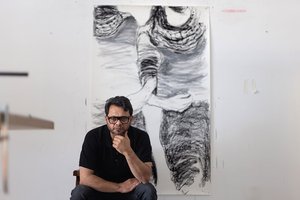
Hazem Harb
1980 - , Palestine
Основные сведения
- Artistic Movement Or Style: Mixed Media Art
- Artists Who Influenced This Artist:
- Leonardo da Vinci
- Ambrosius Holbein
- Date Of Birth: 1980
- Full Name: Hazem Harb
- Nationality: Palestinian
- Notable Artworks:
- Map of Land Series, #1
- Prisoner/ From War Hysteria series
- Roman Antiquities, t. 1, plate xxxviii
- Place Of Birth: Ramallah, Palestine
Похожие статьи
Echoes of Arcadia: Nostalgia & Transformation in Vintage Landscape Art
Explore the evocative world of vintage landscape art! Discover the history, artists & emotional power behind masterpieces from the Hudson River School & beyond. Expert insights for collectors & enthusiasts.

Романтический пейзаж: 10 шедевров, изменивших искусство | ArtsDot.com
Погрузитесь в мир романтического пейзажа! 10 шедевров Фридриха, Тёрнера и других гениев. Узнайте историю создания культовых картин и вдохновитесь для декора интерьера. Репродукции высокого качества на ArtsDot.com.

Джон Констебль: 25 шедевров английского пейзажа для вашего интерьера
Погрузитесь в мир английского пейзажа с Джоном Констеблом! 25 шедевров романтизма, история создания картин и вдохновение для вашего интерьера. Репродукции высокого качества на ArtsDot.com – искусство для ценителей.

Evocations of Place: A Historical Journey Through Landscape Art
Explore the rich history of landscape art with ArtsDot. Discover renowned artists, movements like Impressionism & Romanticism, and expert guidance for collecting timeless pieces. Find your perfect serene escape today!

Топ-25 шедевров Кацусики Хокусая: Искусство Японии для вашего интерьера
Погрузитесь в мир гения Кацусики Хокусая! 25 легендарных гравюр укиё-э, включая "Великую волну". История искусства Японии и вдохновение для вашего интерьера. Репродукции высокого качества на ArtsDot.com.