

 Предпросмотр
 Поделиться
 Поделиться
 Детали произведения

 Скачать
 Похожие работы
 Рентгенография
 Слайд-шоу
 Статистика
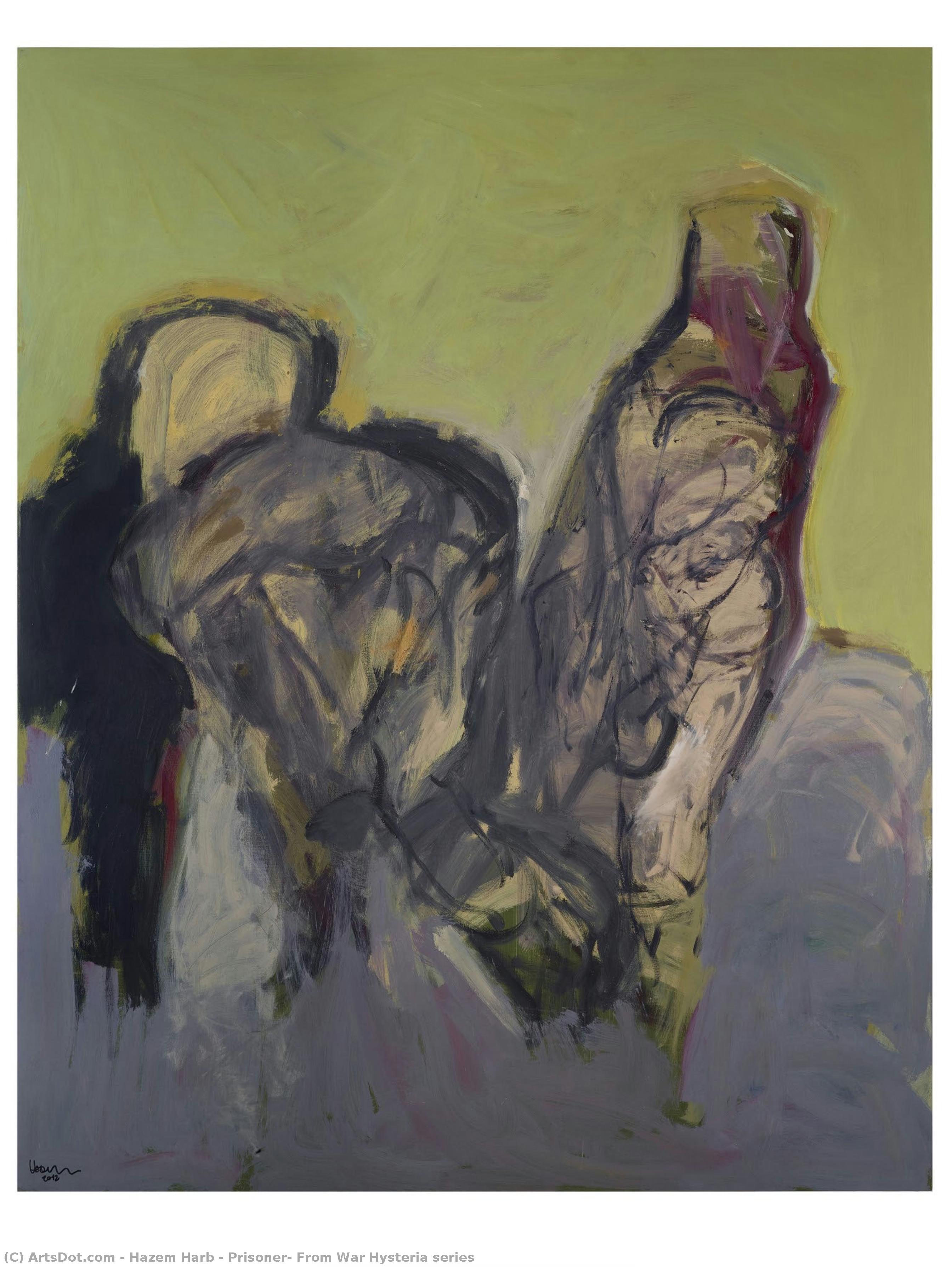
Prisoner/ From War Hysteria series
 Mixed Media
- WallArt
- Contemporary Art
 2012
2012- Contemporary
 251.0 x 200.0 cm
 Contemporary Art Platform
 Читать далее
Жикле / Арт-принт
Печать (жикле) или холст музейного качества с быстрыми сроками изготовления и широким выбором вариантов отделки. ( Купить картину ручной работы Перейти к цифровым изображениям)




































Выберите один из наших стандартных размеров, соответствующих оригинальным пропорциям произведения искусства.

Вы можете указать свои собственные размеры, чтобы репродукция идеально подошла под конкретную раму или пространство. Если выбранный вами размер не будет соответствовать пропорциям оригинала, мы либо обрежем произведение, либо дополним изображение зеркальным отражением краев или однотонной заливкой. Перед началом производства вам будет отправлен цифровой макет для утверждения.
Пожалуйста, обратите внимание, что предварительный просмотр на экране не отображает фактическую обрезку или расширение изображения. Только макет точно покажет финальную композицию.
Несмотря на возможность заказа индивидуальных размеров, мы рекомендуем выбирать размер из предопределенного списка, чтобы сохранить оригинальные пропорции.
Доставка по всему миру () за 2 недели вместо стандартных 4/5 недель. (11 Сентябрь)

Бесплатная экспресс-доставка по всему миру

Высококачественный льняной холст

Полное страхование доставки

Гарантия возмещения таможенных пошлин

Гарантия точного соответствия цветов

100-дневная политика возврата (только при обнаружении дефектов)

Гарантия возврата 100% средств

Предложение оптовых скидок
 Вариант со стеклом доступен только для размеров менее 110 см

Prisoner/ From War Hysteria series
Жикле / Арт-принт
Размер репродукции
-


Итоговая стоимость
$ 62
The Visceral Echo of Conflict
In the profound and haunting masterpiece "Prisoner," part of the evocative War Hysteria series, Palestinian artist Hazem Harb invites viewers into a psychological landscape where the boundaries between external reality and internal trauma dissolve. Created in 2012, this monumental work serves as a raw, unfiltered window into the soul of an individual shaped by the tumultuous history of the Gaza Strip. The painting is not merely a depiction of figures; it is a profound exploration of what Harb terms "hysteria"—a state where the overwhelming pressures of political upheaval and personal loss catalyze a spiritual vision or a blind, unbridled emotion. Through his unique lens, the canvas becomes a site of both documentation and catharsis, capturing the heavy, suffocating atmosphere of a life lived under the shadow of perpetual conflict.
The visual language of the piece is strikingly bold, utilizing a high-contrast palette to command the viewer's immediate attention. Against a luminous, expansive yellow background that suggests an almost surreal or dreamlike space, two figures emerge in vibrant, crimson attire. This choice of color is deeply symbolic; the red of their clothing pulses with the lifeblood of human struggle, standing in stark opposition to the bright, perhaps even blinding, yellow void behind them. The composition employs an abstract approach to the human form, where one figure appears more prominent than the other, creating a sense of imbalance and tension that mirrors the instability of the artist's lived experience. This interplay of light and saturated color creates a depth that is both physically striking and emotionally unsettling.
A Symphony of Symbolism and Technique
Harb’s technique in "Prisoner" transcends traditional representation, leaning into an abstract aesthetic that prioritizes emotional resonance over anatomical precision. The figures are rendered with a sense of weight and presence, yet they remain enigmatic, allowing them to function as universal symbols of the human condition under duress. The way the red shapes interact with the yellow expanse creates a rhythmic tension, drawing the eye across the 251 x 200 cm canvas in a way that feels both urgent and contemplative. For the discerning collector or interior designer, this piece offers a commanding presence; its large scale and intense colorway make it an ideal focal point for spaces that demand a conversation-starting, intellectually stimulating centerpiece.
Beyond the surface aesthetics, the work is deeply rooted in the complex dialogues of Middle Eastern identity. As an artist who masterfully navigates the intersection of architecture, cartography, and personal memory, Harb uses this painting to map the invisible scars of war. The "hysteria" mentioned in the series title acts as a transformative force, turning the helplessness felt toward the situation in Gaza into a powerful visual manifestation of resilience and spiritual searching. To possess a reproduction of such a work is to hold a fragment of a vital contemporary narrative—a piece that does not just decorate a room, but breathes life, history, and a profound sense of empathy into its surroundings.
Похожие произведения
Биография художника
Hazem Harb: Mapping Memory and Challenging Narratives
Palestinian artist Hazem Harb (born Ramallah, 1980) stands at the forefront of contemporary art emerging from the Middle East, forging a distinctive path through mixed media explorations that grapple with complex dialogues between Eastern and Western perspectives. Harb’s artistic journey began amidst the backdrop of political upheaval and cultural transformation, shaping his vision for confronting established narratives about the region with innovative visual language.- Early Life & Artistic Formation: Harb’s formative years were marked by a deep engagement with Palestinian heritage and identity. He honed his artistic skills through intensive study at Birzeit University, where he earned a Bachelor's degree in Fine Arts. This academic grounding provided him with foundational knowledge of art history and critical theory—influences that would permeate his subsequent work.
A Distinctive Artistic Style: Collage and Beyond
Harb’s artistic style is characterized by a masterful blend of collage, painting, and sculptural elements. He employs layered textures and contrasting colors to create artworks that transcend simple representation, inviting viewers into immersive experiences. His signature technique involves meticulously assembling photographic prints alongside geometric shapes and abstracted forms—a deliberate strategy designed to disrupt conventional visual conventions.- Key Themes & Conceptual Framework: Central to Harb’s oeuvre are explorations of identity, memory, and the impact of geopolitical forces on cultural landscapes. He confronts historical trauma through symbolic imagery—particularly evident in pieces like “Prisoner/ From War Hysteria series,” which utilizes unsettling juxtapositions to provoke reflection on societal anxieties.
- Notable Works: "Map of Land Series, #1": This monumental collage combines archival photographs with surrealist abstraction, encapsulating the multifaceted history of Palestine—from Ottoman rule to the Israeli-Palestinian conflict. The artwork’s ambitious scale underscores Harb’s commitment to conveying profound narratives. "Roman Antiquities, t. 1, plate xxxviii": Harb skillfully merges classical iconography with contemporary concerns, demonstrating his ability to engage in dialogue across temporal boundaries.
Influences & Artistic Legacy
Harb’s artistic sensibilities are rooted in a rich tradition of Palestinian art and informed by the broader canon of Western modernism. He cites Leonardo da Vinci and Ambrosius Holbein as pivotal figures—artists whose mastery of technique and conceptual innovation served as inspiration for his own explorations.- Recognition & Exhibitions: Harb’s work has garnered international acclaim, appearing in prestigious galleries and museums such as the Tel Aviv Museum of Art and the Museum of Modern Art in New York. His inclusion in collections like the Barjeel Art Foundation signifies his contribution to shaping the global art landscape.
Historical Significance & Contemporary Relevance
Hazem Harb’s artistic endeavors represent more than just aesthetic innovation; they embody a courageous assertion of Palestinian voice within the context of global cultural discourse. By challenging dominant narratives and employing unconventional visual languages, Harb compels viewers to reconsider perspectives on history—particularly concerning the complexities of intercultural relations. His ongoing commitment to artistic experimentation ensures that his legacy continues to resonate with audiences worldwide.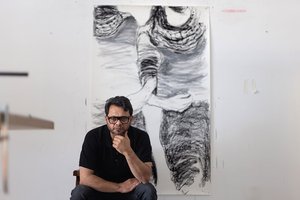
Hazem Harb
1980 - , Palestine
Основные сведения
- Artistic Movement Or Style: Mixed Media Art
- Artists Who Influenced This Artist:
- Leonardo da Vinci
- Ambrosius Holbein
- Date Of Birth: 1980
- Full Name: Hazem Harb
- Nationality: Palestinian
- Notable Artworks:
- Map of Land Series, #1
- Prisoner/ From War Hysteria series
- Roman Antiquities, t. 1, plate xxxviii
- Place Of Birth: Ramallah, Palestine
Похожие статьи

Crimson Threads of Narrative: Exploring Symbolism & Representation in Artworks Featuring the Red Dress
Explore the rich symbolism of the red dress in art history! From ancient power displays to iconic portraits like Cézanne’s 'Madame Cezanne', discover the cultural and artistic significance behind this captivating color. Expert analysis & insights.
Марк Ротко: 25 шедевров абстрактного экспрессионизма для вашего интерьера | ArtsDot
Погрузитесь в мир Марка Ротко! 25 шедевров абстрактного экспрессионизма, полных эмоций и цвета. Узнайте историю создания культовых картин и найдите идеальную репродукцию для вашего интерьера на ArtsDot.com.

Геометрическая абстракция: 10 шедевров, изменивших искусство | ArtsDot.com
Погрузитесь в мир геометрической абстракции! От Кандинского до Малевича – 10 шедевров, изменивших искусство. Узнайте историю создания и значение культовых картин. Репродукции музейного качества на ArtsDot.com. Вдохновение для вашего интерьера!
Топ-10 шедевров абстрактного экспрессионизма: искусство для вашего интерьера от ArtsDot.com
Погрузитесь в мир абстрактного экспрессионизма! Откройте для себя 10 шедевров Поллока, Ротко и других гениев. История искусства, техники живописи и вдохновение для вашего интерьера от ArtsDot.com. Explore the full collection online!
Топ-25 шедевров Василия Кандинского: Абстрактное искусство для вашего интерьера
Погрузитесь в мир абстрактного искусства с Василием Кандинским! 25 шедевров экспрессионизма, баухауса и русского авангарда. Репродукции картин Кандинского для вдохновения и декора вашего интерьера. Откройте всю коллекцию на ArtsDot.com