

 Предпросмотр
 Поделиться
 Поделиться
 Детали произведения

 Скачать
 Похожие работы
 Рентгенография
 Слайд-шоу
 Статистика
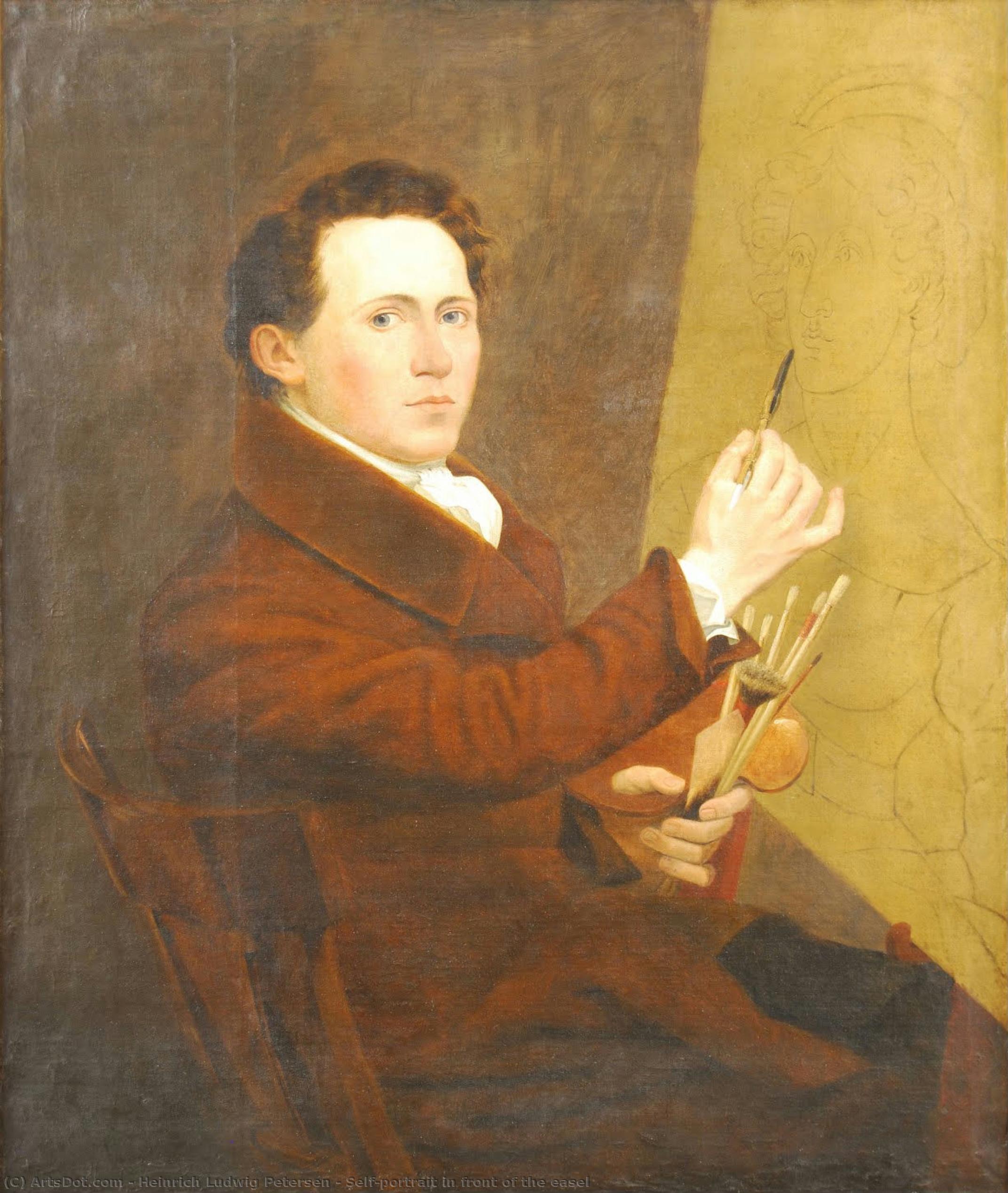
Self-portrait in front of the easel


 Читать далее
Масляная репродукция ручной работы
Картина маслом на холсте в выбранном вами размере и раме, написанная на заказ нашими художниками. ( Перейти к печати Перейти к цифровым изображениям)




































Выберите один из наших стандартных размеров, соответствующих оригинальным пропорциям произведения искусства.

Вы можете указать собственные размеры, чтобы картина идеально вписалась в выбранную раму или пространство. Если выбранный вами размер не соответствует пропорциям оригинала, мы либо обрежем полотно, либо расширим его за счет дополнительных элементов, написанных вручную. Цифровой макет будет отправлен вам на утверждение перед началом производства.
Обратите внимание, что предварительный просмотр на экране не отражает фактическую обрезку или расширение. Только макет точно покажет окончательную композицию.
Хотя доступны индивидуальные размеры, мы рекомендуем выбирать вариант из предопределенного списка, чтобы сохранить исходные пропорции.
После оформления заказа команда ArtsDot.com свяжется с клиентом по электронной почте для уточнения деталей и предоставит предварительный макет
Доставка по всему миру () за 3–4 недели вместо стандартных 5 недель. (13 Сентябрь). Без компромиссов в качестве.

Бесплатная экспресс-доставка по всему миру

Высококачественный льняной холст

Полное страхование доставки

Гарантия возмещения таможенных пошлин

Гарантия точного соответствия цветов

100-дневная политика возврата (только при обнаружении дефектов)

Гарантия возврата 100% средств

Предложение оптовых скидок
 Вариант со стеклом доступен только для размеров менее 110 см

Self-portrait in front of the easel
Техника репродукции
Размер репродукции
-


Итоговая стоимость
$ 263
A Moment Frozen in Contemplation
In the quiet intimacy of Self-portrait in front of the easel, we are invited into the private sanctuary of Heinrich Ludwig Petersen’s creative mind. Painted in 1840, this evocative work transcends a mere record of a face; it is a profound meditation on the act of creation itself. The scene captures the artist caught in a moment of deep introspection, seated before his easel with the tools of his trade held delicately in hand. A pencil and a book—symbols of both spontaneous sketching and studied knowledge—rest within his grasp, suggesting that for Petersen, art was as much an intellectual pursuit as it is a visual one. The presence of the two chairs and the solitary cup nearby lends a domestic, lived-in atmosphere to the studio, making the viewer feel like a silent witness to a sacred ritual of thought.
The composition is masterfully balanced, utilizing the elements of the studio to frame the artist’s psychological state. The man, clad in a heavy brown coat that anchors him to the earthy tones of the room, possesses a gaze that seems to look through the canvas and into the very essence of his subject. There is a palpable sense of stillness, yet beneath the surface, one can sense the restless energy of an artist grappling with light, shadow, and form. The arrangement of objects—the subtle placement of the cup and the structural presence of the chairs—creates a rhythmic depth that guides the eye toward the central figure, ensuring that the emotional weight of his expression remains the focal point of the narrative.
Mastery of Light and German Romanticism
Technically, this self-portrait serves as a testament to Petersen’s rigorous training at the Kunstakademie in Dresden. The brushwork, while precise enough to capture the texture of his coat and the fine details of his mustache, possesses a warmth characteristic of the mid-19th-century German tradition. He employs a sophisticated interplay of light and shadow to sculpt the features of his face, imbuing the portrait with a three-dimensional vitality. This mastery of chiaroscuro does more than just define shape; it creates an atmosphere of mystery and gravity, echoing the Romantic era's fascination with the inner life and the sublime power of the human spirit.
For the discerning collector or interior designer, this piece offers a timeless elegance that complements both classical and contemporary spaces. The muted, sophisticated palette of browns, creams, and deep shadows allows it to integrate seamlessly into a curated gallery wall or serve as a soulful centerpiece in a study or library. Owning a reproduction of such a work is not merely about decorating a room; it is about bringing a piece of art history into the home—a window into the disciplined, thoughtful world of a master who found beauty in the quiet intersections of light and life.
Похожие произведения

Биография художника
Heinrich Ludwig Petersen: A Life Dedicated to Light and Water
Heinrich Ludwig Petersen (1806-1874) emerged from the artistic heart of Altona, Germany, a city steeped in maritime tradition and burgeoning industrial growth. His early life was inextricably linked to art; born into a family already engaged in creative pursuits, he received an education that nurtured his innate talent for observation and representation. Petersen’s formative years were spent studying at the Kunstakademie in Dresden, a pivotal period where he immersed himself in the diverse techniques and styles of the era – from Neoclassicism to Romanticism – absorbing the lessons of masters while simultaneously forging his own distinctive approach. This exposure proved invaluable, providing him with a robust foundation upon which to build his artistic career, one deeply rooted in the beauty of light and water.Early Career and Artistic Development
Petersen’s professional journey began in Nuremberg, where he secured a position as a conservator for the city's esteemed art collections. This role provided him with invaluable experience not only in appreciating artistic merit but also in understanding the intricacies of preservation – a skill that would later inform his meticulous approach to restoration and conservation. However, it was during this period, and subsequently, that Petersen truly established himself as a painter, primarily focusing on maritime subjects. His early works demonstrate a clear fascination with the interplay of light upon water, capturing fleeting moments of reflection and movement with remarkable sensitivity. The influence of German Romanticism is evident in his use of atmospheric perspective and dramatic lighting, creating scenes imbued with both beauty and melancholy. Notably, Petersen’s self-portrait, “Self-Portrait in Front of the Easel” (1840), offers a rare glimpse into the artist's process and personality – a testament to his dedication and artistic introspection.A Master of Oil on Canvas: Subjects and Techniques
Petersen’s oeuvre is characterized by its versatility and technical mastery, encompassing portraiture, landscapes, and, most prominently, marine scenes. He was particularly renowned for his depictions of sailing vessels – merchant ships, warships, and smaller craft – rendered with a remarkable attention to detail and an understanding of nautical life. His paintings are not merely representations of ships; they capture the essence of their journeys, conveying the power of the sea and the human spirit’s connection to it. Petersen's technique was refined through years of practice, utilizing layering and glazing techniques to achieve luminous effects and a sense of depth. He skillfully employed color to evoke mood and atmosphere, transitioning from the cool blues and greens of stormy seas to the warm golds and oranges of sunset skies. His portraits, often featuring local figures, reveal a keen eye for capturing personality and character.Notable Works and Legacy
Petersen’s artistic legacy is reflected in several significant works that are now housed in prominent museums across Germany. “Self-Portrait in Front of the Easel” (1840), residing at the Nuremberg Municipal Museums, remains a captivating study of an artist at work, offering insight into his creative process and personal demeanor. His meticulous rendering of Albrecht Dürer’s portrait of Oswolt Krel, currently displayed at the Alte Pinakothek in Munich, showcases his ability to faithfully reproduce complex details while maintaining artistic integrity. Furthermore, the museum collection Hugo Fischer in Bühl, Germany, holds a substantial collection of 19th and early 20th-century paintings, including several examples of Petersen’s work that exemplify his skill and dedication to capturing the beauty of the maritime world. Beyond these individual pieces, Petersen's influence can be seen in the broader development of German marine art during this period.Petersen’s Enduring Influence
Heinrich Ludwig Petersen’s life and work stand as a testament to his artistic talent, technical skill, and unwavering dedication to capturing the beauty of light and water. His paintings continue to resonate with viewers today, evoking a sense of nostalgia for a bygone era while simultaneously celebrating the enduring power of nature. While he may not be as widely recognized as some of his contemporaries, Petersen’s meticulous attention to detail, atmospheric perspective, and evocative use of color firmly establish him as a significant figure in 19th-century German art. His legacy lives on through his preserved paintings, offering a window into the world of a dedicated artist who sought to immortalize the beauty of the sea. For further exploration, one can visit the Heinrich Ludwig Petersen page on ArtsDot.com or delve deeper into the collections at the Nuremberg Municipal Museums and Galerie Neue Meister.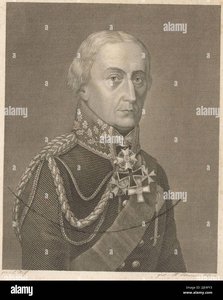
heinrich ludwig petersen
1806 - 1874 , Germany
Основные сведения
- Artistic Movement Or Style: Self-portraits, oil painting
- Date Of Birth: 1806
- Date Of Death: 1874
- Full Name: Heinrich Ludwig Petersen
- Nationality: German
- Notable Artworks:
- Self-portrait in front of the easel (1840)
- Portrait of Oswolt Krel (Dürer)
- Place Of Birth: Altona, Germany
Похожие статьи
Топ-10 знаменитых картин в оттенках песочного коричневого: искусство и декор от ArtsDot
Погрузитесь в мир искусства с ArtsDot! Топ-10 знаменитых картин в оттенках песочного коричневого – от импрессионизма до реализма. Узнайте истории великих художников и вдохновитесь для создания уникального интерьера. Репродукции высокого качества на холсте ждут вас! Explore the full collection onlin
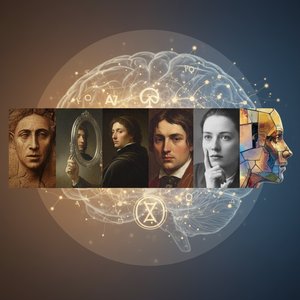
Reflecting the Self: A History of Portraiture & Psychological Insight
Explore the fascinating history of self-portraiture from Renaissance masters like Dürer & Rembrandt to modern interpretations. Discover the psychological insights and artistic techniques behind these iconic works. Expert analysis for art enthusiasts.
Топ-10 знаменитых картин в "грибных" тонах: искусство для вашего интерьера
Погрузитесь в мир искусства с нашей коллекцией из 10 знаменитых картин в "грибных" тонах! Узнайте истории Моне, Ван Гога и других великих мастеров. Репродукции высокого качества для вашего интерьера на ArtsDot.com.
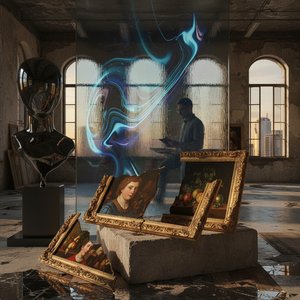
The Echo of Self: Reflectivity as a Core Theme in Art History & Contemporary Practice
Explore the rich history of self-representation in art, from Renaissance masters to modern innovators. Discover how artists use portraiture to reveal identity, emotion & the depths of the human psyche. Expert insights for collectors.
Топ-10 знаменитых картин в оттенках розово-коричневого: искусство для вашего дома от ArtsDot
Погрузитесь в мир розово-коричневых оттенков! Откройте для себя топ-10 знаменитых картин классики и импрессионизма. История искусства, вдохновение для интерьера и репродукции высокого качества на ArtsDot.com.