

 Предпросмотр
 Поделиться
 Поделиться
 Детали произведения

 Скачать
 Похожие работы
 Рентгенография
 Слайд-шоу
 Статистика
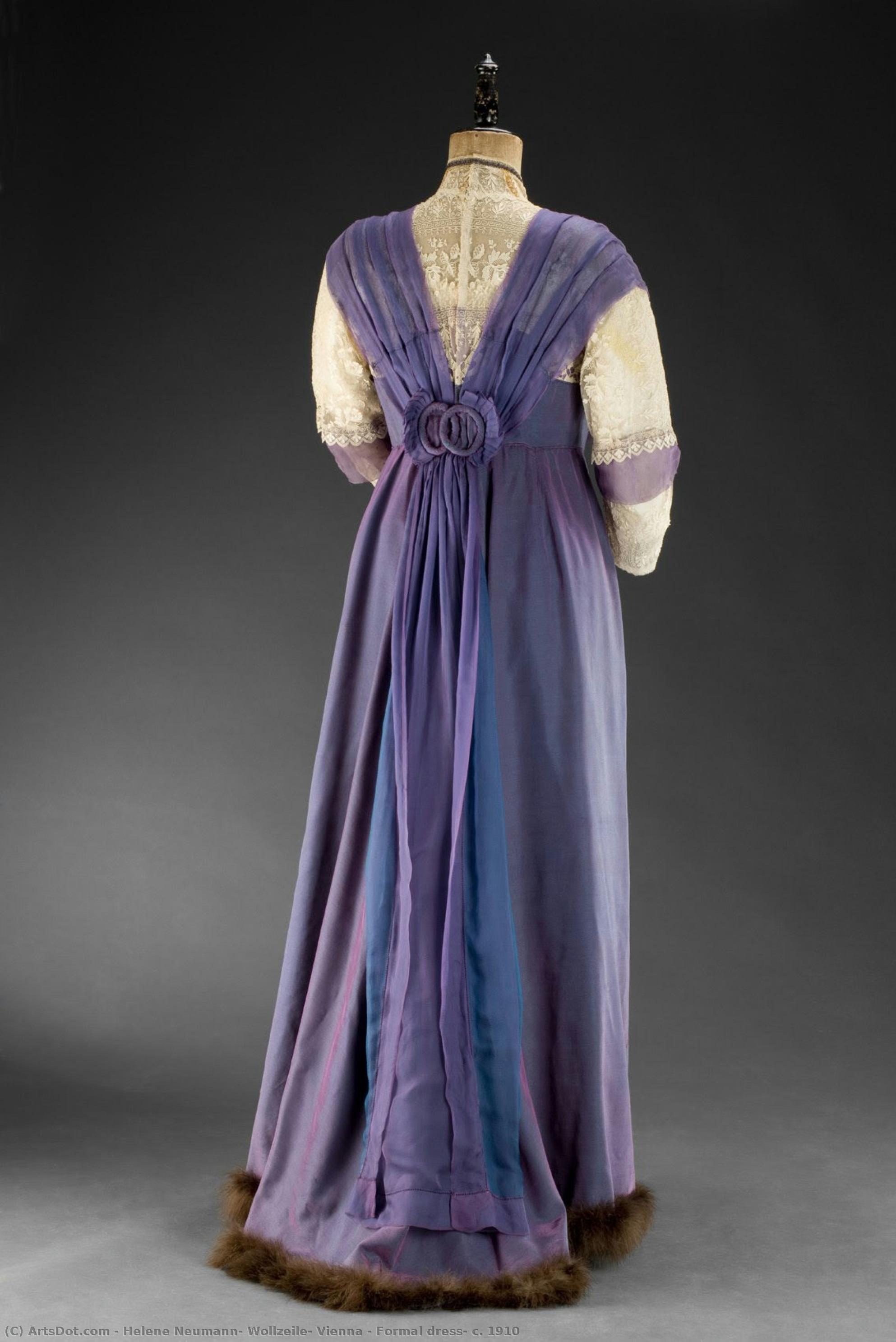
Formal dress, c. 1910


 Читать далее
Масляная репродукция ручной работы
Картина маслом на холсте в выбранном вами размере и раме, написанная на заказ нашими художниками. ( Перейти к печати Перейти к цифровым изображениям)




































Выберите один из наших стандартных размеров, соответствующих оригинальным пропорциям произведения искусства.

Вы можете указать собственные размеры, чтобы картина идеально вписалась в выбранную раму или пространство. Если выбранный вами размер не соответствует пропорциям оригинала, мы либо обрежем полотно, либо расширим его за счет дополнительных элементов, написанных вручную. Цифровой макет будет отправлен вам на утверждение перед началом производства.
Обратите внимание, что предварительный просмотр на экране не отражает фактическую обрезку или расширение. Только макет точно покажет окончательную композицию.
Хотя доступны индивидуальные размеры, мы рекомендуем выбирать вариант из предопределенного списка, чтобы сохранить исходные пропорции.
После оформления заказа команда ArtsDot.com свяжется с клиентом по электронной почте для уточнения деталей и предоставит предварительный макет
Доставка по всему миру () за 3–4 недели вместо стандартных 5 недель. (12 Сентябрь). Без компромиссов в качестве.

Бесплатная экспресс-доставка по всему миру

Высококачественный льняной холст

Полное страхование доставки

Гарантия возмещения таможенных пошлин

Гарантия точного соответствия цветов

100-дневная политика возврата (только при обнаружении дефектов)

Гарантия возврата 100% средств

Предложение оптовых скидок
 Вариант со стеклом доступен только для размеров менее 110 см

Formal dress, c. 1910
Техника репродукции
Размер репродукции
-


Итоговая стоимость
$ 263
Похожие произведения










Биография художника
A Life Etched in Realism: The World of Helene Neumann
Helene Neumann, a name perhaps less celebrated than some of her contemporaries, nevertheless occupies a significant space within the landscape of early 20th-century German art. Born in Königsberg (now Kaliningrad) in 1874, and later finding artistic resonance in Vienna, Neumann’s work is characterized by a deeply observant realism imbued with a poignant social consciousness. Her life, unfolding against a backdrop of rapid societal change and burgeoning political unrest, profoundly shaped her artistic vision—a vision that sought to capture not merely the likenesses of her subjects but also their inner lives and the complexities of the world around them.
Neumann’s lineage was steeped in intellectualism. She was the great-granddaughter of Karl Gottfried Hagen, a pioneer in scientific pharmacy, and granddaughter of physicist Franz Ernst Neumann. Her father, Ernst Neumann, was a pathologist specializing in hematology, while her brother pursued a career in mathematics. This environment fostered an early appreciation for precision and analytical thinking—qualities that would become hallmarks of her artistic approach. She received private tutoring designed to nurture both her mathematical abilities and her burgeoning talent for art during her education at the higher school for girls in Königsberg. This foundation allowed her to embark on formal training as a graphic artist in Munich from 1897 to 1900, studying under Peter Halm, Ernst Neumann (no relation), Heinrich Wolff, and Louis Jacobi.
From Graphic Arts to Portraiture: A Developing Style
The turn of the century saw Neumann’s artistic focus shift towards portraiture. In 1902, she joined the newly established women's class at the Kunstakademie Königsberg, a significant step for female artists in an era where access to formal art education was often limited. Her early works demonstrate a meticulous attention to detail and a clear understanding of light and shadow—characteristics that suggest a grounding in traditional academic techniques. However, Neumann quickly moved beyond mere technical proficiency, seeking to infuse her portraits with psychological depth and emotional resonance.
She wasn’t solely focused on artistic pursuits; Neumann actively engaged with social issues, serving as the chairwoman of the Königsberger Hausfrauenbund—a local women's organization. This involvement undoubtedly informed her artistic choices, leading her to depict subjects from various walks of life and to explore themes of social inequality and everyday existence. Her work often eschewed idealized representations in favor of honest portrayals of individuals, capturing their vulnerabilities, strengths, and the weight of their experiences.
Vienna and a Focus on Social Commentary
While biographical details regarding her time in Vienna are somewhat sparse, it’s clear that this period was pivotal in shaping Neumann's mature style. She became known for her detailed realism and poignant social commentary. Her portraits often feature individuals from the working class, rendered with a sensitivity and dignity rarely seen in contemporary art. She captured the essence of Viennese society—its bustling streets, its diverse inhabitants, and the underlying tensions that simmered beneath the surface.
Neumann’s work can be situated within the broader context of German Expressionism, though she maintained a distinct stylistic voice. Unlike some of her more overtly dramatic contemporaries, Neumann's approach was characterized by restraint and subtlety. She didn’t rely on exaggerated forms or jarring colors to convey emotion; instead, she used nuanced brushwork, carefully chosen compositions, and an acute understanding of human psychology to create works that were both visually compelling and emotionally resonant.
Legacy and Historical Significance
Helene Neumann's life was tragically cut short in 1942. While her work didn’t achieve widespread recognition during her lifetime, it has garnered increasing attention in recent years as scholars reassess the contributions of female artists to early 20th-century art history. Her paintings and graphic works offer a valuable glimpse into the social and cultural landscape of Germany and Austria during a period of profound transformation.
Her legacy lies not only in her technical skill but also in her commitment to portraying the lives of ordinary people with dignity and compassion. She challenged conventional artistic norms by focusing on subjects often overlooked by her contemporaries, and her work continues to resonate today as a testament to the power of art to illuminate the human condition. The few surviving examples of her oeuvre serve as poignant reminders of a talented artist whose vision was both deeply personal and profoundly relevant.
helene neumann, wollzeile, vienna
1874 - 1942 , Germany
Основные сведения
- Artistic Movement Or Style: Detailed Realism
- Date Of Birth: March 14, 1874
- Date Of Death: 1942
- Full Name: Helene Neumann
- Nationality: German
- Notable Artworks: ['Formal dress, c. 1910']
- Place Of Birth: Königsberg, Germany