

 Поделиться
 Поделиться
 Детали произведения

 Скачать
 Похожие работы
 Слайд-шоу
 Статистика
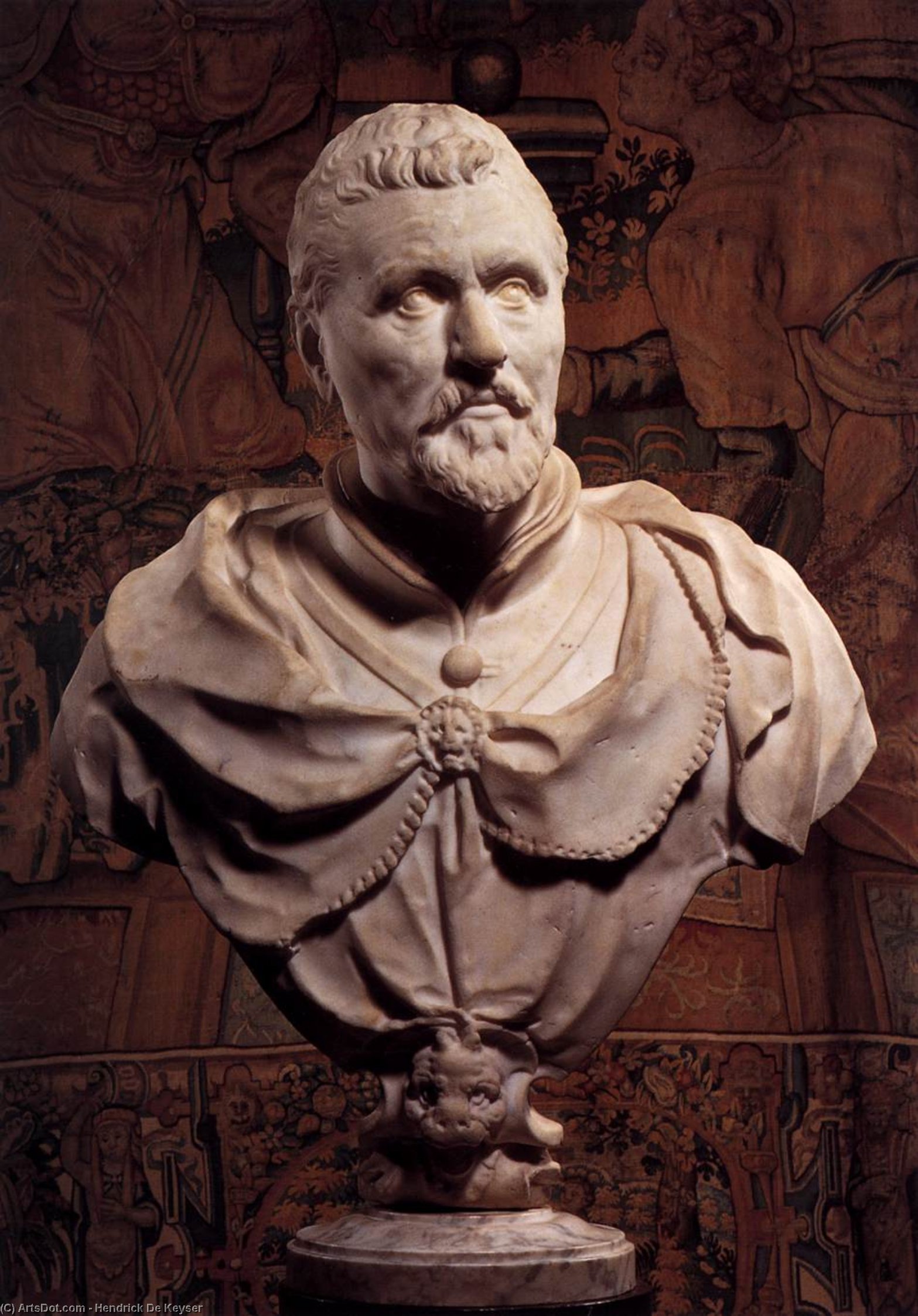
Portrait of Vincent Coster


 Читать далее
Приобретите цифровое изображение высокого разрешения в улучшенном качестве, которое значительно превосходит онлайн-превью.
Каждый файл тщательно подготавливается нашими специалистами с использованием передовых инструментов и экспертной ручной ретуши. Мы гарантируем исключительную четкость, точную цветопередачу и детальную проработку каждого изображения.
Финальный файл доставляется по электронной почте в течение 72 часов и оптимизирован для немедленного использования в профессиональной среде, при верстке и печати. Это тот же уровень качества, которому доверяют ведущие дизайнерские студии, издательства и галереи.
Цифровое изображение
Скачайте файл высокого разрешения для личного использования, печати и творческих проектов. ( Перейти к печати Купить картину ручной работы)
Включено в каждый заказ цифровых изображений
Гарантия экспертной цифровой доставки
Выбирая ArtsDot.com, вы получаете не просто изображение — вы приобретаете профессионально обработанное цифровое произведение искусства, созданное с безупречной точностью и под защитой гарантии качества. Вот всё, что автоматически входит в ваш заказ:

Мгновенная доставка по e-mail
Ваш цифровой файл в высоком разрешении будет отправлен вам по электронной почте в течение 72 часов после оформления заказа — и сразу станет доступен для использования.

Цифровой файл с ИИ-улучшением
Ваше произведение искусства проходит профессиональную оптимизацию с использованием передовых инструментов ИИ и ручной обработки, что гарантирует максимальную детализацию, четкость и точность цветопередачи.

Бессрочная бесплатная повторная доставка
Случайно удалили или потеряли файл? Не беспокойтесь — мы отправим его вам повторно в любое время и совершенно бесплатно.

Без импортных пошлин — навсегда
Наслаждайтесь вашим произведением искусства мгновенно без таможенных пошлин, сборов или затрат на доставку — цифровые загрузки всегда не облагаются налогом.

Гарантия точности цветопередачи
Мы гарантируем, что ваше цифровое изображение максимально точно передает оригинальные цвета благодаря использованию профессиональных инструментов и систем управления цветом.

Гарантия удовлетворенности 100 дней
Если вы не будете удовлетворены своим цифровым изображением, мы внесем правки или вернем 100% стоимости в течение 100 дней — без лишних вопросов.

100% Гарантия возврата средств
Не удовлетворены покупкой? Получите полный возврат средств в течение 100 дней после получения цифрового файла — без лишних вопросов.

Скидки на оптовые заказы
Купите 3 изображения, сэкономьте 10% — Купите 5, сэкономьте 15% — Купите 10+, сэкономьте 20%. Отличное решение для творческих проектов, галерей и агентств.
A Vision of Renaissance Dignity
In the heart of the early seventeenth century, as Amsterdam began its ascent toward global commercial dominance, a profound artistic shift was taking place. The Portrait of Vincent Coster, sculpted in 1608 by the master Hendrick de Keyser, serves as a breathtaking window into this era of transition. This marble bust is far more than a mere likeness of a wealthy vintner and wine-gauger; it is a monumental testament to the Amsterdam Renaissance. Through the meticulous carving of stone, De Keyser captured not just the physical features of Coster, but the very essence of the humanist spirit that defined the age—a period where intellect, civic pride, and classical ideals converged to create a new cultural identity.
The sculpture presents Coster in a pose of quiet authority. Seated with a composed grace, his hand resting naturally upon his thigh, he radiates a sense of stability and command. This dignified posture was a deliberate choice, reflecting the values of the burgeoning merchant class who sought to mirror the virtues of antiquity. To gaze upon this piece is to encounter a man who embodies the prosperity and the profound social responsibility of his time, making it an evocative centerpiece for any collection that seeks to celebrate historical depth and character.
Mastery in Marble and Mannerist Grace
Technically, the work is a triumph of sculptural execution. De Keyser’s approach sits at a fascinating stylistic crossroads, blending the stylized elegance of Mannerism with the emerging balance of the Baroque era. While Mannerism often favored exaggerated forms, De Keyser utilized these principles to enhance the subject's presence, applying classical proportions that lend the bust an air of timelessness. His choice of marble—a medium rarely employed by Dutch sculptors of this period—was a bold and luxurious decision. The material allows for a luminous surface finish, where light dances across the smooth contours of the skin and the intricate textures of the subject's attire.
The artist’s ability to manipulate stone is most evident in the fine details: the subtle texture of the beard, the precise folds of the clothing, and the lifelike expression captured in the eyes. For the discerning collector or interior designer, these nuances offer a tactile richness that elevates a space. The interplay between the heavy, solid presence of the marble and the delicate, light-catching surfaces creates a dynamic visual experience that commands attention from every angle.
Symbolism and the Spirit of an Age
Every element of the Portrait of Vincent Coster is imbued with symbolic meaning, designed to communicate status and virtue. One of the most striking features is the draped toga-like cloak flowing over the subject's doublet. This sartorial choice is a direct nod to Roman dignity, intentionally linking the prosperous Dutch citizen to the legendary virtues of the ancient world. By adorning Coster in the guise of a classical figure, De Keyser elevates a local businessman to the status of a timeless hero of civilization.
Beyond the individual, the sculpture reflects the cultural dynamism of the Dutch Golden Age. It stands as a symbol of an era where trade, scholarship, and art flourished in tandem. For those looking to integrate a piece of this magnitude into their decor, the bust offers more than just aesthetic beauty; it provides a narrative of resilience, intellect, and the enduring pursuit of excellence. Whether placed in a sunlit library or a sophisticated study, a high-quality reproduction of this masterpiece brings with it the weight of history and the luminous elegance of the Renaissance.
Похожие произведения

Биография художника
Hendrick de Keyser: Architect of a Dutch Renaissance
Born in Utrecht in 1565, Hendrick de Keyser’s life and career were inextricably linked to the burgeoning artistic and architectural landscape of Amsterdam during the early 17th century. More than just a sculptor or stonemason – titles that barely scratch the surface of his multifaceted talents – De Keyser was a pivotal figure in establishing what is now recognized as the “Amsterdam Renaissance,” a distinctly Dutch interpretation of late Mannerism that profoundly shaped the city’s visual identity and laid the groundwork for subsequent classical styles. His legacy isn't found solely in grand monuments, but also in the subtle elegance and innovative use of decorative elements that define his most celebrated works.
De Keyser’s early apprenticeship under Cornelis Bloemaert, a renowned engineer and architect, provided him with a solid foundation in classical principles. However, it was his relocation to Amsterdam at the age of 26 that truly ignited his creative spirit. Immediately upon arrival, he secured a position as city stonemason and sculptor, a role that encompassed an astonishing breadth of responsibilities – from overseeing construction projects to designing intricate facades and monumental tombs. This multifaceted position afforded him unparalleled access to influential commissions and allowed him to experiment with new approaches to architectural design, ultimately forging his unique artistic voice.
The Rise of the Amsterdam Renaissance
What distinguishes De Keyser’s work – and what elevates it beyond mere imitation of Italian models – is its distinctly Dutch sensibility. While he certainly drew inspiration from classical architecture, as evidenced by the extensive use of pilasters, cornices, and pediments, these elements were rarely employed with slavish adherence to established treatises. Instead, they functioned primarily as decorative flourishes, imbued with a sense of dynamism and ornamentation that reflected the spirit of the age. This departure from rigid formality is most evident in his later works, particularly during the second decade of the 17th century, when his style reached its peak – a vibrant synthesis of classical influences and innovative Dutch design.
De Keyser’s architectural contributions are remarkably diverse, encompassing churches, town halls, commercial buildings, and even private residences. The Zuiderkerk (Southern Church), completed between 1603 and 1611, stands as a testament to his skill and vision, showcasing the grandeur of late Mannerism with its soaring tower and intricate detailing. Similarly, the Delft Town Hall (1618-1620) exemplifies his ability to seamlessly integrate classical elements into a distinctly Dutch context. The Westerkerk (Western Church), begun in 1620 and completed later, further solidified his reputation as a leading architect of his time.
Major Architectural Achievements
Several buildings stand out as particularly significant examples of De Keyser’s oeuvre. The Commodity Exchange, constructed between 1608 and 1613, represents a pivotal moment in Amsterdam's economic development and showcases the scale and ambition of his projects. Though sadly demolished in the 19th century, its design profoundly influenced subsequent commercial buildings. The East India House, likely designed by De Keyser himself, is another notable example, reflecting the growing importance of international trade and demonstrating his understanding of contemporary architectural trends. The Huis Bartolotti, a magnificent canal house completed after his death by his son Pieter, exemplifies his mastery of facade design and decorative elements.
Beyond these monumental structures, De Keyser’s influence extended to smaller-scale projects, including the elaborate tombs commissioned for prominent figures such as William the Silent in Delft and Erasmus in Rotterdam. These works demonstrate his skill as a sculptor and his ability to imbue even funerary monuments with a sense of dignity and artistic merit.
Legacy and Influence
Hendrick de Keyser’s impact on Dutch architecture is undeniable. He played a crucial role in establishing the “Amsterdam Renaissance,” a style that served as a bridge between late Mannerism and the subsequent rise of classical architecture under figures like Jacob van Campen and Pieter Post. His innovative use of decorative elements, his willingness to experiment with new forms, and his commitment to creating visually compelling spaces cemented his place as one of the most important architects of the Dutch Golden Age. Though he died in 1621, his designs continue to inspire awe and admiration, offering a glimpse into a pivotal moment in the history of European architecture.
His work is preserved today through numerous surviving buildings, providing invaluable insights into the artistic and architectural developments of early modern Amsterdam. The Zuiderkerk, Delft Town Hall, and Westerkerk stand as enduring monuments to his genius, reminding us of the profound influence of Hendrick de Keyser on the visual landscape of the Netherlands.
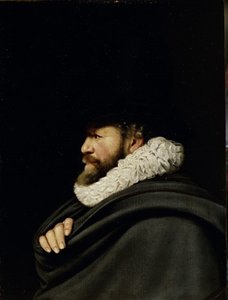
Hendrick de Keyser
1565 - 1621 , Netherlands
Основные сведения
- Artistic Movement Or Style: Amsterdam Renaissance, Mannerism
- Artists Or Movements Influenced By This Artist:
- Jacob van Campen
- Pieter Post
- Artists Who Influenced This Artist: ['Cornelis Bloemaert']
- Date Of Birth: May 1565, Utrecht, NL
- Date Of Death: May 1621
- Full Name: Hendrick de Keyser
- Nationality: Dutch
- Notable Artworks:
- Zuiderkerk Amsterdam
- Delft Town Hall
- Westerkerk Amsterdam
- Place Of Birth: Utrecht, Netherlands