 Предпросмотр
 Поделиться
 Поделиться
 Детали произведения

 Скачать
 Похожие работы
 Рентгенография
 Слайд-шоу
 Статистика
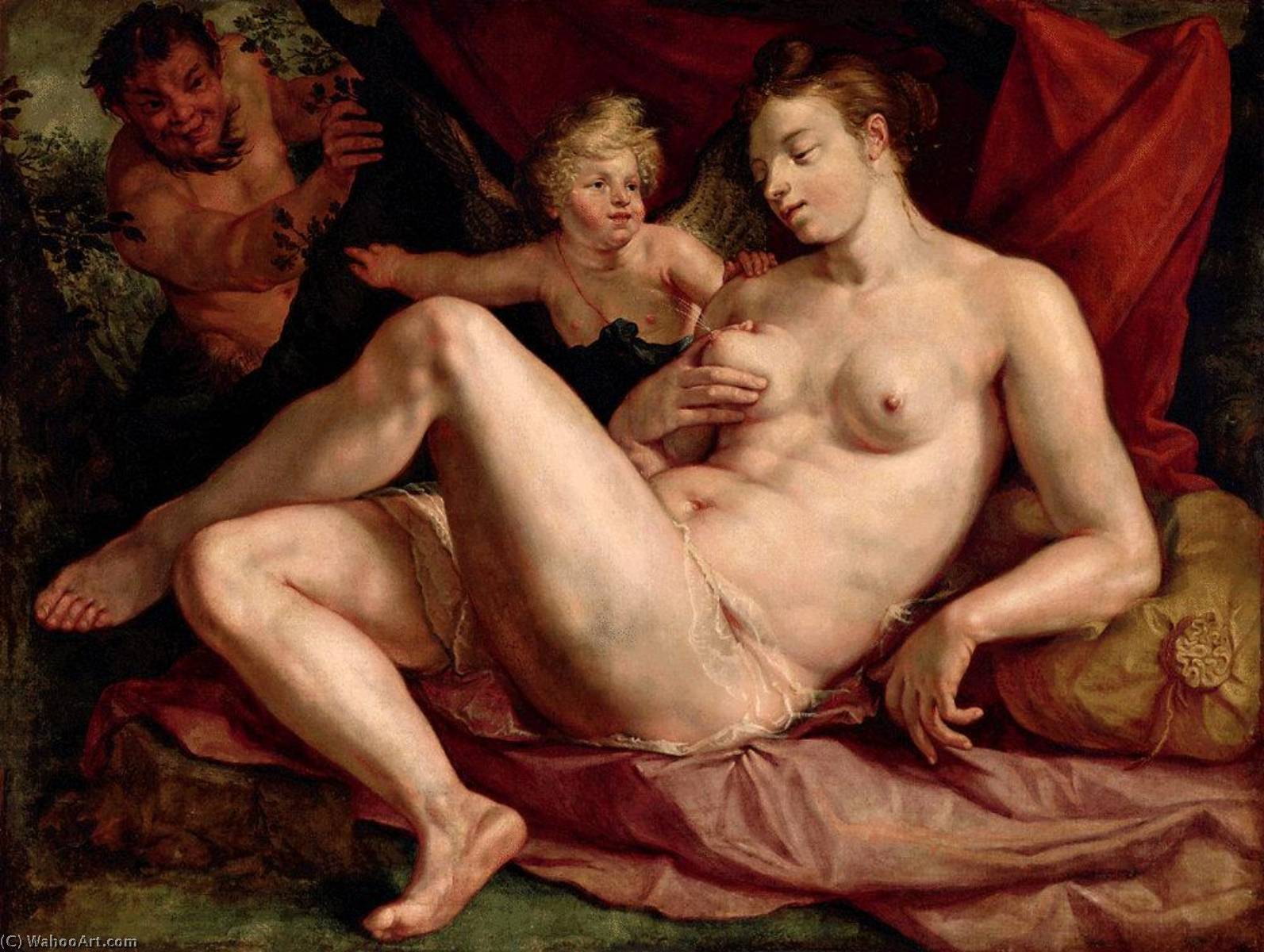
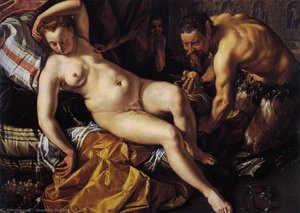
Vénus et l'Amour épiés par un satyre, dit autrefois Jupiter et Antiope Alternative title(s) Jupiter et Antiope
 Oil On Canvas
- WallArt
- Baroque
 1616
1616- Early Modern
 100.0 x 133.0 cm
 Лувр
Лувр
 Читать далее
Масляная репродукция ручной работы
Картина маслом на холсте в выбранном вами размере и раме, написанная на заказ нашими художниками. ( Перейти к печати Перейти к цифровым изображениям)




P118B $10

P118H $10

P118W $10

P438Z $10

P508JH $12

P508YH $12

P805H $10

P805Z $10

P919BZ $10

P919G $10

P919XJ $10

P959ZH $10

P968JZ $12

W106C $8

W218G $10

W218JH $8

W218Y $10

W307PJ $10

W316G $10

W316PJ $8

W316Y $10

W398PJ $8

W4111J $10

W500HY $15

W500JH $15

W692G $12

W849H $8

W940BG $15

W953PJ $8




Выберите один из наших стандартных размеров, соответствующих оригинальным пропорциям произведения искусства.

Вы можете указать собственные размеры, чтобы картина идеально вписалась в выбранную раму или пространство. Если выбранный вами размер не соответствует пропорциям оригинала, мы либо обрежем полотно, либо расширим его за счет дополнительных элементов, написанных вручную. Цифровой макет будет отправлен вам на утверждение перед началом производства.
Обратите внимание, что предварительный просмотр на экране не отражает фактическую обрезку или расширение. Только макет точно покажет окончательную композицию.
Хотя доступны индивидуальные размеры, мы рекомендуем выбирать вариант из предопределенного списка, чтобы сохранить исходные пропорции.
После оформления заказа команда ArtsDot.com свяжется с клиентом по электронной почте для уточнения деталей и предоставит предварительный макет
Доставка по всему миру () за 3–4 недели вместо стандартных 5 недель. (10 Сентябрь). Без компромиссов в качестве.

Бесплатная экспресс-доставка по всему миру

Высококачественный льняной холст

Полное страхование доставки

Гарантия возмещения таможенных пошлин

Гарантия точного соответствия цветов

100-дневная политика возврата (только при обнаружении дефектов)

Гарантия возврата 100% средств

Предложение оптовых скидок
 Вариант со стеклом доступен только для размеров менее 110 см

Vénus et l'Amour épiés par un satyre, dit autrefois Jupiter et Antiope Alternative title(s) Jupiter et Antiope
Техника репродукции
Размер репродукции
-


Итоговая стоимость
$ 288
A Symphony of Myth and Shadow
In the grand tapestry of the Baroque era, few works capture the tension between divine grace and primal instinct as exquisitely as Hendrik Goltzius’s 1616 masterpiece, Vénus et l'Amour épiés par un satyre. Often referred to by its alternative title, Jupiter and Antiope, this oil on canvas is far more than a mere mythological tableau; it is a profound exploration of voyeurism, desire, and the delicate boundary between the celestial and the earthly. As the eye wanders across the canvas, one is immediately drawn into a world where the air feels thick with secrets. The central figure, a woman of breathtaking beauty reclining upon a bed of opulent crimson velvet and gold brocade, radiates a serene vulnerability. Yet, this tranquility is shadowed by the presence of the Satyr, whose watchful gaze introduces an element of earthly tension, reminding the viewer of the untamed forces that exist just beneath the surface of civilized beauty.
The painting serves as a window into the complex legends of Greek mythology, specifically the moment when Zeus, disguised as Jupiter, observes the mortal Antiope. Goltzius masterfully weaves together several layers of narrative complexity. While the central figure embodies an idealized form of femininity, the surrounding characters act as symbolic anchors for the piece's deeper meanings. The playful Cupid, darting near her shoulder, serves as a poignant emblem of love’s inherent vulnerability and divine protection, while the presence of Flora, offering a vibrant bouquet, breathes life into themes of fertility and seasonal renewal. For the discerning collector or interior designer, this work offers a rich narrative depth that can transform a space, providing a focal point that invites endless contemplation and conversation.
Mastery of the Swelling Line and Baroque Light
Technically, this work represents the pinnacle of Goltzius’s transition from the intricate precision of Northern Mannerism to the more fluid, dramatic language of the early Baroque. The artist employs his celebrated “swullying line” technique—a method of subtly varying line thickness to create an illusion of three-dimensional volume and muscularity. This meticulous approach is evident in the way the light dances across the skin of the figures, creating a palpable sense of weight and texture. One can almost feel the contrast between the velvety softness of the draped fabrics and the rugged, coarse skin of the Satyr. The composition is driven by powerful diagonal lines, particularly within the folds of the luxurious drapery, which propel the viewer’s gaze through the scene with a rhythmic, cinematic energy.
The use of light and shadow, or chiaroscuro, is nothing short of theatrical. Goltzius utilizes a dark, almost infinite background to push the central figures forward, making their luminosity appear even more radiant. This dramatic lighting emphasizes the anatomical accuracy of the reclining form, highlighting the curves and contours that define the human silhouette. The palette is a sophisticated arrangement of warm, regal tones—deep reds, burnished golds, and earthy browns—interspersed with subtle cool accents in the shadows. For those seeking to incorporate high-quality reproductions into a curated collection, this painting offers an unparalleled sense of luxury and historical weight, making it an ideal centerpiece for rooms designed to evoke elegance, drama, and timelessness.
Похожие произведения






Биография художника
Early Life and Artistic Foundations
Hendrik Goltzius, a name synonymous with the vibrant dynamism of Northern Mannerism in Dutch art, was born in Braunschweig (Braunschweig), Germany, in 1558. His early years were steeped in artistic tradition; his family’s lineage included painters who had served as court artists in Venlo, and his father, Jan Goltz II, was a skilled glass painter in Duisburg. This environment fostered an appreciation for visual arts from a young age, laying the groundwork for his future endeavors. At the tender age of three, tragedy struck when a fire claimed his childhood home, leaving him with a permanently deformed right hand – a physical characteristic that would ironically become a defining feature of his distinctive engraving style. Recognizing this unique adaptation, Goltzius’s father secured his apprenticeship under Dirck Volckertszoon Coornhert, a renowned printmaker and master engraver in Haarlem, the burgeoning artistic center of the Dutch Republic. This formative period instilled within him not only technical proficiency but also an understanding of the intricate processes involved in creating detailed prints – a foundation upon which he would build his illustrious career.A Career Forged in Haarlem
Moving to Haarlem in 1577, Goltzius quickly established himself as a prominent figure in the city’s thriving printmaking scene. He secured employment with Philip Galle, a leading printer and publisher of the time, where he honed his skills and gained invaluable experience working on large-scale projects, including the celebrated series depicting the history of Lucretia. This association exposed him to diverse artistic styles and broadened his creative horizons. The marriage of Goltzius to Margaretha Jansdr. in 1579 proved pivotal, providing him with financial stability and allowing him to establish an independent printmaking business – a bold move for the time. He quickly gained recognition for his meticulous attention to detail, his innovative approach to line work, and his ability to capture both the grandeur and the subtle nuances of his subjects. His distinctive style, characterized by a sense of movement and dramatic intensity, began to distinguish him from his contemporaries.Technique and Innovation: The "Swelling Line"
Goltzius’s artistic legacy rests significantly on his revolutionary technique – what is now known as the “swelling line.” This innovative approach involved manipulating the burin (a sharp tool used in engraving) to create varying thicknesses of lines, effectively simulating tonal shading without resorting to hatching or cross-hatching. This technique, born from the limitations imposed by his deformed right hand—allowing for a more fluid and expressive swing of the burin—resulted in engravings that possessed an unprecedented depth and richness of tone. He was a pioneer of the “dot and lozenge” technique, meticulously placing dots within lozenge-shaped spaces created through cross-hatching to further refine tonal shading and create a sense of texture. His command of the burin was widely considered to rival that of Albrecht Dürer, one of the greatest printmakers of all time, and he frequently produced engravings of works by other masters like Bartholomaeus Spranger and Annibale Carracci, elevating their fame through his skilled reproductions.Influence and Legacy
Hendrik Goltzius’s influence extended far beyond the borders of the Netherlands. He was a sought-after engraver throughout Europe, producing prints for royalty and nobility across the continent. His work served as a bridge between the artistic traditions of Northern Europe and Italy, introducing Mannerist styles to a wider audience. His engravings are now housed in major museums worldwide, including the Metropolitan Museum of Art, the Rijksmuseum Amsterdam, and the British Museum, testament to their enduring value and significance. Goltzius’s legacy is not merely one of technical mastery; it's also a reflection of his artistic vision—a bold embrace of dynamism, dramatic intensity, and an innovative approach to printmaking that continues to inspire artists today. His work stands as a powerful reminder of the transformative potential of individual creativity and the enduring power of art to captivate and move us across centuries.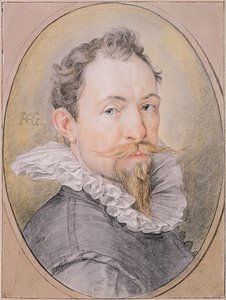
Гендрик Голтциус
1558 - 1617 , Германия
Основные сведения
- Artistic Movement Or Style: Северный маньеризм
- Artists Or Movements Influenced By This Artist: ['Бartholomeus Spranger']
- Artists Who Influenced This Artist: ['Дирк Волкертсзон Корнхерт']
- Date Of Birth: Янв/Фев 1558
- Date Of Death: 1617
- Full Name: Hendrik Goltzius
- Nationality: Нидерландский
- Notable Artworks:
- Встреча Юпитера и Геро
- Минерва
- Пророк Михаи
- Place Of Birth: Брауншвейг, Италия
Похожие статьи

Decoding Baroque Grandeur: A Guide to the Drama and Emotion of 17th-Century Art
Explore the breathtaking drama of 17th-century Baroque art. Our expert guide decodes the use of chiaroscuro, emotional intensity, and historical grandeur to help you appreciate and curate timeless masterpieces for your collection.

Baroque Classicism: Reconciling Drama & Order in 17th-Century Art
Explore the captivating world of Baroque Classicism! Discover its history, key artists like Caravaggio & Rubens, and defining characteristics. Expert insights & high-quality reproductions at ArtsDot.

Барочная драма: Искусство величия в современном интерьере
Погрузитесь в мир роскоши и величия барокко! Узнайте об истории стиля, ключевых элементах интерьера и архитектуре. Вдохновляйтесь с и создайте свой неповторимый дизайн.
Echoes of Olympus: Mythological Narratives in Western Art Through the Ages
Explore the captivating history of mythological narratives in Western art! From ancient Greece to modern masterpieces, discover iconic artworks & symbolism. Expert analysis and high-quality reproductions at ArtsDot.
Guido Reni: A Study in Baroque Classicism & Artistic Perfection
Explore the life & work of Guido Reni, a master of Baroque classicism. Discover his iconic religious & mythological paintings, and understand his enduring influence on art history. Expert analysis for collectors.