

 Предпросмотр
 Поделиться
 Поделиться
 Детали произведения

 Скачать
 Похожие работы
 Рентгенография
 Слайд-шоу
 Статистика
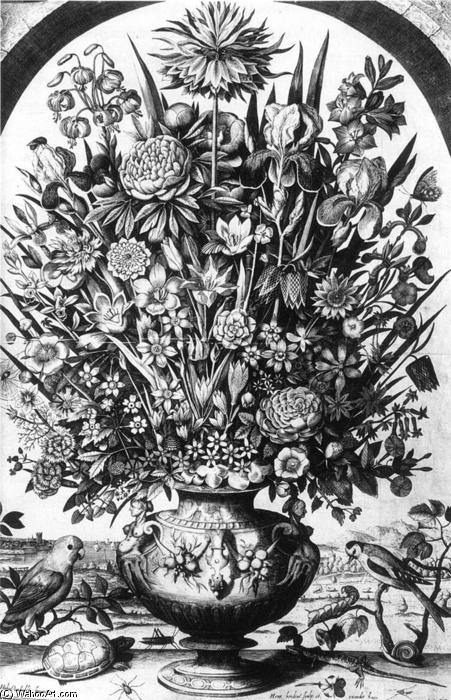
Flower Piece with Birds
 Engraving
- WallArt
- Baroque
 1599
1599 620.0 x 450.0 cm
 Графическая коллекция Альбертина
 Читать далее
Масляная репродукция ручной работы
Картина маслом на холсте в выбранном вами размере и раме, написанная на заказ нашими художниками. ( Перейти к печати Перейти к цифровым изображениям)




P118B $10

P118H $10

P118W $10

P438Z $10

P508JH $12

P508YH $12

P805H $10

P805Z $10

P919BZ $10

P919G $10

P919XJ $10

P959ZH $10

P968JZ $12

W106C $8

W218G $10

W218JH $8

W218Y $10

W307PJ $10

W316G $10

W316PJ $8

W316Y $10

W398PJ $8

W4111J $10

W500HY $15

W500JH $15

W692G $12

W849H $8

W940BG $15

W953PJ $8




Выберите один из наших стандартных размеров, соответствующих оригинальным пропорциям произведения искусства.

Вы можете указать собственные размеры, чтобы картина идеально вписалась в выбранную раму или пространство. Если выбранный вами размер не соответствует пропорциям оригинала, мы либо обрежем полотно, либо расширим его за счет дополнительных элементов, написанных вручную. Цифровой макет будет отправлен вам на утверждение перед началом производства.
Обратите внимание, что предварительный просмотр на экране не отражает фактическую обрезку или расширение. Только макет точно покажет окончательную композицию.
Хотя доступны индивидуальные размеры, мы рекомендуем выбирать вариант из предопределенного списка, чтобы сохранить исходные пропорции.
После оформления заказа команда ArtsDot.com свяжется с клиентом по электронной почте для уточнения деталей и предоставит предварительный макет
Доставка по всему миру () за 3–4 недели вместо стандартных 5 недель. (11 Сентябрь). Без компромиссов в качестве.

Бесплатная экспресс-доставка по всему миру

Высококачественный льняной холст

Полное страхование доставки

Гарантия возмещения таможенных пошлин

Гарантия точного соответствия цветов

100-дневная политика возврата (только при обнаружении дефектов)

Гарантия возврата 100% средств

Предложение оптовых скидок
 Вариант со стеклом доступен только для размеров менее 110 см

Flower Piece with Birds
Техника репродукции
Размер репродукции
-


Итоговая стоимость
$ 263
A Baroque Still Life of Abundance: Hendrik Hondius’ “Flower Piece with Birds”
Hendrik Hondius I's "Flower Piece with Birds," created in 1599, is more than just a meticulously rendered engraving; it’s a window into the opulent world of 17th-century Dutch art and a testament to the artist’s extraordinary technical skill. This captivating work, now housed within the Graphische Sammlung Albertina in Vienna, immediately draws the eye with its dense composition – a veritable explosion of blossoms, verdant foliage, and two diminutive birds perched amongst the floral profusion. The scene unfolds within an elaborate, arched vase, reminiscent of the grand still life paintings favored by artists like Jan van Eyck and later embraced by the Dutch Masters. Hondius masterfully captures the textures of velvet petals, delicate leaves, and the smooth curves of porcelain, demonstrating a remarkable ability to translate three-dimensional forms onto a two-dimensional plate. The level of detail is astonishing; each individual flower appears to possess its own unique character, rendered with an almost photographic precision achieved through the painstaking process of engraving.The Techniques of Dutch Baroque Engraving
The creation of “Flower Piece with Birds” exemplifies the hallmarks of Dutch Baroque engraving. Hondius employed a copper plate, meticulously incised with a needle and burin – a tool used to shave away small portions of the metal surface. This created lines that would then be inked and pressed onto paper, transferring the image in reverse. The resulting monochrome effect is profoundly evocative, relying entirely on variations in line weight and shading to convey depth, volume, and texture. Notice how the artist uses heavier lines to define the outlines of the vase and larger flowers, while lighter, more delicate strokes are reserved for the intricate details of petals and leaves. This subtle manipulation of linework creates a dynamic interplay between light and shadow, lending the scene an incredible sense of realism and immediacy. The engraving’s flatness is characteristic of the medium; Hondius skillfully utilizes perspective to suggest space without resorting to traditional aerial or linear techniques.Symbolism and Context within Dutch Society
Beyond its technical brilliance, “Flower Piece with Birds” offers a fascinating glimpse into the cultural values of 16th-century Holland. Still life paintings were immensely popular during this period, often serving as allegorical representations of broader themes – mortality, wealth, and the transience of beauty. The abundance of flowers in this piece speaks to the prosperity and flourishing trade that characterized the Dutch Republic at the time. Flowers were not merely decorative; they held symbolic significance, representing virtues like purity, love, and fertility. The inclusion of two small birds adds another layer of meaning, perhaps alluding to the fleeting nature of beauty or the ephemeral joy found in simple pleasures. Furthermore, the arrangement echoes the *memento mori* tradition – a reminder of mortality – subtly woven into the celebration of earthly delights.Hendrik Hondius: A Master Engraver and Publisher
Hendrik Hondius I (1573-1650) was a pivotal figure in the development of engraving during the Dutch Golden Age. Initially trained as a goldsmith, he quickly developed his skills as an engraver under Jan Wierix, mastering the techniques required to produce intricate and detailed images. He later transitioned into publishing, securing a crucial print privilege that protected his work from unauthorized reproduction – a landmark achievement in the burgeoning printing industry. Hondius’s prolific output included portraits of prominent figures, maps, architectural designs, and numerous reproductions of works by other artists. “Flower Piece with Birds” stands as one of his most celebrated achievements, showcasing his exceptional artistic talent and his profound understanding of both engraving technique and the cultural context in which he worked. It remains a captivating example of Baroque artistry, offering viewers a rich and rewarding experience for generations to come.Похожие произведения


Биография художника
A Life Etched in Time: The World of Hendrik Hondius I
Hendrik Hondius I, a name resonant within the annals of Dutch Golden Age artistry, was far more than simply an engraver or cartographer; he was a pivotal figure in shaping visual culture and artistic discourse. Born as Hendrik de Hondt in 1573 in Duffel, Belgium, his journey reflects a fascinating migration of talent and innovation from the Southern Netherlands to the burgeoning Republic, where he would leave an indelible mark on printmaking and publishing. His father, Guillam de Hondt, a philologist, instilled within young Hendrik an early appreciation for scholarship – a foundation that would prove crucial in his later endeavors. This intellectual upbringing was complemented by formal artistic training, beginning with goldsmith Godfried van Ghelder in Antwerp, followed by studies under the esteemed engraver Jan Wierix. Hondius didn’t limit himself to purely artistic pursuits; he actively sought knowledge of mathematics, perspective, architecture and fortifications from masters like Hans Vredeman de Vries and Samuel Marelois, demonstrating a remarkably holistic approach to his craft. Even before establishing himself in The Hague around 1597, travels through Cologne, London, and Paris broadened his horizons, exposing him to diverse artistic currents that would inform his unique style.Forging a Path: Career and Artistic Achievements
The arrival of Hendrik Hondius I in The Hague marked the true beginning of his ascent. He swiftly integrated into the local artists’ guild and secured his first commission – a portrait of Prince Maurits, signaling an immediate acceptance within influential circles. However, it was the acquisition of a general printing privilege from the States General of the Netherlands in 1599 that truly cemented his position as a leading figure. This unprecedented grant—the first of its kind until bestowed upon Peter Paul Rubens—granted him exclusive rights to publish and protect his work throughout the Dutch Republic, fostering an environment for innovation and expansion. This privilege allowed Hondius to establish a thriving publishing house, becoming a central hub for artistic production and dissemination. Yet, it is perhaps his *Pictorum aliquot celebrium praecipue Germaniae inferioris Effigies*, published in 1610, that remains his most celebrated achievement. This collection of sixty-nine portraits of artists wasn’t merely a catalog; it was an active intervention in the construction of artistic canon. Hondius built upon earlier works like Dominicus Lampsonius's publication, updating and expanding the recognized pantheon of Netherlandish painters, subtly shifting perceptions and solidifying reputations for generations to come. Beyond portraiture, Hondius also demonstrated considerable skill in cartography, further showcasing his versatility as an artist and publisher.Influences and Artistic Development
The artistic lineage of Hendrik Hondius I is clearly visible when examining his work. The technical precision and meticulous detail evident in his early engravings are a direct inheritance from his teacher, Jan Wierix. Wierix’s influence instilled within him a dedication to craftsmanship that would characterize his entire career. Simultaneously, the architectural and mathematical training under Hans Vredeman de Vries provided Hondius with a firm grasp of perspective and spatial relationships, lending a structural integrity to his compositions. His engagement with Dominicus Lampsonius' earlier work on artist portraits wasn’t simply imitative; it was a critical dialogue, an attempt to refine and expand upon existing narratives within art history. However, perhaps the most significant influence was the burgeoning print culture of the Dutch Republic itself. Hondius didn’t merely participate in this environment—he actively shaped it, pioneering new publishing practices and leveraging privileges to protect his creations. He understood the power of dissemination, recognizing that prints could democratize access to art and ideas, fostering a wider appreciation for artistic expression.A Lasting Legacy
Hendrik Hondius I’s historical significance extends far beyond the beauty of his engravings or the accuracy of his maps. His *Pictorum…* series remains a crucial document for understanding the evolving artistic landscape of the Netherlands and Lower Germany, offering invaluable insights into contemporary perceptions of artistic merit. His acquisition of a general printing privilege wasn't just a personal triumph; it set a precedent for future artists and publishers, establishing a framework for intellectual property rights within the Dutch Republic. Moreover, Hondius’s legacy was carried forward by his sons, Willem and Hendrik II, who continued to operate the family business, ensuring that the Hondius name remained synonymous with quality printmaking and publishing for decades to come. He wasn't simply an artist; he was a cultural entrepreneur, a facilitator of artistic exchange, and a key architect of the Dutch Golden Age’s vibrant visual world. His work continues to captivate and inspire, offering a glimpse into a pivotal moment in art history—a time when innovation, scholarship, and artistic expression converged to create something truly extraordinary.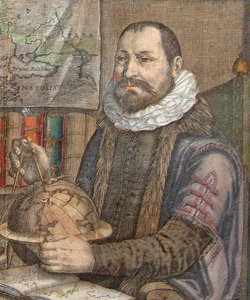
Hendrik Hondius
1573 - 1650 , Belgium
Основные сведения
- Artistic Movement Or Style: Golden Age engraving
- Artists Or Movements Influenced By This Artist: ['Netherlandish painting']
- Artists Who Influenced This Artist:
- Jan Wierix
- Hans Vredeman de Vries
- Date Of Birth: 1573
- Date Of Death: 1650
- Full Name: Hendrik Hondius I
- Nationality: Dutch
- Notable Artworks:
- Pictorum...
- Flower Piece with Birds
- William I, Prince Of Orange
- Granada And Murcia Map
- Place Of Birth: Duffel, Belgium
Похожие статьи

Топ-10 шедевров голландского барокко: искусство для вашего интерьера от ArtsDot.com
Погрузитесь в мир голландского барокко! От Рембрандта до Вермеера – 10 шедевров, изменивших искусство. Узнайте истории создания и технику великих мастеров. Репродукции картин высочайшего качества для вашего интерьера на ArtsDot.com.

Golden Age Reflections: Dutch Baroque Painting & Cultural Innovation
Explore the Dutch Golden Age of painting! Discover key artists like Vermeer & ter Borch, their innovative techniques, and the rich cultural context behind these Baroque masterpieces. Learn about collecting & appreciating this iconic art period.

Золотой век Голландии: 10 шедевров, изменивших искусство | ArtsDot.com
Погрузитесь в эпоху Золотого века Нидерландов! 10 шедевров Рембрандта, Вермеера и других мастеров. Узнайте истории создания культовых картин и вдохновитесь для интерьера. Репродукции музейного качества на ArtsDot.com.

Illuminating Realism: Exploring the Dutch Golden Age of Painting (1600-1700)
Explore the Dutch Golden Age of painting (1600-1700) with ArtsDot. Discover Rembrandt, Vermeer & other masters. Learn about techniques, history & find museum-quality reproductions.

Illuminating Innovation: Exploring the Dutch Golden Age of Painting
Explore the Dutch Golden Age of painting with ArtsDot. Discover Rembrandt, Vermeer & other Masters. Learn about key characteristics, iconic artworks, and lasting influence. Expert insights for collectors & enthusiasts.