

 Предпросмотр
 Поделиться
 Поделиться
 Детали произведения

 Скачать
 Похожие работы
 Рентгенография
 Слайд-шоу
 Статистика
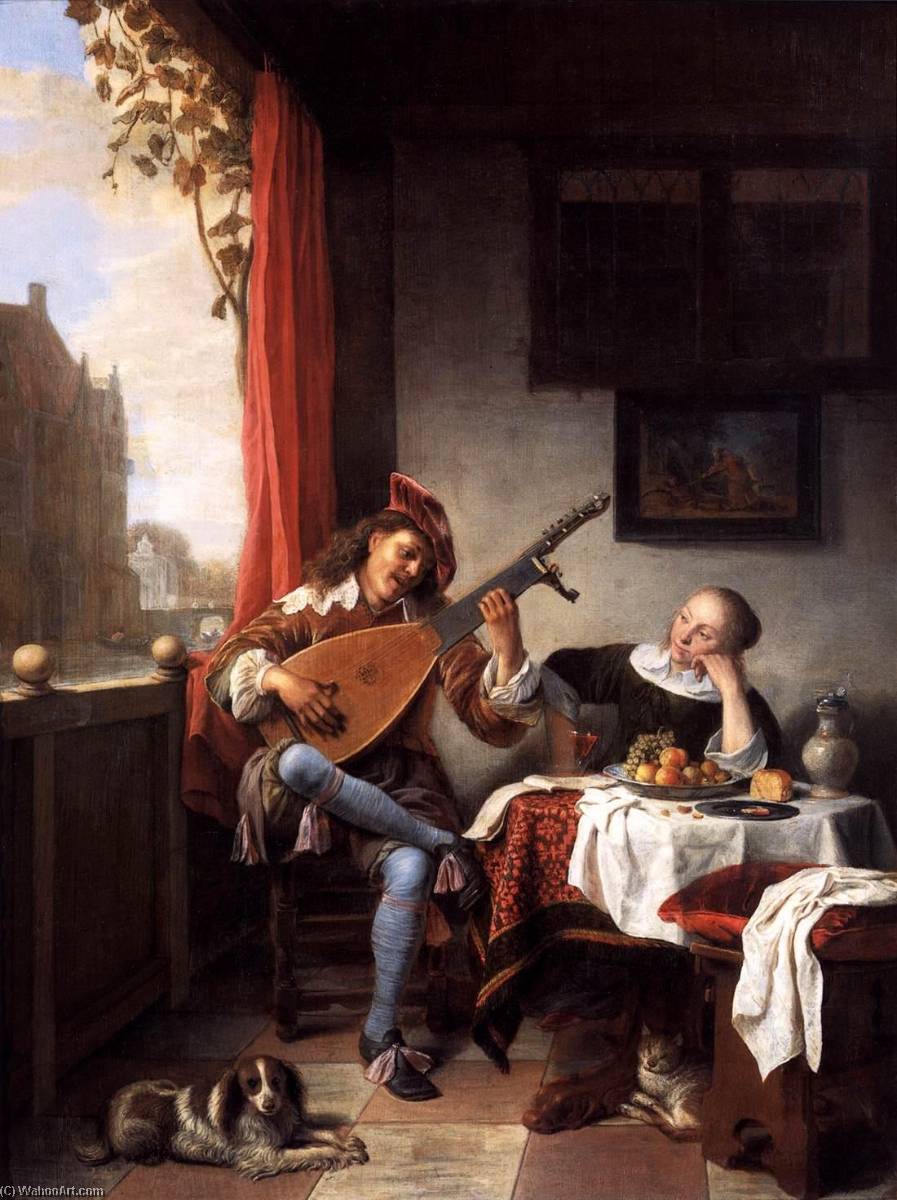
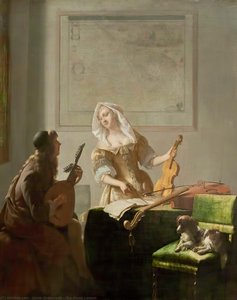
The Lute Player
 Oil On Canvas
- WallArt
- Dutch Golden Age
 1661
1661 52.0 x 39.0 cm
 Рейксмюзеум Амстердам
 Читать далее
Приобретите цифровое изображение высокого разрешения в улучшенном качестве, которое значительно превосходит онлайн-превью.
Каждый файл тщательно подготавливается нашими специалистами с использованием передовых инструментов и экспертной ручной ретуши. Мы гарантируем исключительную четкость, точную цветопередачу и детальную проработку каждого изображения.
Финальный файл доставляется по электронной почте в течение 72 часов и оптимизирован для немедленного использования в профессиональной среде, при верстке и печати. Это тот же уровень качества, которому доверяют ведущие дизайнерские студии, издательства и галереи.
Цифровое изображение
Скачайте файл высокого разрешения для личного использования, печати и творческих проектов. ( Перейти к печати Купить картину ручной работы)
Включено в каждый заказ цифровых изображений
Гарантия экспертной цифровой доставки
Выбирая ArtsDot.com, вы получаете не просто изображение — вы приобретаете профессионально обработанное цифровое произведение искусства, созданное с безупречной точностью и под защитой гарантии качества. Вот всё, что автоматически входит в ваш заказ:

Мгновенная доставка по e-mail
Ваш цифровой файл в высоком разрешении будет отправлен вам по электронной почте в течение 72 часов после оформления заказа — и сразу станет доступен для использования.

Цифровой файл с ИИ-улучшением
Ваше произведение искусства проходит профессиональную оптимизацию с использованием передовых инструментов ИИ и ручной обработки, что гарантирует максимальную детализацию, четкость и точность цветопередачи.

Бессрочная бесплатная повторная доставка
Случайно удалили или потеряли файл? Не беспокойтесь — мы отправим его вам повторно в любое время и совершенно бесплатно.

Без импортных пошлин — навсегда
Наслаждайтесь вашим произведением искусства мгновенно без таможенных пошлин, сборов или затрат на доставку — цифровые загрузки всегда не облагаются налогом.

Гарантия точности цветопередачи
Мы гарантируем, что ваше цифровое изображение максимально точно передает оригинальные цвета благодаря использованию профессиональных инструментов и систем управления цветом.

Гарантия удовлетворенности 100 дней
Если вы не будете удовлетворены своим цифровым изображением, мы внесем правки или вернем 100% стоимости в течение 100 дней — без лишних вопросов.

100% Гарантия возврата средств
Не удовлетворены покупкой? Получите полный возврат средств в течение 100 дней после получения цифрового файла — без лишних вопросов.

Скидки на оптовые заказы
Купите 3 изображения, сэкономьте 10% — Купите 5, сэкономьте 15% — Купите 10+, сэкономьте 20%. Отличное решение для творческих проектов, галерей и агентств.
A Moment of Intimacy: Hendrik Martensz Sorgh’s “The Lute Player”
Hendrik Martensz Sorgh's "The Lute Player," painted in 1661, is a captivating window into the domestic life of the Dutch Golden Age. More than just a portrait, it’s a carefully constructed tableau brimming with subtle symbolism and rendered with the meticulous realism that defined Sorgh’s oeuvre. The painting depicts a young man, likely a gentleman of leisure, serenading a reclining woman within a richly appointed room – a scene both intimate and subtly charged with unspoken emotion. It's a work that invites prolonged contemplation, revealing layers of meaning beneath its seemingly simple composition.
Sorgh’s style leans heavily into the conventions of Dutch Golden Age genre painting, particularly the tradition established by artists like Willem Buytewech. He masterfully captures the essence of everyday life, imbuing a commonplace scene with a sense of quiet dignity and refined taste. The composition is centered around the central figures, drawing the viewer’s eye to their interaction – the lute player's focused attention on his audience, and the woman’s relaxed posture suggesting either contentment or perhaps a gentle melancholy. The inclusion of a dog and cat adds a touch of domestic charm, reinforcing the feeling of a lived-in space, a comfortable haven from the outside world.
A Symphony of Detail: Technique and Materials
Sorgh’s technical skill is immediately apparent in the painting's remarkable detail. Every element – from the folds of the woman’s gown to the intricate carvings on the wooden furniture – is rendered with painstaking precision. The artist employs a linear approach, defining architectural elements and clothing through carefully drawn lines, while shapes are largely organic, mirroring the forms of the figures and their surroundings. Brushstrokes create textures that lend a remarkable sense of materiality; one can almost feel the plushness of the fabrics, the smoothness of the wood, and the warmth radiating from the hearth (implied by the warm lighting).
The use of light is particularly noteworthy. It’s directional, originating from an unseen window on the left, casting dramatic shadows that enhance the three-dimensionality of the scene. This chiaroscuro effect – a hallmark of Caravaggio's style – adds depth and drama to the composition, guiding the viewer’s eye and emphasizing key elements. Sorgh skillfully utilizes layering and glazing techniques, building up color gradually to achieve luminosity and richness in his palette. The predominant colors are warm earth tones—browns, ochres, and reds—creating a cozy and inviting atmosphere that speaks to the comforts of home.
Symbolism and Narrative
Beyond its technical brilliance, “The Lute Player” is rich in symbolic meaning. The lute itself represents music, leisure, and refined taste – qualities highly valued within Dutch society during the 17th century. The woman’s reclining pose suggests a state of relaxation or perhaps even languor, hinting at a world beyond the immediate concerns of daily life. Her slightly drowsy expression adds an element of mystery to her demeanor.
The presence of the dog and cat further enriches the narrative. They represent companionship and loyalty, reinforcing the sense of domestic harmony within the scene. Some art historians have suggested that the painting may allude to the classical myth of Pyramus and Thisbe, whose tragic love story was often depicted with musical instruments – a subtle nod to the romantic themes at play. The overall impression is one of quiet intimacy, a moment captured in time—a testament to the beauty of domestic life and the power of music to evoke emotion.
Historical Context and Artistic Legacy
Painted in 1661, “The Lute Player” reflects the flourishing artistic climate of the Dutch Golden Age. This period witnessed an unprecedented surge in wealth and prosperity, fueling a demand for art that celebrated both everyday life and classical ideals. Hendrik Martensz Sorgh was a prominent figure within this artistic landscape, known for his intimate genre scenes and meticulous attention to detail. His work stands as a testament to the enduring appeal of realism and the ability of art to capture the essence of human experience.
Sorgh’s legacy extends beyond his individual works; he helped shape the development of Dutch Golden Age painting, influencing generations of artists with his masterful technique and insightful portrayals of domestic life. Reproductions of “The Lute Player” continue to be appreciated for their beauty, detail, and evocative atmosphere – offering a glimpse into a bygone era and reminding us of the timeless appeal of art that speaks to the heart.
Похожие произведения



Биография художника
Michelangelo Merisi da Caravaggio: A Revolutionary of Light and Shadow
Michelangelo Merisi, more famously known as Caravaggio, remains one of the most compelling and controversial figures in art history. Born in Milan in 1571, his life was a whirlwind of dramatic events—a rebellious youth, a brief but intense career marked by both extraordinary talent and shocking behavior, and an untimely death at the age of thirty-nine. His legacy lies not just in the breathtaking beauty of his paintings, but also in the radical departure he made from established artistic conventions, forever altering the course of European art. Caravaggio’s impact continues to resonate today, influencing generations of artists with his innovative use of light, dramatic realism, and emotionally charged depictions of biblical and mythological subjects.Early Life and Artistic Training
Caravaggio's early life remains somewhat shrouded in mystery. He was born into a family of artists – his father was a minor Milanese court painter – and received some initial training in the techniques of oil painting. However, it wasn’t until he moved to Rome in 1592 at the age of twenty-one that his artistic journey truly began. Rome, then the epicenter of European art, proved an irresistible magnet for young artists eager to study its classical architecture and admire the works of masters like Raphael and Titian. Initially struggling to find work, Caravaggio quickly established himself as a specialist in still lifes – vibrant arrangements of fruits and flowers – and later, half-length figures, selling his paintings on the streets of Rome. This early period demonstrates a keen eye for detail and an emerging understanding of composition, though it was far removed from the dramatic intensity that would characterize his later work.The Revolutionary Technique: Light and Drama
Caravaggio’s artistic breakthrough stemmed from a radical departure in technique and subject matter. He abandoned the traditional methods of preparatory sketches and carefully rendered backgrounds favored by many of his contemporaries. Instead, he worked directly onto the canvas with loose brushstrokes, often applying paint with his fingers. Crucially, he employed a dramatic use of *chiaroscuro* – the stark contrast between light and dark – to create an unprecedented sense of immediacy and realism. Caravaggio pushed the figures up against the picture plane, as if they were stepping out of the painting and into the viewer’s space. He used light not merely to illuminate, but to sculpt form, heighten emotion, and draw attention to key elements within his compositions. This technique, inspired by contemporary theater, transformed religious scenes into powerful dramas, imbued with a sense of everyday life and human vulnerability.Controversy and Exile
Caravaggio’s success was inevitably accompanied by controversy. His depictions of biblical figures in contemporary dress, his unflinching portrayal of human flaws, and his often-violent scenes challenged the idealized representations prevalent in Renaissance art. He had a reputation for arrogance, impulsiveness, and a volatile temper, engaging in numerous brawls and acts of violence – including slashing a rival’s cloak, throwing an artichoke at a waiter, and even assaulting a police officer. In 1606, his life took a tragic turn when he was involved in a deadly duel with a young man, resulting in the man's death. Rather than face justice, Caravaggio fled Rome, seeking refuge in Naples, Malta, and Sicily.Later Years and Legacy
During his time in Malta, Caravaggio secured membership to the Knights of St. John by painting *The Beheading of Saint John the Baptist*. However, his temper flared again, leading to a prison sentence and eventual expulsion from the order. He returned to Naples and continued to paint, though his style evolved somewhat. In 1609, he suffered an injury that left him permanently scarred, further contributing to his sense of isolation and despair. Caravaggio died in Porto Ercole, Italy, in 1610, at the young age of thirty-nine, leaving behind a remarkably small but profoundly influential body of work. His followers, known as the Caravaggisti, spread his techniques throughout Europe, shaping the development of Baroque painting for centuries to come. Caravaggio’s legacy endures not only in the beauty and drama of his paintings, but also in his revolutionary approach to art – a bold assertion that painting could be a direct engagement with reality, imbued with emotion and immediacy. His work continues to captivate viewers today, reminding us of the power of light, shadow, and human experience.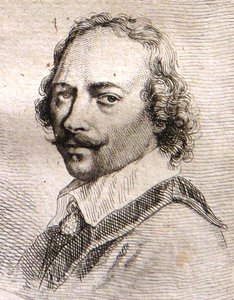
hendrik martensz sorgh
1610 - 1670
Основные сведения
- Artistic Movement Or Style: Caravaggism
- Artists Or Movements Influenced By This Artist: ['Baroque']
- Artists Who Influenced This Artist: ['Leonardo da Vinci']
- Date Of Birth: 1571
- Date Of Death: 1610
- Full Name: Michelangelo Merisi da Caravaggio
- Nationality: Italian
- Notable Artworks:
- The Calling of Saint Matthew
- Supper at Emmaus
- David and Goliath
- Place Of Birth: Milan, Lombardy