

 Поделиться
 Поделиться
 Детали произведения

 Скачать
 Похожие работы
 Слайд-шоу
 Статистика
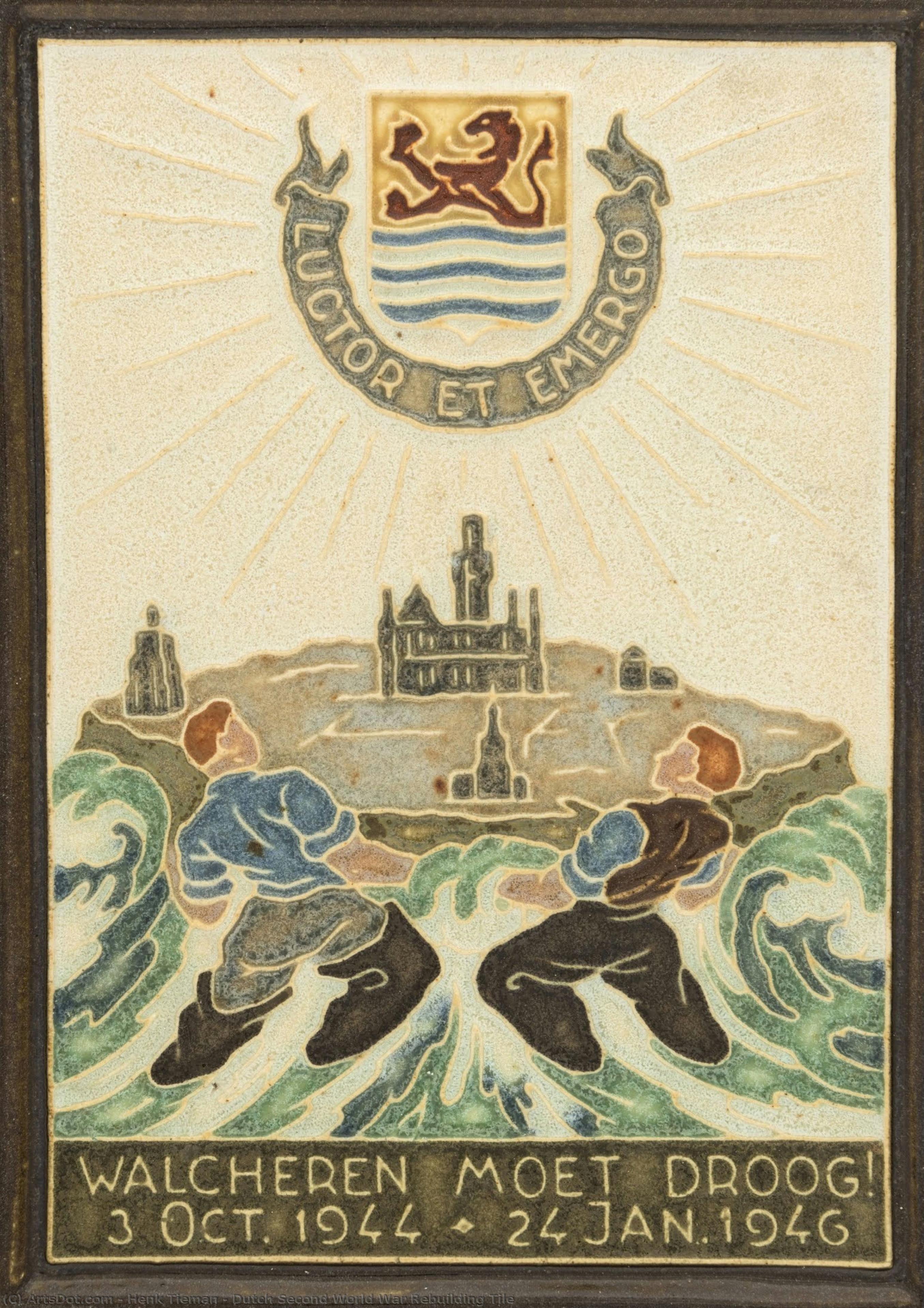
Dutch Second World War Rebuilding Tile
 Ceramic
- Sculpture
 1946
1946- Modern
 19.0 x 14.0 cm
 University of Pretoria Museums
 Читать далее
Жикле / Арт-принт
Печать (жикле) или холст музейного качества с быстрыми сроками изготовления и широким выбором вариантов отделки. ( Купить картину ручной работы Перейти к цифровым изображениям)




































Выберите один из наших стандартных размеров, соответствующих оригинальным пропорциям произведения искусства.

Вы можете указать свои собственные размеры, чтобы репродукция идеально подошла под конкретную раму или пространство. Если выбранный вами размер не будет соответствовать пропорциям оригинала, мы либо обрежем произведение, либо дополним изображение зеркальным отражением краев или однотонной заливкой. Перед началом производства вам будет отправлен цифровой макет для утверждения.
Пожалуйста, обратите внимание, что предварительный просмотр на экране не отображает фактическую обрезку или расширение изображения. Только макет точно покажет финальную композицию.
Несмотря на возможность заказа индивидуальных размеров, мы рекомендуем выбирать размер из предопределенного списка, чтобы сохранить оригинальные пропорции.
Доставка по всему миру () за 2 недели вместо стандартных 4/5 недель. (11 Сентябрь)

Бесплатная экспресс-доставка по всему миру

Высококачественный льняной холст

Полное страхование доставки

Гарантия возмещения таможенных пошлин

Гарантия точного соответствия цветов

100-дневная политика возврата (только при обнаружении дефектов)

Гарантия возврата 100% средств

Предложение оптовых скидок
 Вариант со стеклом доступен только для размеров менее 110 см

Dutch Second World War Rebuilding Tile
Жикле / Арт-принт
Размер репродукции
-


Итоговая стоимость
$ 62
Похожие произведения
![Wreath Of Laurel, Palm, And Juniper With A Scroll Inscribed Virtutem Forma Decorat [reverse] — Леонардо Да Винчи, Renaissance](/media/artworks/images-thumb/3a/3b/3a3bf5b440f24b425028e0c2d5d816b0.jpg)


Биография художника
A Legacy Etched in Ceramic: The Story of Henk Tieman
Henk Tieman, a Dutch artist whose name may not be widely celebrated but whose work speaks volumes about resilience and remembrance, emerged from the shadows of World War II to create powerfully evocative ceramic tiles. Born in 1921, his life unfolded against a backdrop of immense upheaval and subsequent rebuilding, experiences that profoundly shaped his artistic vision. While biographical details remain scarce—a testament perhaps to the humble nature of the artist himself—the impact of his most recognized work, the ‘Dutch WWII Rebuilding Tiles,’ is undeniable. These are not merely decorative objects; they are poignant historical documents rendered in clay, offering a unique perspective on a nation’s recovery and the often-unsung contributions of its people.Wartime Echoes and Artistic Beginnings
The Netherlands during World War II endured brutal occupation and widespread devastation. It was a period that left an indelible mark on the collective psyche, and for artists like Tieman, it became both a source of trauma and inspiration. The precise details of Tieman’s early life and artistic training remain elusive; however, his choice of medium—ceramic—suggests a connection to traditional Dutch craftsmanship. Ceramic production had deep roots in the Netherlands, particularly in regions like Delft, renowned for its iconic blue-and-white pottery. It is plausible that Tieman drew upon this heritage, adapting it to express the urgent realities of his time. The tiles themselves were created in 1946, immediately following the liberation, indicating a deliberate and timely response to the war’s conclusion. This wasn't art born from detached observation but from lived experience—a visceral need to commemorate and honor those who had suffered and rebuilt.The ‘Dutch WWII Rebuilding Tiles’: A Symbol of Collective Effort
Tieman is best known for a series of ceramic tiles commissioned to depict the arduous process of rebuilding the Netherlands after the war. These weren’t grand monuments or sweeping landscapes, but intimate scenes focusing on the everyday heroes: women clearing rubble, families returning to their homes, and communities working together to restore infrastructure. The tiles are remarkable for their realism—they don't glorify war, nor do they shy away from its harsh consequences. Instead, they present a grounded portrayal of human endurance and collective effort. The ‘Dutch WWII Tile honoring women’, in particular, stands out as a powerful tribute to the often-overlooked contributions of women during wartime and reconstruction. The tiles were intended not for museums or galleries but for inclusion in buildings being rebuilt—a deliberate act of embedding remembrance into the fabric of daily life.Style and Influences
Pinpointing Tieman’s artistic style proves challenging, as his known body of work is relatively limited. However, a sense of social realism permeates his tiles—a focus on depicting ordinary people and their struggles with honesty and empathy. While not overtly aligned with any specific art movement, one can detect echoes of post-war European art that sought to grapple with the trauma of conflict and the need for social renewal. The simplicity of form and directness of expression suggest a rejection of elaborate ornamentation in favor of conveying raw emotion and historical truth. His work shares affinities with documentary photography and neorealist cinema—art forms that prioritized authenticity over aesthetic refinement.Historical Significance and Enduring Legacy
Henk Tieman’s legacy lies not in prolific output but in the profound impact of his ‘Dutch WWII Rebuilding Tiles.’ These tiles serve as a powerful reminder of the human cost of war and the importance of collective memory. They offer a unique counterpoint to more conventional depictions of wartime heroism, focusing instead on the quiet resilience of ordinary citizens. Today, these tiles are increasingly recognized for their historical significance, appearing in auctions and private collections. While Tieman himself remained largely out of the public eye, his work continues to resonate with audiences, offering a poignant glimpse into a pivotal moment in Dutch history—a testament to the enduring power of art to bear witness and inspire hope. His tiles are not just artifacts; they are fragments of a nation’s soul, etched in ceramic for generations to come.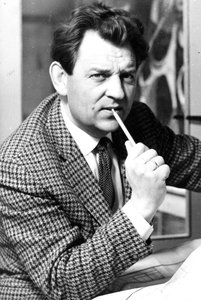
henk tieman
Netherlands
Основные сведения
- Date Of Death: Living
- Full Name: Henk Tieman
- Nationality: Dutch
- Notable Artworks: ['Dutch WWII Tile honoring women']
- Place Of Birth: Netherlands
Похожие статьи
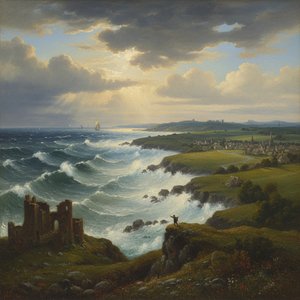
Clarkson Frederick Stanfield: Navigating Romantic Visions of Sea, Land & British Imagination
Explore the dramatic seascapes & landscapes of Clarkson Frederick Stanfield (1793-1867). Discover his life, art, and lasting influence on British Romanticism. Acquire stunning reproductions at ArtsDot.

Джон Констебль: 25 шедевров английского пейзажа для вашего интерьера
Погрузитесь в мир английского пейзажа с Джоном Констеблом! 25 шедевров романтизма, история создания картин и вдохновение для вашего интерьера. Репродукции высокого качества на ArtsDot.com – искусство для ценителей.
Восхождение женского художественного творчества: исторический анализ и современные тенденции
Исследуйте историю и современные тенденции женского искусства. Анализ творчества художниц, инвестиции в искусство и коллекционирование. Экспертный взгляд на роль женщины в мире живописи и скульптуры.
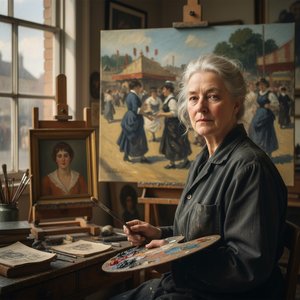
Dame Laura Knight: Reclaiming the Female Gaze in Modern British Art
Explore the life & work of Dame Laura Knight, a pioneering British artist who challenged conventions with her vibrant depictions of theatre, ballet, and wartime scenes. Discover her feminist legacy & artistic innovations.
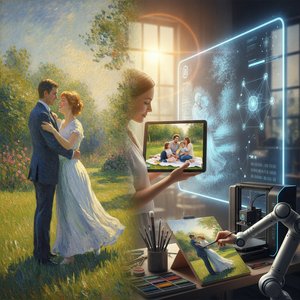
Возрождение мимолетных мгновений: Преобразите личные фотографии в шедевры импрессионизма с ArtsDot
Превратите ваши любимые фотографии в уникальные шедевры импрессионизма с ArtsDot! Ручная роспись маслом, высокое качество, персонализация и гарантия удовлетворенности. Создайте вечное наследие для вашей семьи!