 Предпросмотр
 Поделиться
 Поделиться
 Детали произведения

 Скачать
 Похожие работы
 Рентгенография
 Слайд-шоу
 Статистика
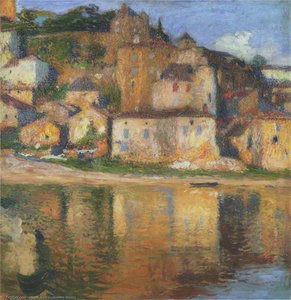
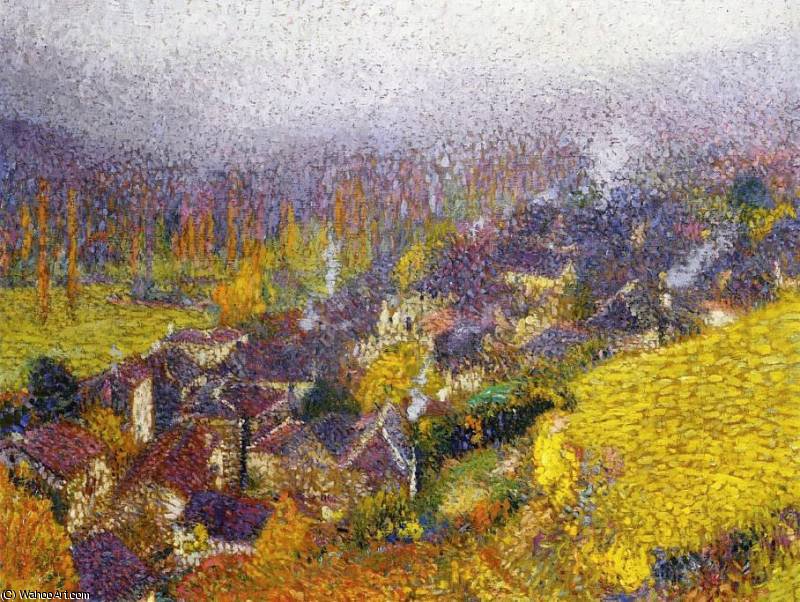
Autumn over Labastide du Vert


 Читать далее
Жикле / Арт-принт
Печать (жикле) или холст музейного качества с быстрыми сроками изготовления и широким выбором вариантов отделки. ( Купить картину ручной работы Перейти к цифровым изображениям)




































Выберите один из наших стандартных размеров, соответствующих оригинальным пропорциям произведения искусства.

Вы можете указать свои собственные размеры, чтобы репродукция идеально подошла под конкретную раму или пространство. Если выбранный вами размер не будет соответствовать пропорциям оригинала, мы либо обрежем произведение, либо дополним изображение зеркальным отражением краев или однотонной заливкой. Перед началом производства вам будет отправлен цифровой макет для утверждения.
Пожалуйста, обратите внимание, что предварительный просмотр на экране не отображает фактическую обрезку или расширение изображения. Только макет точно покажет финальную композицию.
Несмотря на возможность заказа индивидуальных размеров, мы рекомендуем выбирать размер из предопределенного списка, чтобы сохранить оригинальные пропорции.
Доставка по всему миру () за 2 недели вместо стандартных 4/5 недель. (13 Сентябрь)

Бесплатная экспресс-доставка по всему миру

Высококачественный льняной холст

Полное страхование доставки

Гарантия возмещения таможенных пошлин

Гарантия точного соответствия цветов

100-дневная политика возврата (только при обнаружении дефектов)

Гарантия возврата 100% средств

Предложение оптовых скидок
 Вариант со стеклом доступен только для размеров менее 110 см

Autumn over Labastide du Vert
Жикле / Арт-принт
Размер репродукции
-


Итоговая стоимость
$ 62
A Golden Embrace: "Autumn over Labastide du Vert" by Henri Jean Guillaume Martin
Step into a tranquil moment captured in time with Henri Jean Guillaume Martin’s “Autumn over Labastide du Vert,” painted in 1920. This captivating landscape transports the viewer to a picturesque French village nestled within rolling hills, bathed in the warm hues of autumn. The scene is dominated by a hillside ablaze with yellow foliage, a testament to the season's vibrant beauty. Scattered amongst the trees are charming houses, some punctuated by striking red accents that create a delightful visual contrast against the golden backdrop. A train quietly traverses the countryside, adding a touch of modernity and movement to this otherwise serene vista. The presence of figures subtly engaged in daily life further grounds the scene in reality, evoking a sense of community and timelessness.Impressionistic Technique & Artistic Influences
Martin’s style firmly places him within the Impressionist tradition, though his work also reveals influences from Pointillism and Symbolism. He masterfully employs broken brushstrokes and a luminous palette to capture the fleeting effects of light and atmosphere. Notice how he doesn't blend colors completely; instead, allowing them to mix optically in the viewer’s eye, creating a shimmering effect that is characteristic of Impressionism. Martin’s training under Jules Garipuy at the Toulouse School of Fine Arts and later with Jean-Paul Laurens in Paris provided him with a strong foundation in classical techniques while simultaneously exposing him to avant-garde movements shaping the artistic landscape of his time. His work reflects an appreciation for Italian Renaissance masters, evident in the composition's balance and harmonious color relationships.A Glimpse into Rural Life & Historical Context
Painted in 1920, "Autumn over Labastide du Vert" offers a window into post-World War I France – a period of rebuilding and renewed appreciation for the simple pleasures of life. The inclusion of the train subtly acknowledges the burgeoning industrial age while simultaneously celebrating the enduring beauty of rural landscapes. Labastide du Vert itself is a real village in southwestern France, lending authenticity to Martin’s depiction. This painting isn't merely a scenic view; it's a document of a specific time and place, reflecting a desire for tranquility and connection with nature amidst societal change.Emotional Resonance & Decorative Appeal
Beyond its technical brilliance and historical significance, "Autumn over Labastide du Vert" evokes a profound sense of peace and nostalgia. The warm color palette and gentle composition create an atmosphere of quiet contemplation, inviting the viewer to pause and appreciate the beauty of the natural world. This artwork is ideal for interior designers seeking to infuse spaces with warmth, sophistication, and a touch of French charm. Its harmonious colors complement a wide range of décor styles, from traditional to contemporary, making it a versatile addition to any home or office. The painting’s gentle subject matter and inviting atmosphere make it particularly well-suited for bedrooms, living rooms, or studies – spaces designed for relaxation and reflection.Похожие произведения
Биография художника
A Toulouse Son: The Life and Art of Henri Jean Guillaume Martin
Henri Jean Guillaume Martin, born on August 5th, 1860, in the vibrant heart of Toulouse, was a pivotal figure who navigated the shifting currents between Impressionism and Symbolism, ultimately establishing himself as a distinctive voice within early Pointillism. His story is one woven with threads of familial encouragement, rigorous artistic training, and an unwavering commitment to capturing not just appearances but the very essence of light, color, and emotion. Initially nurtured by his father, a skilled cabinet maker who recognized his son’s innate talent, Martin's artistic aspirations were met with surprising support—a rare occurrence for the time. This early encouragement proved to be the bedrock upon which he built his extraordinary career.Early Years and Academic Foundations
Martin’s formal artistic journey began at the Toulouse School of Fine Arts in 1877, under the tutelage of Jules Garipuy—a respected figure known for his grounding in classical techniques. This initial training provided him with a solid foundation in drawing, composition, and color theory. However, Martin's ambition extended beyond mere academic proficiency. He sought to broaden his horizons and honed his skills further in Paris, where he entered the studio of Jean-Paul Laurens—a renowned teacher known for his diverse influences and ability to guide students toward their individual styles. This period was crucial; it exposed him to a wider range of artistic approaches and helped him develop a more nuanced understanding of painting’s possibilities. His early successes at the Paris Salon in 1886, culminating in a prestigious scholarship for an Italian tour in 1887, signaled his rising talent and established him as a promising young artist.The Transformative Journey to Italy
The Italian sojourn proved to be a watershed moment in Martin’s artistic development. Immersed in the works of Renaissance masters like Giotto and Masaccio—artists who had mastered the use of color, perspective, and emotional expression—Martin experienced a profound shift in his aesthetic sensibilities. He developed an unprecedented appreciation for composition, form, and the expressive power of color, moving away from the strict conventions of academic painting. Crucially, Italy sparked a desire to capture fleeting moments of light – a key element that would become central to his distinctive style. This experience wasn’t merely about studying old masters; it was about rediscovering the fundamental principles of art and applying them in a new and personal way.Embracing Pointillism and Symbolist Influences
Upon his return to Paris, Martin began experimenting with innovative techniques, ultimately embracing the principles of Pointillism—a method championed by Seurat and Signac. However, unlike some of his contemporaries who viewed Pointillism as a purely scientific exercise, Martin infused it with his own poetic sensibility. He didn’t simply apply dots of color; he used them to create shimmering effects of light and atmosphere, evoking a sense of depth, movement, and emotional resonance. Simultaneously, he remained deeply influenced by Symbolism—a movement that sought to express inner emotions and ideas through evocative imagery. This dual influence is evident in his work, which often combines the precision of Pointillism with the dreamlike quality of Symbolist art. His association with Puvis de Chavannes, a key figure in the Symbolist movement, further solidified this connection.Public Commissions and Lasting Legacy
Throughout his career, Henri Martin received numerous prestigious commissions—decorating significant public spaces such as the Salle de l'Assemblée générale in the Palais-Royal, the Élysée Palace, the Sorbonne, and the Hôtel de Ville in Paris. These projects not only showcased his artistic skill but also cemented his position as a leading figure in French art. He was awarded the Légion d’honneur—France’s highest order of merit—in 1917, recognizing his contributions to the nation's cultural heritage. Martin spent his final years in Labastide-du-Vert, near Cahors, where he continued to paint until his death in 1943. His work is now celebrated in museums across France and beyond, including the Musée des Beaux-Arts de Bordeaux, the Musée d’Orsay, and the Thyssen-Bornemisza Museum. Henri Jean Guillaume Martin's legacy endures as a testament to the power of artistic vision, technical innovation, and a deep connection to the beauty of the natural world. His paintings continue to inspire viewers with their luminous quality, evocative atmosphere, and profound emotional depth.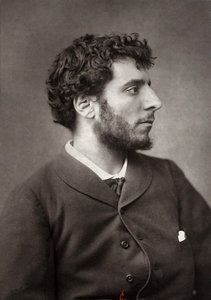
Henri Jean Guillaume Martin
1860 - 1860 , Франция
Основные сведения
- Artistic Movement Or Style: Импрессионизм, Постимпрессионизм
- Artists Or Movements Influenced By This Artist: ['Нелли Э Ellen Shepherd']
- Artists Who Influenced This Artist:
- Джотто
- Мазаччо
- Пувиз де Шаванн
- Date Of Birth: 5 августа 1860
- Date Of Death: 12 ноября 1943
- Full Name: Henri Jean Guillaume Martin
- Nationality: Француз
- Notable Artworks:
- Пейзаж с парой
- Гладиолы
- Пейзаж с козой
- Place Of Birth: Тулуза, Франция
Похожие статьи

Cultivating Visions: A Historical Journey Through Rural Landscapes in Art
Explore the rich history of rural landscape painting with ArtsDot. Discover Impressionist masterpieces, key artists & movements. Find your perfect serene artwork and bring nature's beauty home.
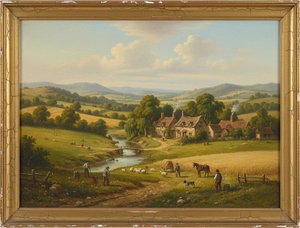
Evocations of Rural Life: A Historical Journey Through Landscape Painting
Explore the rich history of rural life in painting! Discover Impressionist masterpieces, Italian Macchiaioli scenes & the enduring appeal of pastoral landscapes. Find your perfect artwork at ArtsDot.
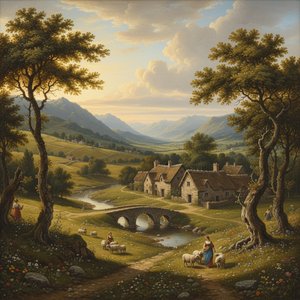
Evoking Arcadia: A Historical & Aesthetic Exploration of Rural Landscape Art
Explore the rich history of pastoral landscape art, from classical Arcadia to Impressionism & beyond. Discover key artists, movements, and how to collect serene rural scenes for your home. Expert insights at ArtsDot.

25 Шедевров Поля Сезанна: Открывая Новую Эру в Искусстве | ArtsDot
Откройте для себя 25 величайших шедевров Поля Сезанна! Узнайте истории создания картин импрессионизма и постимпрессионизма, технику художника и вдохновение для вашего интерьера. Репродукции картин Сезанна высокого качества на ArtsDot.com.

Джон Констебль: 25 шедевров английского пейзажа для вашего интерьера
Погрузитесь в мир английского пейзажа с Джоном Констеблом! 25 шедевров романтизма, история создания картин и вдохновение для вашего интерьера. Репродукции высокого качества на ArtsDot.com – искусство для ценителей.