


 Предпросмотр
 Поделиться
 Поделиться
 Детали произведения

 Скачать
 Похожие работы
 Рентгенография
 Слайд-шоу
 Статистика
La Tonelle de L'Angle Nord-Ouest du Parc de Marquayrol
 Oil On Canvas
- WallArt
- Pointillism
 1910
1910- Modern
 83.0 x 106.0 cm
 Читать далее
Приобретите цифровое изображение высокого разрешения в улучшенном качестве, которое значительно превосходит онлайн-превью.
Каждый файл тщательно подготавливается нашими специалистами с использованием передовых инструментов и экспертной ручной ретуши. Мы гарантируем исключительную четкость, точную цветопередачу и детальную проработку каждого изображения.
Финальный файл доставляется по электронной почте в течение 72 часов и оптимизирован для немедленного использования в профессиональной среде, при верстке и печати. Это тот же уровень качества, которому доверяют ведущие дизайнерские студии, издательства и галереи.
Цифровое изображение
Скачайте файл высокого разрешения для личного использования, печати и творческих проектов. ( Перейти к печати Купить картину ручной работы)
Включено в каждый заказ цифровых изображений
Гарантия экспертной цифровой доставки
Выбирая ArtsDot.com, вы получаете не просто изображение — вы приобретаете профессионально обработанное цифровое произведение искусства, созданное с безупречной точностью и под защитой гарантии качества. Вот всё, что автоматически входит в ваш заказ:

Мгновенная доставка по e-mail
Ваш цифровой файл в высоком разрешении будет отправлен вам по электронной почте в течение 72 часов после оформления заказа — и сразу станет доступен для использования.

Цифровой файл с ИИ-улучшением
Ваше произведение искусства проходит профессиональную оптимизацию с использованием передовых инструментов ИИ и ручной обработки, что гарантирует максимальную детализацию, четкость и точность цветопередачи.

Бессрочная бесплатная повторная доставка
Случайно удалили или потеряли файл? Не беспокойтесь — мы отправим его вам повторно в любое время и совершенно бесплатно.

Без импортных пошлин — навсегда
Наслаждайтесь вашим произведением искусства мгновенно без таможенных пошлин, сборов или затрат на доставку — цифровые загрузки всегда не облагаются налогом.

Гарантия точности цветопередачи
Мы гарантируем, что ваше цифровое изображение максимально точно передает оригинальные цвета благодаря использованию профессиональных инструментов и систем управления цветом.

Гарантия удовлетворенности 100 дней
Если вы не будете удовлетворены своим цифровым изображением, мы внесем правки или вернем 100% стоимости в течение 100 дней — без лишних вопросов.

100% Гарантия возврата средств
Не удовлетворены покупкой? Получите полный возврат средств в течение 100 дней после получения цифрового файла — без лишних вопросов.

Скидки на оптовые заказы
Купите 3 изображения, сэкономьте 10% — Купите 5, сэкономьте 15% — Купите 10+, сэкономьте 20%. Отличное решение для творческих проектов, галерей и агентств.
La Tonelle de L'Angle Nord-Ouest du Parc de Marquayrol: A Pointillist Garden Retreat
Henri Jean Guillaume Martin’s La Tonelle de L'Angle Nord-Ouest du Parc de Marquayrol, painted in 1910, offers a tranquil glimpse into the artist’s personal paradise. This oil on canvas (83 x 106 cm) exemplifies Martin’s mastery of Pointillism and his ability to evoke serenity through color and light. The painting depicts a shaded arbor within the gardens of Marquayrol, Martin's cherished estate, showcasing a scene of quiet contemplation and natural beauty.
Composition and Technique: A Mosaic of Light
The artwork’s focal point is undoubtedly the pergola itself, draped with lush vines that create a dappled shade below. This arbor serves as a visual anchor within a meticulously arranged garden setting. Strategically placed potted plants contribute to the overall sense of abundance and flourishing life. Scattered vases, resting on tables or benches, add touches of domesticity and refinement. Chairs positioned invitingly suggest moments of relaxation and enjoyment. A figure is subtly present in the background, further enhancing the feeling of peaceful solitude. Martin’s signature Pointillist technique is brilliantly displayed; he meticulously applied countless tiny dots of pure color to build up the image. This method creates a luminous effect, where colors blend optically rather than being physically mixed on the palette. The result is a vibrant and textured surface that captures the play of light with remarkable accuracy.
Artistic Style and Influences: Pointillism and Symbolism
Henri Jean Guillaume Martin’s artistic style aligns strongly with Post-Impressionism, particularly the technique of Pointillism pioneered by Georges Seurat. However, Martin's work also carries a distinct sense of tranquility and dreaminess that sets it apart. Unlike Seurat’s often more scientific approach to color theory, Martin uses Pointillism to create an atmosphere of gentle beauty and quiet contemplation. His palette is characterized by soft, harmonious colors—gentle greens, purples, whites, and blues—which contribute to the overall sense of calm. While influenced by Symbolist aesthetics, Martin’s focus remains firmly on capturing the sensory experience of nature. He sought not just to represent what he saw but also to convey the feeling of being immersed in a beautiful garden.
Historical Context and Significance: Gardens as Inspiration
La Tonelle de L'Angle Nord-Ouest du Parc de Marquayrol is part of a series of works Martin created depicting scenes from his own gardens at Marquayrol. These gardens became a lifelong source of inspiration for the artist, providing him with a personal sanctuary and a subject that allowed him to explore his artistic vision. The painting reflects a broader trend in late 19th and early 20th-century art towards capturing intimate moments of leisure and appreciation for nature. Martin’s work resonates with a desire for escape from the rapidly industrializing world, offering viewers a glimpse into a tranquil and idyllic setting.
Symbolism and Emotional Impact: A Sanctuary of Serenity
Beyond its aesthetic appeal, La Tonelle de L'Angle Nord-Ouest du Parc de Marquayrol carries symbolic weight. The garden itself represents a sanctuary—a place of peace, growth, and renewal. The pergola, with its sheltering vines, symbolizes protection and refuge. The carefully arranged plants and flowers evoke themes of abundance, beauty, and the cyclical nature of life. Ultimately, the painting invites viewers to pause, reflect, and appreciate the simple pleasures of nature. It is a testament to Martin’s ability to capture not just the visual appearance of a garden but also its emotional essence—a feeling of quiet joy and profound serenity.
Other Works by Henri Jean Guillaume Martin
Похожие произведения
Биография художника
A Toulouse Son: The Life and Art of Henri Jean Guillaume Martin
Henri Jean Guillaume Martin, born on August 5th, 1860, in the vibrant heart of Toulouse, was a pivotal figure who navigated the shifting currents between Impressionism and Symbolism, ultimately establishing himself as a distinctive voice within early Pointillism. His story is one woven with threads of familial encouragement, rigorous artistic training, and an unwavering commitment to capturing not just appearances but the very essence of light, color, and emotion. Initially nurtured by his father, a skilled cabinet maker who recognized his son’s innate talent, Martin's artistic aspirations were met with surprising support—a rare occurrence for the time. This early encouragement proved to be the bedrock upon which he built his extraordinary career.Early Years and Academic Foundations
Martin’s formal artistic journey began at the Toulouse School of Fine Arts in 1877, under the tutelage of Jules Garipuy—a respected figure known for his grounding in classical techniques. This initial training provided him with a solid foundation in drawing, composition, and color theory. However, Martin's ambition extended beyond mere academic proficiency. He sought to broaden his horizons and honed his skills further in Paris, where he entered the studio of Jean-Paul Laurens—a renowned teacher known for his diverse influences and ability to guide students toward their individual styles. This period was crucial; it exposed him to a wider range of artistic approaches and helped him develop a more nuanced understanding of painting’s possibilities. His early successes at the Paris Salon in 1886, culminating in a prestigious scholarship for an Italian tour in 1887, signaled his rising talent and established him as a promising young artist.The Transformative Journey to Italy
The Italian sojourn proved to be a watershed moment in Martin’s artistic development. Immersed in the works of Renaissance masters like Giotto and Masaccio—artists who had mastered the use of color, perspective, and emotional expression—Martin experienced a profound shift in his aesthetic sensibilities. He developed an unprecedented appreciation for composition, form, and the expressive power of color, moving away from the strict conventions of academic painting. Crucially, Italy sparked a desire to capture fleeting moments of light – a key element that would become central to his distinctive style. This experience wasn’t merely about studying old masters; it was about rediscovering the fundamental principles of art and applying them in a new and personal way.Embracing Pointillism and Symbolist Influences
Upon his return to Paris, Martin began experimenting with innovative techniques, ultimately embracing the principles of Pointillism—a method championed by Seurat and Signac. However, unlike some of his contemporaries who viewed Pointillism as a purely scientific exercise, Martin infused it with his own poetic sensibility. He didn’t simply apply dots of color; he used them to create shimmering effects of light and atmosphere, evoking a sense of depth, movement, and emotional resonance. Simultaneously, he remained deeply influenced by Symbolism—a movement that sought to express inner emotions and ideas through evocative imagery. This dual influence is evident in his work, which often combines the precision of Pointillism with the dreamlike quality of Symbolist art. His association with Puvis de Chavannes, a key figure in the Symbolist movement, further solidified this connection.Public Commissions and Lasting Legacy
Throughout his career, Henri Martin received numerous prestigious commissions—decorating significant public spaces such as the Salle de l'Assemblée générale in the Palais-Royal, the Élysée Palace, the Sorbonne, and the Hôtel de Ville in Paris. These projects not only showcased his artistic skill but also cemented his position as a leading figure in French art. He was awarded the Légion d’honneur—France’s highest order of merit—in 1917, recognizing his contributions to the nation's cultural heritage. Martin spent his final years in Labastide-du-Vert, near Cahors, where he continued to paint until his death in 1943. His work is now celebrated in museums across France and beyond, including the Musée des Beaux-Arts de Bordeaux, the Musée d’Orsay, and the Thyssen-Bornemisza Museum. Henri Jean Guillaume Martin's legacy endures as a testament to the power of artistic vision, technical innovation, and a deep connection to the beauty of the natural world. His paintings continue to inspire viewers with their luminous quality, evocative atmosphere, and profound emotional depth.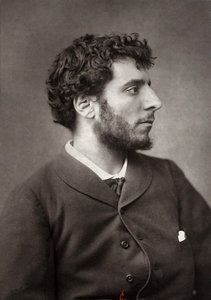
Henri Jean Guillaume Martin
1860 - 1860 , Франция
Основные сведения
- Artistic Movement Or Style: Импрессионизм, Постимпрессионизм
- Artists Or Movements Influenced By This Artist: ['Нелли Э Ellen Shepherd']
- Artists Who Influenced This Artist:
- Джотто
- Мазаччо
- Пувиз де Шаванн
- Date Of Birth: 5 августа 1860
- Date Of Death: 12 ноября 1943
- Full Name: Henri Jean Guillaume Martin
- Nationality: Француз
- Notable Artworks:
- Пейзаж с парой
- Гладиолы
- Пейзаж с козой
- Place Of Birth: Тулуза, Франция