

 Предпросмотр
 Поделиться
 Поделиться
 Детали произведения

 Скачать
 Похожие работы
 Рентгенография
 Слайд-шоу
 Статистика
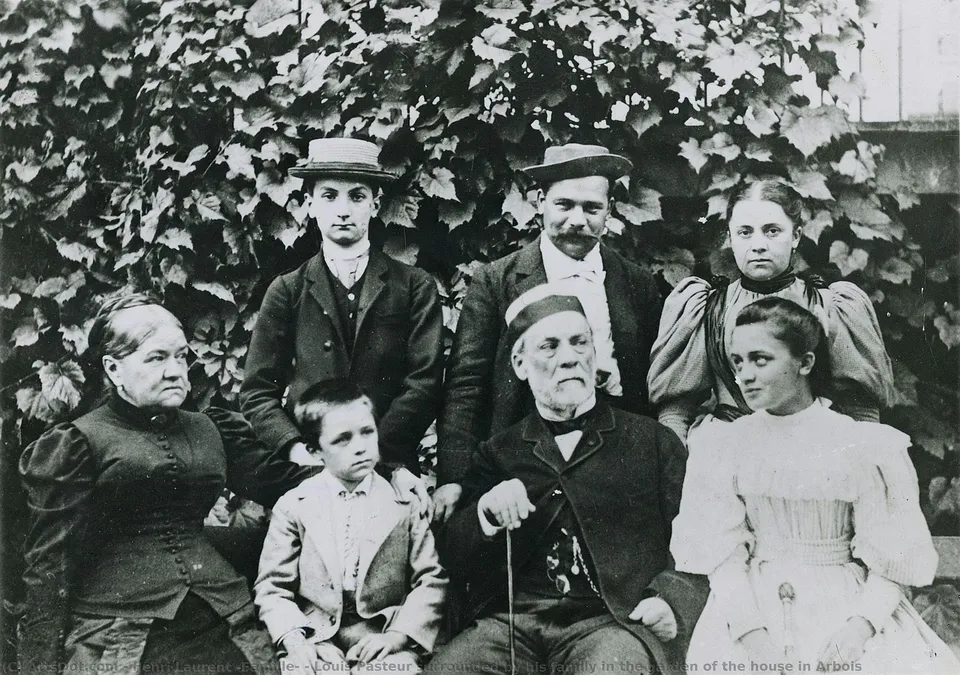
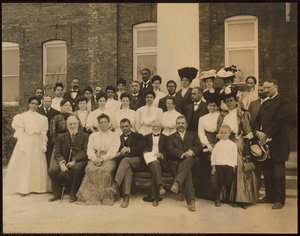
Louis Pasteur surrounded by his family in the garden of the house in Arbois


 Читать далее
Приобретите цифровое изображение высокого разрешения в улучшенном качестве, которое значительно превосходит онлайн-превью.
Каждый файл тщательно подготавливается нашими специалистами с использованием передовых инструментов и экспертной ручной ретуши. Мы гарантируем исключительную четкость, точную цветопередачу и детальную проработку каждого изображения.
Финальный файл доставляется по электронной почте в течение 72 часов и оптимизирован для немедленного использования в профессиональной среде, при верстке и печати. Это тот же уровень качества, которому доверяют ведущие дизайнерские студии, издательства и галереи.
Цифровое изображение
Скачайте файл высокого разрешения для личного использования, печати и творческих проектов. ( Перейти к печати Купить картину ручной работы)
Включено в каждый заказ цифровых изображений
Гарантия экспертной цифровой доставки
Выбирая ArtsDot.com, вы получаете не просто изображение — вы приобретаете профессионально обработанное цифровое произведение искусства, созданное с безупречной точностью и под защитой гарантии качества. Вот всё, что автоматически входит в ваш заказ:

Мгновенная доставка по e-mail
Ваш цифровой файл в высоком разрешении будет отправлен вам по электронной почте в течение 72 часов после оформления заказа — и сразу станет доступен для использования.

Цифровой файл с ИИ-улучшением
Ваше произведение искусства проходит профессиональную оптимизацию с использованием передовых инструментов ИИ и ручной обработки, что гарантирует максимальную детализацию, четкость и точность цветопередачи.

Бессрочная бесплатная повторная доставка
Случайно удалили или потеряли файл? Не беспокойтесь — мы отправим его вам повторно в любое время и совершенно бесплатно.

Без импортных пошлин — навсегда
Наслаждайтесь вашим произведением искусства мгновенно без таможенных пошлин, сборов или затрат на доставку — цифровые загрузки всегда не облагаются налогом.

Гарантия точности цветопередачи
Мы гарантируем, что ваше цифровое изображение максимально точно передает оригинальные цвета благодаря использованию профессиональных инструментов и систем управления цветом.

Гарантия удовлетворенности 100 дней
Если вы не будете удовлетворены своим цифровым изображением, мы внесем правки или вернем 100% стоимости в течение 100 дней — без лишних вопросов.

100% Гарантия возврата средств
Не удовлетворены покупкой? Получите полный возврат средств в течение 100 дней после получения цифрового файла — без лишних вопросов.

Скидки на оптовые заказы
Купите 3 изображения, сэкономьте 10% — Купите 5, сэкономьте 15% — Купите 10+, сэкономьте 20%. Отличное решение для творческих проектов, галерей и агентств.
Похожие произведения
Биография художника
Pablo Picasso: A Revolutionary Soul
Pablo Picasso, a name synonymous with artistic innovation and boundless creativity, remains one of the most recognizable and influential figures in the history of art. Born in Málaga, Spain, on October 25, 1881, into a family steeped in artistic tradition – his father, José Ruiz y Blasco, was a respected art teacher and curator – Picasso’s journey was marked by both prodigious talent and a restless spirit that propelled him across Europe and ultimately shaped the very course of modern art. More than just a painter, he was a sculptor, printmaker, ceramicist, and stage designer, each medium serving as a canvas for his ever-evolving vision.
Picasso’s early years were characterized by a deep immersion in artistic practice. From childhood, he exhibited an extraordinary aptitude for drawing, encouraged by his father who recognized and nurtured his son's burgeoning talent. The family moved to La Coruña in 1891, where Picasso attended the Instituto de la Guarda, but formal education proved unfulfilling for the young artist. It was during this period that he began to develop a distinctive style, exploring themes of loss and melancholy – evident in works like “The Old Guitarist” (1903), a poignant depiction of an aging musician reflecting on his past. The death of his sister Conchita in 1895 profoundly impacted Picasso, fueling a darker period known as the "Blue Period," characterized by somber tones and themes of poverty and isolation.
The Birth of Cubism
Picasso’s artistic trajectory took a dramatic turn in 1907 with the creation of “Les Demoiselles d'Avignon,” a painting that is widely considered to be the cornerstone of Cubism. This groundbreaking work, exhibited in Paris, shattered traditional notions of representation by depicting five nude prostitutes in a fragmented and distorted manner, drawing heavily on African masks and Iberian sculpture. Alongside Georges Braque, Picasso pioneered this revolutionary style, which sought to represent objects from multiple viewpoints simultaneously, breaking down forms into geometric shapes and presenting them in an abstract, multifaceted way. Cubism wasn’t merely a stylistic shift; it was a fundamental rethinking of the relationship between art and reality.
The development of Cubism unfolded through two distinct phases: Analytical Cubism (1908-1912), characterized by monochromatic palettes and meticulous deconstruction of objects, and Synthetic Cubism (1912-1914), which incorporated collage elements and brighter colors. Throughout these periods, Picasso continued to experiment with various techniques and materials, pushing the boundaries of artistic expression. His work during this time included iconic pieces like “Still Life with Chair Caning” (1912) and “Three Musicians” (1921), demonstrating his mastery of the new aesthetic principles.
A Diverse Artistic Legacy
Beyond Cubism, Picasso’s artistic output was remarkably diverse. He explored a vast range of subjects – portraits, still lifes, mythological scenes, and historical events – often revisiting themes and motifs throughout his career. His work during World War I reflected the horrors of conflict, most notably in “Guernica” (1937), a monumental mural depicting the bombing of the Basque town of Guernica by Nazi German forces during the Spanish Civil War. This powerful anti-war statement remains one of Picasso’s most enduring and universally recognized works.
Picasso's influence extended far beyond painting. He was also a prolific printmaker, creating hundreds of etchings, lithographs, and woodcuts that showcased his innovative approach to line and composition. His ceramic work, often characterized by bold colors and simplified forms, further demonstrated his versatility as an artist. Throughout his long career, Picasso remained a dynamic and evolving figure, constantly challenging conventions and pushing the boundaries of artistic possibility.
Picasso’s Life and Relationships
Picasso's personal life was as complex and passionate as his art. He had numerous relationships throughout his lifetime, including with Fernande Olivier (1906-1927), Dora Maar (1935-1945), Françoise Gilot (1943-1945), and Marie-Thérèse Walter (1927-1935). These relationships profoundly influenced his work, often serving as subjects for portraits and providing inspiration for his artistic explorations. His tumultuous personal life was intertwined with the vibrant cultural scene of Paris, where he spent much of his adult life.
Picasso died on April 8, 1973, in Mougins, France, leaving behind an unparalleled legacy of artistic achievement. His work continues to captivate and inspire audiences worldwide, solidifying his position as one of the most important and influential artists of the 20th century – a true revolutionary who forever changed the landscape of art.
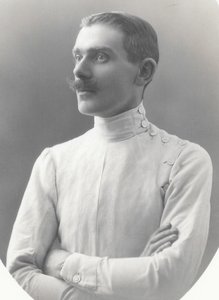
henri laurent (famille)
1881 - 1954 , Algeria
Основные сведения
- Artistic Movement Or Style:
- Cubism
- Surrealism
- Artists Or Movements Influenced By This Artist:
- Henri Matisse
- Fernande Olivier
- Artists Who Influenced This Artist:
- Paul Cézanne
- Georges Braque
- Date Of Birth: October 25, 1881
- Date Of Death: April 8, 1973
- Full Name: Pablo Diego José Francisco de Paula Juan Nepomuceno María de los Remedios Cipriano de la Santísima Trinidad Ruiz y Picasso
- Nationality: Spanish
- Notable Artworks:
- Guernica
- Les Demoiselles d’Avignon
- The Weeping Woman
- Place Of Birth: Málaga, Spain