

 Предпросмотр
 Поделиться
 Поделиться
 Детали произведения

 Скачать
 Похожие работы
 Рентгенография
 Слайд-шоу
 Статистика
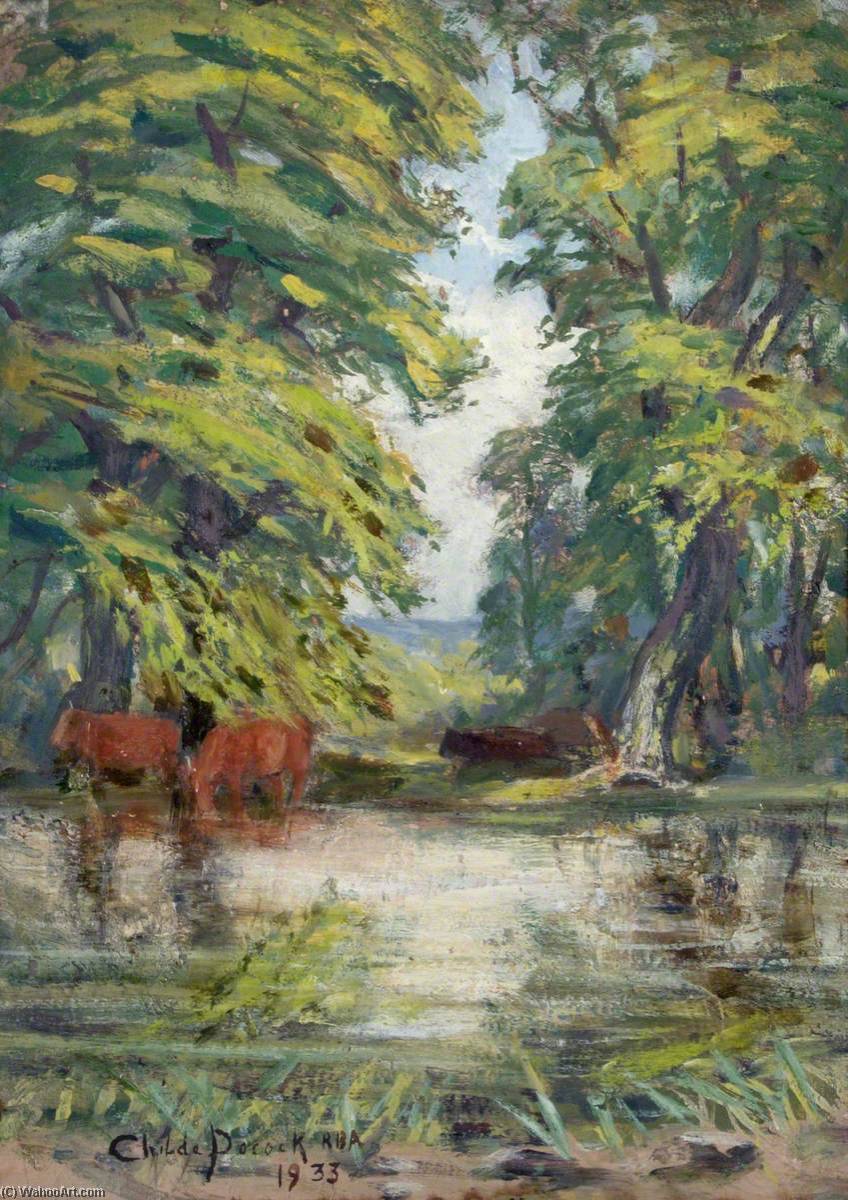
Cattle by a Pond
 Impressionism
 1933
1933 35.0 x 25.0 cm
 Barnet Local Studies - Archives
 Читать далее
Жикле / Арт-принт
Печать (жикле) или холст музейного качества с быстрыми сроками изготовления и широким выбором вариантов отделки. ( Купить картину ручной работы Перейти к цифровым изображениям)




































Выберите один из наших стандартных размеров, соответствующих оригинальным пропорциям произведения искусства.

Вы можете указать свои собственные размеры, чтобы репродукция идеально подошла под конкретную раму или пространство. Если выбранный вами размер не будет соответствовать пропорциям оригинала, мы либо обрежем произведение, либо дополним изображение зеркальным отражением краев или однотонной заливкой. Перед началом производства вам будет отправлен цифровой макет для утверждения.
Пожалуйста, обратите внимание, что предварительный просмотр на экране не отображает фактическую обрезку или расширение изображения. Только макет точно покажет финальную композицию.
Несмотря на возможность заказа индивидуальных размеров, мы рекомендуем выбирать размер из предопределенного списка, чтобы сохранить оригинальные пропорции.
Доставка по всему миру () за 2 недели вместо стандартных 4/5 недель. (11 Сентябрь)

Бесплатная экспресс-доставка по всему миру

Высококачественный льняной холст

Полное страхование доставки

Гарантия возмещения таможенных пошлин

Гарантия точного соответствия цветов

100-дневная политика возврата (только при обнаружении дефектов)

Гарантия возврата 100% средств

Предложение оптовых скидок
 Вариант со стеклом доступен только для размеров менее 110 см

Cattle by a Pond
Жикле / Арт-принт
Размер репродукции
-


Итоговая стоимость
$ 62
A Closer Look at the Painting
The scene depicts three cows standing in the water near trees, creating a sense of tranquility and harmony with nature. The cows appear to be enjoying their time in the water, possibly cooling off or drinking from it. The backdrop of trees adds to the natural ambiance of the scene, making it a beautiful representation of rural life. Key Features of the painting include:- The use of soft colors to create a calming atmosphere
- The attention to detail in the depiction of the cows and their surroundings
- The sense of depth and dimension created by the trees and the water
Henry Childe Pocock's Style
Henry Childe Pocock was a British artist known for his landscape and animal paintings. His style is characterized by his attention to detail and his ability to capture the beauty of nature. For more information on Henry Childe Pocock and his artwork, visit https://ArtsDot.com/@/Henry-Childe-Pocock.Other notable artists whose work can be found on https://ArtsDot.com include Charles François Daubigny, known for his Spring Landscape painting, and Paula Modersohn Becker, famous for her Girl With Tiger Lilies artwork. For more information on these artists and their work, visit /art/list/?Filter=spring+landscape,spring,landscape& and /art/list/?Filter=girl+with+tiger+lilies,girl,with,tiger,lilies&.
Похожие произведения
Биография художника
The Pastoral Vision of Henry Childe Pocock
In the heart of the Victorian era, a period defined by rapid industrialization and shifting social landscapes, Henry Childe Pocock (1854–1934) emerged as a steadfast guardian of the English countryside. A painter of profound sensitivity, Pocock dedicated much of his life to chronicling the serene, untouched beauty of Mill Hill, Hertfordshire. His work serves as more than mere documentation; it is an emotional journey into a pastoral ideal, where the rolling hills and sun-drenched meadows of rural England are rendered with a reverence that borders on the spiritual. Born in London, Pocock’s artistic soul was shaped by the rigorous traditions of British fine art, yet his vision remained uniquely tethered to the quiet, rhythmic life of the landscapes he called home.
The foundation of Pocock’s mastery can be traced back to his formative years at the Slade School of Fine Art. Under the tutelage of the celebrated Pre-Raphaelite master Frederence Leighton, Pocock imbibed a philosophy of meticulous observation and idealized representation. This training instilled in him an unwavering commitment to capturing the natural world with both accuracy and emotional resonance. Influenced by the critical eye of John Ruskin and the vibrant realism of William Holman Hunt, Pocock learned to see the landscape not just as scenery, but as a complex tapestry of light, texture, and atmosphere. This academic rigor allowed him to bridge the gap between classical precision and a more fluid, impressionistic approach that would characterize his later, most evocative works.
Technique and the Luminosity of Light
Pocock’s technical prowess was defined by a remarkable ability to manipulate oil paints to achieve a sense of luminous depth. He often employed the painstaking method of layering thin glazes over the canvas, a technique that allowed light to penetrate the upper layers and reflect back, creating a glowing, translucent effect on the surface of his landscapes. This mastery of tonal subtlety enabled him to capture the fleeting nuances of English weather—the soft haze of a summer morning, the heavy moisture of a damp meadow, or the sharp clarity of a coastal breeze. His compositions frequently utilized horizontal formats, which emphasized the breadth of the horizon and invited the viewer to step into an expansive, open world.
Beyond his technical skill, Pocock’s work is noted for its ability to evoke specific moods through texture and color:
- Atmospheric Precision: His ability to render atmospheric conditions, such as seen in his depictions of Uphill Farm, where the air itself feels palpable.
- Textural Richness: A profound attention to the tactile qualities of nature, from the soft fur of cattle to the rugged bark of ancient trees.
- Tonal Harmony: The use of muted, nostalgic tones in works like Old Cottages, Holcombe Hill to evoke a sense of timelessness and peace.
A Legacy of Rural Tranquility
The significance of Henry Childe Pocock lies in his role as a chronicler of a vanishing way of life. As the world around him grew increasingly urbanized, his canvases remained sanctuaries of stillness. Whether depicting the lively summer energy of The Sheepwash or the quiet, reflective moment of Cattle by a Pond, his work captures a harmony between animals and their environment that feels both eternal and fragile. His paintings are not merely landscapes; they are portraits of a specific English identity, rooted in the soil and the seasons.
Today, Pocock’s legacy continues to resonate through his ability to transport the viewer to a more tranquil era. His works, held in esteemed collections such as the Barnet Local Studies Archives, stand as enduring testaments to the beauty of the English pastoral tradition. Through his eyes, we are reminded that even in the midst of change, there is a profound, lasting grace to be found in the quiet corners of the world.
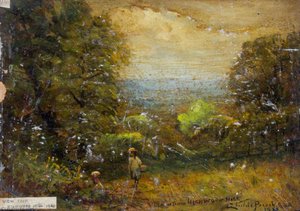
henry childe pocock
1854 - 1934
Основные сведения
- Artistic Movement Or Style: Romantic Landscape Painting
- Artists Or Movements Influenced By This Artist: ['Hudson Lowe']
- Artists Who Influenced This Artist: ['John Constable']
- Date Of Birth: 1854
- Date Of Death: 1934
- Full Name: Henry Childe Pocock
- Nationality: British
- Notable Artworks: ['Uphill Farm, Mill Hill']
- Place Of Birth: Barnet, England
Похожие статьи
Топ-10 шедевров импрессионизма: пейзажи, изменившие искусство | ArtsDot
Погрузитесь в мир импрессионизма! Откройте 10 шедевров Моне, Ренуара и других великих художников. Узнайте историю создания культовых пейзажей и вдохновитесь для декора вашего дома. Репродукции картин высокого качества на ArtsDot.com.

Топ-10 шедевров импрессионизма: пейзажи, изменившие искусство | ArtsDot
Погрузитесь в мир импрессионизма! Откройте топ-10 шедевров Моне, Ренуара и других великих художников. Узнайте историю создания культовых пейзажей и вдохновитесь для декора интерьера. Репродукции картин высокого качества на ArtsDot.com

Джон Констебль: 25 шедевров английского пейзажа для вашего интерьера
Погрузитесь в мир английского пейзажа с Джоном Констеблом! 25 шедевров романтизма, история создания картин и вдохновение для вашего интерьера. Репродукции высокого качества на ArtsDot.com – искусство для ценителей.

Альфред Муннингс: 25 шедевров британского импрессионизма для вашего интерьера | ArtsDot
Погрузитесь в мир Альфреда Муннингса! 25 шедевров британского импрессионизма, запечатлевших красоту лошадей и сельской Англии. Репродукции картин высокого качества для вашего интерьера на ArtsDot.com.
Топ-25 шедевров Анри Матисса: Цвет и форма в интерьере с ArtsDot
Погрузитесь в мир Анри Матисса! 25 шедевров фовизма, ярких красок и новаторских техник. Узнайте историю создания культовых картин художника и вдохновитесь для интерьера с ArtsDot.com – музейное качество репродукций.