

 Предпросмотр
 Поделиться
 Поделиться
 Детали произведения

 Скачать
 Похожие работы
 Рентгенография
 Слайд-шоу
 Статистика
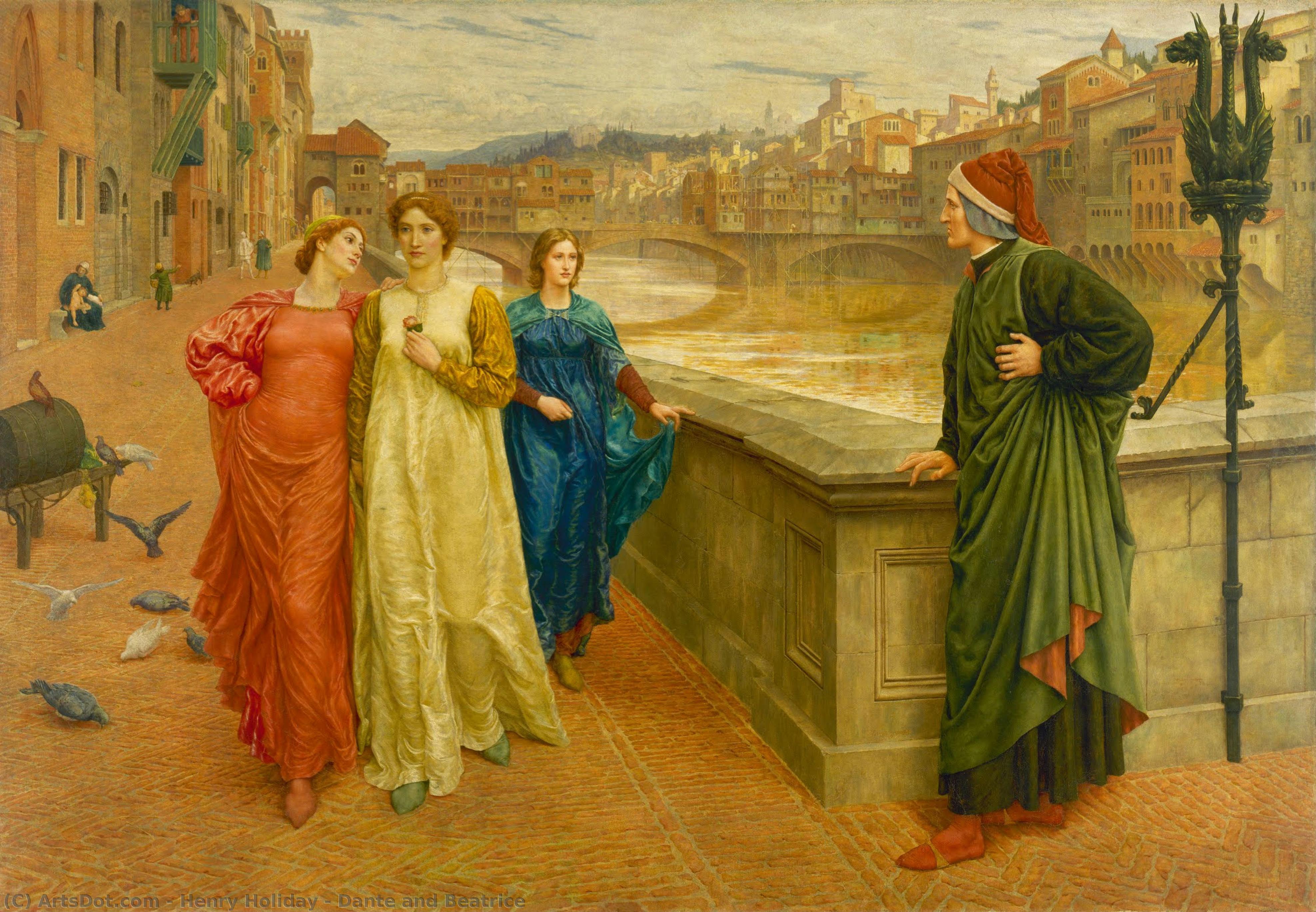
Dante and Beatrice
 Oil On Canvas
- WallArt
- Pre-Raphaelite Brotherhood
 1884
1884- 19th Century
 2032.0 x 2032.0 cm
 Walker Art Gallery
 Читать далее
Масляная репродукция ручной работы
Картина маслом на холсте в выбранном вами размере и раме, написанная на заказ нашими художниками. ( Перейти к печати Перейти к цифровым изображениям)




P118B $10

P118H $10

P118W $10

P438Z $10

P508JH $12

P508YH $12

P805H $10

P805Z $10

P919BZ $10

P919G $10

P919XJ $10

P959ZH $10

P968JZ $12

W106C $8

W218G $10

W218JH $8

W218Y $10

W307PJ $10

W316G $10

W316PJ $8

W316Y $10

W398PJ $8

W4111J $10

W500HY $15

W500JH $15

W692G $12

W849H $8

W940BG $15

W953PJ $8




Выберите один из наших стандартных размеров, соответствующих оригинальным пропорциям произведения искусства.

Вы можете указать собственные размеры, чтобы картина идеально вписалась в выбранную раму или пространство. Если выбранный вами размер не соответствует пропорциям оригинала, мы либо обрежем полотно, либо расширим его за счет дополнительных элементов, написанных вручную. Цифровой макет будет отправлен вам на утверждение перед началом производства.
Обратите внимание, что предварительный просмотр на экране не отражает фактическую обрезку или расширение. Только макет точно покажет окончательную композицию.
Хотя доступны индивидуальные размеры, мы рекомендуем выбирать вариант из предопределенного списка, чтобы сохранить исходные пропорции.
После оформления заказа команда ArtsDot.com свяжется с клиентом по электронной почте для уточнения деталей и предоставит предварительный макет
Доставка по всему миру () за 3–4 недели вместо стандартных 5 недель. (10 Сентябрь). Без компромиссов в качестве.

Бесплатная экспресс-доставка по всему миру

Высококачественный льняной холст

Полное страхование доставки

Гарантия возмещения таможенных пошлин

Гарантия точного соответствия цветов

100-дневная политика возврата (только при обнаружении дефектов)

Гарантия возврата 100% средств

Предложение оптовых скидок
 Вариант со стеклом доступен только для размеров менее 110 см

Dante and Beatrice
Техника репродукции
Размер репродукции
-


Итоговая стоимость
$ 263
Henry Holiday’s Poignant Encounter: Dante and Beatrice
Henry Holiday's "Dante and Beatrice," completed in 1884, is more than just a depiction of two literary figures; it’s a carefully constructed meditation on thwarted love and the subtle shifts in social perception. Painted during a period of intense artistic revival – specifically, within the orbit of the Pre-Raphaelites – this work reveals Holiday's masterful command of detail and his ability to distill complex emotional narratives onto canvas. The scene unfolds in Florence, Italy, circa 13th century, meticulously rendered with an eye for architectural accuracy and costume design, offering a tangible connection to the historical context of Dante’s ‘Vita Nuova.’ However, it is Holiday's deliberate framing of the interaction that truly elevates the painting beyond a simple illustration. The central focus rests on Beatrice, positioned in the heart of the group, yet subtly distanced from Dante through her averted gaze. This gesture, amplified by the contrasting characterization of her friend, Monna Vanna – vibrant and extroverted – immediately establishes a tension at the core of the narrative.
- Subject Matter: The painting portrays Dante Alighieri and Beatrice Portinari, central figures in Dante’s autobiographical poem.
- Setting: Florence, Italy, 13th Century – meticulously recreated with attention to architectural detail and period costume.
- Key Figures: Dante, Beatrice, and Monna Vanna, representing different facets of the romantic encounter.
Technique and Style: A Pre-Raphaelite Vision
Holiday’s technique is firmly rooted in the Pre-Raphaelite tradition, characterized by a meticulous attention to detail, rich color palettes, and a focus on narrative clarity. The use of oil paint allows for subtle gradations of tone and texture, particularly evident in the rendering of the fabrics – Beatrice's flowing robes contrast sharply with Monna Vanna’s more structured attire. The artist employs a slightly flattened perspective, common to Pre-Raphaelite works, emphasizing the figures themselves rather than creating an illusionistic depth. The composition is carefully balanced, drawing the viewer’s eye from Dante’s earnest expression towards Beatrice's enigmatic retreat. J.T. Nettleship’s contribution of the pigeons adds a layer of realism and subtly reinforces the theme of fleeting beauty and missed opportunities – a poignant detail considering the painting’s central narrative.
Symbolism and Narrative Tension
Beyond the literal depiction of Dante's heartbreak, "Dante and Beatrice" is laden with symbolic weight. Beatrice’s averted gaze represents not just a simple refusal to acknowledge Dante, but a deeper rejection of his affections – a societal barrier reinforced by social conventions. Holiday cleverly transforms what might have been a dramatic, almost operatic scene into a quiet, unsettling moment of social awkwardness. The painting subtly critiques the rigid social structures of the time and exposes the vulnerability inherent in romantic pursuit. The contrast between Beatrice’s reserved demeanor and Monna Vanna's boisterous presence highlights the societal pressures placed upon women during this era, further amplifying the sense of tragic disappointment.
Historical Context and Emotional Impact
"Dante and Beatrice" was created at a time when Victorian society was grappling with evolving ideas about love, marriage, and social status. Holiday’s interpretation of Dante's story resonates deeply with these concerns, offering a poignant commentary on the limitations imposed upon individuals by societal expectations. The painting’s enduring appeal lies in its ability to evoke empathy for both figures – Dante’s frustrated longing and Beatrice’s quiet resistance. The scale of 2032 x 2032 cm ensures that this artwork commands attention, making it a compelling addition to any discerning collection or interior space. It is a powerful reminder of the enduring themes of love, loss, and social constraint, skillfully rendered by one of Victorian England’s most accomplished artists.
Похожие произведения

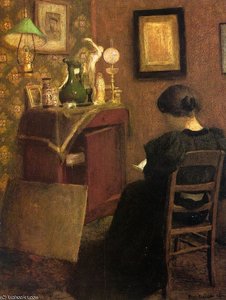
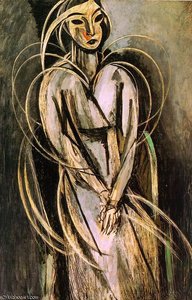
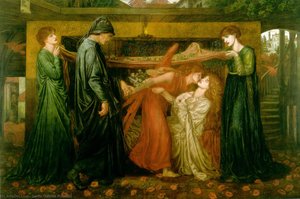
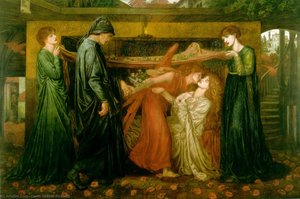
Биография художника
A Life Immersed in Vision: The World of Henry Holiday
Henry Holiday, a name synonymous with Victorian artistry and stained glass brilliance, was born in London on June 17, 1839, into a family that nurtured his innate artistic talent. From an early age, he displayed a remarkable sensitivity to color, form, and narrative—qualities that would define his lifelong pursuit of beauty and storytelling through diverse mediums. His parents recognized this potential, providing him with foundational art lessons, setting the stage for a career that would span decades and leave an indelible mark on both the stained glass world and the broader landscape of British art. His early training under William Cave Thomas instilled in him a solid technical base, which he then honed at Leigh’s Art Academy alongside Frederick Walker, ultimately culminating in his acceptance into the prestigious Royal Academy Schools at just fifteen years old—a remarkable achievement that foreshadowed the extraordinary talent to come.From Canvas to Glass: A Versatile Artistic Journey
Holiday’s artistic journey was remarkably multifaceted, demonstrating a rare versatility rarely seen even amongst the most accomplished artists of his era. He initially gained considerable recognition as a painter, exhibiting his works at the Royal Academy from 1858 onwards. His early paintings—such as “The Burgess of Calais” (1859) and the monumental “The Bride and the Daughters of Jerusalem” (1861-63)—already showcased his meticulous attention to detail, a vibrant palette brimming with rich hues, and a distinct penchant for historical subjects – hallmarks that firmly rooted him within the Pre-Raphaelite movement. He skillfully navigated both oils and watercolors, revealing an impressive command of each medium. However, it was through stained glass that Holiday truly achieved lasting fame and cemented his legacy as one of the Victorian era’s foremost designers. Beginning in 1862, he joined James Powell & Sons, rapidly ascending to become their chief designer—a position he held for over three decades. During this time, he conceived and oversaw the creation of more than 300 stained glass commissions, primarily catering to American clients who sought the grandeur and narrative power inherent in Victorian craftsmanship. This period saw him not only designing windows but also actively participating in their execution, demonstrating a hands-on approach to his craft.Influences and a Distinctive Style
The Pre-Raphaelite Brotherhood exerted a profound influence on Holiday’s artistic development, instilling within him a commitment to truthfulness, meticulous detail, and a deliberate rejection of the rigid conventions of academic art. The teachings of Edward Burne-Jones were particularly formative, shaping his approach to composition, color harmony, and the art of storytelling through visual imagery. A pivotal journey to Italy in 1867 broadened his artistic horizons considerably, inspiring him to incorporate elements of Italian Renaissance art into his designs—a fusion that added layers of sophistication and depth to his already distinctive style. Holiday’s artistic voice is characterized by a remarkable draughtsmanship—precise lines and careful rendering—along with an abundance of rich, often jewel-toned color palettes. He possessed an exceptional ability to imbue his works with both emotional resonance and intellectual rigor, creating pieces that were not only visually stunning but also conceptually engaging. His work frequently drew upon historical narratives, mythological themes, and allegorical representations, reflecting a deep appreciation for the power of storytelling through art.Landmarks in a Celebrated Career
Among Holiday’s most celebrated achievements are undoubtedly “Dante And Beatrice,” a captivating Pre-Raphaelite painting depicting the poignant encounter between the poet Dante Alighieri and his muse, Beatrice—a work that exemplifies his mastery of detail and emotional expression. “The Burgess of Calais” stands as another significant example of his historical genre paintings, capturing the intensity of human emotion with remarkable skill. However, perhaps Holiday is equally renowned for his imaginative illustrations, most notably those he created for Lewis Carroll’s “The Hunting of the Snark.” These whimsical and inventive drawings perfectly captured the surreal spirit of Carroll’s poem, establishing him as a significant figure in Victorian illustration. Beyond these iconic pieces, his numerous stained-glass commissions—found in prominent locations such as Worcester College, Oxford; Westminster Abbey (including the poignant Brunel Memorial Window); St. Luke’s Church in Kentish Town; Chartered Accountants' Hall, Moorgate; and the serene St Mary Magdalene church in Paddington—stand as enduring testaments to his skill and artistry. In 1891, driven by a desire for greater creative control, Holiday established his own workshop in Hampstead, expanding into mosaics, enamels, and ecclesiastical objects alongside his continued work in glass.A Lasting Legacy
Henry Holiday’s contribution to the Pre-Raphaelite movement was significant, helping to define its distinctive aesthetic and artistic principles. He is rightfully recognized as a leading stained glass designer of the Victorian era, elevating the medium to new heights of artistry and craftsmanship. His versatility—encompassing painting, illustration, sculpture, and enameling—sets him apart as a truly exceptional artist. Beyond his artistic achievements, Holiday was also a man of strong convictions, actively supporting socialist and suffragette movements, reflecting his progressive political beliefs. Even within his family, the artistic flame continued to burn brightly; his nephew, Gilbert Holiday, followed in his footsteps, carrying on the family’s creative tradition. Today, Henry Holiday's work continues to captivate audiences with its beauty, intricacy, and enduring power—a testament to a life dedicated to the pursuit of artistic excellence and visionary expression. His legacy remains etched in glass, painted onto canvas, and forever bound within the pages of literary history.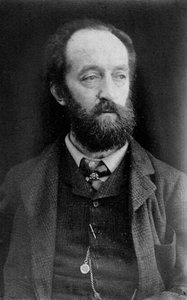
Генри Холлайд
1839 - 1927 , Великобритания
Основные сведения
- Artistic Movement Or Style: Прерафаэлиты
- Artists Or Movements Influenced By This Artist: ['Прерафаэлиты']
- Artists Who Influenced This Artist:
- Эдвард Бурне-Джоунс
- Россетти
- Уоррингтон
- Date Of Birth: 1839-06-17
- Date Of Death: 1927-04-15
- Full Name: Henry James Holiday
- Nationality: Британский
- Notable Artworks:
- Джузеппе и Беатриче
- Граждане Кале
- Охота на кролика
- Place Of Birth: Лондон, Великобритания
Похожие статьи
Топ-25 шедевров Анри Матисса: Цвет и форма в интерьере с ArtsDot
Погрузитесь в мир Анри Матисса! 25 шедевров фовизма, ярких красок и новаторских техник. Узнайте историю создания культовых картин художника и вдохновитесь для интерьера с ArtsDot.com – музейное качество репродукций.
The Pre-Raphaelite Brotherhood: Rebellion, Romance & Medieval Revival
Explore the captivating world of the Pre-Raphaelite Brotherhood! Discover their rebellious spirit, iconic masterpieces & lasting influence on art history. Learn about Rossetti, Millais & more.
25 Шедевров Данте Габриэля Россетти: Искусство, Символизм и Декор для Вашего Дома
Погрузитесь в мир Данте Габриэля Россетти! 25 шедевров прерафаэлитов, полных символизма и страсти. Узнайте истории создания культовых картин и найдите идеальный декор для вашего дома на ArtsDot.com – музейное качество, вдохновение и искусство онлайн.
The Pre-Raphaelite Brotherhood: A Rebellion of Beauty & Medieval Revival
Explore the captivating world of the Pre-Raphaelite Brotherhood! Discover their rebellion against academic art, iconic masterpieces, and lasting influence on Victorian aesthetics. Learn about Rossetti, Burne-Jones & more.
Sir John Everett Millais: Pre-Raphaelite Rebellion & Victorian Narrative Detail
Explore the revolutionary art of Sir John Everett Millais & the Pre-Raphaelite Brotherhood. Discover their radical realism, symbolic narratives, and lasting impact on Victorian aesthetics. A deep dive into 19th-century masterpieces.