

 Предпросмотр
 Поделиться
 Поделиться
 Детали произведения

 Скачать
 Похожие работы
 Рентгенография
 Слайд-шоу
 Статистика
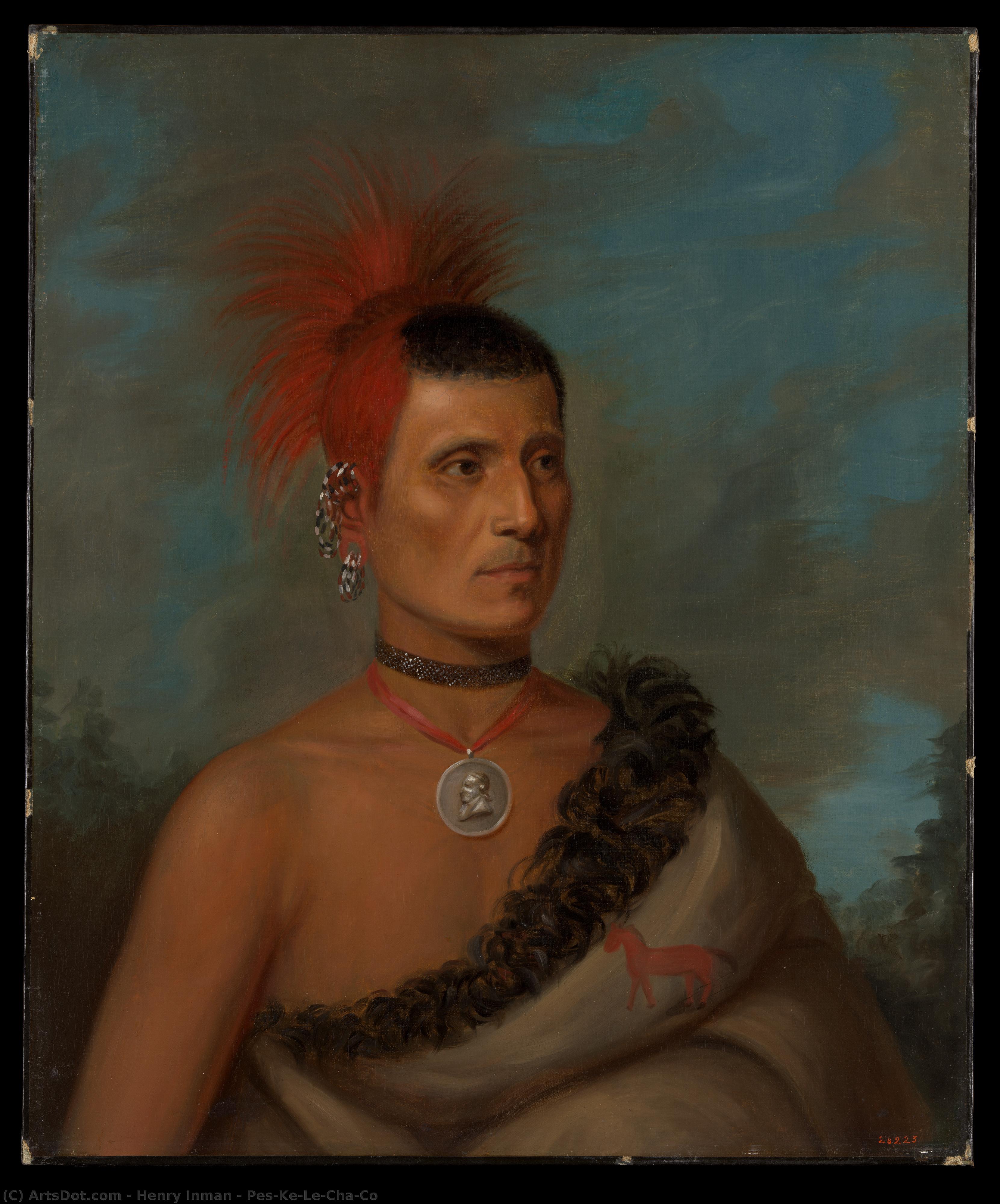
Pes-Ke-Le-Cha-Co
 Oil On Canvas
- WallArt
- Impressionistic Landscape
 1832
1832- 19th Century
 76.0 x 64.0 cm
 Музей Метрополитен
 Читать далее
Приобретите цифровое изображение высокого разрешения в улучшенном качестве, которое значительно превосходит онлайн-превью.
Каждый файл тщательно подготавливается нашими специалистами с использованием передовых инструментов и экспертной ручной ретуши. Мы гарантируем исключительную четкость, точную цветопередачу и детальную проработку каждого изображения.
Финальный файл доставляется по электронной почте в течение 72 часов и оптимизирован для немедленного использования в профессиональной среде, при верстке и печати. Это тот же уровень качества, которому доверяют ведущие дизайнерские студии, издательства и галереи.
Цифровое изображение
Скачайте файл высокого разрешения для личного использования, печати и творческих проектов. ( Перейти к печати Купить картину ручной работы)
Включено в каждый заказ цифровых изображений
Гарантия экспертной цифровой доставки
Выбирая ArtsDot.com, вы получаете не просто изображение — вы приобретаете профессионально обработанное цифровое произведение искусства, созданное с безупречной точностью и под защитой гарантии качества. Вот всё, что автоматически входит в ваш заказ:

Мгновенная доставка по e-mail
Ваш цифровой файл в высоком разрешении будет отправлен вам по электронной почте в течение 72 часов после оформления заказа — и сразу станет доступен для использования.

Цифровой файл с ИИ-улучшением
Ваше произведение искусства проходит профессиональную оптимизацию с использованием передовых инструментов ИИ и ручной обработки, что гарантирует максимальную детализацию, четкость и точность цветопередачи.

Бессрочная бесплатная повторная доставка
Случайно удалили или потеряли файл? Не беспокойтесь — мы отправим его вам повторно в любое время и совершенно бесплатно.

Без импортных пошлин — навсегда
Наслаждайтесь вашим произведением искусства мгновенно без таможенных пошлин, сборов или затрат на доставку — цифровые загрузки всегда не облагаются налогом.

Гарантия точности цветопередачи
Мы гарантируем, что ваше цифровое изображение максимально точно передает оригинальные цвета благодаря использованию профессиональных инструментов и систем управления цветом.

Гарантия удовлетворенности 100 дней
Если вы не будете удовлетворены своим цифровым изображением, мы внесем правки или вернем 100% стоимости в течение 100 дней — без лишних вопросов.

100% Гарантия возврата средств
Не удовлетворены покупкой? Получите полный возврат средств в течение 100 дней после получения цифрового файла — без лишних вопросов.

Скидки на оптовые заказы
Купите 3 изображения, сэкономьте 10% — Купите 5, сэкономьте 15% — Купите 10+, сэкономьте 20%. Отличное решение для творческих проектов, галерей и агентств.
A Gaze Across Time: The Soul of Pes-Ke-Le-Cha-Co
In the quiet intimacy of Henry Inman’s 1832 masterpiece, Pes-Ke-Le-Cha-Co, we are invited to meet a leader whose presence transcends the boundaries of the canvas. This striking portrait of the Pawnee chief is far more than a mere historical record; it is a profound psychological encounter. As the viewer’s eyes meet the subject's steady, piercing gaze, there is an immediate sense of being witnessed by a man of immense character. Inman, a master of 19th-century American portraiture, utilizes a delicate balance of light and shadow to sculpt the features of the chief, lending a sculptural weight to his expression. The subtle tension in the subject's face suggests a spirit that is both resolute and contemplative, capturing the essence of a man celebrated as a fearless warrior and an expert hunter.
The visual narrative is punctuated by vibrant, symbolic details that command attention within the composition. A single red feather rests prominently in his hair, acting as a brilliant focal point that draws the eye upward, while the intricate textures of his attire—from the soft sheen of his clothing to the metallic glint of a silver peace medal—speak to a complex cultural intersection. These elements are not merely decorative; they serve as windows into a period of significant cultural dialogue and upheaval. For the discerning collector or interior designer, such details offer a rich tapestry of texture and color that can anchor a room, providing a sophisticated point of conversation and a sense of historical gravity.
The Artistry of Documentation and Romanticism
To understand the technical brilliance of this work, one must look toward Inman’s pivotal role in documenting the American frontier. Created as part of an ambitious project for The History of the Indian Tribes of Good America, this painting was meticulously crafted to translate the life sketches of Charles Bird King into a lasting oil medium. This process required an extraordinary level of precision and an eye for nuance. Inman’s technique embodies the spirit of Romanticism, where the artist seeks to move beyond simple realism to evoke emotional intensity and psychological depth. Every brushstroke is calculated to convey not just the physical likeness of Pes-Ke-Le-Cha-Co, but the dignity and "spirit" that Inman so deeply admired.
The mastery of light in this piece creates a sense of atmosphere that feels both timeless and immediate. The way the light catches the contours of the chief's face and illuminates the fine details of his regalia demonstrates Inman’s training under the great masters of New York, such as John Wesley Jarvis. This level of craftsmanship ensures that a high-quality reproduction of this work retains its luminous quality, making it an exquisite addition to any curated collection. Whether placed in a sunlit gallery or a moody, library-style study, the painting brings with it an aura of prestige and a profound connection to the heritage of the American landscape.
An Enduring Legacy for the Modern Collector
For those seeking to infuse their living spaces with art that possesses both narrative weight and aesthetic elegance, Pes-Ke-Le-Cha-Co offers unparalleled inspiration. It is a piece that bridges the gap between historical importance and contemporary decor. The portrait’s ability to evoke a sense of strength, resilience, and cultural majesty makes it a versatile choice for high-end interior design, particularly in settings that value authenticity and storytelling. Owning a reproduction of such a significant work allows one to preserve a fragment of history, bringing the powerful legacy of the Pawnee people and the technical mastery of Henry Inman into the modern home.
Похожие произведения
Биография художника
A Legacy of Character and Heritage: The Life of Henry Inman
In the burgeoning landscape of nineteenth-century American art, few figures captured the evolving identity of a young nation as intimately as Henry Inman. Born in 1801 in Utica, New York, to English immigrant parents, Inman was a product of both old-world tradition and new-world ambition. His early years in the settlement of Utica provided a foundation of industriousness, but it was his move to the vibrant, growing metropolis of New York City in 1812 that truly ignited his artistic destiny. Under the mentorship of established masters such as John Wesley Jarvis and John Quidor, Inman refined a technical precision that would become his hallmark, learning to navigate the delicate balance between realistic representation and the soulful expression required for high-society portraiture.
Inman’s artistic journey was never confined to a single genre; rather, it was a multifaceted exploration of the American experience. While he possessed a remarkable talent for capturing the quiet, everyday moments of life through his genre scenes—notably his evocative depictions of “Rip Van Winkle” and “The News Boy”—his heart belonged to the study of human character. His portraits were more than mere likenesses; they were psychological studies that sought to reveal the inner dignity and intellect of his subjects. Through a meticulous application of light and shadow, he breathed life into the faces of the era's most influential figures, creating a visual record of leadership and intellect that remains vital to our understanding of American history.
The Documentation of a Vanishing World
Perhaps the most profound chapter of Inman’s career lies in his monumental contribution to the preservation of Native American heritage. Collaborating with the celebrated lithographer Thomas L. McKenney, Inman undertook the Herculean task of producing "The History of the Indian Tribes of North America." This endeavor required him to meticulously copy over one hundred oil paintings originally executed by Charles Bird King. This was not merely a technical exercise in reproduction; it was an act of historical preservation. Through his diligent work, Inman helped ensure that the likenesses and cultural dignity of Native American leaders were etched into the permanent annals of American art history.
This period of his life demonstrated a deep-seated empathy and an alignment with the intellectual currents of his time, which sought to document the complexities of a changing continent. His ability to translate the grandeur of these original works into a format accessible to a wider audience cemented his reputation as an artist of significant social and historical responsibility. In doing so, he bridged the gap between fine art and ethnographic record, making him a pivotal figure in the early American movement toward cultural documentation.
Artistic Mastery and Historical Significance
The breadth of Inman’s portraiture serves as a Who's Who of nineteenth-century American prominence. His canvases featured an extraordinary array of notable figures, including:
- Political Titans: Such as Martin Van Buren, William H. Seward, and DeWitt Clinton.
- Legal Luminaries: Including Chief Justices Marshall and Nelson.
- Intellectuals and Explorers: Most notably the naturalist John James Audubon and the writer Fitz-Greene Halleck.
Beyond his individual canvases, Inman’s influence extended to the very institutions that shaped American art. His role in the founding of the National Academy of Design underscores his commitment to establishing a formal structure for artistic excellence in the United States. Though his life was tragically short, ending in 1846, the impact of his work remains indelible. He left behind a legacy defined by a rare combination of technical virtuosity and a profound respect for the subjects he portrayed, ensuring that the faces of the past continue to speak to the generations of the present.
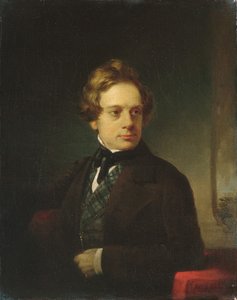
Henry Inman
1801 - 1846 , United States of America
Основные сведения
- Artistic Movement Or Style: Hudson River School
- Artists Or Movements Influenced By This Artist: ['Jacob Hart Lazarus']
- Artists Who Influenced This Artist: ['John Wesley Jarvis']
- Date Of Birth: 1801
- Date Of Death: 1846
- Full Name: Henry Inman
- Nationality: American
- Notable Artworks:
- Rydal Falls
- Rip van winkle
- Boyhood of Washington
- Place Of Birth: Utica, United States of America