

 Предпросмотр
 Поделиться
 Поделиться
 Детали произведения

 Скачать
 Похожие работы
 Рентгенография
 Слайд-шоу
 Статистика
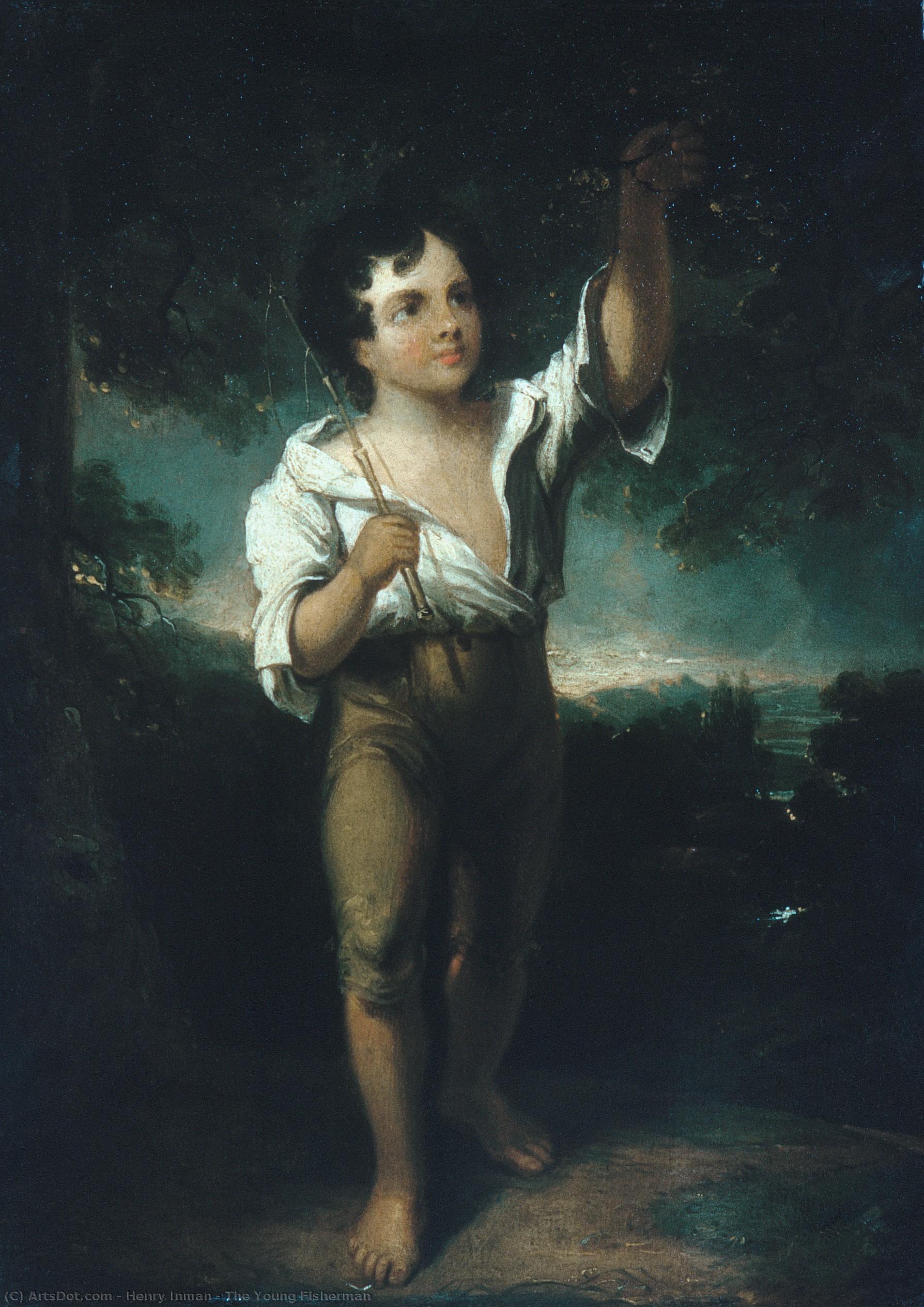
The Young Fisherman
 Oil On Canvas
- WallArt
- Romanticism
 1829
1829- 19th Century
 34.0 x 24.0 cm
 Музей Метрополитен
 Читать далее
Масляная репродукция ручной работы
Картина маслом на холсте в выбранном вами размере и раме, написанная на заказ нашими художниками. ( Перейти к печати Перейти к цифровым изображениям)




P118B $10

P118H $10

P118W $10

P438Z $10

P508JH $12

P508YH $12

P805H $10

P805Z $10

P919BZ $10

P919G $10

P919XJ $10

P959ZH $10

P968JZ $12

W106C $8

W218G $10

W218JH $8

W218Y $10

W307PJ $10

W316G $10

W316PJ $8

W316Y $10

W398PJ $8

W4111J $10

W500HY $15

W500JH $15

W692G $12

W849H $8

W940BG $15

W953PJ $8




Выберите один из наших стандартных размеров, соответствующих оригинальным пропорциям произведения искусства.

Вы можете указать собственные размеры, чтобы картина идеально вписалась в выбранную раму или пространство. Если выбранный вами размер не соответствует пропорциям оригинала, мы либо обрежем полотно, либо расширим его за счет дополнительных элементов, написанных вручную. Цифровой макет будет отправлен вам на утверждение перед началом производства.
Обратите внимание, что предварительный просмотр на экране не отражает фактическую обрезку или расширение. Только макет точно покажет окончательную композицию.
Хотя доступны индивидуальные размеры, мы рекомендуем выбирать вариант из предопределенного списка, чтобы сохранить исходные пропорции.
После оформления заказа команда ArtsDot.com свяжется с клиентом по электронной почте для уточнения деталей и предоставит предварительный макет
Доставка по всему миру () за 3–4 недели вместо стандартных 5 недель. (11 Сентябрь). Без компромиссов в качестве.

Бесплатная экспресс-доставка по всему миру

Высококачественный льняной холст

Полное страхование доставки

Гарантия возмещения таможенных пошлин

Гарантия точного соответствия цветов

100-дневная политика возврата (только при обнаружении дефектов)

Гарантия возврата 100% средств

Предложение оптовых скидок
 Вариант со стеклом доступен только для размеров менее 110 см

The Young Fisherman
Техника репродукции
Размер репродукции
-


Итоговая стоимость
$ 263
A Glimpse into Innocence: Henry Inman's "The Young Fisherman"
To gaze upon Henry Inman’s The Young Fisherman is to step back into the sun-drenched, pastoral heart of early American life. Painted in 1829, this work transcends a mere depiction of a boy at play; it is a carefully composed meditation on burgeoning youth and the untamed promise of nature. Inman, while celebrated for his masterful portraits, carved out an important niche for himself as an early pioneer of American genre painting. The scene captures a moment suspended in time—a young figure standing amidst lush greenery, reaching upward with an air of innocent curiosity as he plucks something from the earth to serve as bait. It speaks volumes about the simple rhythms of life before the clamor of industrial modernity.
Technique and Romantic Echoes
The technical execution reveals Inman’s skill in capturing both the delicacy of human form and the vibrancy of the natural world. While drawing upon romanticized French portrayals of peasant life, Inman imbues the piece with a distinctly American sensibility. The background is not merely filler; it is a luxuriant, almost overwhelming tapestry of virgin landscape that seems to breathe around the central figure. Notice how the light seems to fall naturally, highlighting the boy’s gesture and drawing the viewer's eye upward, mirroring his own gaze. This careful balance between the detailed foreground action and the sweeping background suggests an artist deeply attuned to both narrative storytelling and atmospheric depth.
Symbolism of Youth and Potential
The symbolism woven into The Young Fisherman is subtle yet profound. The boy himself embodies potential—a life unburdened by adult complexities, focused instead on the immediate magic found in a small insect or a patch of earth. This innocence is mirrored by the surrounding landscape; it is fertile, vibrant, and seemingly endless, suggesting that the promise held within this young fisherman extends beyond his own person to encompass the entire burgeoning American spirit. It is a quiet ode to beginnings.
Bringing Pastoral Charm Home
For those who seek to infuse their interiors with the timeless elegance of early American artistry, this piece offers unparalleled charm. A high-quality reproduction allows you to bring the gentle light and pastoral narrative of 1829 into your modern space. Whether displayed in a sunlit sitting room or alongside curated natural elements, The Young Fisherman serves as more than decoration; it acts as a thoughtful conversation starter, inviting contemplation on simplicity, growth, and the enduring beauty found at the intersection of humanity and nature.
Похожие произведения
Биография художника
A Legacy of Character and Heritage: The Life of Henry Inman
In the burgeoning landscape of nineteenth-century American art, few figures captured the evolving identity of a young nation as intimately as Henry Inman. Born in 1801 in Utica, New York, to English immigrant parents, Inman was a product of both old-world tradition and new-world ambition. His early years in the settlement of Utica provided a foundation of industriousness, but it was his move to the vibrant, growing metropolis of New York City in 1812 that truly ignited his artistic destiny. Under the mentorship of established masters such as John Wesley Jarvis and John Quidor, Inman refined a technical precision that would become his hallmark, learning to navigate the delicate balance between realistic representation and the soulful expression required for high-society portraiture.
Inman’s artistic journey was never confined to a single genre; rather, it was a multifaceted exploration of the American experience. While he possessed a remarkable talent for capturing the quiet, everyday moments of life through his genre scenes—notably his evocative depictions of “Rip Van Winkle” and “The News Boy”—his heart belonged to the study of human character. His portraits were more than mere likenesses; they were psychological studies that sought to reveal the inner dignity and intellect of his subjects. Through a meticulous application of light and shadow, he breathed life into the faces of the era's most influential figures, creating a visual record of leadership and intellect that remains vital to our understanding of American history.
The Documentation of a Vanishing World
Perhaps the most profound chapter of Inman’s career lies in his monumental contribution to the preservation of Native American heritage. Collaborating with the celebrated lithographer Thomas L. McKenney, Inman undertook the Herculean task of producing "The History of the Indian Tribes of North America." This endeavor required him to meticulously copy over one hundred oil paintings originally executed by Charles Bird King. This was not merely a technical exercise in reproduction; it was an act of historical preservation. Through his diligent work, Inman helped ensure that the likenesses and cultural dignity of Native American leaders were etched into the permanent annals of American art history.
This period of his life demonstrated a deep-seated empathy and an alignment with the intellectual currents of his time, which sought to document the complexities of a changing continent. His ability to translate the grandeur of these original works into a format accessible to a wider audience cemented his reputation as an artist of significant social and historical responsibility. In doing so, he bridged the gap between fine art and ethnographic record, making him a pivotal figure in the early American movement toward cultural documentation.
Artistic Mastery and Historical Significance
The breadth of Inman’s portraiture serves as a Who's Who of nineteenth-century American prominence. His canvases featured an extraordinary array of notable figures, including:
- Political Titans: Such as Martin Van Buren, William H. Seward, and DeWitt Clinton.
- Legal Luminaries: Including Chief Justices Marshall and Nelson.
- Intellectuals and Explorers: Most notably the naturalist John James Audubon and the writer Fitz-Greene Halleck.
Beyond his individual canvases, Inman’s influence extended to the very institutions that shaped American art. His role in the founding of the National Academy of Design underscores his commitment to establishing a formal structure for artistic excellence in the United States. Though his life was tragically short, ending in 1846, the impact of his work remains indelible. He left behind a legacy defined by a rare combination of technical virtuosity and a profound respect for the subjects he portrayed, ensuring that the faces of the past continue to speak to the generations of the present.
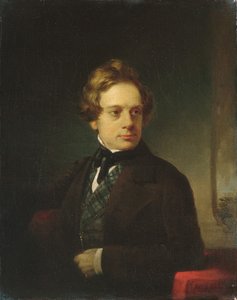
Henry Inman
1801 - 1846 , United States of America
Основные сведения
- Artistic Movement Or Style: Hudson River School
- Artists Or Movements Influenced By This Artist: ['Jacob Hart Lazarus']
- Artists Who Influenced This Artist: ['John Wesley Jarvis']
- Date Of Birth: 1801
- Date Of Death: 1846
- Full Name: Henry Inman
- Nationality: American
- Notable Artworks:
- Rydal Falls
- Rip van winkle
- Boyhood of Washington
- Place Of Birth: Utica, United States of America
Похожие статьи
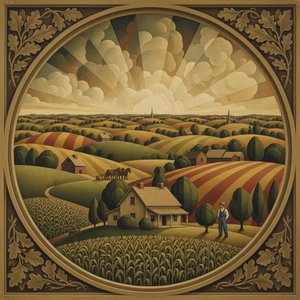
Grant Wood & American Regionalism: Identity, Myth & the Rural Landscape
Explore the world of Grant Wood & American Regionalism with ArtsDot. Discover the symbolism behind 'American Gothic', recurring themes, and the movement's lasting impact on art history. High-quality reproductions available.

Evocations of Place: A Historical Journey Through Landscape Art
Explore the rich history of landscape art with ArtsDot. Discover renowned artists, movements like Impressionism & Romanticism, and expert guidance for collecting timeless pieces. Find your perfect serene escape today!

Романтический пейзаж: 10 шедевров, изменивших искусство | ArtsDot.com
Погрузитесь в мир романтического пейзажа! 10 шедевров Фридриха, Тёрнера и других гениев. Узнайте историю создания культовых картин и вдохновитесь для декора интерьера. Репродукции высокого качества на ArtsDot.com.
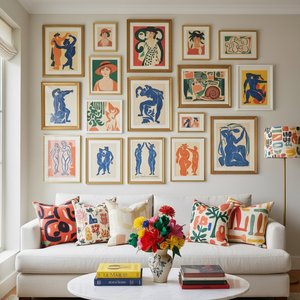
Топ-25 шедевров Анри Матисса: Цвет и форма в интерьере с ArtsDot
Погрузитесь в мир Анри Матисса! 25 шедевров фовизма, ярких красок и новаторских техник. Узнайте историю создания культовых картин художника и вдохновитесь для интерьера с ArtsDot.com – музейное качество репродукций.
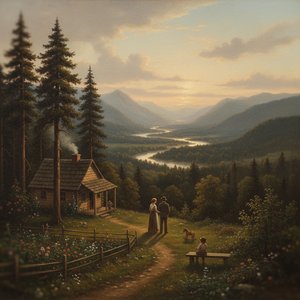
Herman Herzog: Capturing American Landscapes & the Pursuit of Domestic Idealism
Explore the captivating landscapes of Herman Herzog, a pivotal American artist known for his realistic depictions of Yosemite & Florida scenes. Discover his legacy, artistic journey, and market value with ArtsDot.