

 Предпросмотр
 Поделиться
 Поделиться
 Детали произведения

 Скачать
 Похожие работы
 Рентгенография
 Слайд-шоу
 Статистика
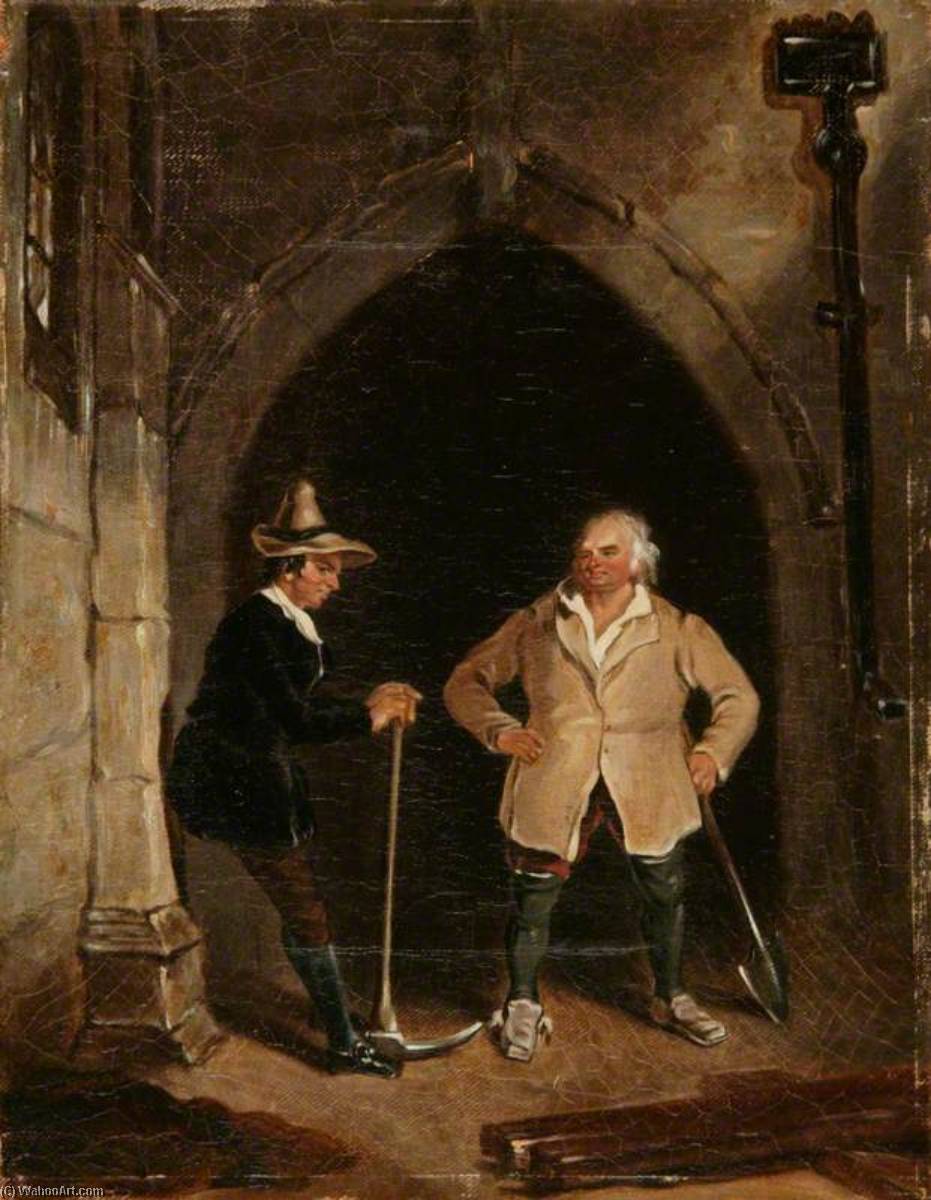
The Grave Diggers
 1831
1831 29.0 x 22.0 cm
 Читать далее
Масляная репродукция ручной работы
Картина маслом на холсте в выбранном вами размере и раме, написанная на заказ нашими художниками. ( Перейти к печати Перейти к цифровым изображениям)




































Выберите один из наших стандартных размеров, соответствующих оригинальным пропорциям произведения искусства.

Вы можете указать собственные размеры, чтобы картина идеально вписалась в выбранную раму или пространство. Если выбранный вами размер не соответствует пропорциям оригинала, мы либо обрежем полотно, либо расширим его за счет дополнительных элементов, написанных вручную. Цифровой макет будет отправлен вам на утверждение перед началом производства.
Обратите внимание, что предварительный просмотр на экране не отражает фактическую обрезку или расширение. Только макет точно покажет окончательную композицию.
Хотя доступны индивидуальные размеры, мы рекомендуем выбирать вариант из предопределенного списка, чтобы сохранить исходные пропорции.
После оформления заказа команда ArtsDot.com свяжется с клиентом по электронной почте для уточнения деталей и предоставит предварительный макет
Доставка по всему миру () за 3–4 недели вместо стандартных 5 недель. (11 Сентябрь). Без компромиссов в качестве.

Бесплатная экспресс-доставка по всему миру

Высококачественный льняной холст

Полное страхование доставки

Гарантия возмещения таможенных пошлин

Гарантия точного соответствия цветов

100-дневная политика возврата (только при обнаружении дефектов)

Гарантия возврата 100% средств

Предложение оптовых скидок
 Вариант со стеклом доступен только для размеров менее 110 см

The Grave Diggers
Техника репродукции
Размер репродукции
-


Итоговая стоимость
$ 263
Artistic Style and Technique
Henry Liverseege's artistic style is characterized by his use of chiaroscuro, a technique that uses strong contrasts between light and dark to create a sense of depth and volume. This technique is evident in The Grave Diggers, where the dark room and the men's clothing are juxtaposed with the lighter tones of their faces and hands. The painting also showcases Liverseege's attention to detail, particularly in the rendering of the men's facial expressions and clothing.Similar Paintings and Artists
Other notable paintings that showcase similar artistic styles and techniques include Rebecca Gratz by Thomas Sully, which can be found at the Rosenbach Museum and Library. This painting, created in 1831, is a captivating oil on panel portrait that showcases the artist's skill in capturing the essence of his subject. For more information on Thomas Sully and his works, visit https://ArtsDot.com.- Mrs. Edward Kellogg by William Jewett is another notable painting that showcases the artist's skill in capturing the essence of his subject.
- The Museum of Lancashire in Preston, United Kingdom, houses numerous masterpieces from renowned artists, making it an essential stop on any British art tour. For more information on the museum and its collections, visit https://ArtsDot.com.
For more information on Henry Liverseege and his works, visit https://ArtsDot.com.
Похожие произведения







Биография художника
A Life Defined by Fragility and Vision
The story of Henry Liverseege is one of profound paradox, where a physically broken body housed an extraordinarily vibrant and imaginative spirit. Born in Manchester in 1802, Liverseege’s early years were shadowed by severe physical infirmities that would ultimately claim his life at the tender age of thirty. He lived with chronic asthma and a spinal deformity known as scoliosis, which left him with a noticeably uneven silhouette. The sheer fragility of his existence was such that, upon his untimely death in 1832, it was revealed that one of his lungs had failed to develop entirely. This physical struggle was compounded by personal tragedy; rejected by his father, Edmund, a local joiner, the young artist was raised by his uncle, John Green, a prosperous cotton mill owner. It was this familial support that provided the stability necessary for Liverseege to transform his internal struggles into a lasting artistic legacy.
Despite the limitations imposed by his constitution—at times weighing as little as seventy pounds—Liverseege possessed an unyielding drive to communicate through visual storytelling. His early creative impulses were not found in the grand halls of academies, but in the humble, tactile world of local commerce and performance. Before he became a master of the literary genre, he found footing in the practical arts, designing inn signs and painting modest portraits for small commissions. These early endeavors, though perhaps viewed by contemporaries as mere trades, served as the foundational training ground where he learned to capture the essence of character and the subtle play of light upon a subject.
The Romantic Soul and Literary Landscapes
As his talent matured, Liverseege’s focus shifted from the literal to the legendary. Around 1826, he began to move away from portraiture toward a more ambitious specialization in genre paintings that drew heavily from the wellspring of literature and folklore. He became a painter deeply embedded in the Romantic movement, finding his greatest inspiration in the sweeping narratives of Sir Walter Scott. The dramatic tension, historical weight, and folkloric richness of Scott’s novels provided the perfect canvas for Liverseege’s meticulous eye for detail and his ability to evoke deep emotion.
His work often functioned as a visual bridge between the written word and the viewer's imagination. He had a remarkable gift for populating his canvases with characters that felt plucked directly from the pages of a classic novel—figures caught in moments of quiet reflection, sudden peril, or intense drama. His technique was characterized by a certain dramatic realism; he did not merely illustrate scenes but sought to imbue them with a sense of lived history and atmospheric depth. Whether depicting Shakespearean figures like Sir John Falstaff or scenes steeped in English folklore, his brushwork aimed to capture the psychological truth of his subjects.
A Legacy Cut Short
The trajectory of Liverseege’s career remains one of the great "what ifs" of nineteenth-century British art. His death in 1832 silenced a voice that was only just beginning to find its full resonance within the Royal Academy and the wider art world. There is a poignant consensus among historians that had he been granted more time, his talent would have undoubtedly secured him a place among the giants of his era. He left behind a body of work that serves as a testament to the triumph of creativity over physical adversity.
Today, Liverseege is remembered not just for the technical skill displayed in his oil paintings and watercolours, but for the evocative power of his storytelling. His contributions to the genre painting tradition remain significant, offering a window into the Romantic sensibilities of the early Victorian period. His life remains a hauntingly beautiful narrative of an artist who, though confined by the limits of his own breath, managed to capture the boundless spirit of human legend.
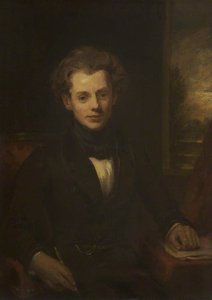
Henry Liverseege
1802 - 1832
Основные сведения
- Artistic Movement Or Style: Romantic Painting
- Artists Or Movements Influenced By This Artist: ['Walter Scott']
- Date Of Birth: September 4, 1802
- Date Of Death: January 13, 1832
- Full Name: Henry Liverseege
- Nationality: English
- Notable Artworks:
- The Grave Diggers
- Edie Ochiltree, Sir Arthur Wardour and Isabella Wardour in the Storm An Illustration to Sir Walter Scott's 'The Antiquary'
- The Betrothed
- Place Of Birth: Manchester, England