

 Предпросмотр
 Поделиться
 Поделиться
 Детали произведения

 Скачать
 Похожие работы
 Рентгенография
 Слайд-шоу
 Статистика
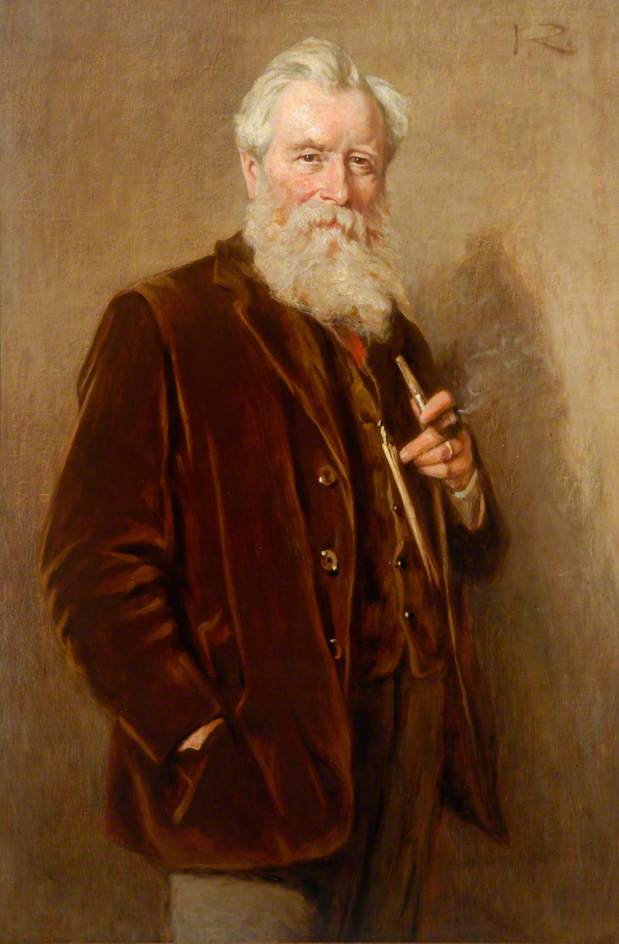
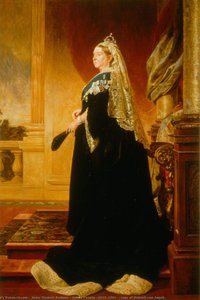
Robert Spence Watson (1837–1911)
 111.0 x 74.0 cm
 The Literary - Philosophical Society of Newcastle
 Читать далее
Приобретите цифровое изображение высокого разрешения в улучшенном качестве, которое значительно превосходит онлайн-превью.
Каждый файл тщательно подготавливается нашими специалистами с использованием передовых инструментов и экспертной ручной ретуши. Мы гарантируем исключительную четкость, точную цветопередачу и детальную проработку каждого изображения.
Финальный файл доставляется по электронной почте в течение 72 часов и оптимизирован для немедленного использования в профессиональной среде, при верстке и печати. Это тот же уровень качества, которому доверяют ведущие дизайнерские студии, издательства и галереи.
Цифровое изображение
Скачайте файл высокого разрешения для личного использования, печати и творческих проектов. ( Перейти к печати Купить картину ручной работы)
Включено в каждый заказ цифровых изображений
Гарантия экспертной цифровой доставки
Выбирая ArtsDot.com, вы получаете не просто изображение — вы приобретаете профессионально обработанное цифровое произведение искусства, созданное с безупречной точностью и под защитой гарантии качества. Вот всё, что автоматически входит в ваш заказ:

Мгновенная доставка по e-mail
Ваш цифровой файл в высоком разрешении будет отправлен вам по электронной почте в течение 72 часов после оформления заказа — и сразу станет доступен для использования.

Цифровой файл с ИИ-улучшением
Ваше произведение искусства проходит профессиональную оптимизацию с использованием передовых инструментов ИИ и ручной обработки, что гарантирует максимальную детализацию, четкость и точность цветопередачи.

Бессрочная бесплатная повторная доставка
Случайно удалили или потеряли файл? Не беспокойтесь — мы отправим его вам повторно в любое время и совершенно бесплатно.

Без импортных пошлин — навсегда
Наслаждайтесь вашим произведением искусства мгновенно без таможенных пошлин, сборов или затрат на доставку — цифровые загрузки всегда не облагаются налогом.

Гарантия точности цветопередачи
Мы гарантируем, что ваше цифровое изображение максимально точно передает оригинальные цвета благодаря использованию профессиональных инструментов и систем управления цветом.

Гарантия удовлетворенности 100 дней
Если вы не будете удовлетворены своим цифровым изображением, мы внесем правки или вернем 100% стоимости в течение 100 дней — без лишних вопросов.

100% Гарантия возврата средств
Не удовлетворены покупкой? Получите полный возврат средств в течение 100 дней после получения цифрового файла — без лишних вопросов.

Скидки на оптовые заказы
Купите 3 изображения, сэкономьте 10% — Купите 5, сэкономьте 15% — Купите 10+, сэкономьте 20%. Отличное решение для творческих проектов, галерей и агентств.
Похожие произведения



Биография художника
Henry Macbeth-Raeburn: A Glasgow Movement Master of Light and Line
Henry Macbeth-Raeburn (1860-1947) stands as a quietly significant figure within the vibrant tapestry of late 19th and early 20th century British art. Born in Helensburgh, Scotland, into an artistic lineage tracing back to Norman Macbeth, a renowned portraitist, Henry’s journey was one of dedicated craft, evolving from a student of the Royal Academy to a respected printmaker deeply connected with the Glasgow Movement. His work, often characterized by meticulous detail and a subtle yet powerful use of light and shadow, reflects both his formal training and his engagement with the innovative spirit of his time.
Early life provided Henry with an immediate immersion in artistic practice. His father’s profession as a mechanical engineer instilled a keen eye for precision, while his family's artistic heritage—including his uncle Robert Walker Macbeth and grandfather Norman Macbeth – fostered a deep appreciation for the visual arts. He began his formal training at the Glasgow School of Art, absorbing the influences of masters like William Cruikshank and developing a distinctive style that blended academic rigor with a growing interest in contemporary trends. Crucially, he adopted “Macbeth-Raeburn” as his surname, a deliberate choice to honor both his artistic idol, Henry Raeburn, and distinguish himself within his family’s established artistic circle.
The Glasgow Movement and the Rise of a Printmaker
Henry Macbeth-Raeburn's career truly flourished during his association with the Glasgow Movement – a collective of artists, designers, and craftspeople centered around Charles Rennie Mackintosh and Margaret MacDonald. This movement sought to revitalize British design through a synthesis of craftsmanship, functionality, and artistic expression, rejecting the prevailing Victorian aesthetic in favor of a more modern and democratic approach. Macbeth-Raeburn’s work became inextricably linked with this ethos, particularly his contributions to the production of suffragette banners for the Women's Social and Political Union. These bold, graphic designs—characterized by their striking imagery and powerful messages – demonstrated his commitment to social causes and showcased his burgeoning skills in reproductive engraving.
His involvement extended beyond mere decoration; he actively taught needlework at the Glasgow School of Art, disseminating his innovative techniques and advocating for a shift in perceptions of craft. He championed the use of humble materials like cotton and linen, arguing that beauty could be found not only in luxurious fabrics but also in the skillful manipulation of everyday resources. This philosophy reflected a broader movement towards accessibility and inclusivity within the art world.
Technique and Subject Matter
Macbeth-Raeburn’s technical prowess is immediately apparent in his prints, which demonstrate an extraordinary command of mezzotint and etching techniques. He meticulously rendered details with remarkable precision, capturing subtle nuances of light and texture. His subjects ranged from portraits – often inspired by the works of Henry Raeburn himself—to scenes of Scottish landscapes and historical figures. A key element of his style was his ability to evoke atmosphere through careful manipulation of tonal values and line weight. He frequently employed a limited palette, prioritizing clarity and impact over excessive color.
His portraiture, in particular, reveals an astute understanding of character and psychological depth. Rather than simply replicating surface appearances, he sought to capture the essence of his subjects—their personalities, emotions, and inner lives. This is evident in works such as his print after Raeburn’s “Dr. Nathaniel Spens,” where Macbeth-Raeburn skillfully translated the master's masterful use of light and shadow into a contemporary medium.
Legacy and Recognition
Despite often working behind the scenes, Henry Macbeth-Raeburn earned considerable recognition during his lifetime. He was elected an Associate of the Royal Academy in 1922 and a full member in 1933, solidifying his place within the established British art world. His work has been exhibited at prestigious institutions including the Royal Academy and the Ipswich Art Club, and is now held by collections such as the British Museum. His influence can be seen in the work of subsequent generations of printmakers and designers, particularly those associated with the Glasgow Movement.
Today, Henry Macbeth-Raeburn’s legacy endures as a testament to the power of dedication, innovation, and social engagement. His meticulous prints offer a window into a fascinating period of British art history—a time of experimentation, reform, and a renewed appreciation for the beauty of craft.
henry macbeth raeburn
1860 - 1947
Основные сведения
- Artistic Movement Or Style: Glasgow Movement
- Artists Or Movements Influenced By This Artist:
- Margaret MacDonald
- Charles Rennie Mackintosh
- Artists Who Influenced This Artist: ['Henry Raeburn']
- Date Of Birth: 24 Sept 1860
- Date Of Death: 3 Dec 1947
- Full Name: Henry Macbeth-Raeburn
- Nationality: British
- Notable Artworks:
- Sir John Sinclair
- Dr Nathaniel Spens
- Place Of Birth: Helensburgh, Scotland