

 Предпросмотр
 Поделиться
 Поделиться
 Детали произведения

 Скачать
 Похожие работы
 Рентгенография
 Слайд-шоу
 Статистика
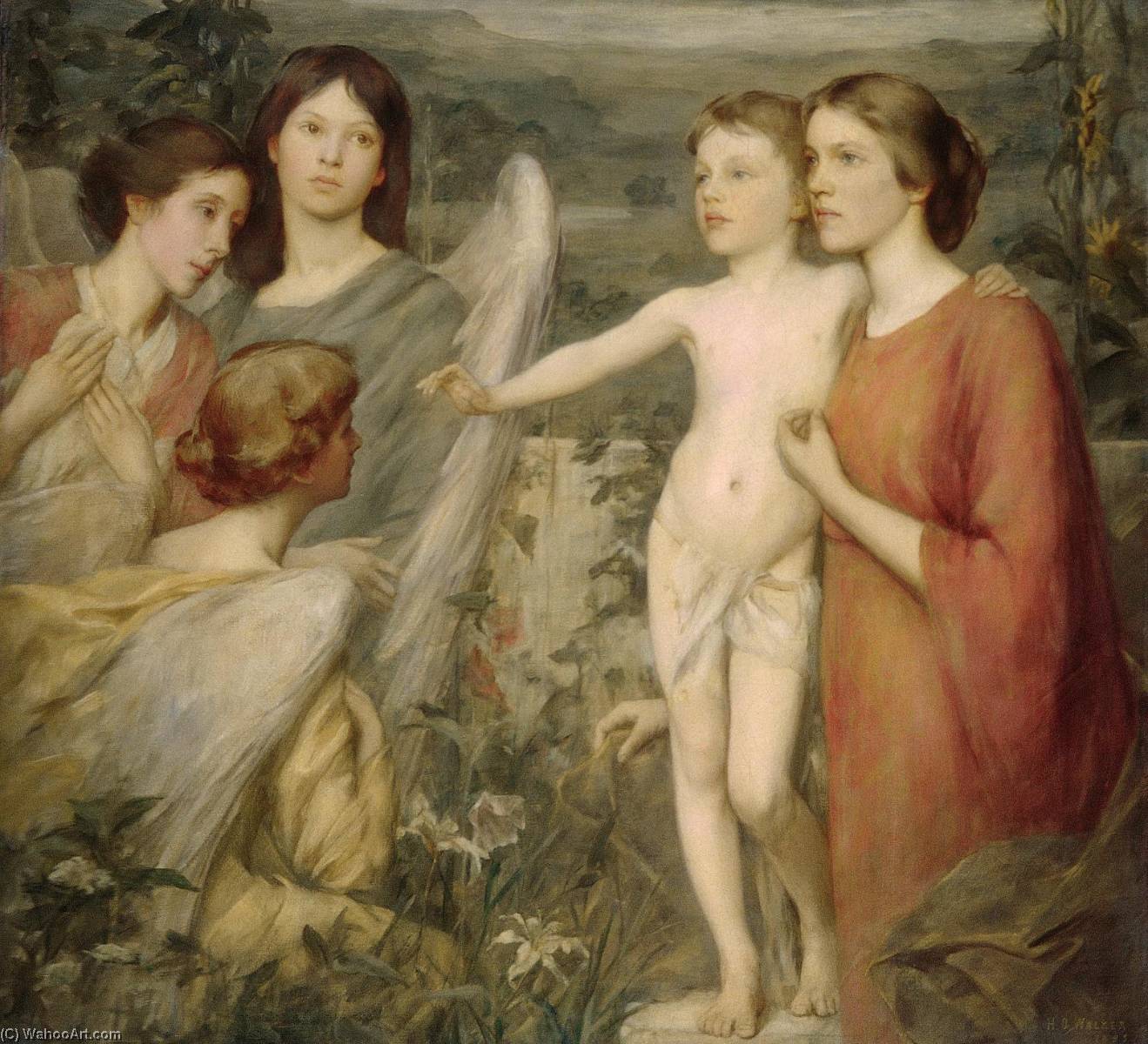
A Morning Vision

 Читать далее
Приобретите цифровое изображение высокого разрешения в улучшенном качестве, которое значительно превосходит онлайн-превью.
Каждый файл тщательно подготавливается нашими специалистами с использованием передовых инструментов и экспертной ручной ретуши. Мы гарантируем исключительную четкость, точную цветопередачу и детальную проработку каждого изображения.
Финальный файл доставляется по электронной почте в течение 72 часов и оптимизирован для немедленного использования в профессиональной среде, при верстке и печати. Это тот же уровень качества, которому доверяют ведущие дизайнерские студии, издательства и галереи.
Цифровое изображение
Скачайте файл высокого разрешения для личного использования, печати и творческих проектов. ( Перейти к печати Купить картину ручной работы)
Включено в каждый заказ цифровых изображений
Гарантия экспертной цифровой доставки
Выбирая ArtsDot.com, вы получаете не просто изображение — вы приобретаете профессионально обработанное цифровое произведение искусства, созданное с безупречной точностью и под защитой гарантии качества. Вот всё, что автоматически входит в ваш заказ:

Мгновенная доставка по e-mail
Ваш цифровой файл в высоком разрешении будет отправлен вам по электронной почте в течение 72 часов после оформления заказа — и сразу станет доступен для использования.

Цифровой файл с ИИ-улучшением
Ваше произведение искусства проходит профессиональную оптимизацию с использованием передовых инструментов ИИ и ручной обработки, что гарантирует максимальную детализацию, четкость и точность цветопередачи.

Бессрочная бесплатная повторная доставка
Случайно удалили или потеряли файл? Не беспокойтесь — мы отправим его вам повторно в любое время и совершенно бесплатно.

Без импортных пошлин — навсегда
Наслаждайтесь вашим произведением искусства мгновенно без таможенных пошлин, сборов или затрат на доставку — цифровые загрузки всегда не облагаются налогом.

Гарантия точности цветопередачи
Мы гарантируем, что ваше цифровое изображение максимально точно передает оригинальные цвета благодаря использованию профессиональных инструментов и систем управления цветом.

Гарантия удовлетворенности 100 дней
Если вы не будете удовлетворены своим цифровым изображением, мы внесем правки или вернем 100% стоимости в течение 100 дней — без лишних вопросов.

100% Гарантия возврата средств
Не удовлетворены покупкой? Получите полный возврат средств в течение 100 дней после получения цифрового файла — без лишних вопросов.

Скидки на оптовые заказы
Купите 3 изображения, сэкономьте 10% — Купите 5, сэкономьте 15% — Купите 10+, сэкономьте 20%. Отличное решение для творческих проектов, галерей и агентств.
Похожие произведения










Биография художника
Henry Oliver Walker: A Master of Allegory and Cornish Light
Henry Oliver Walker (1843-1929) stands as a quietly significant figure in late 19th and early 20th century American art. Often overshadowed by the more flamboyant figures of the Cornish Art Colony, Walker’s contribution lies in his profound ability to imbue allegorical narratives with an exquisite sensitivity to light, color, and human emotion. Born in Boston, Massachusetts, he embarked on a journey of artistic refinement that culminated in a distinguished career marked by mural commissions for prominent institutions and a deep engagement with the evolving currents of European art.
Walker’s early life offered little indication of his future as an artist. He initially pursued a career in business before dedicating himself to painting in 1879, spurred by a desire to study under Léon Bonnat at the École des Beaux-Arts in Paris. This immersion in French academic tradition proved formative, grounding him in classical composition and technique while simultaneously exposing him to the burgeoning Impressionist movement. Returning to America in 1882, he established a studio in New York City before relocating to Cornish, New Hampshire, in 1888 – a pivotal moment that cemented his connection to the vibrant artistic community centered around Maxfield Parrish and Kenyon Cox. The Cornish colony provided a fertile environment for experimentation and collaboration, fostering Walker’s distinctive style.
The Language of Allegory
Walker's most enduring legacy resides in his allegorical paintings – works that frequently explore themes of mythology, literature, and morality. Unlike the often-bombastic approach to allegory favored by some contemporary artists, Walker’s interpretations are characterized by a remarkable restraint and psychological depth. He eschewed overt theatricality, instead opting for subtle gestures, evocative color palettes, and carefully constructed compositions that invite contemplation rather than immediate interpretation. His subjects—often drawn from classical mythology or the works of Shakespeare—are presented with an almost melancholic grace, conveying a sense of longing, loss, and quiet dignity.
Consider his iconic “Narcissus,” a poignant depiction of the Greek hero’s fatal obsession with his own reflection. The painting isn't a dramatic spectacle; rather, it captures a moment of profound solitude and self-absorption, rendered in muted blues and greens that subtly convey the character’s despair. Similarly, "Hagar and Ishmael" powerfully portrays the biblical mother and son’s arduous journey across the desert, utilizing a limited range of earthy tones to evoke both their physical hardship and spiritual isolation. These works demonstrate Walker's ability to translate complex narratives into visually arresting images that resonate with universal human experiences.
Technique and Influences
Walker’s artistic style evolved significantly throughout his career, reflecting the diverse influences he encountered. Initially rooted in French academic tradition, his work gradually absorbed elements of Impressionism and Symbolism. He was particularly drawn to the atmospheric effects of J.M.W. Turner and the evocative color palettes of Pierre Puvis de Chavannes, a key figure in the Cornish Art Colony. Puvis’s influence is readily apparent in Walker's later works, notably his mural decorations for the Library of Congress, where he employed a delicate pastel palette and flattened perspective to create scenes of idealized beauty and timeless grace.
Walker was a meticulous craftsman, employing a refined technique characterized by smooth brushwork, subtle gradations of color, and an exceptional command of light. He paid close attention to detail, meticulously rendering the textures of fabrics, foliage, and skin—a testament to his commitment to realism within an allegorical framework. His use of glazing techniques created luminous surfaces that shimmered with reflected light, contributing significantly to the ethereal quality of his paintings.
Legacy and Recognition
Despite not achieving widespread fame during his lifetime, Henry Oliver Walker’s work has been increasingly recognized for its artistic merit and historical significance in recent decades. His murals at the Library of Congress—featuring portraits of celebrated poets—stand as a lasting tribute to American literary heritage. His decorative paintings adorn public buildings across New England, including Bowdoin College, the Massachusetts State House, and the Court House in Newark, New Jersey, offering glimpses into his artistic vision for generations to come.
Today, Walker’s paintings are housed in prominent collections, including The Metropolitan Museum of Art and the Smithsonian American Art Museum. His work continues to be studied and admired for its quiet beauty, psychological depth, and enduring relevance. Henry Oliver Walker's legacy is not one of grand pronouncements or dramatic displays, but rather a testament to the power of subtle observation, refined technique, and an unwavering commitment to capturing the essence of human experience through allegory.
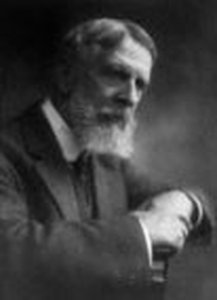
henry oliver walker
1843 - 1929
Основные сведения
- Artistic Movement Or Style: Allegorical/Mural Art
- Artists Or Movements Influenced By This Artist: ['Cornish Art Colony']
- Artists Who Influenced This Artist: ['Pierre Puvis de Chavannes']
- Date Of Birth: May 14, 1843
- Date Of Death: Jan 14, 1929
- Full Name: Henry Oliver Walker
- Nationality: American
- Notable Artworks:
- Narcissus
- Hagar and Ishmael
- Eros et Musa
- Place Of Birth: Boston, Massachusetts