

 Предпросмотр
 Поделиться
 Поделиться
 Детали произведения

 Скачать
 Похожие работы
 Рентгенография
 Слайд-шоу
 Статистика
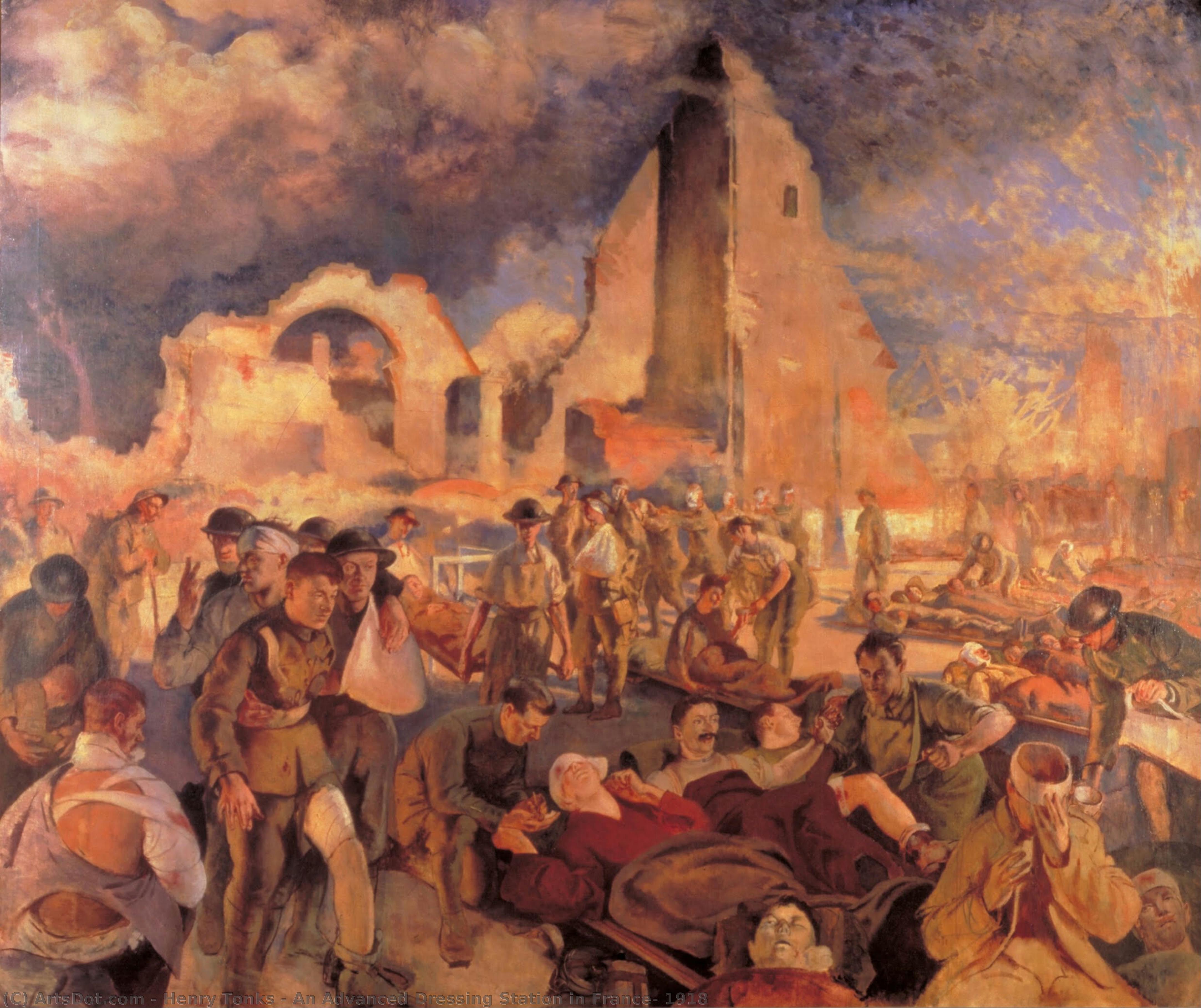
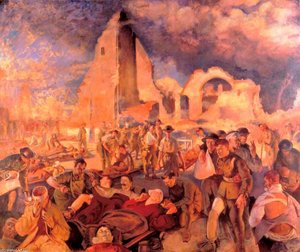
An Advanced Dressing Station in France, 1918
 Acrylic On Canvas
- WallArt
- Realism
 1918
1918 218.0 x 182.0 cm
 Имперские военные музеи
 Читать далее
Приобретите цифровое изображение высокого разрешения в улучшенном качестве, которое значительно превосходит онлайн-превью.
Каждый файл тщательно подготавливается нашими специалистами с использованием передовых инструментов и экспертной ручной ретуши. Мы гарантируем исключительную четкость, точную цветопередачу и детальную проработку каждого изображения.
Финальный файл доставляется по электронной почте в течение 72 часов и оптимизирован для немедленного использования в профессиональной среде, при верстке и печати. Это тот же уровень качества, которому доверяют ведущие дизайнерские студии, издательства и галереи.
Цифровое изображение
Скачайте файл высокого разрешения для личного использования, печати и творческих проектов. ( Перейти к печати Купить картину ручной работы)
Включено в каждый заказ цифровых изображений
Гарантия экспертной цифровой доставки
Выбирая ArtsDot.com, вы получаете не просто изображение — вы приобретаете профессионально обработанное цифровое произведение искусства, созданное с безупречной точностью и под защитой гарантии качества. Вот всё, что автоматически входит в ваш заказ:

Мгновенная доставка по e-mail
Ваш цифровой файл в высоком разрешении будет отправлен вам по электронной почте в течение 72 часов после оформления заказа — и сразу станет доступен для использования.

Цифровой файл с ИИ-улучшением
Ваше произведение искусства проходит профессиональную оптимизацию с использованием передовых инструментов ИИ и ручной обработки, что гарантирует максимальную детализацию, четкость и точность цветопередачи.

Бессрочная бесплатная повторная доставка
Случайно удалили или потеряли файл? Не беспокойтесь — мы отправим его вам повторно в любое время и совершенно бесплатно.

Без импортных пошлин — навсегда
Наслаждайтесь вашим произведением искусства мгновенно без таможенных пошлин, сборов или затрат на доставку — цифровые загрузки всегда не облагаются налогом.

Гарантия точности цветопередачи
Мы гарантируем, что ваше цифровое изображение максимально точно передает оригинальные цвета благодаря использованию профессиональных инструментов и систем управления цветом.

Гарантия удовлетворенности 100 дней
Если вы не будете удовлетворены своим цифровым изображением, мы внесем правки или вернем 100% стоимости в течение 100 дней — без лишних вопросов.

100% Гарантия возврата средств
Не удовлетворены покупкой? Получите полный возврат средств в течение 100 дней после получения цифрового файла — без лишних вопросов.

Скидки на оптовые заказы
Купите 3 изображения, сэкономьте 10% — Купите 5, сэкономьте 15% — Купите 10+, сэкономьте 20%. Отличное решение для творческих проектов, галерей и агентств.
A Chronicle of Wounds and Hope: Henry Tonks’s “An Advanced Dressing Station in France, 1918”
Henry Tonks's "An Advanced Dressing Station in France, 1918" is more than a mere depiction of wartime medicine; it’s a poignant testament to the brutal realities of the First World War and a surprisingly hopeful meditation on human resilience. Commissioned during the height of the conflict for the British War Memorials Committee, this monumental oil painting captures a scene within an advanced field hospital nestled amidst the ravaged landscape of France in 1918. Tonks, a man whose life seamlessly intertwined surgery, art, and military service – he was a surgeon, a draughtsman, and a respected teacher at the Slade School of Art – brought his unique perspective to bear on this challenging subject, resulting in an artwork that is both deeply unsettling and profoundly moving.
Tonks’s background as a medical professional undeniably informs the painting's meticulous detail. He wasn’t simply sketching soldiers; he was rendering the complex processes of treatment with startling accuracy. The scene unfolds within a tent-like structure, its interior crammed with wounded men – some lying prone, others seated or leaning against supports, their faces etched with pain and exhaustion. The artist doesn't shy away from portraying the gruesome realities of war: exposed wounds, bandages meticulously applied, and the palpable sense of suffering are all rendered with unflinching honesty. Yet, amidst this chaos, Tonks masterfully avoids sentimentality, presenting a scene of pragmatic care rather than outright despair.
The Language of Medicine and Observation
Tonks’s artistic style leans heavily towards realism, but it's infused with a subtle impressionistic quality. He employs loose brushstrokes and a muted color palette – predominantly browns, greys, and ochres – to evoke the grim atmosphere of the battlefield. The lighting is diffused, casting long shadows that emphasize the figures’ vulnerability. Crucially, Tonks wasn’t interested in heroic glorification; instead, he focused on detailed observation, meticulously documenting the various injuries and treatments observed within the field hospital. This approach reflects his medical training – a keen eye for detail and an understanding of anatomy are evident throughout the composition.
The arrangement of figures is carefully considered. Tonks groups them in ways that suggest both order and chaos. The orderly rows of wounded men contrast with the disarray of the surroundings, creating a visual tension that mirrors the psychological state of those caught within the war’s grip. Notice how he uses spatial relationships to draw the viewer's eye through the scene – from the immediate foreground, filled with the most visible casualties, to the distant background, where the ravaged landscape stretches into the horizon.
Symbolism and Emotional Resonance
Beyond its documentary value, “An Advanced Dressing Station in France, 1918” is rich in symbolic meaning. The presence of medical personnel – surgeons, nurses, and orderlies – represents a fragile hope amidst the devastation. Their efforts to alleviate suffering speak to humanity’s enduring capacity for compassion and care. The inclusion of various types of dressings and instruments subtly underscores the complexity of medical practice during wartime.
Despite the somber subject matter, there's an underlying current of resilience within the painting. The figures are not passively awaiting death; they are actively engaged in their own survival – receiving treatment, offering comfort to one another, and maintaining a semblance of order amidst the chaos. Tonks’s choice to depict these moments of quiet dignity suggests that even in the darkest hours of war, humanity can find strength and solace in connection and care.
A Legacy Preserved
Following the First World War, the original painting was transferred to the Imperial War Museum, where it continues to resonate with viewers today. Reproductions offer a powerful window into this pivotal moment in history, reminding us of the immense human cost of conflict and the enduring importance of medical care. Tonks’s “An Advanced Dressing Station in France, 1918” stands as a testament not only to his artistic skill but also to his profound understanding of the human condition – a poignant reminder of both suffering and hope within the crucible of war.
Похожие произведения
Биография художника
A Life Bridging Surgery, Art, and Influence
Henry Tonks (1862–1937) occupies a unique position in British art history—a figure who seamlessly transitioned between the exacting world of surgery and the expressive realm of painting. Born in Solihull, Warwickshire, to a family involved in brass foundry ownership in Birmingham, his early life hinted at neither artistic nor medical pursuits. He received his initial education at Bloxham School, followed by Clifton College in Bristol, before embarking on what appeared to be a conventional path: medicine. Studying at the Royal Sussex County Hospital in Brighton (1882–85) and later at the London Hospital in Whitechapel (1885–88), Tonks diligently pursued his medical training, becoming a house surgeon under the renowned Sir Frederick Treves and earning Fellowship of the Royal College of Surgeons in 1888. He continued to practice at the Royal Free Hospital in London, simultaneously lecturing on anatomy at the London Hospital Medical School from 1892. Yet, even amidst these demanding commitments, an artistic inclination began to stir, subtly reshaping his destiny.From Scalpel to Brush: Artistic Development and Influences
The turning point arrived with evening studies at Westminster School of Art under Frederick Brown. This marked the beginning of Tonks’s serious exploration of art, a pursuit that gradually eclipsed his medical career. He began exhibiting with the New English Art Club in 1891, becoming a member four years later, and quickly established himself as a perceptive draughtsman and painter. His artistic sensibilities were profoundly shaped by French Impressionism, evident in his sensitive use of light and color, though always tempered by his own meticulous observation and anatomical knowledge. Tonks moved within a vibrant circle of artists, forging connections with luminaries like James McNeill Whistler, Walter Sickert, John Singer Sargent, and George Clausen. These interactions were not merely social; they represented an intellectual exchange that broadened his artistic horizons and refined his technique. He absorbed their approaches to composition, color theory, and the representation of modern life, synthesizing these influences into a distinctive style characterized by both realism and atmospheric nuance. His early works often depicted intimate domestic scenes and portraits, revealing a keen eye for character and psychological depth.The Slade Professor: A Legacy in Art Education
However, Tonks’s most enduring legacy lies not solely in his own artistic output but in his transformative role as an educator. Following Frederick Brown's appointment as Slade Professor of Fine Art at University College London in 1892, Tonks began teaching at the Slade School, quickly becoming a pivotal figure in its curriculum. He eventually succeeded Brown as Slade Professor from 1918 to 1930—a position he initially hesitated to accept, favoring Walter Sickert for the role. He earned the reputation of being “the most renowned and formidable teacher of his generation,” demanding rigorous discipline and unwavering commitment from his students. His teaching philosophy centered on the mastery of fundamental skills – drawing, anatomy, composition – believing that these were essential foundations for any aspiring artist. The roster of artists who passed through Tonks’s studio reads like a roll call of British modernism: Winifred Knights, David Bomberg, William Lionel Claus, Mukul Dey, Ian Fairweather, Mark Gertler, Harold Gilman, Spencer Gore, Edna Clarke Hall, Augustus John, Gwen John, Percy Wyndham Lewis, Hyam Myer, William Orpen, Isaac Rosenberg, Stanley Spencer, and Rex Whistler. His influence extended beyond technical proficiency; he instilled in his pupils a critical mindset and an appreciation for the intellectual challenges of artistic creation.War, Remembrance, and Later Years
The outbreak of World War I prompted Tonks to return to medicine, serving at a prisoner-of-war camp in Dorchester and later at Hill Hall in Essex. This experience profoundly impacted his art, leading him to document the horrors and human cost of war through poignant pastel drawings. He served as a medical orderly near the Marne in France and joined an ambulance unit in Italy before becoming a lieutenant in the Royal Army Medical Corps in 1916. His meticulous records of facial injury cases at Cambridge Military Hospital and Queen’s Hospital—work recognized in exhibitions like “Faces of Battle” at the National Army Museum and “Henry Tonks: Art and Surgery” at the Strang Print Room—are harrowing testaments to the brutality of modern warfare. In 1918, he served as an official war artist, accompanying John Singer Sargent on tours of the Western Front, witnessing scenes that deeply affected him and undoubtedly informed his later work. In 1930, Tonks retired from teaching and passed away peacefully in Chelsea, leaving behind a remarkable body of artistic achievement alongside a profound contribution to British art education. His legacy continues to inspire artists and scholars alike, reminding us of the power of observation, the importance of technical skill, and the enduring relevance of human experience.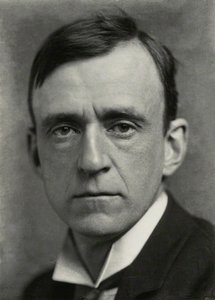
Генри Тонкс
1862 - 1937 , Великобритания
Основные сведения
- Artistic Movement Or Style: Импрессионизм, Современное искусство
- Artists Or Movements Influenced By This Artist:
- Книгты
- Бомберг
- Artists Who Influenced This Artist:
- Виттор Сикерт
- Сэр Фрэнк Тревз
- Джеймс Макнейл Уизстер
- Date Of Birth: 1862
- Date Of Death: 1937
- Full Name: Henry Tonks
- Nationality: Британский
- Notable Artworks:
- Тонкс и отец в инвалидной коляске
- Уильям Пол
- Отдача Пужоса Гора
- Place Of Birth: Соihull, Великобритания