

 Поделиться
 Поделиться
 Детали произведения

 Скачать
 Похожие работы
 Слайд-шоу
 Статистика
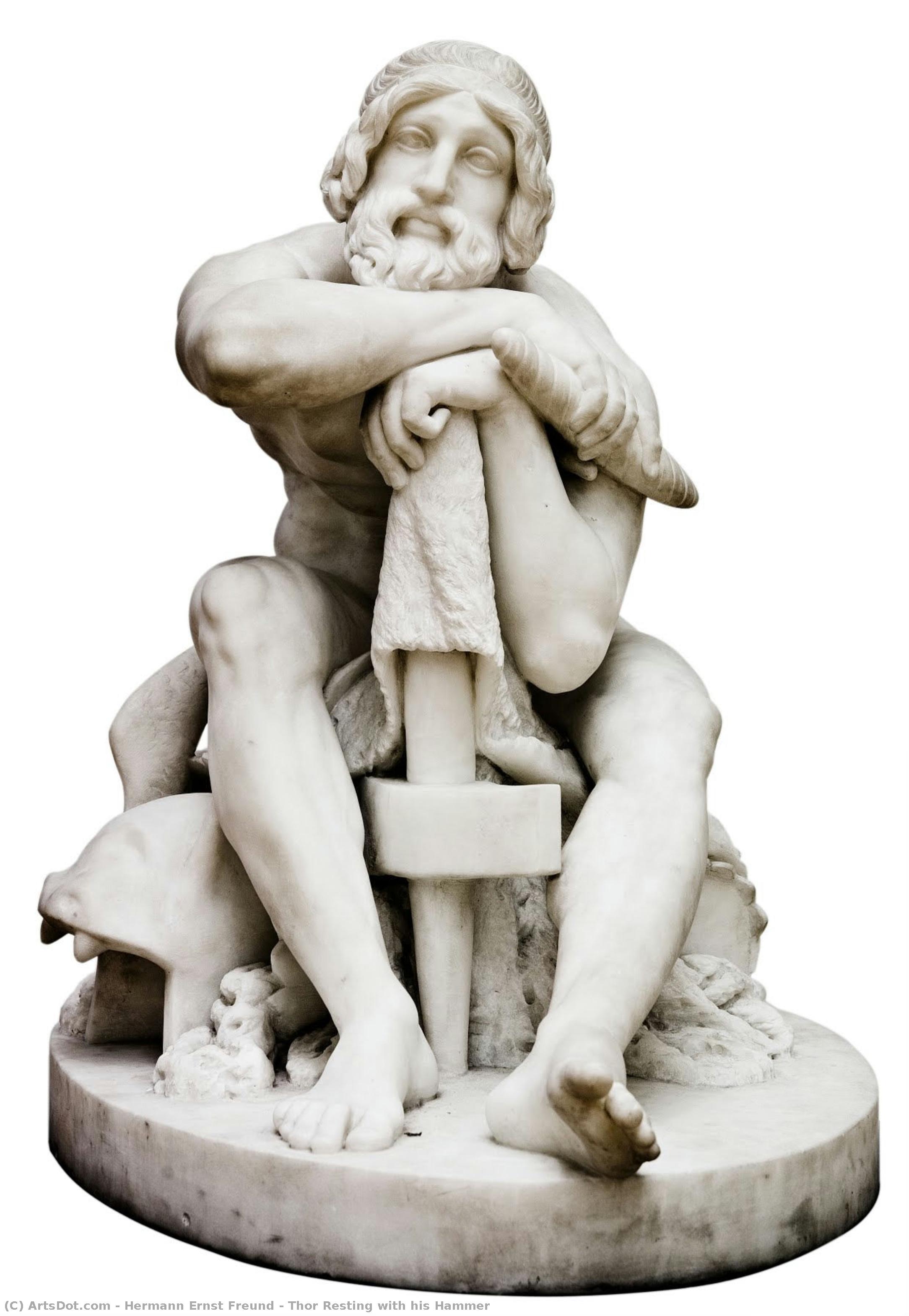
Thor Resting with his Hammer
 Sculpture Bronze
- Sculpture
- Neoclassical Style
 1829
1829 51.0 x 71.0 cm
 Национальная галерея Дании
 Читать далее
Приобретите цифровое изображение высокого разрешения в улучшенном качестве, которое значительно превосходит онлайн-превью.
Каждый файл тщательно подготавливается нашими специалистами с использованием передовых инструментов и экспертной ручной ретуши. Мы гарантируем исключительную четкость, точную цветопередачу и детальную проработку каждого изображения.
Финальный файл доставляется по электронной почте в течение 72 часов и оптимизирован для немедленного использования в профессиональной среде, при верстке и печати. Это тот же уровень качества, которому доверяют ведущие дизайнерские студии, издательства и галереи.
Цифровое изображение
Скачайте файл высокого разрешения для личного использования, печати и творческих проектов. ( Перейти к печати Купить картину ручной работы)
Включено в каждый заказ цифровых изображений
Гарантия экспертной цифровой доставки
Выбирая ArtsDot.com, вы получаете не просто изображение — вы приобретаете профессионально обработанное цифровое произведение искусства, созданное с безупречной точностью и под защитой гарантии качества. Вот всё, что автоматически входит в ваш заказ:

Мгновенная доставка по e-mail
Ваш цифровой файл в высоком разрешении будет отправлен вам по электронной почте в течение 72 часов после оформления заказа — и сразу станет доступен для использования.

Цифровой файл с ИИ-улучшением
Ваше произведение искусства проходит профессиональную оптимизацию с использованием передовых инструментов ИИ и ручной обработки, что гарантирует максимальную детализацию, четкость и точность цветопередачи.

Бессрочная бесплатная повторная доставка
Случайно удалили или потеряли файл? Не беспокойтесь — мы отправим его вам повторно в любое время и совершенно бесплатно.

Без импортных пошлин — навсегда
Наслаждайтесь вашим произведением искусства мгновенно без таможенных пошлин, сборов или затрат на доставку — цифровые загрузки всегда не облагаются налогом.

Гарантия точности цветопередачи
Мы гарантируем, что ваше цифровое изображение максимально точно передает оригинальные цвета благодаря использованию профессиональных инструментов и систем управления цветом.

Гарантия удовлетворенности 100 дней
Если вы не будете удовлетворены своим цифровым изображением, мы внесем правки или вернем 100% стоимости в течение 100 дней — без лишних вопросов.

100% Гарантия возврата средств
Не удовлетворены покупкой? Получите полный возврат средств в течение 100 дней после получения цифрового файла — без лишних вопросов.

Скидки на оптовые заказы
Купите 3 изображения, сэкономьте 10% — Купите 5, сэкономьте 15% — Купите 10+, сэкономьте 20%. Отличное решение для творческих проектов, галерей и агентств.
Похожие произведения
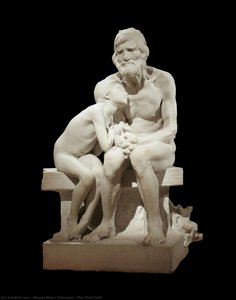
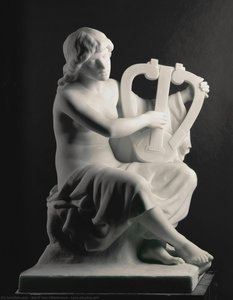
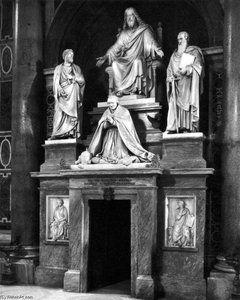
Биография художника
Hermann Ernst Freund: Life and Legacy
Early Life and Training
Hermann Ernst Freund (1786-1840) was a German-born Danish sculptor who achieved recognition for his pioneering work in Nordic mythology and, most notably, the ambitious *Ragnarok Frieze*. Born near Bremen, Germany, he initially pursued training as a smith before dedicating himself to the world of art. He enrolled at the Art Academy in Copenhagen, where his talent quickly shone through, earning him all four silver and gold medals.
Roman Period and Influences
Following his graduation, Freund embarked on a decade-long sojourn in Rome (1810-1820). This period proved pivotal to his artistic development. He became the closest assistant to the renowned sculptor Bertel Thorvaldsen, gaining invaluable experience and refining his skills. His work during this time, such as the marble bust of Bernhard Severin Ingemann (1820), demonstrates a clear influence of Thorvaldsen’s Neoclassical style.
Embracing Nordic Mythology
Upon returning to Denmark, Freund distinguished himself as an early proponent of Romantic Nationalism. He was the first Danish sculptor to actively engage with themes from Nordic mythology, creating a series of twelve statuettes between 1822 and 1829. These included compelling representations of figures like Loki (1822), Odin (bronze, 1827), and Thor (1829). His approach skillfully blended the grandeur of ancient Greek and Roman mythological traditions with distinctly Norse subject matter.
Major Achievements and Artistic Style
- Ragnarok Frieze: Freund’s magnum opus, a monumental frieze depicting the apocalyptic events of Ragnarök (the end of the world in Norse mythology). Though completed posthumously by Herman Wilhelm Bissen after his death in 1840, it represented years of dedicated work. Sadly, the original was destroyed in the Christianborg fire of 1884; however, a plaster cast remains at Statens Museum for Kunst.
- Church of Our Lady Decoration: Freund prepared models for figures intended to adorn the Church of Our Lady in Copenhagen, though the commission ultimately went to Thorvaldsen.
- Sculptural Style: Freund’s style is characterized by a harmonious blend of Neoclassical precision and Romantic emotionality. His figures possess both anatomical accuracy and a sense of dramatic narrative.
Later Life and Legacy
In 1829, Freund was appointed professor at the Academy, solidifying his position within the Danish art world. Inspired by his travels in Southern Italy, he had his official residence, Materialgaard, decorated in a Pompeiian style. He mentored several young artists including Georg Hilker, Heinrich Eddelien, Constantin Hansen and Christen Købke who assisted with the decoration of Materialgaard based on Freund’s designs.
Historical Significance
Hermann Ernst Freund played a crucial role in shaping Danish sculpture during the Golden Age. His pioneering exploration of Nordic mythology not only revitalized national artistic identity but also established a unique and enduring legacy. The largest collection of his works is housed at the Glyptotek in Copenhagen, ensuring that future generations can appreciate his contributions to art history. He remains an important figure for understanding the intersection of Neoclassicism, Romanticism, and National Identity in 19th-century Danish art.
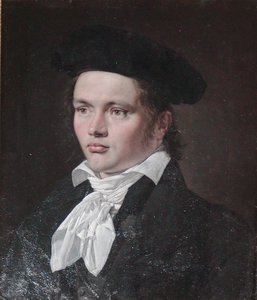
Hermann Ernst Freund
1786 - 1840 , Germany
Основные сведения
- Birth Date: 1786
- Birth Place: Uthlede, Germany
- Death Date: 1840
- Influenced By: Bertel Thorvaldsen
- Movement:
- Romantic Nationalism
- Neoclassicism
- Name: Hermann Ernst Freund
- Nationality: Danish
- Notable Works:
- Ragnarok Frieze
- Loki (1822)
- Odin (1827)
- Thor (1829)