

 Предпросмотр
 Поделиться
 Поделиться
 Детали произведения

 Скачать
 Похожие работы
 Рентгенография
 Слайд-шоу
 Статистика
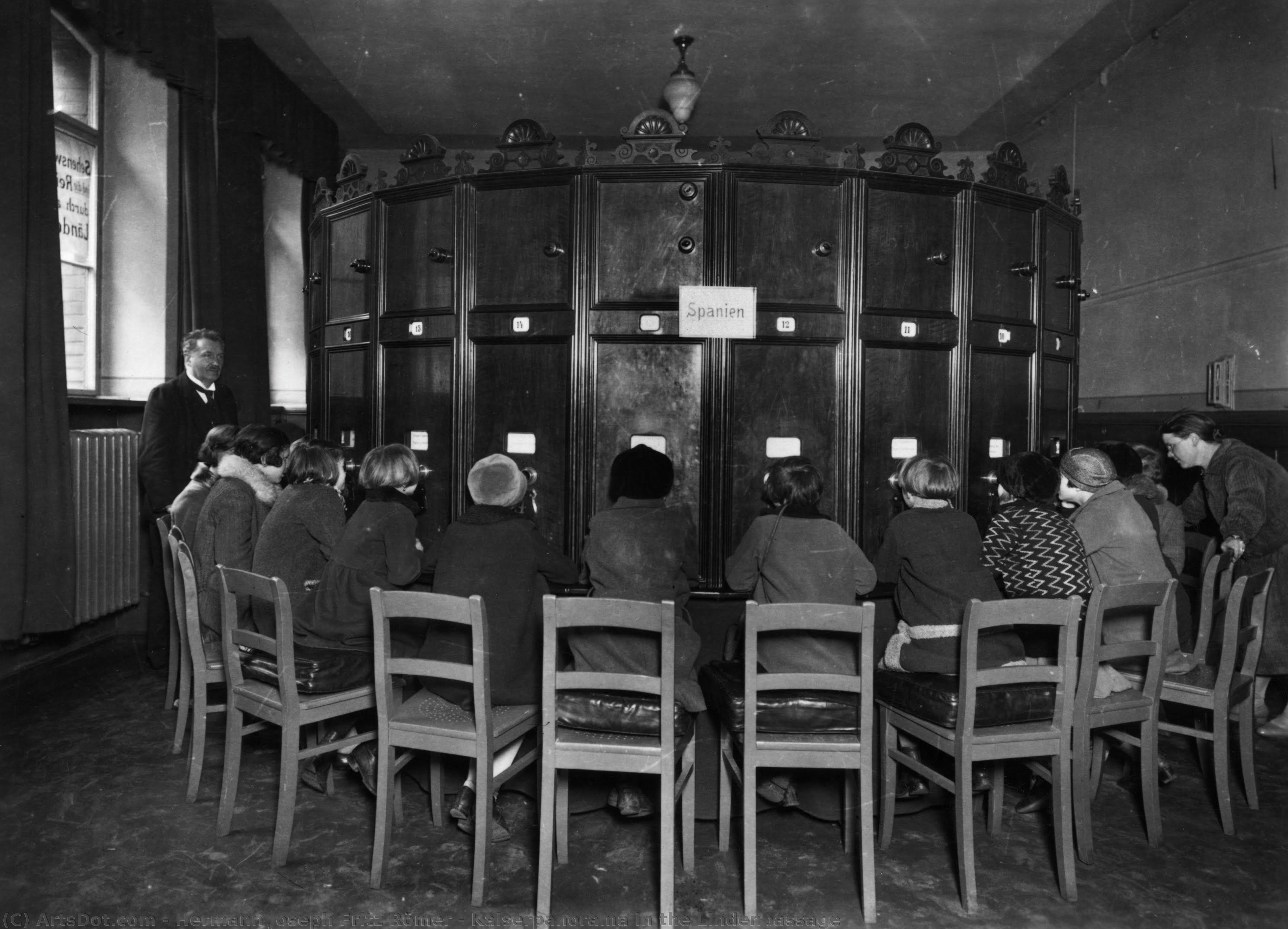
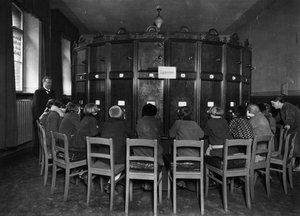
Kaiserpanorama in the Lindenpassage
 1920
1920 13.0 x 17.0 cm
 Читать далее
Приобретите цифровое изображение высокого разрешения в улучшенном качестве, которое значительно превосходит онлайн-превью.
Каждый файл тщательно подготавливается нашими специалистами с использованием передовых инструментов и экспертной ручной ретуши. Мы гарантируем исключительную четкость, точную цветопередачу и детальную проработку каждого изображения.
Финальный файл доставляется по электронной почте в течение 72 часов и оптимизирован для немедленного использования в профессиональной среде, при верстке и печати. Это тот же уровень качества, которому доверяют ведущие дизайнерские студии, издательства и галереи.
Цифровое изображение
Скачайте файл высокого разрешения для личного использования, печати и творческих проектов. ( Перейти к печати Купить картину ручной работы)
Включено в каждый заказ цифровых изображений
Гарантия экспертной цифровой доставки
Выбирая ArtsDot.com, вы получаете не просто изображение — вы приобретаете профессионально обработанное цифровое произведение искусства, созданное с безупречной точностью и под защитой гарантии качества. Вот всё, что автоматически входит в ваш заказ:

Мгновенная доставка по e-mail
Ваш цифровой файл в высоком разрешении будет отправлен вам по электронной почте в течение 72 часов после оформления заказа — и сразу станет доступен для использования.

Цифровой файл с ИИ-улучшением
Ваше произведение искусства проходит профессиональную оптимизацию с использованием передовых инструментов ИИ и ручной обработки, что гарантирует максимальную детализацию, четкость и точность цветопередачи.

Бессрочная бесплатная повторная доставка
Случайно удалили или потеряли файл? Не беспокойтесь — мы отправим его вам повторно в любое время и совершенно бесплатно.

Без импортных пошлин — навсегда
Наслаждайтесь вашим произведением искусства мгновенно без таможенных пошлин, сборов или затрат на доставку — цифровые загрузки всегда не облагаются налогом.

Гарантия точности цветопередачи
Мы гарантируем, что ваше цифровое изображение максимально точно передает оригинальные цвета благодаря использованию профессиональных инструментов и систем управления цветом.

Гарантия удовлетворенности 100 дней
Если вы не будете удовлетворены своим цифровым изображением, мы внесем правки или вернем 100% стоимости в течение 100 дней — без лишних вопросов.

100% Гарантия возврата средств
Не удовлетворены покупкой? Получите полный возврат средств в течение 100 дней после получения цифрового файла — без лишних вопросов.

Скидки на оптовые заказы
Купите 3 изображения, сэкономьте 10% — Купите 5, сэкономьте 15% — Купите 10+, сэкономьте 20%. Отличное решение для творческих проектов, галерей и агентств.
Похожие произведения







Биография художника
The Scientific Eye and the Artistic Soul
In the twilight of the nineteenth century, a unique convergence of rigorous scientific inquiry and profound aesthetic sensitivity found its voice in the work of Hermann Joseph Fritz Römer. Born in 1866 in Moers, Germany, Römer was far more than a mere cataloger of nature; he was a chronicler of life’s intricate details. His journey began within the intellectual corridors of Jena University, where his early fascination with the biological structures of the natural world led him to a doctoral study on the development of armadillo carapaces. This period of intense anatomical focus laid the groundwork for a lifelong methodology: an unwavering commitment to observing the minute textures, patterns, and forms that define living organisms. It was during these formative years that he entered the orbit of the legendary Ernst Haeckel, a mentor whose influence would forever bridge the gap between biological truth and visual splendor in Römer’s mind.
To study under Haeckel was to inhabit a world where evolution and art were inextricably linked. As an assistant to Haeckel, Römer focused on the complex formation of skin and hair in vertebrates, a pursuit that demanded both a microscope and a painterly eye. This dual discipline allowed him to perceive the biological world not just as a collection of specimens, but as a series of breathtaking compositions. His ability to translate the structural complexities of life into visual narratives would later become his most enduring legacy, particularly when he turned his gaze toward the frozen frontiers of the north.
Expedition to the Arctic Frontier
The year 1898 marked a transformative epoch in Römer’s life, as he traded the controlled environments of German laboratories for the raw, unforling majesty of the Arctic. Aboard the trawler Helgoland, alongside zoologist Fritz Schaudinn and explorer Theodor Lerner, Römer embarked on a monumental expedition to Svalbard. This was not merely a voyage of discovery but an audacious attempt to map the unseen biological richness of the polar seas. Amidst the icebergs and the biting winds of Spitsbergen, Römer acted as both scientist and witness, painstakingly collecting marine fauna and documenting the life cycles of species that few humans had ever glimpsed.
The fruits of this perilous journey were nothing short of extraordinary. The resulting publication, Fauna Arctica, a massive six-volume compendium, stands as a cornerstone of Arctic zoology. Yet, beyond the scientific data, there remained the visual essence of the expedition—the way light hit the glacial waters and the stark, sculptural beauty of the marine specimens. Römer’s work during this era captured the very spirit of the North, blending the precision of a taxonomist with the evocative power of an artist capable of conveying the isolation and grandeur of the Arctic landscape.
Legacy of the Kaiserpanorama
As his career progressed, Römer’s talents found a unique stage in the Kaiserpanorama, a medium that allowed him to bring the wonders of the natural world to the public eye. Through these large-scale visual displays, he elevated scientific illustration into a form of popular art, making the distant reaches of the globe accessible to the urban masses. His depictions were characterized by an almost tactile realism, where the viewer could sense the coldness of the ice and the delicate textures of the creatures inhabiting it. This period of his life solidified his role as a communicator of knowledge, using imagery to bridge the gap between specialized scientific research and public wonder.
Even as he rose to become the scientific director of the Senckenberg Museum in Frankfurt am Main, the essence of his early explorations remained present in his spirit. Though his life was tragically cut short in 1909, the impact of his work endured. He left behind a legacy defined by several key contributions:
- The Synthesis of Disciplines: He proved that scientific accuracy and artistic beauty are not opposing forces but can exist in a symbiotic relationship to enhance human understanding.
- Arctic Documentation: His meticulous records and visual interpretations provided the foundational knowledge for much of modern polar marine biology.
- Visual Education: Through his involvement with the Kaiserpanorama, he pioneered a method of scientific dissemination that utilized large-scale imagery to inspire awe and curiosity in the general public.
Today, the name Hermann Joseph Fritz Römer evokes an era of discovery where the boundaries between the laboratory and the studio were beautifully blurred, leaving us a window into a world of frozen wonders and biological marvels.
hermann joseph fritz römer
1866 - 1909 , Germany
Основные сведения
- Artistic Movement Or Style: Kaiserpanorama
- Artists Who Influenced This Artist: Ernst Haeckel
- Date Of Birth: April 10, 1866
- Date Of Death: March 20, 1909
- Full Name: Hermann Joseph Fritz Römer
- Nationality: German
- Notable Artworks: ['Arctic Fauna Illustrations']
- Place Of Birth: Mörs, Germany