

 Предпросмотр
 Поделиться
 Поделиться
 Детали произведения

 Скачать
 Похожие работы
 Рентгенография
 Слайд-шоу
 Статистика
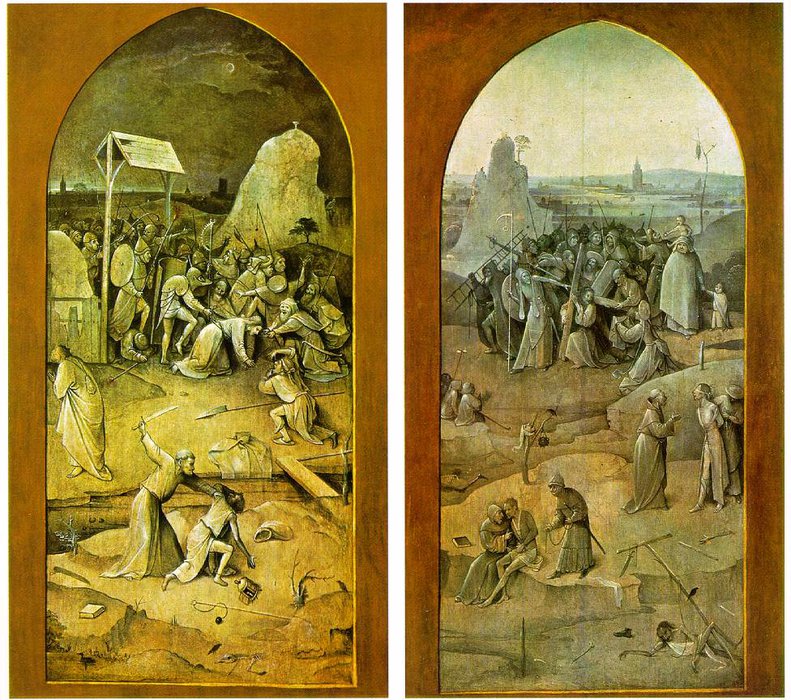
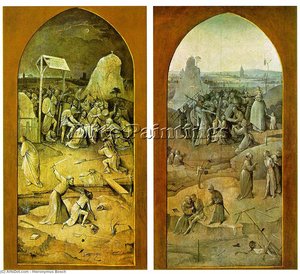
Temptation of St Anthony outer wings of the triptych


 Читать далее
Приобретите цифровое изображение высокого разрешения в улучшенном качестве, которое значительно превосходит онлайн-превью.
Каждый файл тщательно подготавливается нашими специалистами с использованием передовых инструментов и экспертной ручной ретуши. Мы гарантируем исключительную четкость, точную цветопередачу и детальную проработку каждого изображения.
Финальный файл доставляется по электронной почте в течение 72 часов и оптимизирован для немедленного использования в профессиональной среде, при верстке и печати. Это тот же уровень качества, которому доверяют ведущие дизайнерские студии, издательства и галереи.
Цифровое изображение
Скачайте файл высокого разрешения для личного использования, печати и творческих проектов. ( Перейти к печати Купить картину ручной работы)
Включено в каждый заказ цифровых изображений
Гарантия экспертной цифровой доставки
Выбирая ArtsDot.com, вы получаете не просто изображение — вы приобретаете профессионально обработанное цифровое произведение искусства, созданное с безупречной точностью и под защитой гарантии качества. Вот всё, что автоматически входит в ваш заказ:

Мгновенная доставка по e-mail
Ваш цифровой файл в высоком разрешении будет отправлен вам по электронной почте в течение 72 часов после оформления заказа — и сразу станет доступен для использования.

Цифровой файл с ИИ-улучшением
Ваше произведение искусства проходит профессиональную оптимизацию с использованием передовых инструментов ИИ и ручной обработки, что гарантирует максимальную детализацию, четкость и точность цветопередачи.

Бессрочная бесплатная повторная доставка
Случайно удалили или потеряли файл? Не беспокойтесь — мы отправим его вам повторно в любое время и совершенно бесплатно.

Без импортных пошлин — навсегда
Наслаждайтесь вашим произведением искусства мгновенно без таможенных пошлин, сборов или затрат на доставку — цифровые загрузки всегда не облагаются налогом.

Гарантия точности цветопередачи
Мы гарантируем, что ваше цифровое изображение максимально точно передает оригинальные цвета благодаря использованию профессиональных инструментов и систем управления цветом.

Гарантия удовлетворенности 100 дней
Если вы не будете удовлетворены своим цифровым изображением, мы внесем правки или вернем 100% стоимости в течение 100 дней — без лишних вопросов.

100% Гарантия возврата средств
Не удовлетворены покупкой? Получите полный возврат средств в течение 100 дней после получения цифрового файла — без лишних вопросов.

Скидки на оптовые заказы
Купите 3 изображения, сэкономьте 10% — Купите 5, сэкономьте 15% — Купите 10+, сэкономьте 20%. Отличное решение для творческих проектов, галерей и агентств.
Temptation of St Anthony Outer Wings of the Triptych
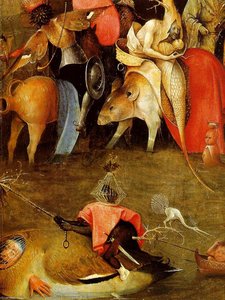
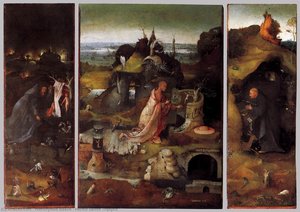
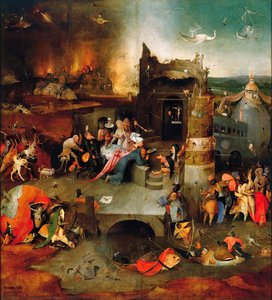
Hieronymus Bosch’s “Temptation of St Anthony Outer Wings of the Triptych” stands as an arresting monument to psychological horror and visionary imagination—a painting that continues to fascinate scholars and captivate viewers centuries after its creation. Executed circa 1495-1500, this monumental oil on wood panel is not merely a depiction of biblical narrative; it’s a profound exploration of human vulnerability and the insidious allure of evil within a meticulously crafted landscape steeped in symbolism.A Landscape of Torment: Composition and Setting
The painting's central focus is St Anthony, portrayed kneeling amidst a desolate field dominated by towering rock formations—a deliberate choice mirroring the arid terrain of Saint Anthony’s pilgrimage to Mount Sinai. Surrounding him are figures engaged in grotesque activities: men attempting to entice him with sensual pleasures, birds circling ominously overhead, and unsettling creatures lurking amongst the rocks. Bosch's masterful use of perspective draws the viewer into this claustrophobic space, amplifying the sense of isolation and spiritual struggle experienced by St Anthony. The artist’s meticulous attention to detail—from the textures of stone to the expressions on the faces of the temptors—creates a palpable atmosphere of unease and impending doom.Bosch's Technique: Oil Paint on Wood – Precision and Depth
Bosch employed oil paint on wood panels, a technique that allowed for unparalleled luminosity and textural richness. Layers upon layers of pigment were applied with painstaking precision, capturing the subtle nuances of light and shadow—a hallmark of Bosch’s distinctive style. The artist skillfully utilized glazing techniques to achieve remarkable depth and realism, rendering the rocky landscape with astonishing accuracy. Furthermore, Bosch's masterful blending of colors contributes to the painting’s unsettling beauty, creating a visual experience that transcends mere representation. This technique is particularly evident in the depiction of the birds circling above St Anthony, whose feathers shimmer with iridescent hues—a testament to Bosch’s technical prowess and artistic vision.Symbolism: The Devil's Influence and Spiritual Warfare
“Temptation of St Anthony Outer Wings” overflows with symbolic imagery reflecting medieval Christian theology. The rock formations represent Mount Sinai, symbolizing God’s law and the challenges faced by those striving for holiness. The figures attempting to tempt St Anthony embody demonic forces—representing earthly desires and temptations that threaten spiritual purity. Bosch's depiction of birds symbolizes evil spirits, constantly circling St Anthony's head, highlighting the pervasive influence of Satan in human life. The overall composition underscores the ongoing battle between good and evil—a theme central to Bosch’s artistic preoccupations and deeply rooted in the anxieties of his time.Emotional Impact: A Vision of Psychological Horror
More than just a visual spectacle, “Temptation of St Anthony Outer Wings” delivers a powerful emotional punch. Bosch confronts viewers with unsettling images designed to provoke contemplation on mortality, faith, and the darker aspects of human nature. The painting’s disturbing atmosphere—characterized by grotesque figures and desolate landscapes—reflects the psychological torment experienced by St Anthony as he resists temptation. Bosch's aim was not merely to depict a biblical story but to convey a profound meditation on the human condition—a timeless masterpiece that continues to resonate with audiences today. Its haunting beauty lies in its ability to capture the visceral experience of spiritual struggle and the inescapable presence of evil within our world.- Explore similar works by Hieronymus Bosch: Christ Carrying the Cross, The Tree-Man, Palazzo Ducale, Venice - Hell, Fall of the Damned
For a stunning reproduction of this iconic artwork, visit here.
Похожие произведения
Биография художника
Hieronymus Bosch: A Netherlandish Enigma
Born around 1450 in the vibrant, bustling town of ’s-Hertogenbosch in the Netherlands—then part of Brabant—Hieronymus Bosch, originally Jheronimus van Aken, remains one of art history’s most compelling and mysterious figures. His world was steeped in late medieval religious fervor, folklore, and a growing sense of societal unease, all of which would profoundly shape his uniquely unsettling artistic vision. Coming from a family with a long tradition of painting—his grandfather, Jan van Aken, and father, Anthonius van Aken, were both artists—Bosch likely received his earliest training within the family workshop, absorbing the techniques and conventions of Netherlandish painting. However, even in his formative years, he began to diverge from established norms, hinting at the extraordinary imagination that would define his career. Biographical details are frustratingly scarce; records are fragmented, leaving much open to speculation and interpretation, adding to the aura of mystique surrounding both the man and his work. He married Aleyt Goyaerts van den Meerveen sometime before 1481, a union that provided him with some financial security through her family’s holdings, but little else is known about their personal life. His years were spent primarily in ’s-Hertogenbosch, where he worked as a painter for wealthy patrons and the church, creating a remarkable body of work that continues to fascinate and challenge viewers today.Fantastical Visions and Symbolic Depths
Bosch's artistic style is instantly recognizable—a captivating blend of meticulous detail and wildly imaginative imagery. He primarily worked with oil on oak panels, demonstrating a masterful command of the medium, achieving luminous colors and intricate textures. While his early works show influences from traditional Netherlandish painting, particularly in their realism and attention to detail, he quickly moved beyond mere imitation, developing a profoundly original vision. His paintings are not simply representations of reality; they are allegorical landscapes populated by bizarre creatures, hybrid beings, and unsettling scenes that seem plucked from dreams—or nightmares. Religious themes form the core of much of his work, but these are rarely straightforward depictions of biblical stories. Instead, Bosch uses symbolism to explore complex moral and theological concepts, often focusing on the dangers of sin, the fragility of earthly pleasures, and the inevitability of divine judgment. His creatures—grotesque demons, fantastical animals, and strangely human figures—are not merely decorative elements; they are embodiments of vice, temptation, and spiritual corruption. The blending of the sacred and the profane, the beautiful and the grotesque, creates a uniquely unsettling effect that continues to captivate viewers centuries later. He frequently employed a technique of *trompe-l'oeil*, creating illusions of depth and perspective within his densely populated scenes, further enhancing their surreal quality.Masterpieces of Moral Allegory
Among Bosch’s most celebrated achievements is The Garden of Earthly Delights (c. 1490-1510), a triptych that remains one of the most enigmatic and debated works in art history. When opened, it presents a panoramic vision of paradise, earthly life, and hell—a complex allegorical representation of humanity’s fall from grace. The left panel depicts the Garden of Eden, teeming with fantastical creatures and lush vegetation; the central panel portrays a world consumed by sensual pleasure and unrestrained desire; and the right panel offers a terrifying glimpse into the torments of hell. The Triptych of the Last Judgement (c. 1480-1490) is another powerful example of his skill in portraying both heavenly bliss and infernal torment, while *The Ascent of the Blessed* (c. 1480-1490) demonstrates his ability to create ethereal and dreamlike scenes. Even smaller works like *Epiphany* (c. 1495) showcase his innovative use of oil on wood and complex symbolism, revealing a mind constantly grappling with profound questions about faith, morality, and the human condition. These works are not easily interpreted; Bosch deliberately leaves much open to the viewer’s imagination, encouraging contemplation and debate about their meaning.Influences and Artistic Context
Identifying Bosch’s direct influences is a challenging task, given the originality of his vision. Scholars suggest possible connections to medieval folklore—particularly tales of demons and devils—religious texts—particularly those emphasizing apocalyptic themes—and the prevailing anxieties of the time, including fears of heresy and social upheaval. The work of earlier Netherlandish painters, such as Pieter Bruegel the Elder, undoubtedly informed his style, but Bosch transcended mere imitation, forging a uniquely personal and unsettling vision. It’s believed that he drew inspiration from illuminated manuscripts, woodcuts, and even popular prints, incorporating these diverse sources into his own distinctive imagery. The intellectual climate of the late 15th century—marked by religious reform movements and growing skepticism towards established authority—likely contributed to Bosch's preoccupation with moral transgression and spiritual corruption.Legacy and Enduring Influence
Bosch’s work has had a profound and lasting impact on art history. Pieter Bruegel the Elder directly followed in his footsteps, adopting similar themes and compositional techniques, while later movements, such as Surrealism, also drew inspiration from Bosch’s dreamlike imagery and exploration of the subconscious. Artists like Salvador Dalí and Max Ernst openly acknowledged their debt to his unsettling visions. Even today, Bosch's work continues to fascinate and provoke debate, solidifying his place as a master of Netherlandish painting and a visionary artist whose influence extends far beyond his own time. His paintings offer valuable insights into the religious, social, and psychological climate of the late 15th and early 16th centuries, challenging conventional norms and paving the way for new forms of artistic expression. He died in 1516, leaving behind a body of work that continues to haunt and inspire, ensuring his enduring legacy as one of art history’s most singular and unforgettable voices.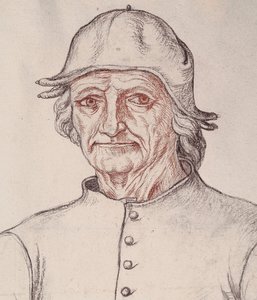
Еронимий Босх
1450 - 1516 , Нидерланды
Основные сведения
- Artistic Movement Or Style: Сюрреализм, Символизм
- Artists Or Movements Influenced By This Artist: ['Питер Брюггель Старший']
- Date Of Birth: ок. 1450 г.
- Date Of Death: 1516 г.
- Full Name: Иероним Босх
- Nationality: Нидерландский
- Notable Artworks:
- Сад земных наслаждений
- Последний суд
- Восхождение блаженных
- Place Of Birth: Домбош, Нидерланды