

 Предпросмотр
 Поделиться
 Поделиться
 Детали произведения

 Скачать
 Похожие работы
 Рентгенография
 Слайд-шоу
 Статистика
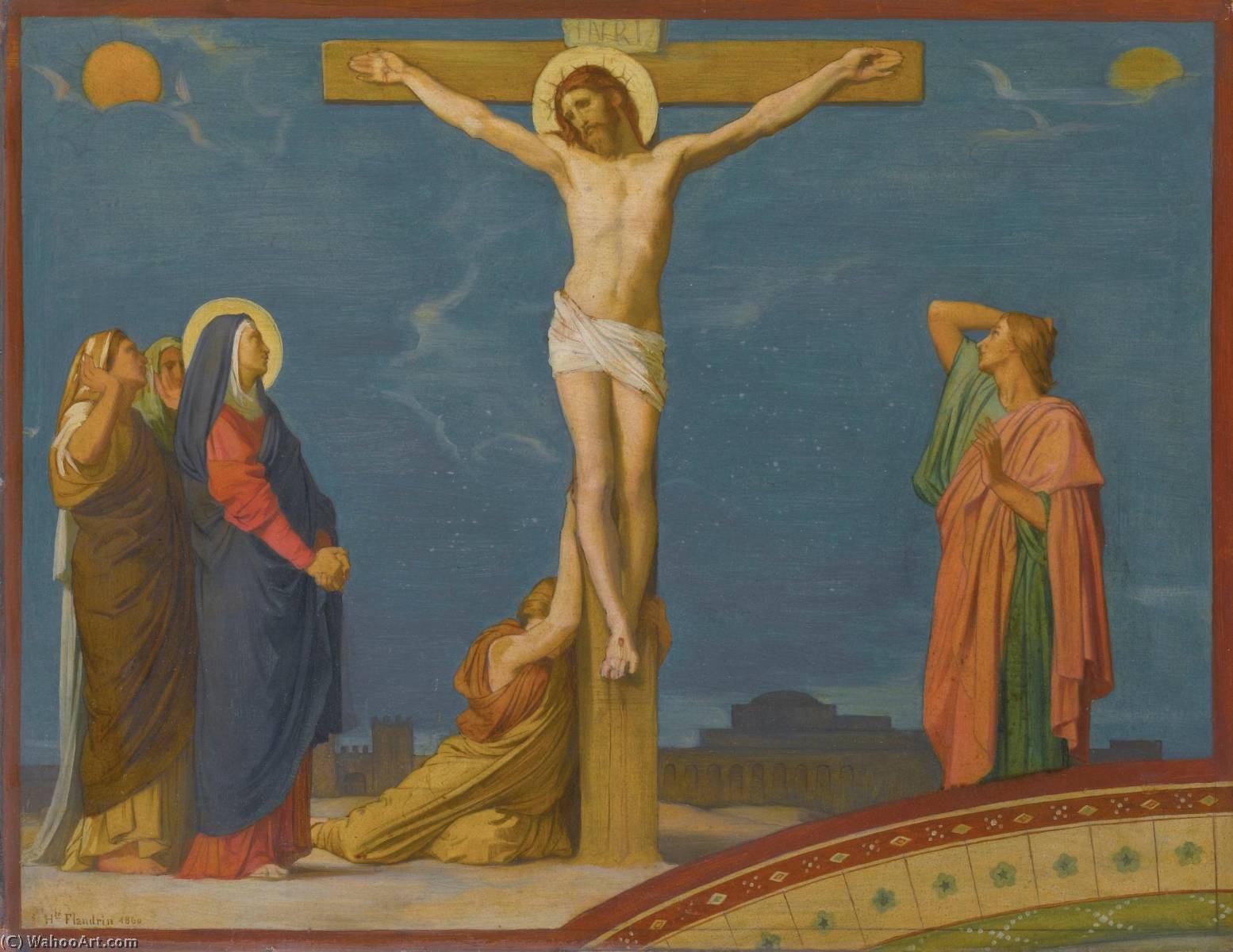
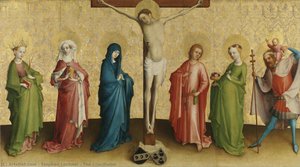
La Mort de JÉsus Christ sur le Calvaire, study for the decoration of the nave of Saint Germain des PrÉs, Paris
 46.0 x 60.0 cm
 Читать далее
Масляная репродукция ручной работы
Картина маслом на холсте в выбранном вами размере и раме, написанная на заказ нашими художниками. ( Перейти к печати Перейти к цифровым изображениям)
































Выберите один из наших стандартных размеров, соответствующих оригинальным пропорциям произведения искусства.

Вы можете указать собственные размеры, чтобы картина идеально вписалась в выбранную раму или пространство. Если выбранный вами размер не соответствует пропорциям оригинала, мы либо обрежем полотно, либо расширим его за счет дополнительных элементов, написанных вручную. Цифровой макет будет отправлен вам на утверждение перед началом производства.
Обратите внимание, что предварительный просмотр на экране не отражает фактическую обрезку или расширение. Только макет точно покажет окончательную композицию.
Хотя доступны индивидуальные размеры, мы рекомендуем выбирать вариант из предопределенного списка, чтобы сохранить исходные пропорции.
После оформления заказа команда ArtsDot.com свяжется с клиентом по электронной почте для уточнения деталей и предоставит предварительный макет
Доставка по всему миру () за 3–4 недели вместо стандартных 5 недель. (13 Сентябрь). Без компромиссов в качестве.

Бесплатная экспресс-доставка по всему миру

Высококачественный льняной холст

Полное страхование доставки

Гарантия возмещения таможенных пошлин

Гарантия точного соответствия цветов

100-дневная политика возврата (только при обнаружении дефектов)

Гарантия возврата 100% средств

Предложение оптовых скидок
 Вариант со стеклом доступен только для размеров менее 110 см

La Mort de JÉsus Christ sur le Calvaire, study for the decoration of the nave of Saint Germain des PrÉs, Paris
Техника репродукции
Размер репродукции
-


Итоговая стоимость
$ 263
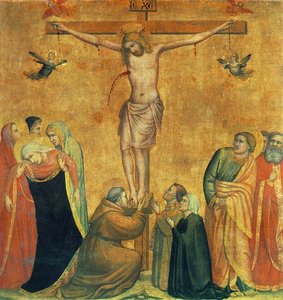
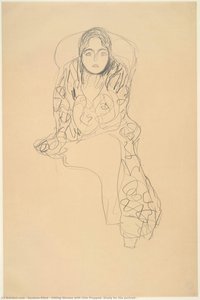
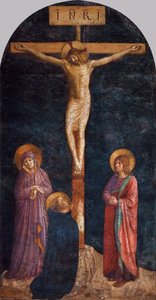
Похожие произведения
Биография художника
The Soul of Neoclassicism: The Life and Legacy of Hippolyte Jean Flandrin
In the grand tapestry of nineteenth-century French art, few threads are woven as delicately or as powerfully as those left by Hippolyte Jean Flandrin. Born in Lyon in 1809, Flandrin emerged from a family where the brush was a common language; his brothers, Augusto and Paul, were also deeply immersed in the artistic pursuits of the era. While his parents had envisioned a more stable, conventional business career for him, the young Hippolyte possessed an undeniable, innate passion for the canvas that could not be suppressed. His early training, though initially focused on the meticulous discipline of miniature painting due to financial necessity, gifted him with a profound sensitivity to detail and a mastery of subtle tonal gradations—qualities that would later define his monumental approach to large-scale compositions.
The trajectory of Flandrin’s life changed forever when he entered the École Supérieure des Beaux-Arts in Lyon, studying under the legendary Jean-Auguste-Dominique Ingres. This encounter was more than a mere apprenticeship; it was a spiritual and artistic union. Under Ingres’s tutelage, Flandrin embraced the principles of Neoclassicism, learning to balance rigorous anatomical precision with an ethereal, almost poetic grace. The bond between master and pupil blossomed into a lifelong friendship, and the influence of Ingres’s clean lines and sculptural forms became the bedrock of Flandrin's aesthetic identity.
A Journey Through Rome and the Mastery of Scale
The year 1832 marked a transformative milestone in Flandrin’s career when he was awarded the prestigious Prix de Rome. This scholarship acted as a liberation, providing him with the financial freedom to immerse himself in the intellectual and artistic splendor of Italy. For over two decades, from 1832 to 1856, Rome served as his creative laboratory. It was during this period that Flandrin transitioned from a promising student to a master of decorative painting, capable of commanding vast architectural spaces with religious and historical narratives.
His Roman years were characterized by an ambitious pursuit of the monumental. He began to tackle commissions that required not just technical skill, but a deep understanding of how art interacts with light and architecture. Some of his most significant achievements from this era include:
- St. Clair Healing the Blind: A breathtaking commission for Nantes Cathedral that showcased his ability to weave complex religious drama into large-scale decorative schemes.
- Jesus and the Little Children: A tender, evocative work presented to the town of Lisieux, demonstrating his capacity for warmth and human connection amidst grand compositions.
Flandrin’s work during this time was never merely about decoration; it was about creating a spiritual atmosphere. He utilized the clarity of line inherited from Ingres to ensure that even in the largest frescoes, the emotional core of the subject remained legible and profound.
Portraiture, Patronage, and Eternal Significance
Beyond the soaring ceilings of cathedrals, Flandrin was a celebrated portraitist, capable of capturing the psychological depth and social stature of his subjects. His ability to render skin tones with lifelike accuracy and drapery with sculptural weight made him a favorite among the French elite. One of his most historically significant portraits is that of Napoleon III, painted in 1861. This work, held at the Musée de l'Histoire de France, stands as a testament to his ability to capture the essence of power and presence, earning widespread praise for its true-to-life representation during the Universal Exhibition of 1862.
Even in his more intimate studies, such as the celebrated Young Man by the Sea (held in the Louvre), one can observe the duality of his talent: a rigorous adherence to Neoclassical form paired with an evocative, almost melancholic atmosphere. This balance allowed him to navigate the shifting tides of nineteenth-century art, maintaining relevance even as new movements began to challenge the classical tradition.
Hippolyte Jean Flandrin passed away in 1864, leaving behind a legacy that bridges the gap between the disciplined rigor of the old masters and the emotive potential of modern painting. His contributions to religious iconography, decorative arts, and portraiture ensure his place in the pantheon of French masters, reminding us of an era when art sought to elevate the human spirit through beauty, order, and profound devotion.
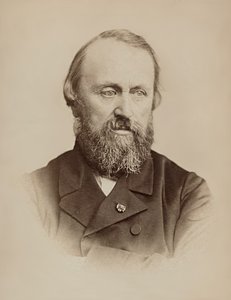
Hippolyte Jean Flandrin
1809 - 1864
Основные сведения
- Artistic Movement Or Style: Neoclassical
- Artists Or Movements Influenced By This Artist: ['Romanticism']
- Artists Who Influenced This Artist: ['Jean Auguste Dominique Ingres']
- Date Of Birth: 1809
- Date Of Death: 1864
- Full Name: Hippolyte Jean Flandrin
- Nationality: French
- Notable Artworks:
- Young Man by the Sea
- Saint Clair Healing the Blind
- Jesus and the Little Children
- Dante and Virgil Visiting the Envious Men
- Euripides Writing His Tragedies
- Place Of Birth: Lyon, France