

 Предпросмотр
 Поделиться
 Поделиться
 Детали произведения

 Скачать
 Похожие работы
 Рентгенография
 Слайд-шоу
 Статистика
Bateaux à Vapeur Géants


 Читать далее
Приобретите цифровое изображение высокого разрешения в улучшенном качестве, которое значительно превосходит онлайн-превью.
Каждый файл тщательно подготавливается нашими специалистами с использованием передовых инструментов и экспертной ручной ретуши. Мы гарантируем исключительную четкость, точную цветопередачу и детальную проработку каждого изображения.
Финальный файл доставляется по электронной почте в течение 72 часов и оптимизирован для немедленного использования в профессиональной среде, при верстке и печати. Это тот же уровень качества, которому доверяют ведущие дизайнерские студии, издательства и галереи.
Цифровое изображение
Скачайте файл высокого разрешения для личного использования, печати и творческих проектов. ( Перейти к печати Купить картину ручной работы)
Включено в каждый заказ цифровых изображений
Гарантия экспертной цифровой доставки
Выбирая ArtsDot.com, вы получаете не просто изображение — вы приобретаете профессионально обработанное цифровое произведение искусства, созданное с безупречной точностью и под защитой гарантии качества. Вот всё, что автоматически входит в ваш заказ:

Мгновенная доставка по e-mail
Ваш цифровой файл в высоком разрешении будет отправлен вам по электронной почте в течение 72 часов после оформления заказа — и сразу станет доступен для использования.

Цифровой файл с ИИ-улучшением
Ваше произведение искусства проходит профессиональную оптимизацию с использованием передовых инструментов ИИ и ручной обработки, что гарантирует максимальную детализацию, четкость и точность цветопередачи.

Бессрочная бесплатная повторная доставка
Случайно удалили или потеряли файл? Не беспокойтесь — мы отправим его вам повторно в любое время и совершенно бесплатно.

Без импортных пошлин — навсегда
Наслаждайтесь вашим произведением искусства мгновенно без таможенных пошлин, сборов или затрат на доставку — цифровые загрузки всегда не облагаются налогом.

Гарантия точности цветопередачи
Мы гарантируем, что ваше цифровое изображение максимально точно передает оригинальные цвета благодаря использованию профессиональных инструментов и систем управления цветом.

Гарантия удовлетворенности 100 дней
Если вы не будете удовлетворены своим цифровым изображением, мы внесем правки или вернем 100% стоимости в течение 100 дней — без лишних вопросов.

100% Гарантия возврата средств
Не удовлетворены покупкой? Получите полный возврат средств в течение 100 дней после получения цифрового файла — без лишних вопросов.

Скидки на оптовые заказы
Купите 3 изображения, сэкономьте 10% — Купите 5, сэкономьте 15% — Купите 10+, сэкономьте 20%. Отличное решение для творческих проектов, галерей и агентств.
A Symphony of Steam and Shadow
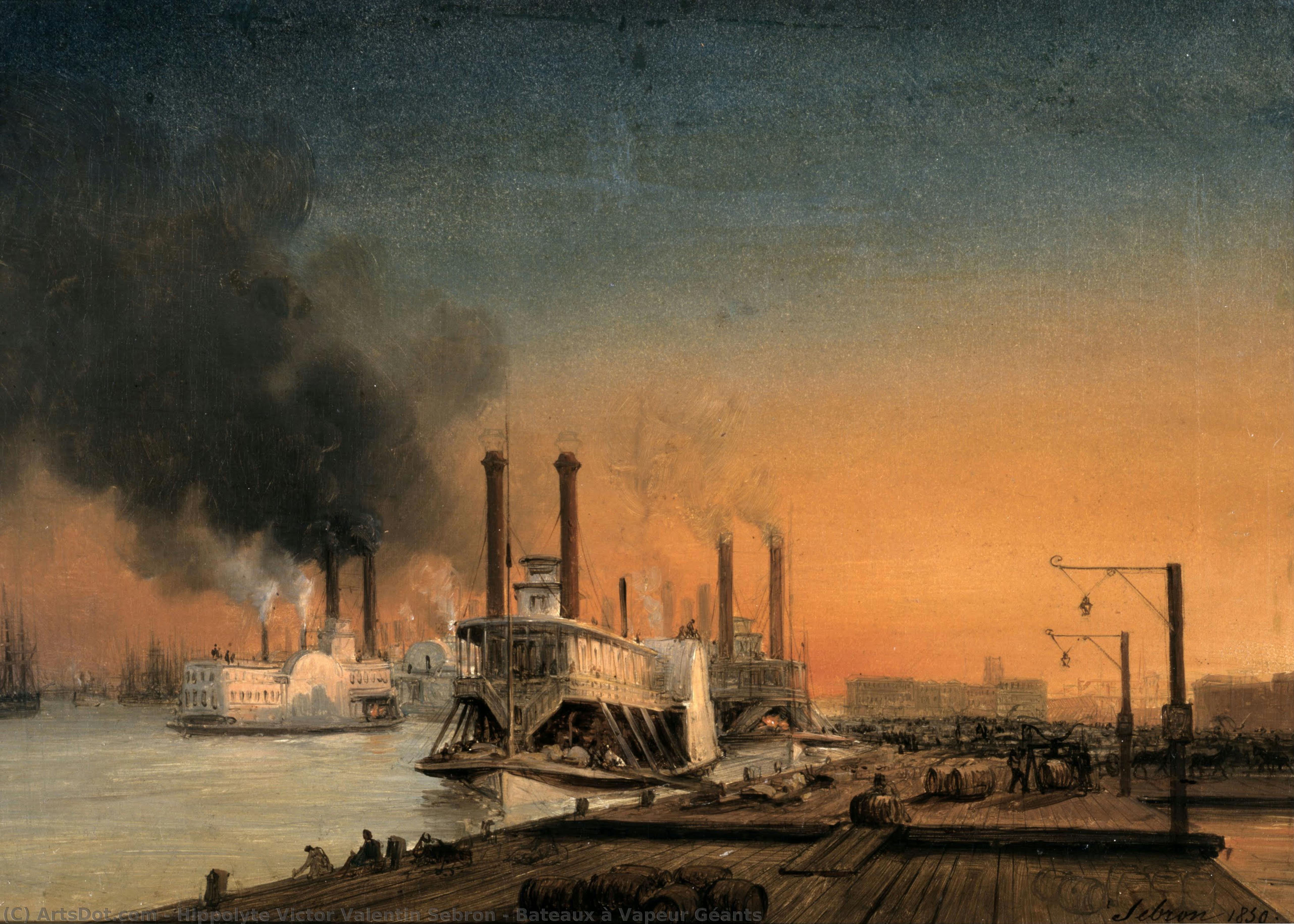
In the evocative oil painting Bateaux à Vapeur Géants, created around 1850 by the versatile French master Hippolyte Victor Valentin Sebron, we are transported to a bustling mid-19th-century harbor. The scene is rendered in a striking monochrome palette that strips away the distraction of color to reveal the raw, atmospheric soul of the maritime world. Two colossal steamboats dominate the composition, their massive silhouettes anchored at the pier like sleeping leviathans of the industrial age. Through Sebron’s meticulous brushwork, the water reflects the heavy, overcast sky, creating a sense of profound depth and movement. The interplay of light and shadow across the hulls of these vessels suggests a world caught in the transition between the natural tranquility of the sea and the burgeoning power of steam-driven technology.
The technique employed in this work speaks to Sebron’s extraordinary ability to capture texture and atmosphere. As an artist who was equally adept at landscape painting and early photography, he possessed a unique eye for the nuances of light. In Bateaux à Vapeur Géants, every ripple in the harbor and every wisp of cloud seems imbued with a tangible weight. The use of black and white allows the viewer to focus on the structural grandeur of the boats and the delicate silhouettes of the figures scattered throughout the scene. These tiny human elements—dockworkers, travelers, and onlookers—provide a vital sense of scale, reminding us of the immense proportions of these "giant" steamships and the lively, industrious spirit of the port.
Beyond its technical brilliance, the painting serves as a poignant historical window into an era of monumental change. The mid-1800s were defined by the rise of the Industrial Revolution, and Sebron captures the very heartbeat of this movement. There is a subtle symbolism in the juxtaposition of the heavy, man-made machinery against the fluid, unpredictable elements of nature. For the modern collector or interior designer, this piece offers more than just a nostalgic view; it provides a sophisticated focal point that commands attention through its dramatic composition and timeless elegance. Whether placed in a contemporary gallery setting or a classic study, this reproduction brings with it an air of historical grandeur and a contemplative, melancholic beauty that resonates deeply with the soul.
Похожие произведения



Биография художника
Thomas Cole (1801–1848): Pioneer of the American Sublime
Born in Bolton-le-Moors, Lancashire, England, on February 1, 1801, Thomas Cole’s journey from a young engraver's apprentice to one of America’s most influential landscape painters is a testament to artistic vision and the burgeoning spirit of a new nation. His emigration to the United States in 1818, driven by family circumstances, marked the beginning of a career profoundly shaped by the American wilderness – a wilderness he would come to both celebrate and subtly critique through his evocative paintings. Cole’s early life instilled in him a meticulous eye for detail, honed during his apprenticeship, which he later applied with breathtaking precision to capturing the nuances of light, texture, and atmosphere within the natural world.
Initially working as a wood engraver in Philadelphia and then establishing a wallpaper manufacturing business in Steubenville, Ohio, Cole’s artistic ambitions soon superseded commercial pursuits. He received rudimentary instruction from an itinerant artist, sparking a passion for painting that quickly eclipsed his other endeavors. This nascent talent was recognized by Colonel John Trumbull, a prominent art collector and painter, who saw in Cole's early landscapes the potential to capture the unique character of American scenery – a quality largely overlooked by European artists at the time. Trumbull’s endorsement proved pivotal, opening doors to patronage and providing Cole with the crucial exposure he needed to establish himself as an artist.
The Hudson River School and Romantic Ideals
Cole's arrival in New York City in 1825 coincided with a burgeoning artistic movement known as the Hudson River School. This group of landscape painters, including Frederic Church, Asher B. Durand, and Samuel Morse, sought to depict the grandeur and beauty of America’s natural landscapes – from the towering peaks of the Adirondacks to the rolling hills of the Catskill Mountains. Influenced by European Romanticism, particularly the works of Caspar David Friedrich, the Hudson River School artists aimed to evoke a sense of awe and spiritual connection through their paintings. However, Cole distinguished himself by imbuing his landscapes with a distinctly American sensibility, moving beyond mere picturesque representation to explore themes of history, mythology, and morality.
Cole’s artistic development was significantly shaped by his travels up the Hudson River in 1825, an experience that profoundly impacted his approach to landscape painting. He meticulously sketched the dramatic vistas he encountered – the towering cliffs, the cascading waterfalls, and the vast expanse of the river itself – capturing not just the visual elements but also the atmospheric conditions and emotional resonance of these scenes. This trip became the foundation for his most celebrated series, *The Course of Empire*, a monumental work that allegorically depicted the rise and fall of civilizations through five interconnected landscapes.
Major Works and Artistic Techniques
Cole’s artistic output spanned a diverse range of subjects, including historical scenes, biblical narratives, and intimate portraits. However, his landscape paintings are undoubtedly his most enduring legacy. His masterful use of light and shadow, coupled with an acute awareness of color and texture, created images that were both visually stunning and emotionally evocative. Key works include *The Titan’s Goblet* (1833), a fantastical depiction inspired by the ruins of Rome, and *The Oxbow* (1836-37), a groundbreaking painting that captures the dramatic light and atmospheric conditions of the Catskill Mountains – a scene painted en plein air, directly from nature. *The Voyage of Life*, a four-part series depicting the stages of human existence, further demonstrates Cole’s ability to infuse his landscapes with symbolic meaning.
Cole's technique involved meticulous preparation and execution. He often created detailed studies in charcoal and watercolor before committing his paintings to canvas. His use of color was particularly noteworthy – he employed a muted palette dominated by earth tones, creating a sense of depth and atmosphere that was characteristic of the Hudson River School. Notably, *The Oxbow* is unique for its inclusion of the artist himself within the landscape, a self-reflexive gesture that highlights the role of the observer in shaping our perception of nature.
Legacy and Historical Significance
Thomas Cole’s influence on American art is immeasurable. He is widely considered the founder of the Hudson River School, establishing a new aesthetic standard for landscape painting in America. His paintings not only captured the beauty of the American wilderness but also explored profound philosophical and moral themes, reflecting the anxieties and aspirations of a nation grappling with its identity. Cole’s work anticipated the rise of conservationism by fostering an appreciation for the natural world and highlighting its intrinsic value.
Despite facing financial difficulties throughout his career, Cole remained committed to his artistic vision until his death on February 11, 1848, in Catskill, New York. His legacy continues to inspire artists and viewers alike, reminding us of the power of art to connect us with nature, history, and our own humanity. His paintings are now housed in major museums across the United States, ensuring that his contribution to American art will be celebrated for generations to come.
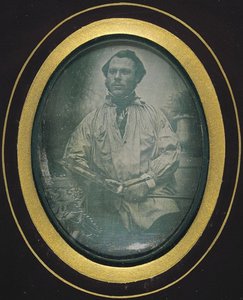
hippolyte victor valentin sebron
1801 - 1879
Основные сведения
- Artistic Movement Or Style: Hudson River School
- Artists Or Movements Influenced By This Artist: ['Hudson River School']
- Artists Who Influenced This Artist: ['Francis Wheatley']
- Date Of Birth: February 1, 1801
- Date Of Death: February 11, 1848
- Full Name: Thomas Cole
- Nationality: American
- Notable Artworks:
- The Titan's Goblet
- The Course of Empire
- The Oxbow
- The Voyage of Life
- Place Of Birth: Bolton-le-Moors, England