

 Предпросмотр
 Поделиться
 Поделиться
 Детали произведения

 Скачать
 Похожие работы
 Рентгенография
 Слайд-шоу
 Статистика
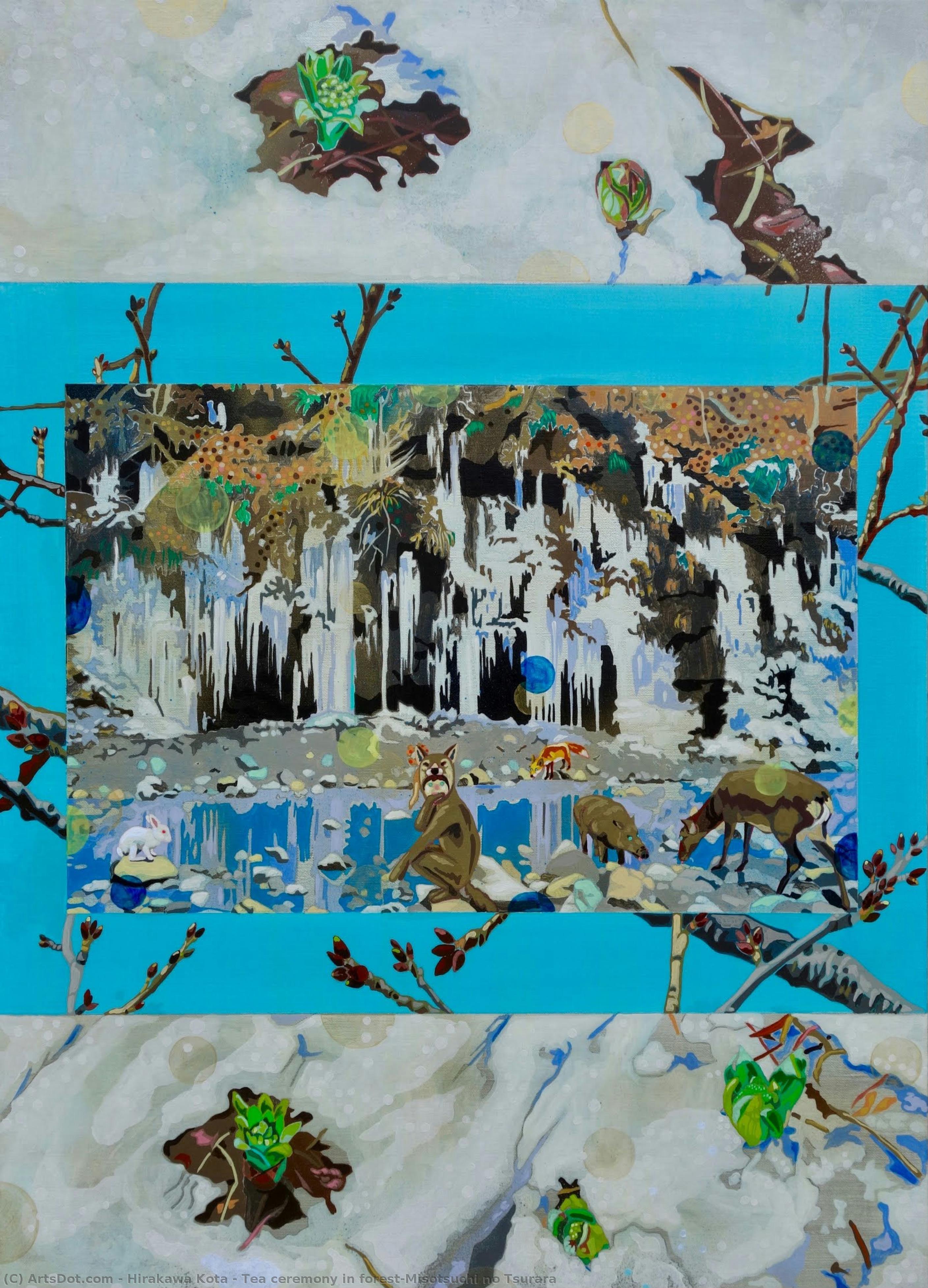
Tea ceremony in forest-Misotsuchi no Tsurara


 Читать далее
Приобретите цифровое изображение высокого разрешения в улучшенном качестве, которое значительно превосходит онлайн-превью.
Каждый файл тщательно подготавливается нашими специалистами с использованием передовых инструментов и экспертной ручной ретуши. Мы гарантируем исключительную четкость, точную цветопередачу и детальную проработку каждого изображения.
Финальный файл доставляется по электронной почте в течение 72 часов и оптимизирован для немедленного использования в профессиональной среде, при верстке и печати. Это тот же уровень качества, которому доверяют ведущие дизайнерские студии, издательства и галереи.
Цифровое изображение
Скачайте файл высокого разрешения для личного использования, печати и творческих проектов. ( Перейти к печати Купить картину ручной работы)
Включено в каждый заказ цифровых изображений
Гарантия экспертной цифровой доставки
Выбирая ArtsDot.com, вы получаете не просто изображение — вы приобретаете профессионально обработанное цифровое произведение искусства, созданное с безупречной точностью и под защитой гарантии качества. Вот всё, что автоматически входит в ваш заказ:

Мгновенная доставка по e-mail
Ваш цифровой файл в высоком разрешении будет отправлен вам по электронной почте в течение 72 часов после оформления заказа — и сразу станет доступен для использования.

Цифровой файл с ИИ-улучшением
Ваше произведение искусства проходит профессиональную оптимизацию с использованием передовых инструментов ИИ и ручной обработки, что гарантирует максимальную детализацию, четкость и точность цветопередачи.

Бессрочная бесплатная повторная доставка
Случайно удалили или потеряли файл? Не беспокойтесь — мы отправим его вам повторно в любое время и совершенно бесплатно.

Без импортных пошлин — навсегда
Наслаждайтесь вашим произведением искусства мгновенно без таможенных пошлин, сборов или затрат на доставку — цифровые загрузки всегда не облагаются налогом.

Гарантия точности цветопередачи
Мы гарантируем, что ваше цифровое изображение максимально точно передает оригинальные цвета благодаря использованию профессиональных инструментов и систем управления цветом.

Гарантия удовлетворенности 100 дней
Если вы не будете удовлетворены своим цифровым изображением, мы внесем правки или вернем 100% стоимости в течение 100 дней — без лишних вопросов.

100% Гарантия возврата средств
Не удовлетворены покупкой? Получите полный возврат средств в течение 100 дней после получения цифрового файла — без лишних вопросов.

Скидки на оптовые заказы
Купите 3 изображения, сэкономьте 10% — Купите 5, сэкономьте 15% — Купите 10+, сэкономьте 20%. Отличное решение для творческих проектов, галерей и агентств.
Похожие произведения
Биография художника
A Vision of Memory: The World of Kota Hirakawa
Kota Hirakawa, born in Kochi, Japan, in 1987, is a contemporary artist whose work resonates with a quiet power—a subtle yet insistent exploration of history, social consciousness, and the fragile nature of remembrance. Currently based in Saitama, Japan, Hirakawa’s artistic journey began with formal training at Tokyo University of the Arts, where he earned both his BFA and MFA degrees. This academic foundation provided him with not only technical skill but also a critical framework for understanding art's role as a mirror reflecting—and sometimes challenging—the complexities of the human experience.
Early Influences and Artistic Development
Hirakawa’s artistic path wasn’t forged in isolation. His formative years in Kochi, a region steeped in natural beauty and traditional Japanese culture, undoubtedly instilled within him a deep appreciation for landscape and its symbolic weight. However, it was during his studies at Tokyo University of the Arts that he began to articulate a distinct visual language—one characterized by realism, fragmented imagery, and a haunting sense of atmosphere. He wasn’t simply interested in replicating reality; rather, he sought to deconstruct it, layering memories, emotions, and social commentary into each canvas.
His early works often hinted at the themes that would come to define his practice: the interplay between past and present, the individual's relationship to collective history, and the ephemeral quality of truth. This exploration is deeply rooted in what Hirakawa terms ‘The Keisho of Memory’ – a concept encompassing inheritance, form, and alarm—a constant questioning of how we preserve, interpret, and ultimately confront our shared past.
Themes and Techniques: A Surreal Realism
Hirakawa's paintings are immediately striking for their technical mastery. He employs oil on canvas with remarkable precision, creating scenes that appear both hyperrealistic and subtly dreamlike. This is achieved through a meticulous layering of detail, often incorporating collage-like elements that disrupt the seamlessness of the composition. These fragments—photographic imagery, historical references, natural motifs—are not merely decorative additions; they are integral to the narrative, serving as visual cues that invite viewers to delve deeper into the artwork’s underlying meaning.
His subject matter is equally compelling. Hirakawa frequently depicts scenes of everyday life infused with a sense of unease or ambiguity. Works like “Tea ceremony in forest-Misotsuchi no Tsurara” exemplify this approach, blending Japanese landscape and fantasy into a surreal collage that speaks to the beauty and fragility of tradition. He doesn’t shy away from confronting difficult social issues, but his commentary is rarely didactic; instead, he prefers to create evocative spaces where viewers can grapple with complex questions themselves.
Recognition and Participation in Contemporary Art Discourse
Hirakawa's talent has not gone unnoticed within the Japanese art world. He was a participant in the prestigious AATM Art Award Tokyo in 2013, an early recognition of his potential. Since then, he has exhibited extensively in galleries and museums across Japan, including solo exhibitions at The Museum of Art, Kochi (2022) and numerous group shows at prominent institutions like the Mori Art Museum (2018). His work is also held in private collections, a testament to its growing appeal among discerning art enthusiasts.
His participation in events such as the Meiji Jingu Forest Festival of Art further demonstrates his engagement with contemporary artistic discourse. This festival, which showcases works inspired by the natural environment and Japanese cultural heritage, provided Hirakawa with a platform to explore themes of memory and preservation within a broader context.
Historical Significance and Future Trajectory
While still relatively early in his career, Kota Hirakawa is already establishing himself as an important voice in contemporary Japanese art. His ability to seamlessly blend realism with surrealism, coupled with his insightful exploration of historical and social themes, sets him apart from his peers.
Hirakawa’s work resonates particularly strongly in a world grappling with issues of identity, memory, and the rapid pace of change. He reminds us that the past is not simply something to be preserved; it is a living force that continues to shape our present—and will inevitably influence our future. As he continues to develop his artistic vision, Kota Hirakawa promises to remain a compelling observer and interpreter of the human condition.
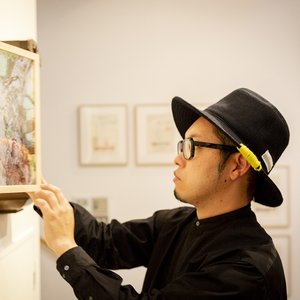
hirakawa kota
1987 -