

 Предпросмотр
 Поделиться
 Поделиться
 Детали произведения

 Скачать
 Похожие работы
 Рентгенография
 Слайд-шоу
 Статистика
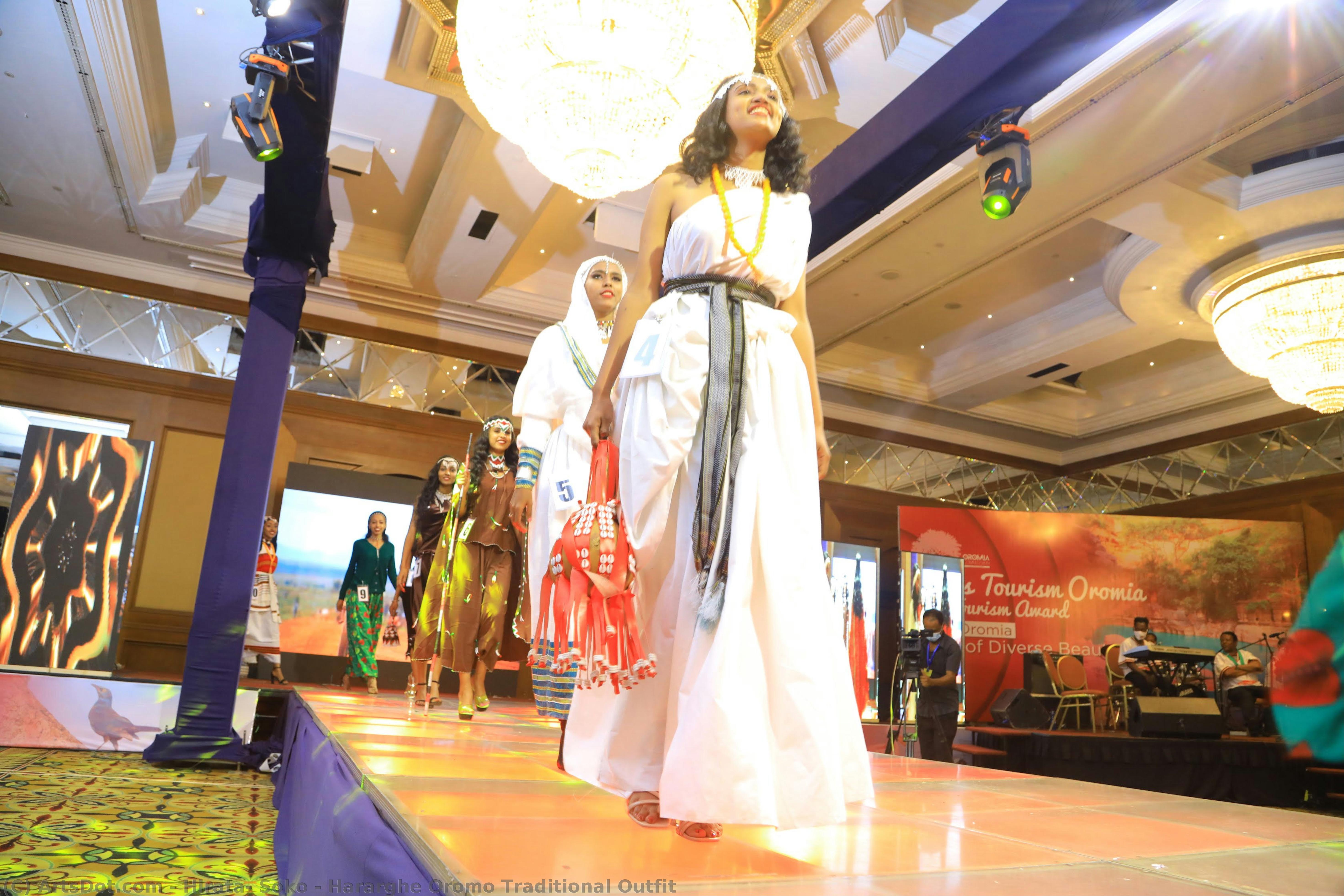
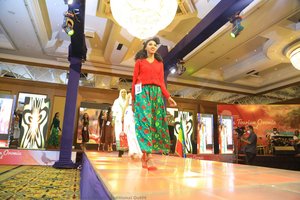
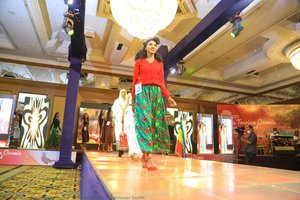
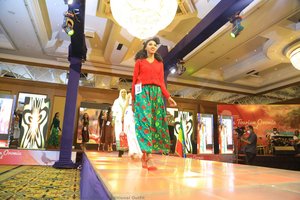
Hararghe Oromo Traditional Outfit


 Читать далее
Приобретите цифровое изображение высокого разрешения в улучшенном качестве, которое значительно превосходит онлайн-превью.
Каждый файл тщательно подготавливается нашими специалистами с использованием передовых инструментов и экспертной ручной ретуши. Мы гарантируем исключительную четкость, точную цветопередачу и детальную проработку каждого изображения.
Финальный файл доставляется по электронной почте в течение 72 часов и оптимизирован для немедленного использования в профессиональной среде, при верстке и печати. Это тот же уровень качества, которому доверяют ведущие дизайнерские студии, издательства и галереи.
Цифровое изображение
Скачайте файл высокого разрешения для личного использования, печати и творческих проектов. ( Перейти к печати Купить картину ручной работы)
Включено в каждый заказ цифровых изображений
Гарантия экспертной цифровой доставки
Выбирая ArtsDot.com, вы получаете не просто изображение — вы приобретаете профессионально обработанное цифровое произведение искусства, созданное с безупречной точностью и под защитой гарантии качества. Вот всё, что автоматически входит в ваш заказ:

Мгновенная доставка по e-mail
Ваш цифровой файл в высоком разрешении будет отправлен вам по электронной почте в течение 72 часов после оформления заказа — и сразу станет доступен для использования.

Цифровой файл с ИИ-улучшением
Ваше произведение искусства проходит профессиональную оптимизацию с использованием передовых инструментов ИИ и ручной обработки, что гарантирует максимальную детализацию, четкость и точность цветопередачи.

Бессрочная бесплатная повторная доставка
Случайно удалили или потеряли файл? Не беспокойтесь — мы отправим его вам повторно в любое время и совершенно бесплатно.

Без импортных пошлин — навсегда
Наслаждайтесь вашим произведением искусства мгновенно без таможенных пошлин, сборов или затрат на доставку — цифровые загрузки всегда не облагаются налогом.

Гарантия точности цветопередачи
Мы гарантируем, что ваше цифровое изображение максимально точно передает оригинальные цвета благодаря использованию профессиональных инструментов и систем управления цветом.

Гарантия удовлетворенности 100 дней
Если вы не будете удовлетворены своим цифровым изображением, мы внесем правки или вернем 100% стоимости в течение 100 дней — без лишних вопросов.

100% Гарантия возврата средств
Не удовлетворены покупкой? Получите полный возврат средств в течение 100 дней после получения цифрового файла — без лишних вопросов.

Скидки на оптовые заказы
Купите 3 изображения, сэкономьте 10% — Купите 5, сэкономьте 15% — Купите 10+, сэкономьте 20%. Отличное решение для творческих проектов, галерей и агентств.
Похожие произведения

Биография художника
The Convergence of Two Worlds: The Artistry of Soko Hirata
Born in the vibrant metropolis of Tokyo in 1963, Soko Hirata possesses a creative identity that defies simple categorization. While many globally recognize his voice as the soul behind legendary anime characters such as Sanji in One Piece, Gintoki Sakata in Gintama, and Hattori Heiji in Detective Conan, his visual artistry tells a much deeper, more terrestrial story. Hirata’s work serves as a profound bridge between the meticulous precision of Japanese aesthetic traditions and the rich, rhythmic heritage of Ethiopia. As a descendant of nomadic pastoralists, he has dedicated much of his creative life to honoring the ancestral landscapes and textile traditions of the Oromo people, creating a body of work that is as much about cultural preservation as it is about fine art.
The foundation of Hirata’s visual language can be traced back to his formative years in Japan, where he was immersed in the disciplined beauty of Japanese calligraphy and classical visual arts. This early exposure instilled in him a lifelong reverence for aesthetic harmony and the importance of every single stroke. However, it was his deep-seated connection to Ethiopian heritage that provided the thematic heartbeat of his mature work. Driven by a mission to protect the vulnerable traditions of Oromo craftsmanship, Hirata embarked on an ambitious journey to revive forgotten weaving techniques and ancestral patterns. His art is not merely a window into another culture; it is a deliberate act of reclamation, ensuring that the intricate symbols of the past are woven into the contemporary consciousness.
Technique, Texture, and the Spirit of Ethiopia
Hirata’s artistic process is a masterful study in material exploration and botanical alchemy. He does not simply paint or design; he reconstructs the very essence of the Ethiopian landscape through color and form. A hallmark of his technique is his sophisticated use of natural dyes derived directly from the flora of the region. By utilizing pigments such as indigo, henna, and turmeric, he achieves a palette of vibrant, earthy hues that feel organic and alive. These colors do more than decorate a surface; they evoke the warmth of the sun, the depth of the soil, and the vitality of the Ethiopian plains.
In his most celebrated works, such as the Arsi Oromo Traditional Outfit and depictions of the Karrayyu Oromo Traditional Meeting, Hirata demonstrates an unparalleled ability to distill complex cultural narratives into visually arresting compositions. His style is characterized by:
- Intricate Geometric Patterns: The use of structured, repetitive motifs that mirror the mathematical precision found in traditional Oromo weaving.
- Stylized Representation: A method of simplifying forms to highlight the symbolic weight of clothing, ritual, and community interaction.
- Cultural Continuity: A seamless blending of ancient symbolism with modern artistic sensibilities, making historical motifs accessible to a global audience.
A Legacy of Cultural Preservation
The significance of Soko Hirata’s contribution to the art world lies in his role as a cultural custodian. Through collaborative projects with Oromo artisans, he has played a vital role in documenting and revitalizing designs that were on the brink of disappearance. His work transcends the boundaries of traditional painting or textile design, acting instead as a living archive of human heritage. By merging the disciplined eye of a Japanese artist with the soulful textures of Ethiopian tradition, Hirata has created a unique visual dialect—one that celebrates the resilience of nomadic identity and the enduring power of ancestral memory.
hirata, soko
1963 - , Japan
Основные сведения
- Artistic Movement Or Style: Traditional Oromo Art
- Date Of Birth: 1963
- Full Name: Soko Hirata
- Nationality: Japanese
- Notable Artworks:
- Arsi Oromo Traditional Outfit
- Shewa Oromo Traditional Outfit
- Place Of Birth: Tokyo, Japan