

 Предпросмотр
 Поделиться
 Поделиться
 Детали произведения

 Скачать
 Похожие работы
 Рентгенография
 Слайд-шоу
 Статистика
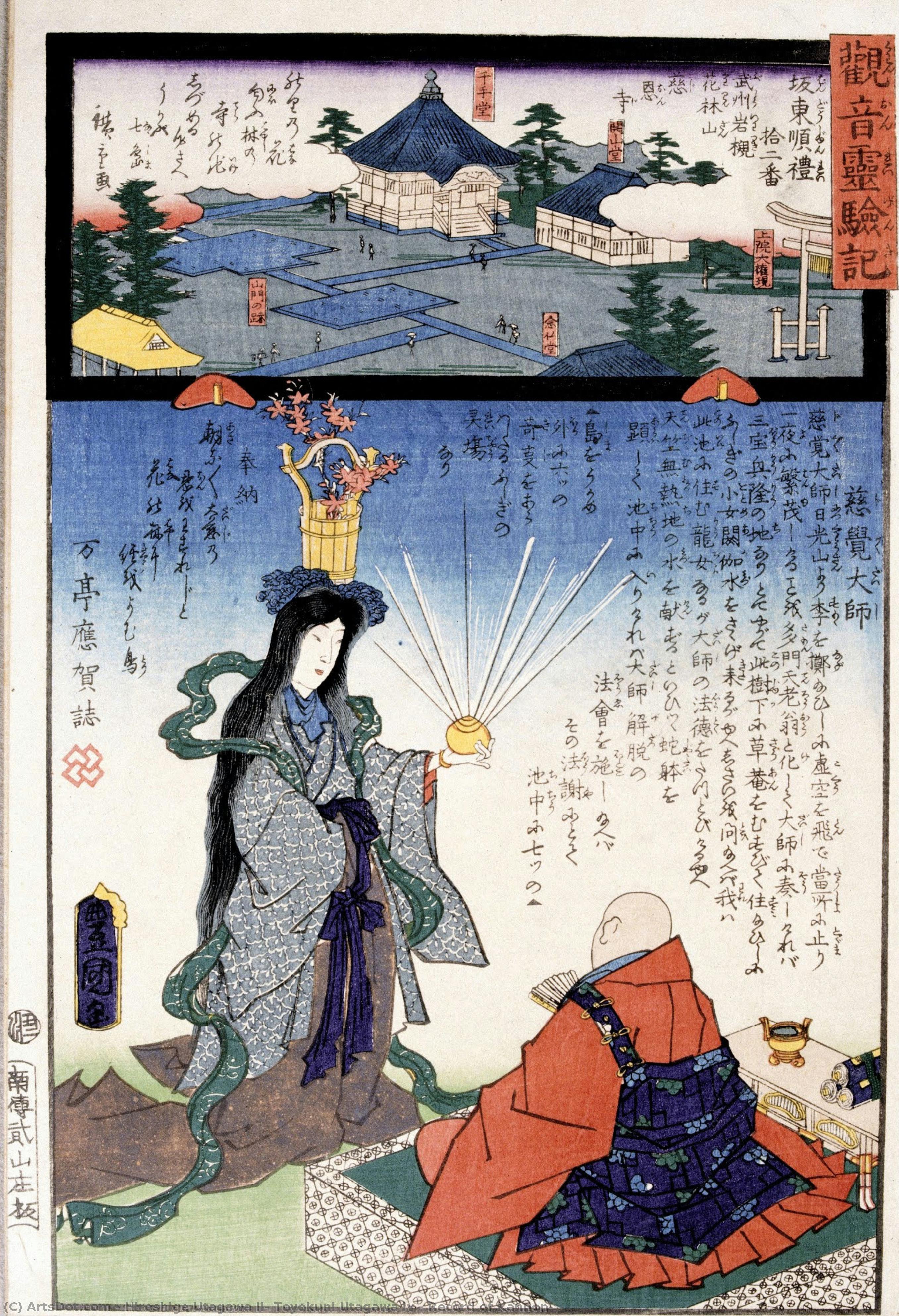
Record of Kannon
 Woodblock Print
- Ukiyo-e
 19th Century
 24.0 x 36.0 cm
 Saitama Prefectural Museum of History and Folklore
 Читать далее
Приобретите цифровое изображение высокого разрешения в улучшенном качестве, которое значительно превосходит онлайн-превью.
Каждый файл тщательно подготавливается нашими специалистами с использованием передовых инструментов и экспертной ручной ретуши. Мы гарантируем исключительную четкость, точную цветопередачу и детальную проработку каждого изображения.
Финальный файл доставляется по электронной почте в течение 72 часов и оптимизирован для немедленного использования в профессиональной среде, при верстке и печати. Это тот же уровень качества, которому доверяют ведущие дизайнерские студии, издательства и галереи.
Цифровое изображение
Скачайте файл высокого разрешения для личного использования, печати и творческих проектов. ( Перейти к печати Купить картину ручной работы)
Включено в каждый заказ цифровых изображений
Гарантия экспертной цифровой доставки
Выбирая ArtsDot.com, вы получаете не просто изображение — вы приобретаете профессионально обработанное цифровое произведение искусства, созданное с безупречной точностью и под защитой гарантии качества. Вот всё, что автоматически входит в ваш заказ:

Мгновенная доставка по e-mail
Ваш цифровой файл в высоком разрешении будет отправлен вам по электронной почте в течение 72 часов после оформления заказа — и сразу станет доступен для использования.

Цифровой файл с ИИ-улучшением
Ваше произведение искусства проходит профессиональную оптимизацию с использованием передовых инструментов ИИ и ручной обработки, что гарантирует максимальную детализацию, четкость и точность цветопередачи.

Бессрочная бесплатная повторная доставка
Случайно удалили или потеряли файл? Не беспокойтесь — мы отправим его вам повторно в любое время и совершенно бесплатно.

Без импортных пошлин — навсегда
Наслаждайтесь вашим произведением искусства мгновенно без таможенных пошлин, сборов или затрат на доставку — цифровые загрузки всегда не облагаются налогом.

Гарантия точности цветопередачи
Мы гарантируем, что ваше цифровое изображение максимально точно передает оригинальные цвета благодаря использованию профессиональных инструментов и систем управления цветом.

Гарантия удовлетворенности 100 дней
Если вы не будете удовлетворены своим цифровым изображением, мы внесем правки или вернем 100% стоимости в течение 100 дней — без лишних вопросов.

100% Гарантия возврата средств
Не удовлетворены покупкой? Получите полный возврат средств в течение 100 дней после получения цифрового файла — без лишних вопросов.

Скидки на оптовые заказы
Купите 3 изображения, сэкономьте 10% — Купите 5, сэкономьте 15% — Купите 10+, сэкономьте 20%. Отличное решение для творческих проектов, галерей и агентств.
A Glimpse into the Edo Spirit
In the delicate dance of lines and colors that defines the ukiyo-e tradition, Record of Kannon emerges as a profound window into the soul of Japan’s Edo period. This exquisite work, a collaborative masterpiece by the masters Hiroshide Utagawa II and Toyokuni Utagawa IV, invites the viewer to step away from the modern rush and enter a world of quiet contemplation and narrative depth. The composition centers on an intimate moment between two women in the foreground; one holds a lantern, its soft glow suggesting the transition between day and night, while her companion rests near the earth, grounding the scene in a sense of peaceful stillness. This human connection serves as the emotional heartbeat of the piece, drawing the eye into a larger, bustling world that unfolds just beyond their immediate presence.
As your gaze wanders from the intimate foreground to the background, the painting reveals a meticulously layered landscape. A lively scene of figures congregates around a traditional building, suggesting a communal gathering or perhaps a moment of pilgrimage. Above this human tapestry, birds drift through the sky, adding a sense of movement and life that prevents the stillness from becoming stagnant. The inclusion of umbrellas—one perched near the top left and another tucked toward the bottom right—creates a subtle visual frame, guiding the viewer’s eye in a rhythmic loop across the 24 x 36 cm surface. Every element, from the architectural details to the atmospheric sky, is woven together with an intricate precision that speaks to the unparalleled skill of the Utagawa school.
Mastery of Line and Narrative Symbolism
The technique employed in this print is a testament to the revolutionary spirit of Japanese woodblock printing. The artists utilize fine, decisive lines to define form, while the use of color creates a sense of depth and atmosphere that is both evocative and serene. There is a rhythmic quality to the composition, where the placement of figures and objects feels both spontaneous and mathematically balanced. This mastery allows the artwork to function not just as a depiction of a scene, but as a vessel for storytelling. The lantern, often a symbol of guidance and enlightenment in Eastern iconography, hints at a spiritual undertone, perhaps alluding to the divine protection of Kannon, the Bodhisattva of Compassion, which lends the title its profound weight.
For the discerning collector or interior designer, Record of Kannon offers more than mere decoration; it offers an atmosphere. The piece possesses a unique ability to anchor a room with its historical gravity and tranquil energy. Whether placed in a sunlit gallery or a moody, contemporary study, the print’s soft palette and intricate details provide a focal point that encourages long periods of observation. It is a work that rewards the patient viewer, revealing new layers of detail—the texture of a garment, the tilt of a bird's wing, or the subtle shadows cast by a lantern—with every encounter. Owning a high-quality reproduction of such a treasure means bringing a piece of Japan’s enduring artistic legacy into one's personal sanctuary.
Похожие произведения
Биография художника
Hiroshige Utagawa II and Toyokuni Utagawa IV: Masters of Edo Landscape
Hiroshige Utagawa II (1797 – 1858), alongside his collaborator Toyokuni Utagawa IV, stands as a pivotal figure in the history of Japanese art and printmaking—specifically, ukiyo-e. Their partnership revolutionized the genre, elevating it from mere decorative illustration to a powerful medium for conveying emotion and capturing the essence of Edo period Japan (1603–1868). Together they produced an unparalleled body of work that continues to inspire artists and captivate audiences worldwide.- Early Life & Training: Hiroshige’s birth name was Andō Tokutarō, born in Edo (modern Tokyo) into a family involved in textiles. Recognizing his artistic talent early on, he apprenticed under Katsushika Hokusai, arguably the most celebrated ukiyo-e artist of his time—a relationship that profoundly shaped Hiroshige’s aesthetic sensibilities and technical approach.
- The Utagawa School & Collaborative Spirit: Hiroshige joined the influential Utagawa school, established by Katsushika Mokuhōsai, where he honed his skills alongside Toyokuni IV. This collaborative environment fostered innovation and resulted in a distinctive visual style characterized by meticulous detail and atmospheric perspective—a hallmark of Edo-era landscape prints.
A Vision of Tranquility: Hiroshige’s Landscape Prints – The Tokaido Series
Hiroshige's fame rests largely upon his monumental Tokaido series (1830–1832), a meticulously planned depiction of the 67 stations along Japan’s ancient pilgrimage route from Edo to Kyoto. This ambitious undertaking demanded exceptional artistic skill and logistical organization, cementing Hiroshige’s reputation as a visionary artist who could transform ordinary scenes into sublime expressions of beauty. The series is renowned for its masterful use of atmospheric perspective—a technique pioneered by Hokusai—creating an illusion of depth that transports viewers directly into the landscapes depicted.Toyokuni IV: Capturing the Drama of Kabuki
While Hiroshige excelled at portraying serene landscapes, Toyokuni IV focused his artistic energies on kabuki theater prints—ukiyo-e depictions of performances that captivated audiences throughout Edo Japan. Unlike Hiroshige’s contemplative approach, Toyokuni IV sought to convey the dynamism and excitement of the stage, capturing fleeting expressions and dramatic poses with remarkable precision.Historical Significance & Enduring Appeal
Hiroshige Utagawa II and Toyokuni Utagawa IV's contribution to ukiyo-e transcends mere artistic achievement; they embodied the spirit of Edo Japan—a period marked by social stability, economic prosperity, and a burgeoning appreciation for beauty. Their prints offer invaluable insights into Japanese culture, society, and worldview during this transformative era.
Основные сведения
- Artistic Movement Or Style: Ukiyo-e
- Artists Or Movements Influenced By This Artist: ['Japanese Landscape Painting']
- Artists Who Influenced This Artist: ['Utagawa Hiroshige I']
- Date Of Death: October 12, 1858
- Full Name: Hiroshige Utagawa II
- Nationality: Japanese
- Notable Artworks:
- Tokaido Series
- Yotsugi-dori Canal
- Place Of Birth: Andō Tokutarō, Edo, Japan