

 Предпросмотр
 Поделиться
 Поделиться
 Детали произведения

 Скачать
 Похожие работы
 Рентгенография
 Слайд-шоу
 Статистика
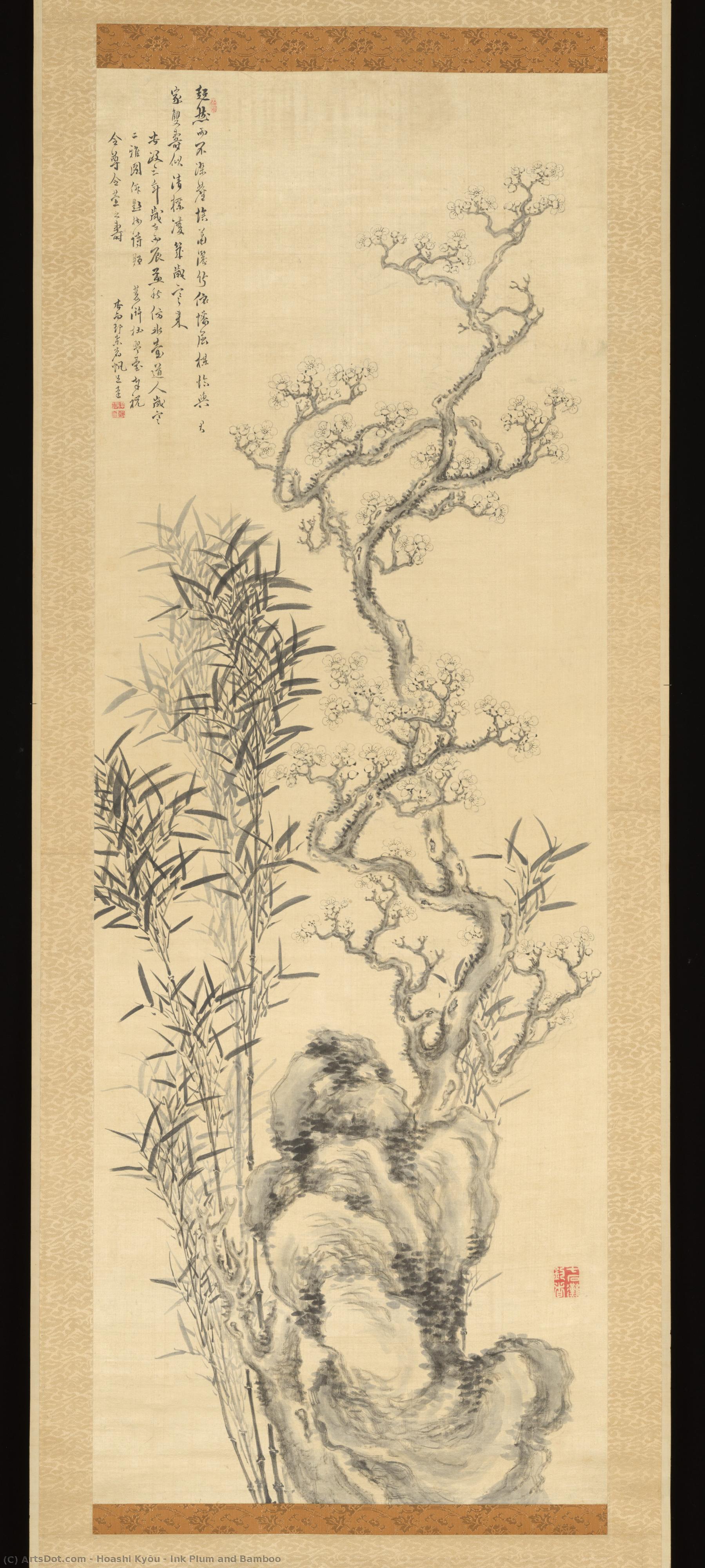
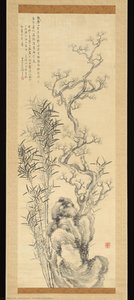
Ink Plum and Bamboo
 1856
1856 145.0 x 52.0 cm
 Читать далее
Масляная репродукция ручной работы
Картина маслом на холсте в выбранном вами размере и раме, написанная на заказ нашими художниками. ( Перейти к печати Перейти к цифровым изображениям)




































Выберите один из наших стандартных размеров, соответствующих оригинальным пропорциям произведения искусства.

Вы можете указать собственные размеры, чтобы картина идеально вписалась в выбранную раму или пространство. Если выбранный вами размер не соответствует пропорциям оригинала, мы либо обрежем полотно, либо расширим его за счет дополнительных элементов, написанных вручную. Цифровой макет будет отправлен вам на утверждение перед началом производства.
Обратите внимание, что предварительный просмотр на экране не отражает фактическую обрезку или расширение. Только макет точно покажет окончательную композицию.
Хотя доступны индивидуальные размеры, мы рекомендуем выбирать вариант из предопределенного списка, чтобы сохранить исходные пропорции.
После оформления заказа команда ArtsDot.com свяжется с клиентом по электронной почте для уточнения деталей и предоставит предварительный макет
Доставка по всему миру () за 3–4 недели вместо стандартных 5 недель. (11 Сентябрь). Без компромиссов в качестве.

Бесплатная экспресс-доставка по всему миру

Высококачественный льняной холст

Полное страхование доставки

Гарантия возмещения таможенных пошлин

Гарантия точного соответствия цветов

100-дневная политика возврата (только при обнаружении дефектов)

Гарантия возврата 100% средств

Предложение оптовых скидок
 Вариант со стеклом доступен только для размеров менее 110 см

Ink Plum and Bamboo
Техника репродукции
Размер репродукции
-


Итоговая стоимость
$ 263
Похожие произведения


Биография художника
The Soul of the Scholar’s Brush: The Life and Legacy of Hoashi Kyōu
In the twilight of the Edo period and the dawn of a transformative Meiji era, the Japanese landscape was undergoing a profound metamorphosis. Amidst this whirlwind of cultural upheaval, Hoashi Kyōu (帆足杏雨) emerged as a steadfast guardian of tradition, a painter whose brush captured not just the physical world, but the spiritual essence of Japan. Born in 1810 in the rugged beauty of Bingo no Kuni—present-day Oita Prefecture—Kyōu’s life was a testament to the enduring power of the Nihonga spirit. His artistry was never merely about representation; it was an act of preservation, a way to anchor the Japanese identity against the encroaching tides of Western influence.
Kyōu’s artistic foundation was laid within the esteemed traditions of Nan-ga (南画), or Chinese-style literati painting. Under the rigorous and inspired tutelage of masters such as Chikuden Tanomura and Syunnkin Uragami, he learned to view nature through a lens of philosophical depth. This training instilled in him a profound reverence for the subtle interplay of ink tones and the rhythmic elegance of calligraphy. To Kyōu, a painting was a poetic dialogue; his works often integrated masterful Chinese-style verse, written in an admirable hand that added a layer of intellectual panache to his visual compositions. This synthesis of text and image allowed him to communicate complex Confucian ideals—such as perseverance, integrity, and the quiet dignity of the natural world—to the learned circles of his day.
Nature as Metaphor: The Mastery of Ink and Symbolism
The true brilliance of Kyōu’s work lies in his ability to transform a simple landscape into a profound meditation on existence. He was a master of using seasonal motifs to evoke deep emotional resonances. One might look upon his depictions of a scholar’s garden and see more than just flora and stone; one sees the very architecture of the human spirit. In his celebrated works, such as Ink Plum and Bamboo, he employs a sophisticated range of ink washes to create depth and atmosphere.
His compositions often feature symbolic elements that carry heavy cultural weight:
- The Plum Blossom: Representing the arrival of spring and the ability to bloom even amidst the biting cold, symbolizing resilience.
- Bamboo: A symbol of longevity and flexibility, standing upright and unyielding through the winds of change.
- Weathered Rocks: Often rendered with mossy textures and bulbous protrusions, these elements serve as miniature mountain peaks, grounding the composition in a sense of ancient, eternal stability.
Through these motifs, Kyōu achieved a delicate balance between Yōga (Western-style painting) and traditional Japanese aesthetics. While the world around him began to embrace the vibrant palettes and flamboyant brushstrokes of the West, Kyōu deliberately retreated into muted tones and simplified forms. This was not a lack of skill, but a deliberate aesthetic choice to prioritize the essence of nature over photographic realism, capturing the kokoro—the heart—of his subjects.
A Pioneer of the Nihonga Movement
As Japan opened its borders during the Meiji Restoration, the tension between tradition and modernity became the defining struggle of the art world. Kyōu stood at the forefront of this movement, helping to define what would become known as Nihonga. By rejecting the materialism often associated with Western realism, he championed a way of seeing that valued harmony, introspection, and the spiritual connection between man and the cosmos.
His historical significance cannot be overstated. He was not merely a painter of landscapes; he was a bridge between eras. His ability to navigate the intellectual and literary networks of the late Edo period allowed him to sustain the Nan-ga tradition while adapting it to the changing sensibilities of a new Japan. Today, his legacy lives on in every brushstroke that seeks to find the infinite within the finite, reminding us that true art does not just mirror the world—it interprets the soul.
hoashi kyōu
1810 - 1884 , Japan
Основные сведения
- Artistic Movement Or Style: nihonga
- Artists Or Movements Influenced By This Artist: ['Bunjinga Art Movement']
- Artists Who Influenced This Artist:
- Uemura Shōen
- Soga Shohaku
- Kanō School
- Date Of Birth: 1810
- Full Name: hoashi kyōu
- Nationality: Japanese
- Notable Artworks:
- Ink Plum and Bamboo
- Boating Scene with Poem
- Place Of Birth: WahooArt