

 Предпросмотр
 Поделиться
 Поделиться
 Детали произведения

 Скачать
 Похожие работы
 Рентгенография
 Слайд-шоу
 Статистика
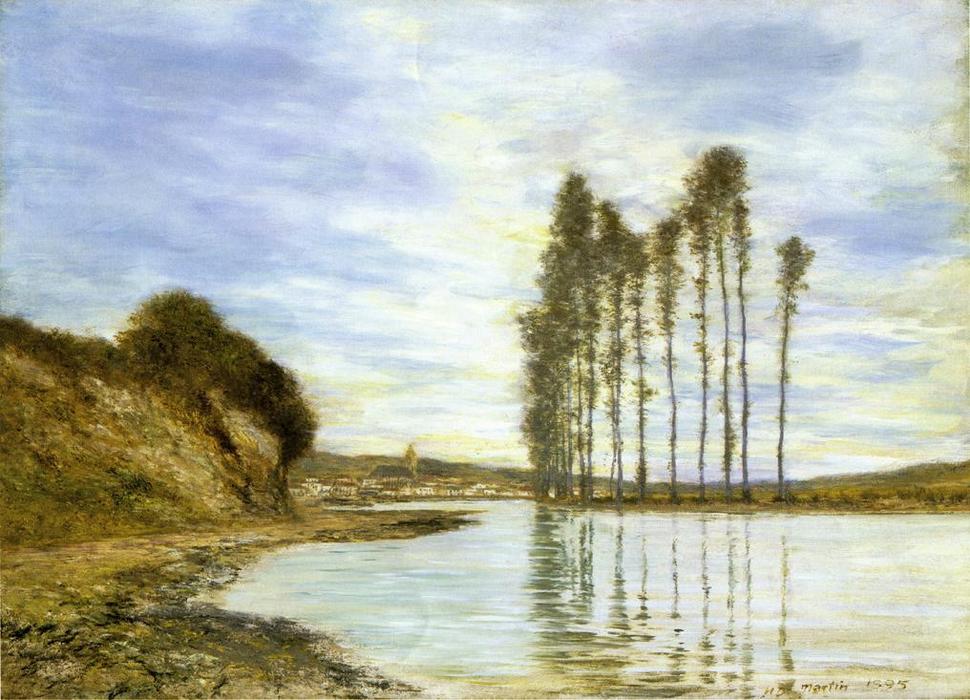
Harp of the Winds


 Читать далее
Жикле / Арт-принт
Печать (жикле) или холст музейного качества с быстрыми сроками изготовления и широким выбором вариантов отделки. ( Купить картину ручной работы Перейти к цифровым изображениям)




P118B $10

P118H $10

P118W $10

P438Z $10

P508JH $12

P508YH $12

P805H $10

P805Z $10

P919BZ $10

P919G $10

P919XJ $10

P959ZH $10

P968JZ $12

W106C $8

W218G $10

W218JH $8

W218Y $10

W307PJ $10

W316G $10

W316PJ $8

W316Y $10

W398PJ $8

W4111J $10

W500HY $15

W500JH $15

W692G $12

W849H $8

W940BG $15

W953PJ $8




Выберите один из наших стандартных размеров, соответствующих оригинальным пропорциям произведения искусства.

Вы можете указать свои собственные размеры, чтобы репродукция идеально подошла под конкретную раму или пространство. Если выбранный вами размер не будет соответствовать пропорциям оригинала, мы либо обрежем произведение, либо дополним изображение зеркальным отражением краев или однотонной заливкой. Перед началом производства вам будет отправлен цифровой макет для утверждения.
Пожалуйста, обратите внимание, что предварительный просмотр на экране не отображает фактическую обрезку или расширение изображения. Только макет точно покажет финальную композицию.
Несмотря на возможность заказа индивидуальных размеров, мы рекомендуем выбирать размер из предопределенного списка, чтобы сохранить оригинальные пропорции.
Доставка по всему миру () за 2 недели вместо стандартных 4/5 недель. (12 Сентябрь)

Бесплатная экспресс-доставка по всему миру

Высококачественный льняной холст

Полное страхование доставки

Гарантия возмещения таможенных пошлин

Гарантия точного соответствия цветов

100-дневная политика возврата (только при обнаружении дефектов)

Гарантия возврата 100% средств

Предложение оптовых скидок
 Вариант со стеклом доступен только для размеров менее 110 см

Harp of the Winds
Жикле / Арт-принт
Размер репродукции
-


Итоговая стоимость
$ 62
A Bridge Between Worlds: The Life and Art of Homer Dodge Martin
Homer Dodge Martin (1836–1897) stands as an intriguing figure in the annals of American landscape painting, representing a pivotal moment where the grandeur of the Hudson River School began to yield to the burgeoning spirit of Impressionism. His formative years were steeped in artistic influence; briefly tutored by William Hart, he swiftly absorbed the prevailing aesthetic—a dedication to meticulous realism combined with a nascent appreciation for capturing fleeting atmospheric sensations. This early exposure fostered an environment of collaborative creativity within Albany’s vibrant artist community, including George Boughton and Edward Gay, shaping Martin's artistic trajectory and establishing foundational connections that would reverberate throughout his career. ## Early Landscapes: Echoes of the Hudson River School Martin’s formative years witnessed the zenith of the Hudson River School, a movement characterized by grand vistas rendered with painstaking detail and imbued with spiritual reverence for America’s untamed wilderness. Artists like Hart championed the pursuit of sublime beauty—the awe-inspiring grandeur of mountains and rivers—aiming to elevate viewers' souls through contemplation of nature’s majesty. This influence is palpable in Martin’s early works, where meticulous brushstrokes capture the textures of bark, stone, and foliage with remarkable accuracy. The compositions often prioritize horizontal lines mirroring the expansive skies and reflecting a belief in the restorative power of landscapes. ## Impressionistic Vision: Embracing Light and Atmosphere However, Martin swiftly moved beyond the formal constraints of the Hudson River School, embracing the burgeoning spirit of Impressionism—a movement that championed spontaneity and subjective perception. Artists like Claude Monet and Pierre-Auguste Renoir had begun to prioritize capturing fleeting moments of light and color over precise representation, prioritizing feeling over factual detail. This shift is evident in “View on the Seine: Harp of the Winds,” where Dodge Martin skillfully employs loose brushstrokes and a muted palette to convey an atmosphere of tranquil contemplation. ## Subject Matter & Composition “View on the Seine: Harp of the Winds” depicts a serene riverside landscape dominated by tall, slender trees reflected in calm water—a motif frequently explored by Barbizon painters seeking inspiration from the unspoiled beauty of rural France. The composition is deliberately horizontal, emphasizing the expansive vista and mirroring the stillness of the water surface. A distant town silhouette adds depth to the scene, guiding the viewer’s eye across the canvas and fostering a sense of perspective. Dodge Martin's careful placement of the trees contributes to a dynamic balance, preventing the image from feeling static or overly formal. ## Artistic Style & Technique: Impressionistic Vision Homer Dodge Martin stands as a pivotal figure in bridging the gap between the grandeur of the Hudson River School and the burgeoning spirit of Impressionism—a movement that championed capturing fleeting moments of light and atmosphere above meticulous detail. “View on the Seine: Harp of the Winds,” created circa 1893-95, exemplifies this transitional aesthetic with remarkable precision. The painting’s technique is characterized by loose brushstrokes—a hallmark of Impressionism—that prioritize conveying the essence of the scene rather than replicating it photographically. Martin skillfully employed wet-on-wet layering, blending colors seamlessly to achieve a luminous effect that captures the diffused sunlight filtering through the trees and reflecting on the tranquil waters of the Seine. This masterful approach aligns perfectly with the broader artistic movement’s fascination for capturing fleeting moments of beauty and atmosphere. The artwork depicts a serene landscape dominated by a dense grove of tall, slender birch trees—a motif frequently explored in Barbizon painters' works—their branches gracefully swaying in the breeze. The water surface mirrors the foliage above, creating an illusionistic depth that enhances the overall impression of tranquility. Careful observation reveals subtle variations in tonal color and brushstroke texture, indicative of Impressionist techniques aimed at conveying light and shadow rather than precise representation. Homer Dodge Martin’s “View on the Seine: Harp of the Winds,” completed in 1893-95, stands as a testament to the enduring influence of the Barbizon School on American landscape painting. While acknowledging the broader stylistic currents of Impressionism—particularly the embrace of plein air painting and fleeting atmospheric effects—Martin’s vision retains a core connection to the Barbizon tradition's focus on capturing the grandeur and solemn beauty of rural landscapes. This artistic lineage is palpable in the muted palette dominated by earthy browns, ochres, and soft blues, mirroring the tonal harmonies favored by artists like Jean-François Millet and Théodore Rousseau. The artwork itself depicts a serene vista featuring a dense grove of tall trees reflected in tranquil waters—a motif frequently explored during the Romantic era as a symbol of contemplation and connection with nature’s sublime power. The composition is deliberately asymmetrical, placing the tree line slightly off-center to create visual dynamism and subtly emphasizing the artist's perspective. Careful attention has been paid to atmospheric perspective; distant elements appear paler and less defined than those closer to the viewer, reinforcing the impression of depth and conveying a sense of vastness. Homer Dodge Martin’s masterful use of oil paint on canvas exemplifies Impressionism—a movement that prioritized capturing fleeting moments of light and color rather than striving for photographic realism. The artist employed loose brushstrokes and wet-on-wet techniques to blend hues seamlessly, resulting in a luminous surface texture that embodies the spirit of Barbizon landscape painting. Visible impasto adds textural richness, particularly evident in the depiction of tree bark and foliage—a deliberate choice intended to evoke tactile sensations and heighten visual engagement. The artwork "View on the Seine: Harp of the Winds," created by Homer Dodge Martin in 1893-95, stands as a testament to the burgeoning Impressionist movement’s fascination with capturing fleeting moments of atmospheric beauty. Departing from the meticulous detail favored by the Hudson River School, Martin embraced a more subjective approach—one that prioritized emotional resonance over photographic accuracy. Influenced profoundly by Barbizon painters and the serene landscapes of the Adirondacks, he sought to convey not merely what he saw but how he felt when confronted with nature’s grandeur. Martin skillfully employed wet-on-wet painting techniques, blending colors seamlessly on the canvas to achieve a luminous effect that mimics the diffused light characteristic of overcast days or early morning hours. The impasto brushstrokes—thickly applied paint—add textural richness and depth to the scene, capturing the rugged beauty of the trees and the tranquil surface of the water. This technique was particularly favored by Impressionists who wished to capture fleeting moments of visual experience. The artwork’s composition centers around a horizontal line formed by the row of tall trees, creating a sense of stability while simultaneously directing the viewer's gaze across the landscape. The shoreline on the left introduces a diagonal element that enhances dynamism and contributes to the overall atmospheric perspective—a hallmark of Impressionism—where distant objects appear paler and less defined than those closer to the eye. A subtle town nestled in the distance reinforces this depth, grounding the scene within its surroundings. The artwork "View on the Seine: Harp of the Winds," created by Homer Dodge Martin in 1893-95, stands as a testament to the burgeoning Impressionist movement’s fascination with capturing fleeting moments of beauty and emotion. Departing from the meticulous realism championed by the Hudson River School, Martin embraced loose brushstrokes and vibrant color palettes—techniques directly influenced by artists like Claude Monet and Camille Pissarro—to convey an atmosphere of serene contemplation. The scene depicts a tranquil riverside landscape bathed in diffused sunlight, dominated by towering trees whose branches reach towards the sky, mirroring the gentle sway of wind through their foliage. Martin’s masterful use of impasto technique – applying paint thickly onto the canvas – lends textural richness to the depiction of bark and leaves, capturing the essence of the natural world with remarkable precision. The artist skillfully employs wet-on-wet painting methods, blending colors seamlessly to achieve subtle tonal variations that heighten the sense of depth and luminosity. These techniques are characteristic of Impressionism’s core aesthetic: prioritizing light and color over meticulous detail to evoke emotion and capture a fleeting moment in time—a serene landscape bathed in diffused sunlight. The artwork, titled “View on the Seine: Harp of the Winds,” by Homer Dodge Martin, dates back to 1893-95 and represents a pivotal juncture in American art history. Emerging from the shadow of the Hudson River School’s grand narratives of sublime beauty, Martin embraced the burgeoning influence of Impressionism while retaining a core aesthetic rooted in observation and tonal harmony. This stylistic fusion is palpable in every brushstroke—a deliberate rejection of photographic realism favoring instead a painterly approach that prioritizes capturing fleeting atmospheric conditions. Martin's inspiration drew heavily from Barbizon landscapes, where artists sought to depict the natural world with uncompromising honesty and emotional resonance. The Seine River dominates the composition, reflecting not merely its physical presence but also its symbolic role as a conduit between humanity and nature—a motif frequently explored by Romantic painters preceding Martin’s time. However, unlike many of his contemporaries who focused on grand vistas or idealized beauty, Martin opted for a quieter scene: a row of slender trees bathed in diffused sunlight against the backdrop of a distant village. This deliberate choice underscores a fascination with atmospheric perspective and an appreciation for subtle nuances of color and texture—characteristics that firmly establish him within the burgeoning Impressionist movement. The painting’s style is unmistakably Impressionistic, prioritizing fleeting moments of light and sensation over meticulous detail. Martin eschews the precise rendering demanded by the Hudson River School, favoring loose brushstrokes that capture the ephemeral qualities of a particular scene. These visible marks of paint—a technique known as impasto—create a palpable sense of physicality and contribute to the artwork’s overall textural richness. The artist skillfully blends colors wet-on-wetПохожие произведения
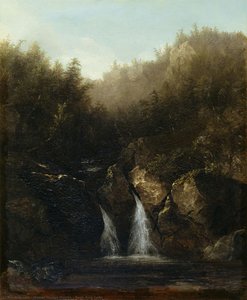
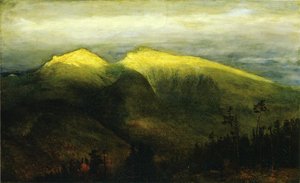
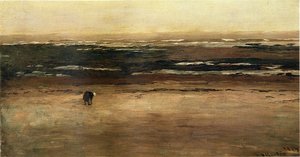
Биография художника
A Bridge Between Worlds: The Life and Art of Homer Dodge Martin
Родившийся в Альбани, штат Нью-Йорк, в 1836 году, Гомер Додж Мартин стал ключевой фигурой в американской пейзажной живописи, переходным художником, который грациозно перемещался между устоявшейся величием школы Гудзон и зарождающимися инновациями импрессионизма. Его ранняя жизнь была пропитана художественным обещанием; он был временно обучен Уильямом Хартом, быстро усвоил преобладающую эстетику своего времени — почтение к детальному реализму и благословенной красоте дикой природы Америки. Ранние годы Мартина также были сформированы ярким сообществом художников в Альбани, включая Джорджа Боунтона и Эдварда Гая, что способствовало созданию среды творческого обмена, которая сыграла решающую роль в его развитии. Эти ранние пейзажи, тщательно проработанные, отражали обязательства школы Гудзон по изображению величия природы, но даже тогда появились намеки на более личное и атмосферное видение. Он проводил летние месяцы, зарисовывая пейзажи в Адирондаках, Катскиллах и Белых горах, переводя эти работы на пленэре в свои студии в Нью-Йорке — практика, распространенная среди художников, стремящихся как черпать вдохновение в природе, так и пользоваться удобством городского образа жизни. Его преданность принесла ему признание; избрание ассоциированным, а затем академиком Национальной академии дизайна укрепило его положение в художественном мире конца XIX века.Европейское пробуждение и трансформация искусства
Переломным моментом в художественном пути Мартина стал трансформационный визит в Европу в 1876 году. Это было не просто туристическое путешествие, а погружение в сердце авангардного искусства. Знакомство с школой Барбизон — с ее акцентом на непосредственное наблюдение и натуралистическое изображение сельской жизни — и зарождающимся импрессионистским движением глубоко изменило его художественные чувства. Тщательно продуманные композиции и отполированные поверхности его ранних работ начали уступать место более свободному мазку, более выразительному использованию цвета и повышенной чувствительности к атмосферным эффектам. Он не просто перенимал эти новые техники; он внутренне усваивал их, фильтруя их через свое уникальное видение. Этот сдвиг не произошел мгновенно. Это было постепенное развитие, тонкое, но значительное отклонение от устоявшихся норм американской пейзажной живописи. Влияние не является имитацией, а скорее вдохновением — расширением горизонтов, которое позволило Мартину исследовать новые возможности в своем искусстве.Годы в Нормандии и сущность места
Кульминацией этого художественного пробуждения стало четырехлетнее пребывание во Франции с 1882 по 1886 год, преимущественно в Нормандии. Он стал частью яркой художественной колонии в Этапле, обмениваясь идеями с другими художниками и погружаясь в французскую сельскую местность. Этот период оказался чрезвычайно плодотворным, принесшим некоторые из его самых известных работ. Например, *Причал в Этапле* — это убедительный топографический вид, передающий бурную энергию судостроения и морской деятельности. *Деревня в лесу* демонстрирует его растущее мастерство в изображении атмосферной перспективы и его способность передавать настроение с помощью тонких изменений света и цвета. Но именно *Звуки ветров*, написанный в Вильервилле на Сене, закрепил его репутацию. Этот холст, ныне находящийся в Музее Метрополитен, является воплощением зрелого стиля Мартина — гармоничным сочетанием наблюдения и эмоций, передающим не только сцену, но и ее сущность. Эти французские картины демонстрируют поразительную способность передавать как осязаемую реальность пейзажа, так и его неуловимое эмоциональное звучание.Поздние годы, наследие и непреходящее очарование
Несмотря на художественные достижения, Мартин столкнулся с трудностями в поздние годы своей жизни. Бедность и ухудшающееся зрение вынудили его переехать в штат Миннесота в 1893 году, где он жил у родственников. Поразительно, что даже несмотря на уменьшение зрения, его творческий дух оставался нетронутым. *Пейзаж Адирондак*, написанный по памяти почти слепым, является свидетельством его неугасающей страсти и художеского мастерства — трогательным напоминанием о том, что искусство превосходит физические ограничения. Хотя он добился лишь ограниченного коммерческого успеха во время своей жизни, репутация Мартина выросла после его смерти в 1897 году. Вскоре после его кончины *Пейзаж Адирондак* был продан за впечатляющую сумму в 5500 долларов США, сигнализируя о позднем признании его таланта. Сегодня его картины хранятся в многочисленных престижных американских музеях — Музее Метрополитен, Национальном музее американского искусства и многих других, обеспечивая продолжение вдохновения и очарования публики. Гомер Додж Мартин теперь заслуженно признан переходной фигурой, мостом между величием школы Гудзон и поэтичностью атмосферы американского импрессионизма. Его инновационный подход к пейзажной живописи, характеризующийся его выразительной меланхолией и свободным мазком, обеспечивает ему достойное место в пантеоне американских художников XIX века.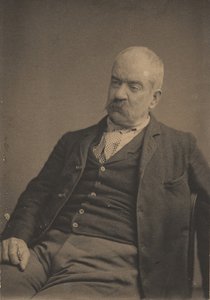
Гром Дотт Мартин
1836 - 1897 , США
Основные сведения
- Artistic Movement Or Style: Художественная школа Hudson & Импрессионизм
- Artists Or Movements Influenced By This Artist: ['Импрессионизм']
- Artists Who Influenced This Artist:
- Уильям Харт
- Баризонье
- Шампелин
- Date Of Birth: 28 октября 1836 г.
- Date Of Death: 12 февраля 1897 г.
- Full Name: Homer Dodge Martin
- Nationality: Американский
- Notable Artworks:
- «Гарпа ветров»
- «Мост в Лидсе»
- «Рядом с Ньюпортом»
- Place Of Birth: Алабама, США
Похожие статьи

Топ-10 шедевров импрессионизма: пейзажи, изменившие искусство | ArtsDot
Погрузитесь в мир импрессионизма! Откройте топ-10 шедевров Моне, Ренуара и других великих художников. Узнайте историю создания культовых пейзажей и вдохновитесь для декора интерьера. Репродукции картин высокого качества на ArtsDot.com
Топ-25 шедевров Уинслоу Хомера: Искусство Америки для вашего интерьера
Погрузитесь в мир Уинслова Хомера! 25 шедевров американского реализма, морских пейзажей и жанровой живописи. Откройте историю создания культовых картин и вдохновитесь для интерьера. Репродукции высокого качества на ArtsDot.com.

The Sublime Landscape: Exploring the Hudson River School Movement
Explore the captivating world of the Hudson River School! Discover the history, artists, and defining characteristics of this iconic American art movement. Learn about Romanticism's influence & find inspiration for your collection.
Топ-10 шедевров импрессионизма: пейзажи, изменившие искусство | ArtsDot
Погрузитесь в мир импрессионизма! Откройте 10 шедевров Моне, Ренуара и других великих художников. Узнайте историю создания культовых пейзажей и вдохновитесь для декора вашего дома. Репродукции картин высокого качества на ArtsDot.com.
Школа реки Гудзон: 10 шедевров, изменивших американскую живопись | ArtsDot
Погрузитесь в мир Школы реки Гудзон! 10 шедевров Томаса Коула, Фредерика Чёрча и других мастеров американского романтизма. Купите репродукции картин высокого качества для вашего интерьера на ArtsDot.com.