

 Предпросмотр
 Поделиться
 Поделиться
 Детали произведения

 Скачать
 Похожие работы
 Рентгенография
 Слайд-шоу
 Статистика
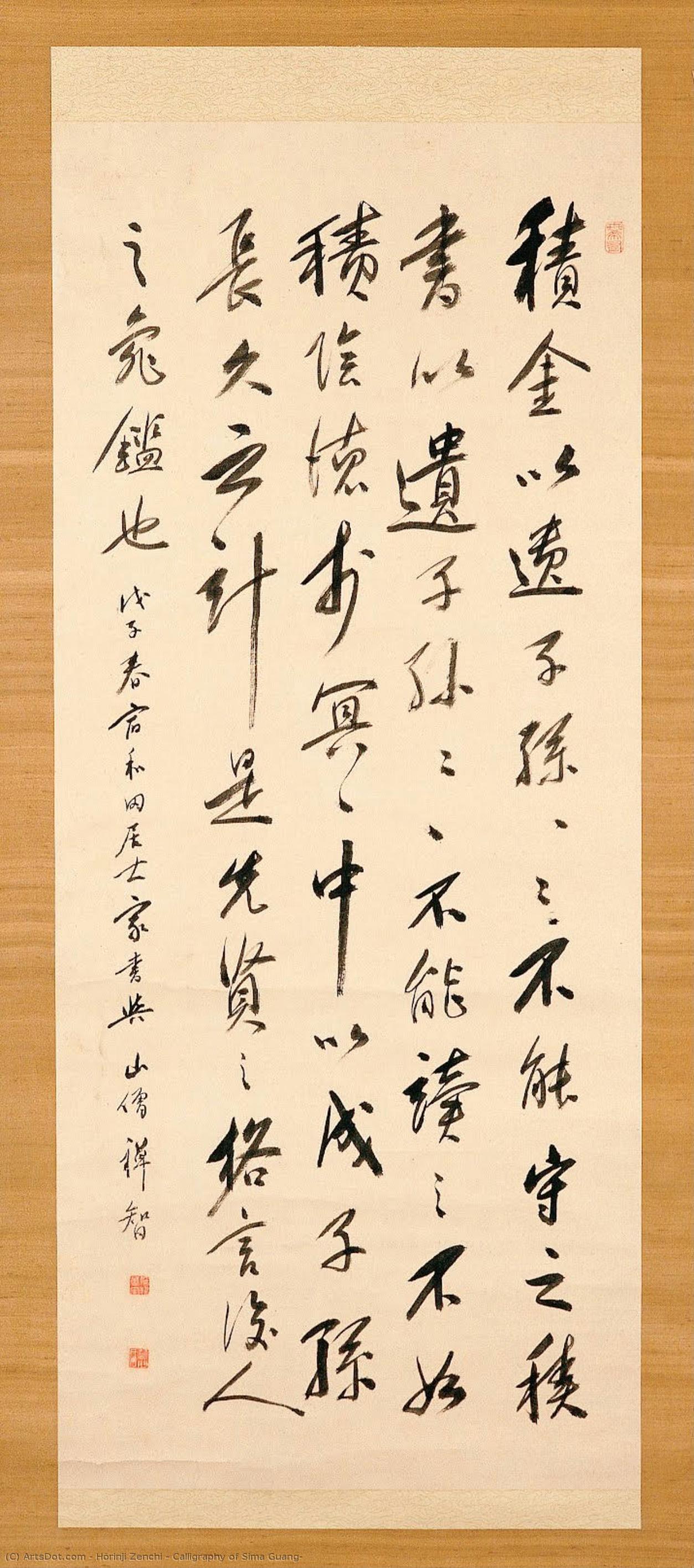
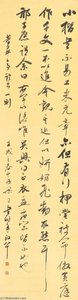
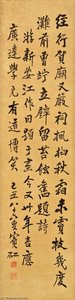
Calligraphy of Sima Guang

 Читать далее
Жикле / Арт-принт
Печать (жикле) или холст музейного качества с быстрыми сроками изготовления и широким выбором вариантов отделки. ( Купить картину ручной работы Перейти к цифровым изображениям)




































Выберите один из наших стандартных размеров, соответствующих оригинальным пропорциям произведения искусства.

Вы можете указать свои собственные размеры, чтобы репродукция идеально подошла под конкретную раму или пространство. Если выбранный вами размер не будет соответствовать пропорциям оригинала, мы либо обрежем произведение, либо дополним изображение зеркальным отражением краев или однотонной заливкой. Перед началом производства вам будет отправлен цифровой макет для утверждения.
Пожалуйста, обратите внимание, что предварительный просмотр на экране не отображает фактическую обрезку или расширение изображения. Только макет точно покажет финальную композицию.
Несмотря на возможность заказа индивидуальных размеров, мы рекомендуем выбирать размер из предопределенного списка, чтобы сохранить оригинальные пропорции.
Доставка по всему миру () за 2 недели вместо стандартных 4/5 недель. (12 Сентябрь)

Бесплатная экспресс-доставка по всему миру

Высококачественный льняной холст

Полное страхование доставки

Гарантия возмещения таможенных пошлин

Гарантия точного соответствия цветов

100-дневная политика возврата (только при обнаружении дефектов)

Гарантия возврата 100% средств

Предложение оптовых скидок
 Вариант со стеклом доступен только для размеров менее 110 см

Calligraphy of Sima Guang
Жикле / Арт-принт
Размер репродукции
-


Итоговая стоимость
$ 62
Похожие произведения

Биография художника
A Brushstroke of Enlightenment: The Life and Art of Hōrinji Zenchi
The late Edo period in Japan (1603-1868) was a time of relative peace, allowing for a flourishing of arts and intellectual pursuits. Within this vibrant cultural landscape emerged Hōrinji Zenchi (1758-1830), a figure whose life seamlessly blended the disciplined world of Sōtō Zen Buddhism with the expressive beauty of calligraphy. Born Emon Zenchi in Saitama, his journey wasn’t one of grand societal ambition but rather an inward exploration guided by spiritual devotion. He became a monk within the Sōtō sect, a school known for its emphasis on *zazen* (seated meditation) and direct experience of enlightenment. This foundational practice would profoundly shape not only his worldview but also the very essence of his artistic creations.
Zenchi’s path led him to become a successor of Gentō Sokuchu, a pivotal figure in the revival of Zen Buddhism during the Edo period. He wasn't merely a student; he actively assisted Gentō in restoring ancient monastic rules and, crucially, compiling Gentō’s ‘Kūgean Roku,’ a collection of his teachings and analects. This act reveals Zenchi as more than just an artist—he was a dedicated scholar and preserver of Buddhist wisdom. He spent much of his life at Hōrinji Temple in Settsu and Zen’ōji Temple in Mino, environments that fostered both contemplation and artistic refinement.
The Calligraphy of Reverence: Style and Subject Matter
Zenchi's calligraphy wasn’t simply beautiful handwriting; it was a manifestation of his spiritual practice. He became particularly renowned for his exquisite renditions of honorific titles for the Buddha, known as *go-shō*. These weren’t mere labels but carefully crafted expressions of reverence and devotion. Each stroke carried weight, imbued with the stillness cultivated through years of meditation. His style is characterized by a powerful yet elegant brushwork, often employing bold ink washes and dynamic compositions. He didn't strive for flamboyant displays of technique; instead, he sought to convey a sense of profound sincerity and inner peace.
Beyond Buddhist calligraphy, Zenchi also demonstrated skill in other forms, including poetry. This connection between calligraphy and poetry is significant—both art forms demanded discipline, sensitivity, and an ability to capture the essence of a moment or idea with concise precision. It’s even noted that he maintained contact with Rai Sanyō, a prominent scholar and writer of the time, suggesting an engagement with broader intellectual currents beyond the monastic walls.
Influences and Artistic Development
While Zenchi's primary influence was undoubtedly Gentō Sokuchu and the tenets of Sōtō Zen Buddhism, his artistic development likely drew from a wider range of sources. The Edo period saw a revival of interest in classical Chinese calligraphy, which heavily influenced Japanese styles. It’s probable that Zenchi studied earlier masters, absorbing their techniques while forging his own unique voice. His connection with Rai Sanyō also hints at an awareness of contemporary literary and artistic trends.
His work doesn't exhibit the overt ornamentation sometimes found in other Edo-period calligraphy; instead, it’s marked by a deliberate simplicity that reflects the Zen aesthetic of *wabi-sabi* – finding beauty in imperfection and transience. This understated elegance is perhaps his most defining characteristic.
Legacy and Historical Significance
Hōrinji Zenchi's legacy extends beyond the beautiful artworks he left behind. He played a vital role in preserving and disseminating the teachings of Gentō Sokuchu, contributing to the revitalization of Sōtō Zen Buddhism during a crucial period. His calligraphy serves as a powerful testament to the integration of spiritual practice and artistic expression.
Today, his works are highly valued for their aesthetic beauty and historical significance. They offer a glimpse into the mind of a dedicated monk who sought to embody enlightenment through every brushstroke. Zenchi’s art reminds us that true creativity isn't simply about technical skill but about cultivating inner stillness and expressing profound reverence for life.
- Key Characteristics: Powerful yet elegant brushwork, bold ink washes, dynamic compositions, emphasis on sincerity and inner peace.
- Major Themes: Honorific titles for the Buddha (go-shō), Buddhist teachings, Zen aesthetic of wabi-sabi.
- Influences: Gentō Sokuchu, Sōtō Zen Buddhism, classical Chinese calligraphy, Rai Sanyō.
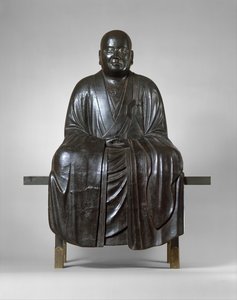
hōrinji zenchi
1758 - 1830 , Japan
Основные сведения
- Artistic Movement Or Style: Sōtō Zen calligraphy
- Artists Who Influenced This Artist: ['Gentō Sokuchu']
- Date Of Birth: 1758
- Date Of Death: 1830
- Full Name: Hōrinji Zenchi
- Nationality: Japanese
- Notable Artworks:
- Three-piece Set of Calligraphy...
- Calligraphy of Sima Guang
- Place Of Birth: Saitama, Japan