


 Предпросмотр
 Поделиться
 Поделиться
 Детали произведения

 Скачать
 Похожие работы
 Рентгенография
 Слайд-шоу
 Статистика
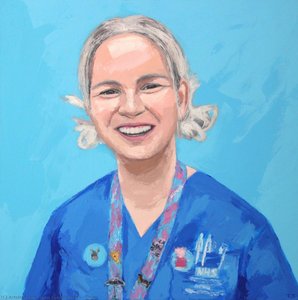
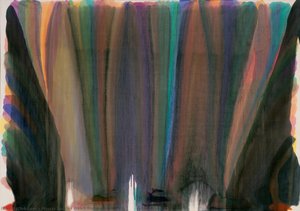
White Uniform No. 5
 Acrylic On Canvas
- WallArt
- Contemporary
 2017
2017- Contemporary
 83.0 x 83.0 cm
 Государственная галерея искусств и Галерея современного искусства (QAGOMA)
 Читать далее
Приобретите цифровое изображение высокого разрешения в улучшенном качестве, которое значительно превосходит онлайн-превью.
Каждый файл тщательно подготавливается нашими специалистами с использованием передовых инструментов и экспертной ручной ретуши. Мы гарантируем исключительную четкость, точную цветопередачу и детальную проработку каждого изображения.
Финальный файл доставляется по электронной почте в течение 72 часов и оптимизирован для немедленного использования в профессиональной среде, при верстке и печати. Это тот же уровень качества, которому доверяют ведущие дизайнерские студии, издательства и галереи.
Цифровое изображение
Скачайте файл высокого разрешения для личного использования, печати и творческих проектов. ( Перейти к печати Купить картину ручной работы)
Включено в каждый заказ цифровых изображений
Гарантия экспертной цифровой доставки
Выбирая ArtsDot.com, вы получаете не просто изображение — вы приобретаете профессионально обработанное цифровое произведение искусства, созданное с безупречной точностью и под защитой гарантии качества. Вот всё, что автоматически входит в ваш заказ:

Мгновенная доставка по e-mail
Ваш цифровой файл в высоком разрешении будет отправлен вам по электронной почте в течение 72 часов после оформления заказа — и сразу станет доступен для использования.

Цифровой файл с ИИ-улучшением
Ваше произведение искусства проходит профессиональную оптимизацию с использованием передовых инструментов ИИ и ручной обработки, что гарантирует максимальную детализацию, четкость и точность цветопередачи.

Бессрочная бесплатная повторная доставка
Случайно удалили или потеряли файл? Не беспокойтесь — мы отправим его вам повторно в любое время и совершенно бесплатно.

Без импортных пошлин — навсегда
Наслаждайтесь вашим произведением искусства мгновенно без таможенных пошлин, сборов или затрат на доставку — цифровые загрузки всегда не облагаются налогом.

Гарантия точности цветопередачи
Мы гарантируем, что ваше цифровое изображение максимально точно передает оригинальные цвета благодаря использованию профессиональных инструментов и систем управления цветом.

Гарантия удовлетворенности 100 дней
Если вы не будете удовлетворены своим цифровым изображением, мы внесем правки или вернем 100% стоимости в течение 100 дней — без лишних вопросов.

100% Гарантия возврата средств
Не удовлетворены покупкой? Получите полный возврат средств в течение 100 дней после получения цифрового файла — без лишних вопросов.

Скидки на оптовые заказы
Купите 3 изображения, сэкономьте 10% — Купите 5, сэкономьте 15% — Купите 10+, сэкономьте 20%. Отличное решение для творческих проектов, галерей и агентств.
Hou I-Ting’s ‘White Uniform No. 5’: A Silent Chronicle of Labor and Colonial Echoes
“White Uniform No. 5,” created in 2017 by Taiwanese artist Hou I-ting, isn't merely a monochrome illustration; it’s a meticulously constructed meditation on labor, memory, and the lingering shadows of colonialism. The artwork immediately draws the eye with its stark simplicity – an airplane rendered in shades of grey against a textured background that suggests both distance and the relentless passage of time. Yet, within this apparent minimalism lies a complex narrative woven through subtle details and a deliberate stylistic choice.
The piece’s foundation rests on Hou I-ting's exploration of ‘bendong,’ a traditional Taiwanese boxed lunch—a “bento box” as it was often referred to during the Japanese occupation. These lunches, packed with simple provisions like rice, seaweed, and occasionally, propaganda leaflets, became a ubiquitous symbol of daily life for many Taiwanese residents. The film and photographic series that informed ‘White Uniform No. 5’ documented the women who painstakingly prepared these ‘bendong,’ their work a quiet testament to resilience and adaptation within a complex historical context.
A Graphic Language of Hatching and History
Hou I-ting's technique is characterized by an almost obsessive attention to detail, primarily achieved through the masterful use of hatching and cross-hatching. This painstaking process isn’t simply about creating shading; it’s a deliberate homage to woodblock printing, a method deeply rooted in Taiwanese artistic traditions. The resulting texture mimics the grain of paper, adding a tactile quality to the image and subtly reinforcing its connection to historical processes – specifically, the reproduction of designs on ‘bendong’ boxes.
The monochromatic palette amplifies this effect, lending an air of solemnity and timelessness to the scene. The airplane itself is depicted with clean, geometric lines, almost as if it were a schematic diagram rather than a fully realized object. This stylistic choice further emphasizes the artwork's conceptual focus—it’s less about capturing a specific moment in time and more about distilling the essence of an experience.
Symbolism Woven into the Grey
The airplane, a potent symbol of modernity and technological advancement, is placed within this historical framework, creating a compelling tension. It represents both progress and the forces that propelled Taiwan’s development during the Japanese colonial period – a period marked by intense railway construction to facilitate the export of natural resources. The inclusion of Japanese text alongside the image subtly acknowledges the enduring legacy of colonialism and its impact on Taiwanese identity.
Furthermore, the subtle hints of wartime propaganda embedded within some of the ‘bendong’ designs—images of bananas from Taichung or advertisements for sandwiches – serve as a poignant reminder that even seemingly innocuous objects can carry layers of political meaning. The artwork invites viewers to consider how history is often obscured and reinterpreted through everyday experiences.
A Reflection on Labor, Memory, and the Journey
Ultimately, ‘White Uniform No. 5’ transcends its historical subject matter to become a broader meditation on labor, memory, and the human condition. It evokes the feeling of a long train journey—a space where time stretches out, thoughts wander, and personal narratives intertwine with collective history. The image captures the quiet dignity of those women who tirelessly prepared these ‘bendong,’ their work a testament to their resilience and adaptability in the face of challenging circumstances.
Hou I-ting’s artwork is not just a visual representation; it's an invitation to contemplate the complexities of Taiwanese history, the enduring impact of colonialism, and the quiet beauty found within the rhythms of everyday life. It’s a powerful piece that rewards repeated viewing, revealing new layers of meaning with each encounter.
Похожие произведения

Биография художника
Hou I-ting: Exploring Labor and Reflection Through Hybrid Media
Hou I-ting, born in Kaohsiung, Taiwan, represents a compelling voice within contemporary Taiwanese art. Her artistic practice transcends conventional boundaries, deftly blending video, performance, and altered photography to investigate themes of women’s labor and the interplay between human experience and technological advancement—a preoccupation that speaks powerfully to the evolving landscape of modern society. Currently residing in Taipei, I-ting's work consistently seeks to provoke contemplation on societal structures and personal narratives.- Early Influences & Artistic Formation: While biographical details remain relatively sparse, I-ting’s artistic journey began amidst a burgeoning interest in visual culture and experimental filmmaking. Her formative years were marked by exposure to diverse artistic traditions—both Taiwanese and international—which undoubtedly shaped her aesthetic sensibilities.
- Technique & Conceptual Approach: I-ting distinguishes herself through her meticulous attention to detail and her willingness to embrace unconventional methods. She favors layered photographic techniques combined with subtle manipulations, creating images that hover between reality and illusion. Her use of hatching—a technique rooted in woodblock printing—adds textural depth and reinforces the symbolic resonance of her compositions.
The White Uniform Series: Colonial Echoes & Human Connection
Perhaps I-ting’s most recognizable body of work is her ‘White Uniform’ series, a poignant exploration of memory and labor within the context of Taiwanese history. The prints depict simple sandwiches encased in opulent gold frames—a striking juxtaposition that immediately draws attention to the complexities of cultural heritage. This conceptual framework deliberately confronts viewers with the legacy of colonial rule, prompting reflection on how historical narratives continue to shape present-day perceptions.Notable Achievements & Critical Recognition
I-ting’s artistic vision has garnered considerable acclaim within Taiwan's art community. Her work has been exhibited extensively in galleries and museums across the island, establishing her as a significant figure in contemporary Taiwanese visual culture. Critics have praised her ability to synthesize disparate influences—from Japanese printmaking traditions to digital media—into cohesive artistic statements.Symbolism & Recurring Themes
Throughout her oeuvre, I-ting consistently engages with themes of repetition and transformation. Her photographic explorations often depict mundane subjects—such as retail spaces—rendered surreal through reflections and layered imagery. These artworks invite viewers to consider the significance of seemingly insignificant details within broader social contexts. The recurring motif of ‘white’ – referencing uniforms and purity – underscores her preoccupation with notions of identity, labor, and societal expectations.Looking Ahead: Artistic Legacy & Future Directions
Hou I-ting continues to push the boundaries of artistic expression, demonstrating a steadfast commitment to exploring challenging ideas through innovative media. Her ongoing engagement with themes of memory, labor, and technological influence suggests that her artistic legacy will endure as she navigates new creative territories—solidifying her position as one of Taiwan’s most distinctive voices in contemporary art.
hou i-ting
1979 - , Taiwan
Основные сведения
- Artistic Movement Or Style: Video art & Altered photography
- Date Of Birth: 1979
- Full Name: hou i-ting
- Nationality: Taiwanese
- Notable Artworks:
- White Uniform No. 2
- White Uniform No. 5
- Contemplating Series
- Place Of Birth: Kaohsiung, Taiwan