

 Предпросмотр
 Поделиться
 Поделиться
 Детали произведения

 Скачать
 Похожие работы
 Рентгенография
 Слайд-шоу
 Статистика
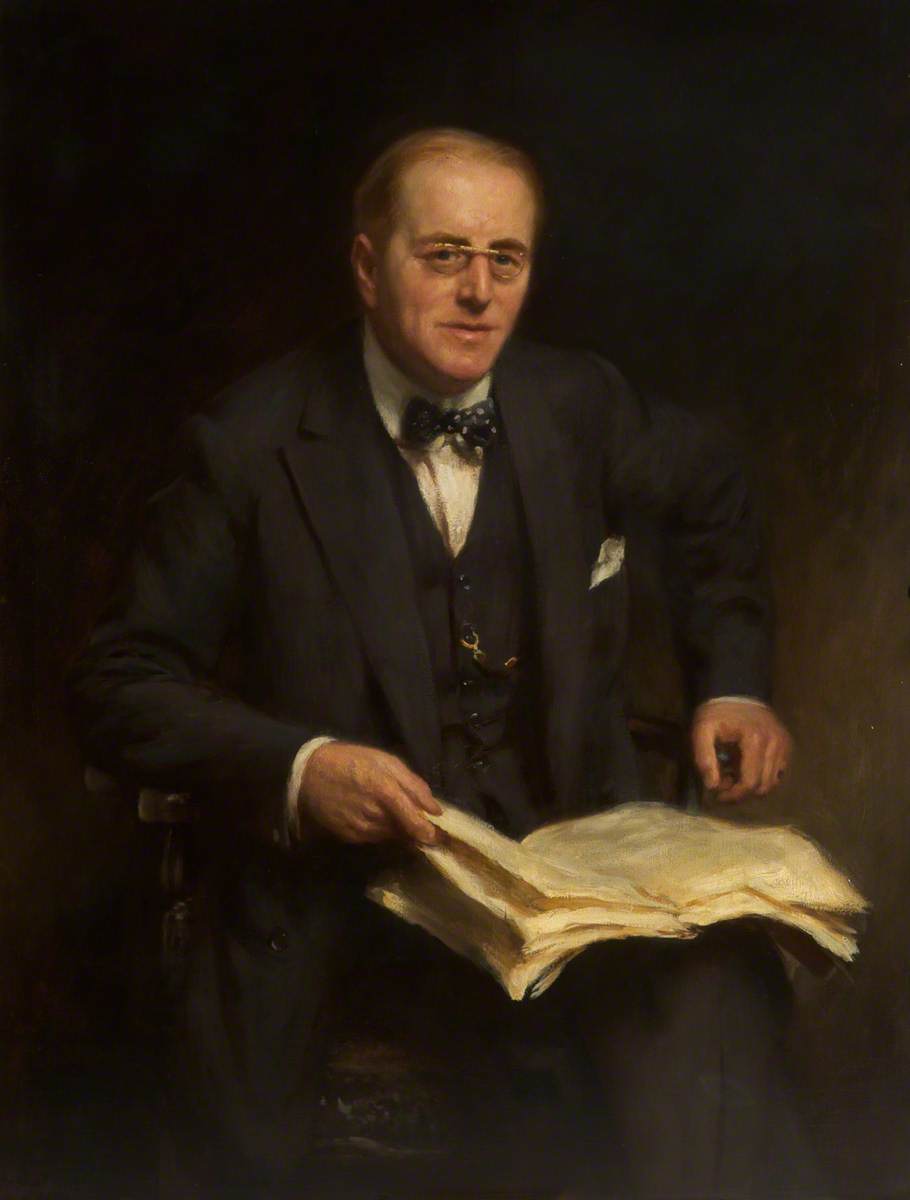
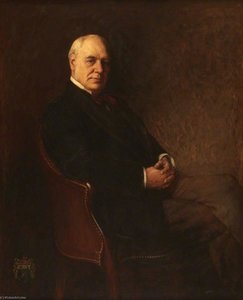
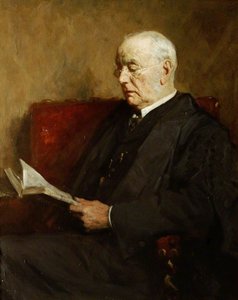
Sir W. P. Rylands (1868–1948), Bt
 Contemporary Realism
 1920
1920 125.0 x 98.0 cm
 Читать далее
Жикле / Арт-принт
Печать (жикле) или холст музейного качества с быстрыми сроками изготовления и широким выбором вариантов отделки. ( Купить картину ручной работы Перейти к цифровым изображениям)




































Выберите один из наших стандартных размеров, соответствующих оригинальным пропорциям произведения искусства.

Вы можете указать свои собственные размеры, чтобы репродукция идеально подошла под конкретную раму или пространство. Если выбранный вами размер не будет соответствовать пропорциям оригинала, мы либо обрежем произведение, либо дополним изображение зеркальным отражением краев или однотонной заливкой. Перед началом производства вам будет отправлен цифровой макет для утверждения.
Пожалуйста, обратите внимание, что предварительный просмотр на экране не отображает фактическую обрезку или расширение изображения. Только макет точно покажет финальную композицию.
Несмотря на возможность заказа индивидуальных размеров, мы рекомендуем выбирать размер из предопределенного списка, чтобы сохранить оригинальные пропорции.
Доставка по всему миру () за 2 недели вместо стандартных 4/5 недель. (13 Сентябрь)

Бесплатная экспресс-доставка по всему миру

Высококачественный льняной холст

Полное страхование доставки

Гарантия возмещения таможенных пошлин

Гарантия точного соответствия цветов

100-дневная политика возврата (только при обнаружении дефектов)

Гарантия возврата 100% средств

Предложение оптовых скидок
 Вариант со стеклом доступен только для размеров менее 110 см

Sir W. P. Rylands (1868–1948), Bt
Жикле / Арт-принт
Размер репродукции
-


Итоговая стоимость
$ 62
Похожие произведения

![Vida De Miguel De Cervantes Saavedra (life Of Miguel De Cervantes Saavedra). Book V Of The Edition Of Don Quixote (biblioteca Nacional De España)\n\n[7] — Martín Fernández De Navarrete Y Ximénez De Tejada, Academic Art](/media/artworks/images-thumb/8c/b6/8cb67a4dd450447373a546c8dd039e57.jpg)
Биография художника
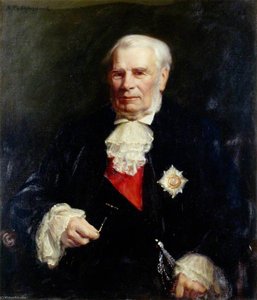
Hugh De Twenebrokes Glazebrook: A Portraitist of Elegance and Irish Heritage
Hugh De Twenebrokes Glazebrook (1855–1937) stands as a significant, yet often understated, figure in the late 19th and early 20th-century British art scene. His legacy isn’t one of flamboyant innovation, but rather a quiet mastery of portraiture – a refined ability to capture not just likeness, but also the very essence and social standing of his subjects. Born in Hampstead, London, Glazebrook's artistic journey was shaped by formal training at prestigious institutions like Dulwich College and the South Kensington Art School, followed by invaluable experiences studying in the heart of Parisian art circles under the tutelage of Léon Bonnat. These formative years instilled within him a deep appreciation for classical technique combined with an understanding of contemporary aesthetic sensibilities – a crucial blend that would define his distinctive style.
Glazebrook’s early career was marked by consistent success at prominent exhibitions, including those held at the Grosvenor Gallery and the Royal Academy. He quickly established himself as a reliable and respected portraitist, attracting commissions from notable figures of British society – politicians, industrialists, and members of the aristocracy. His work wasn't merely decorative; it offered a glimpse into the lives and reputations of individuals who shaped their era. A particularly noteworthy example is his 1890 painting, *C’est l’Empereur*, which garnered significant acclaim at both the Royal Academy and the Société des Artistes Français in Paris, earning him a medal at the International Exhibition of 1900. This success underscored Glazebrook's ability to capture not just physical appearance but also an aura of dignity and authority – qualities highly valued in portraiture during that period.
The Influence of Parisian Style and Irish Roots
Glazebrook’s artistic development was profoundly influenced by his time in Paris. The city’s vibrant art scene, with its emphasis on realism, meticulous detail, and a focus on capturing the nuances of human expression, provided him with invaluable experience. He absorbed techniques from masters like Bonnat, learning to render fabrics with remarkable accuracy, to subtly convey emotion through gesture and pose, and to create a sense of depth and atmosphere within his paintings. However, Glazebrook never fully abandoned his British roots. His portraits often reflect the social conventions and values of Victorian England, while simultaneously incorporating elements of Parisian elegance and sophistication.
Interestingly, Glazebrook’s heritage is deeply intertwined with Ireland. He was born into a family with strong ties to County Cork, and this connection profoundly shaped his artistic vision. His paintings frequently evoke the landscapes and traditions of Ireland – rolling hills, dramatic coastlines, and scenes of rural life. While he primarily worked in London, his Irish background infused his work with a subtle sense of melancholy and nostalgia, contributing to the evocative quality of his landscapes.
Notable Works and Artistic Techniques
Glazebrook’s oeuvre is characterized by a remarkable consistency in style and technique. He favored oil paints, employing a meticulous layering process to build up rich colors and textures. His brushwork was generally smooth and controlled, creating a sense of refinement and elegance. He paid particular attention to detail, meticulously rendering fabrics, jewelry, and other accessories – elements that often served to convey the social status and wealth of his subjects.
Among his most celebrated works are portraits of prominent figures such as Alfred Milner, now housed in the National Portrait Gallery, and depictions of members of the British aristocracy. His ability to capture the personalities of his sitters – their intelligence, charm, and social grace – is a testament to his artistic skill and keen observational abilities. Beyond portraiture, Glazebrook occasionally produced genre scenes, often depicting domestic interiors or rural landscapes, further demonstrating his versatility as an artist.
Legacy and Historical Significance
Hugh De Twenebrokes Glazebrook’s contribution to British art is often overshadowed by the more flamboyant figures of the late 19th and early 20th centuries. However, his quiet mastery of portraiture – his ability to capture not just likeness but also character and social standing – has secured his place as a significant artist of his time. His work reflects the values and sensibilities of Victorian England, while simultaneously incorporating elements of Parisian elegance and Irish heritage.
Glazebrook’s paintings continue to be exhibited in prestigious collections around the world, including the National Gallery of Canada and the Royal Academy. His legacy is a reminder that true artistic excellence often lies not in grand gestures or revolutionary innovations, but rather in the quiet dedication to craft and the ability to capture the essence of human experience.
hugh de twenebrokes glazebrook
1870 - 1935
Основные сведения
- Artistic Movement Or Style: Portraiture
- Artists Or Movements Influenced By This Artist:
- Francis Bacon studio
- Harry Clarke stained glas
- Artists Who Influenced This Artist:
- Edward Poynter
- Léon Bonnat
- Date Of Birth: 1855
- Date Of Death: 1937
- Full Name: Hugh De Twenebrokes Glazebrook
- Nationality: British
- Notable Artworks:
- C'est l'Empereur
- Alfred Milner
- Place Of Birth: Hampstead, London
Похожие статьи

The Enduring Power of Painting: A Historical & Contemporary Exploration of Form and Emotion
Explore the rich history & enduring techniques of oil painting with ArtsDot. Discover masterpieces, learn about art collecting, and find authentic handmade reproductions crafted by skilled artists.

Oil on Canvas: A Historical & Technical Exploration of a Timeless Artistic Medium
Explore the rich history & enduring techniques of oil painting on canvas. Discover the science behind its longevity, conservation practices, and contemporary relevance. Expert insights for art enthusiasts.

Топ-25 шедевров Гойи: от придворного портрета до мрачных пророчеств | ArtsDot
Погрузитесь в мир гения Франсиско Гойи! 🎨 От придворных портретов до мрачных "Капричос" – исследуйте топ-25 шедевров испанского романтизма. Купите репродукции картин Гойи музейного качества на ArtsDot.com и украсьте свой интерьер искусством.

О нас
Откройте для себя нашу историю! Мы привносим искусство мирового класса в вашу жизнь благодаря экспертному отбору, индивидуальным заказам и бесплатным обзорам. Одобрено частными лицами и компаниями с 2000 года.

The Enduring Legacy of Oil on Canvas: Technique, History & Aesthetic Impact
Explore the rich history & techniques of oil painting – from Renaissance masters to Impressionism. Discover pigments, layering methods, and why this timeless medium endures. Expert insights for artists & art enthusiasts.