

 Предпросмотр
 Поделиться
 Поделиться
 Детали произведения

 Скачать
 Похожие работы
 Рентгенография
 Слайд-шоу
 Статистика
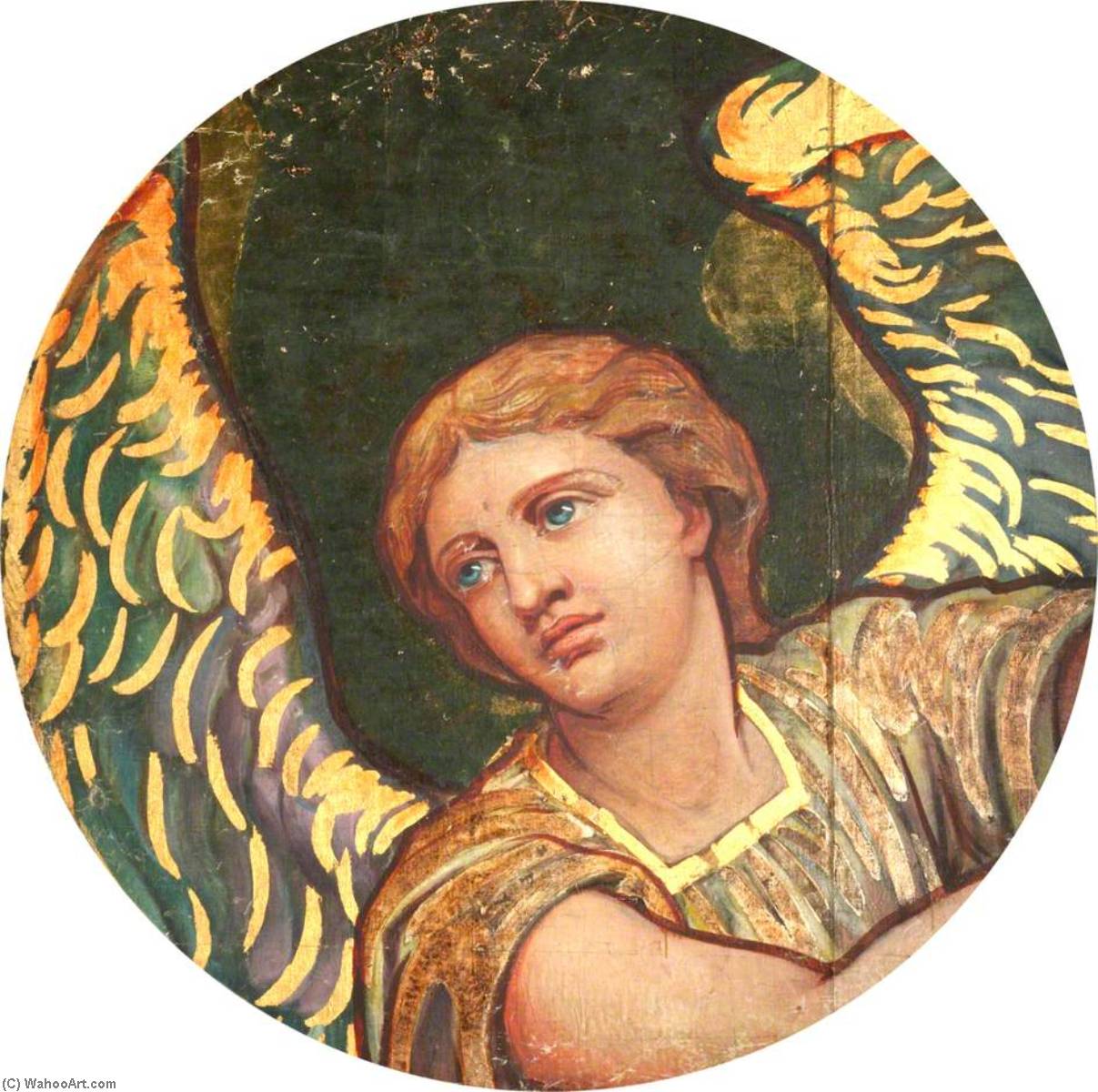
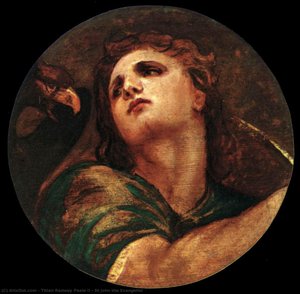
Head and Shoulders of an Angel (cartoon for St Paul's Cathedral)
 Painting
- Victorian Academic
 1880
1880- 19th Century
 155.0 x 155.0 cm
 Walker Art Gallery
 Читать далее
Масляная репродукция ручной работы
Картина маслом на холсте в выбранном вами размере и раме, написанная на заказ нашими художниками. ( Перейти к печати Перейти к цифровым изображениям)




P118B $10

P118H $10

P118W $10

P438Z $10

P508JH $12

P508YH $12

P805H $10

P805Z $10

P919BZ $10

P919G $10

P919XJ $10

P959ZH $10

P968JZ $12

W106C $8

W218G $10

W218JH $8

W218Y $10

W307PJ $10

W316G $10

W316PJ $8

W316Y $10

W398PJ $8

W4111J $10

W500HY $15

W500JH $15

W692G $12

W849H $8

W940BG $15

W953PJ $8




Выберите один из наших стандартных размеров, соответствующих оригинальным пропорциям произведения искусства.

Вы можете указать собственные размеры, чтобы картина идеально вписалась в выбранную раму или пространство. Если выбранный вами размер не соответствует пропорциям оригинала, мы либо обрежем полотно, либо расширим его за счет дополнительных элементов, написанных вручную. Цифровой макет будет отправлен вам на утверждение перед началом производства.
Обратите внимание, что предварительный просмотр на экране не отражает фактическую обрезку или расширение. Только макет точно покажет окончательную композицию.
Хотя доступны индивидуальные размеры, мы рекомендуем выбирать вариант из предопределенного списка, чтобы сохранить исходные пропорции.
После оформления заказа команда ArtsDot.com свяжется с клиентом по электронной почте для уточнения деталей и предоставит предварительный макет
Доставка по всему миру () за 3–4 недели вместо стандартных 5 недель. (13 Сентябрь). Без компромиссов в качестве.

Бесплатная экспресс-доставка по всему миру

Высококачественный льняной холст

Полное страхование доставки

Гарантия возмещения таможенных пошлин

Гарантия точного соответствия цветов

100-дневная политика возврата (только при обнаружении дефектов)

Гарантия возврата 100% средств

Предложение оптовых скидок
 Вариант со стеклом доступен только для размеров менее 110 см

Head and Shoulders of an Angel (cartoon for St Paul's Cathedral)
Техника репродукции
Размер репродукции
-


Итоговая стоимость
$ 263
A Vision in Serenity: The Angelic Portrait
Gazing out from this exquisite depiction, one encounters not merely paint on canvas, but a captured moment of profound contemplation. This artwork presents the head and shoulders of an angel, a figure imbued with both ethereal grace and palpable human emotion. The subject is rendered with meticulous care, drawing the viewer into its gentle gaze. Adorned with what appears to be a delicate gold necklace, the angel seems caught in a timeless pause—a moment suspended between realms. The composition itself, framed within a circular embrace against a deep, velvety background, focuses all attention upon the luminous countenance and the magnificent sweep of outstretched wings.
The Craftsmanship of Hugh Hutton Stannus
This piece is a testament to the skill of Hugh Hutton Stannus, an artist whose career beautifully bridged the rich traditions of Victorian craftsmanship with an undeniable appreciation for classical ideals. While Stannus’s genius often worked in collaboration on grand architectural schemes, this standalone portrait showcases his ability to imbue decorative art with deep personal resonance. His technique suggests a mastery over soft transitions and nuanced shading, allowing the angel's features—the subtle hint of melancholy in its expression, the texture suggested in the feathers—to emerge with breathtaking realism. It speaks to an artist who valued technical perfection as much as symbolic depth.
Symbolism and Spiritual Resonance
Angelic figures have always served as conduits between the earthly and the divine, and this portrait is no exception. The wings, spread wide yet seemingly at rest, evoke themes of ascension, protection, and guidance. The angel’s direct address to the viewer invites a personal dialogue; it feels like receiving a whispered secret or a blessing across the centuries. For collectors and designers alike, owning such a piece introduces an immediate atmosphere of sacred calm into any space. It suggests contemplation, remembrance, and enduring spiritual beauty.
Historical Context and Decorative Appeal
Dating from 1880, this work sits perfectly within the late Victorian period’s fascination with allegory and elevated decorative arts. Originally conceived as a cartoon for St Paul's Cathedral, its scale (155 x 155 cm) suggests it was intended for a space of significant public or private devotion. Today, however, its contained circular format makes it remarkably versatile. Whether reproduced to adorn a grand hall, serve as a focal point in a library, or grace the wall of a sophisticated drawing-room, it carries with it the weight of history and the lightness of heavenly inspiration.
Похожие произведения
Биография художника
Hugh Hutton Stannus: Bridging Victorian Craftsmanship and Renaissance Ideals
Hugh Hutton Stannus (1840-1908) stands as a quietly significant figure in late 19th and early 20th-century British art, an artist whose career unfolded largely behind the scenes of grander projects yet profoundly shaped their aesthetic outcomes. Often overshadowed by his prominent collaborators – particularly Alfred Stevens – Stannus’s contributions to architectural decoration, sculpture, and design reveal a meticulous craftsman deeply rooted in both Victorian tradition and a surprisingly informed appreciation for classical forms. His legacy isn't one of flamboyant celebrity, but rather a testament to the enduring value of technical skill, patient observation, and a dedication to elevating the everyday through artistic intervention.
Born in Sheffield, a city renowned for its metalworking heritage, Stannus’s early life was inextricably linked to the practical realities of industrial production. His father, a church minister, instilled in him a respect for craftsmanship, while his mother's family background provided connections within the burgeoning world of decorative arts. This grounding proved crucial when he apprenticed with H.E. Hoole & Co., a foundry specializing in producing casts for Alfred Stevens’s increasingly popular sculptures. It was here that Stannus honed his skills in metal casting, developing an intimate understanding of materials and techniques – knowledge that would later prove invaluable in his own artistic endeavors.
Collaboration with Alfred Stevens: A Partnership of Vision
Stannus's most significant professional relationship was undoubtedly with Alfred Stevens, a sculptor whose work epitomized the Victorian fascination with classical antiquity. Initially an assistant to Stevens, Stannus quickly evolved into a trusted collaborator, contributing significantly to projects such as the Wellington monument for St Paul’s Cathedral – a monumental undertaking that consumed much of Stevens's later years. The protracted delays and artistic challenges associated with this project are vividly documented in Stevens’s own memoir, “Alfred Stevens and his Work,” where Stannus is acknowledged as instrumental in preserving the original design elements and navigating the complexities of execution.
Beyond the Wellington monument, Stannus's involvement spanned a diverse range of commissions. He meticulously recreated fragments of the original design for the statue, ensuring its continued integrity despite the numerous setbacks. His understanding of Stevens’s artistic vision—particularly his emphasis on idealized forms and dynamic compositions—allowed him to seamlessly integrate into the creative process. This collaboration wasn’t merely one of technical assistance; Stannus brought a keen eye for detail and an unwavering commitment to realizing Stevens's ambitious goals.
Architectural Decoration and Beyond: A Broadening Scope
While his work with Stevens cemented his reputation, Stannus steadily expanded his practice into the realms of architecture and decorative design. He quickly gained recognition for his skill in applying classical principles to contemporary buildings, transforming utilitarian structures into objects of beauty and elegance. His designs for the Cutlers’ Hall in Sheffield, the Sheffield United Gas Light Company Offices, and numerous private residences demonstrate a masterful command of proportion, ornamentation, and material choice.
Stannus's architectural contributions weren't limited to mere embellishment; he frequently undertook structural alterations, demonstrating a holistic approach to design. His work on the Channing Hall in Sheffield, for example, involved significant modifications to the building’s façade, seamlessly integrating decorative elements with the existing structure. He also designed the Sunday School centenary memorial at Essex church (unitarian), Notting Hill, showcasing his ability to create meaningful and visually compelling public art.
Legacy and Influence: A Quiet Master
Hugh Hutton Stannus’s impact on British art history is often understated, yet profoundly significant. He represents a crucial link between the Victorian revival of classical ideals and the emerging trends in decorative arts. His meticulous craftsmanship, combined with his deep understanding of both historical precedents and contemporary needs, produced works that are both timelessly elegant and remarkably practical.
His legacy extends beyond individual commissions; Stannus’s dedication to teaching and lecturing at institutions like University College London and the Royal College of Art ensured the transmission of his skills and knowledge to subsequent generations of artists and designers. He wasn't a flamboyant innovator, but rather a steady hand guiding the evolution of Victorian craftsmanship—a quiet master whose influence resonates through the enduring beauty of his creations.
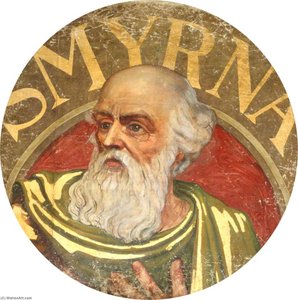
hugh hutton stannus
1840 - 1908
Основные сведения
- Artistic Movement Or Style: Victorian Sculpture/Architecture
- Artists Or Movements Influenced By This Artist: ["St Paul's Cathedral"]
- Artists Who Influenced This Artist: ['Alfred Stevens']
- Date Of Birth: March 21, 1840
- Date Of Death: August 18, 1908
- Full Name: Hugh Hutton Stannus
- Nationality: British
- Notable Artworks:
- Moses (cartoon)
- Figure with Raised Arms
- Place Of Birth: Sheffield, England
Похожие статьи
Celestial Messengers: Angels in Painting – A Historical & Artistic Exploration
Explore the captivating history of angels in painting! Discover symbolism, iconic Renaissance & Byzantine masterpieces, and renowned artists. Expert insights for art lovers & collectors at ArtsDot.

25 Шедевров Поля Сезанна: Открывая Новую Эру в Искусстве | ArtsDot
Откройте для себя 25 величайших шедевров Поля Сезанна! Узнайте истории создания картин импрессионизма и постимпрессионизма, технику художника и вдохновение для вашего интерьера. Репродукции картин Сезанна высокого качества на ArtsDot.com.

Эль Греко: 25 шедевров гения. Купить картины онлайн | ArtsDot
Погрузитесь в мир Эль Греко! 25 величайших шедевров испанского маньеризма. Узнайте историю создания культовых картин, технику и символизм. Купите репродукции высокого качества для вашего интерьера на ArtsDot.com.
Пауль Клее: Топ-25 шедевров гения цвета и формы | ArtsDot
Погрузитесь в мир Пауля Клее! Топ-25 шедевров экспрессионизма и абстрактного искусства. Узнайте истории создания знаменитых картин, технику художника и вдохновитесь для интерьера. Репродукции музейного качества на ArtsDot.com.
Celestial Messengers: A Comprehensive Exploration of Angelic Representation in Art History
Explore the captivating history of angels in art! Discover symbolism, iconic Renaissance masterpieces & renowned artists. Expert insights for art lovers & collectors at ArtsDot.