

 Предпросмотр
 Поделиться
 Поделиться
 Детали произведения

 Скачать
 Похожие работы
 Рентгенография
 Слайд-шоу
 Статистика
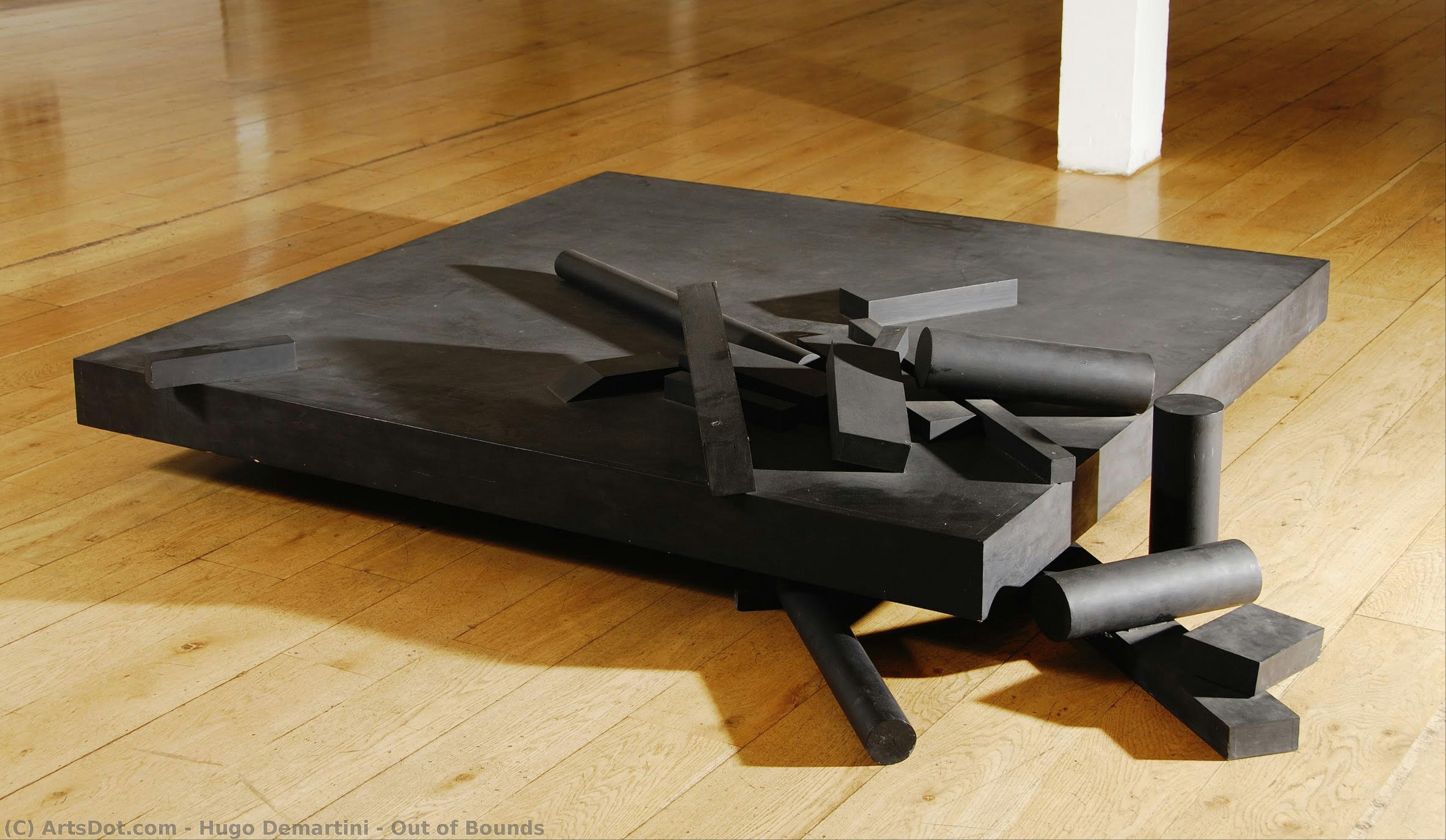
Out of Bounds
 Minimalist Modernism
 1975
1975 70.0 x 30.0 cm
 Museum Kampa
 Читать далее
Приобретите цифровое изображение высокого разрешения в улучшенном качестве, которое значительно превосходит онлайн-превью.
Каждый файл тщательно подготавливается нашими специалистами с использованием передовых инструментов и экспертной ручной ретуши. Мы гарантируем исключительную четкость, точную цветопередачу и детальную проработку каждого изображения.
Финальный файл доставляется по электронной почте в течение 72 часов и оптимизирован для немедленного использования в профессиональной среде, при верстке и печати. Это тот же уровень качества, которому доверяют ведущие дизайнерские студии, издательства и галереи.
Цифровое изображение
Скачайте файл высокого разрешения для личного использования, печати и творческих проектов. ( Перейти к печати Купить картину ручной работы)
Включено в каждый заказ цифровых изображений
Гарантия экспертной цифровой доставки
Выбирая ArtsDot.com, вы получаете не просто изображение — вы приобретаете профессионально обработанное цифровое произведение искусства, созданное с безупречной точностью и под защитой гарантии качества. Вот всё, что автоматически входит в ваш заказ:

Мгновенная доставка по e-mail
Ваш цифровой файл в высоком разрешении будет отправлен вам по электронной почте в течение 72 часов после оформления заказа — и сразу станет доступен для использования.

Цифровой файл с ИИ-улучшением
Ваше произведение искусства проходит профессиональную оптимизацию с использованием передовых инструментов ИИ и ручной обработки, что гарантирует максимальную детализацию, четкость и точность цветопередачи.

Бессрочная бесплатная повторная доставка
Случайно удалили или потеряли файл? Не беспокойтесь — мы отправим его вам повторно в любое время и совершенно бесплатно.

Без импортных пошлин — навсегда
Наслаждайтесь вашим произведением искусства мгновенно без таможенных пошлин, сборов или затрат на доставку — цифровые загрузки всегда не облагаются налогом.

Гарантия точности цветопередачи
Мы гарантируем, что ваше цифровое изображение максимально точно передает оригинальные цвета благодаря использованию профессиональных инструментов и систем управления цветом.

Гарантия удовлетворенности 100 дней
Если вы не будете удовлетворены своим цифровым изображением, мы внесем правки или вернем 100% стоимости в течение 100 дней — без лишних вопросов.

100% Гарантия возврата средств
Не удовлетворены покупкой? Получите полный возврат средств в течение 100 дней после получения цифрового файла — без лишних вопросов.

Скидки на оптовые заказы
Купите 3 изображения, сэкономьте 10% — Купите 5, сэкономьте 15% — Купите 10+, сэкономьте 20%. Отличное решение для творческих проектов, галерей и агентств.
Похожие произведения








Биография художника
Frank Stella: A Pioneer of Minimalism and Geometric Abstraction
Frank Stella, born in Malden, Massachusetts, on May 12, 1936, emerged as a pivotal figure in the latter half of the 20th century’s art world. His career spanned over six decades, marked by a relentless exploration of form, color, and space – ultimately shaping the trajectory of minimalism and profoundly influencing generations of artists. Stella's journey began with a foundational artistic education, nurtured by his mother, a practicing artist herself, who instilled in him an early appreciation for visual aesthetics. His childhood was punctuated by experiences that would later inform his work: sanding floors alongside his father, a physician, provided a tactile understanding of material and surface; and trips to the Art Center School in Los Angeles ignited a passion for modern art and design. This formative period laid the groundwork for his distinctive approach – one characterized by a deliberate rejection of traditional representational painting and an embrace of pure geometric abstraction.Early Influences and the Rise of Minimalism
Stella’s artistic development was deeply intertwined with the burgeoning minimalist movement of the late 1950s and early 1960s. He initially experimented with a style reminiscent of Abstract Expressionism, but quickly moved away from subjective emotional expression in favor of a more objective approach to painting. Influenced by artists like Franz Kline and Jackson Pollock, he began to strip his work down to its essential elements – flat planes of color on a rectangular canvas. This shift culminated in the “First Memorials” series (1959-60), consisting of four black pinstripe paintings. These works, exhibited at the Museum of Modern Art in New York City, were deliberately confrontational and challenged conventional notions of painting as a vehicle for personal expression. Stella’s intention was to present the canvas itself – its surface, its edges, its materiality – as the primary subject matter, effectively dismantling the illusionistic qualities of traditional painting. This radical departure established him as a key figure in the minimalist movement, alongside artists like Donald Judd and Sol LeWitt.Exploring Geometry and “Stripes”
The 1960s witnessed Stella’s most iconic period – the development of his “Stripes” paintings. These works, characterized by their precisely delineated black and white stripes on a rectangular canvas, represented a significant departure from minimalism. While retaining the focus on geometric form, Stella introduced a complex system of measurement and calculation into his process. He meticulously measured each stripe’s width and spacing, creating a visual rhythm and pattern that was both precise and subtly dynamic. The “Stripes” paintings can be interpreted as explorations of order and chaos, reflecting Stella's fascination with mathematical principles and the inherent tension between structure and spontaneity. He famously stated that his goal was to create paintings that were "a flat surface with paint on it—nothing more," a declaration that underscored his commitment to reducing art to its most fundamental elements.Sculptural Innovations and Beyond
Stella’s artistic practice extended beyond painting, encompassing sculpture and printmaking. In the 1960s, he began creating sculptural works using metal and wood, often incorporating geometric shapes and repetitive patterns. These sculptures mirrored his paintings in their emphasis on form, material, and spatial relationships. He also developed a sophisticated system of color printing, producing silkscreen prints that explored similar themes of geometry and abstraction. Throughout the 1970s and 80s, Stella continued to experiment with various materials and techniques, including neon light installations and architectural projects. His work during this period demonstrated a willingness to push the boundaries of art and engage with broader cultural contexts.Legacy and Historical Significance
Frank Stella’s impact on contemporary art is undeniable. He not only spearheaded the minimalist movement but also profoundly influenced subsequent generations of artists who sought to redefine the possibilities of abstraction. His rigorous approach to form, his meticulous attention to detail, and his willingness to challenge conventional artistic practices continue to inspire artists today. Stella's work remains a testament to the power of geometric abstraction and its ability to evoke complex emotions and ideas through simple, carefully considered forms. He died in New York City on May 4, 2024, leaving behind a rich and enduring legacy as one of the most important American artists of the 20th century.
hugo demartini
1936 - 2018 , Czech Republic
Основные сведения
- Artistic Movement Or Style:
- Minimalism
- Post-painterly abstraction
- Artists Or Movements Influenced By This Artist:
- Minimalism
- Post-painterly abstraction
- Artists Who Influenced This Artist:
- Franz Kline
- Jackson Pollock
- Date Of Birth: May 12, 1936
- Date Of Death: May 4, 2024
- Full Name: Frank Philip Stella
- Nationality: American
- Notable Artworks:
- Picture Pieces
- Stripes
- Color Forms
- Place Of Birth: Malden, Massachusetts, USA