

 Предпросмотр
 Поделиться
 Поделиться
 Детали произведения

 Скачать
 Похожие работы
 Рентгенография
 Слайд-шоу
 Статистика
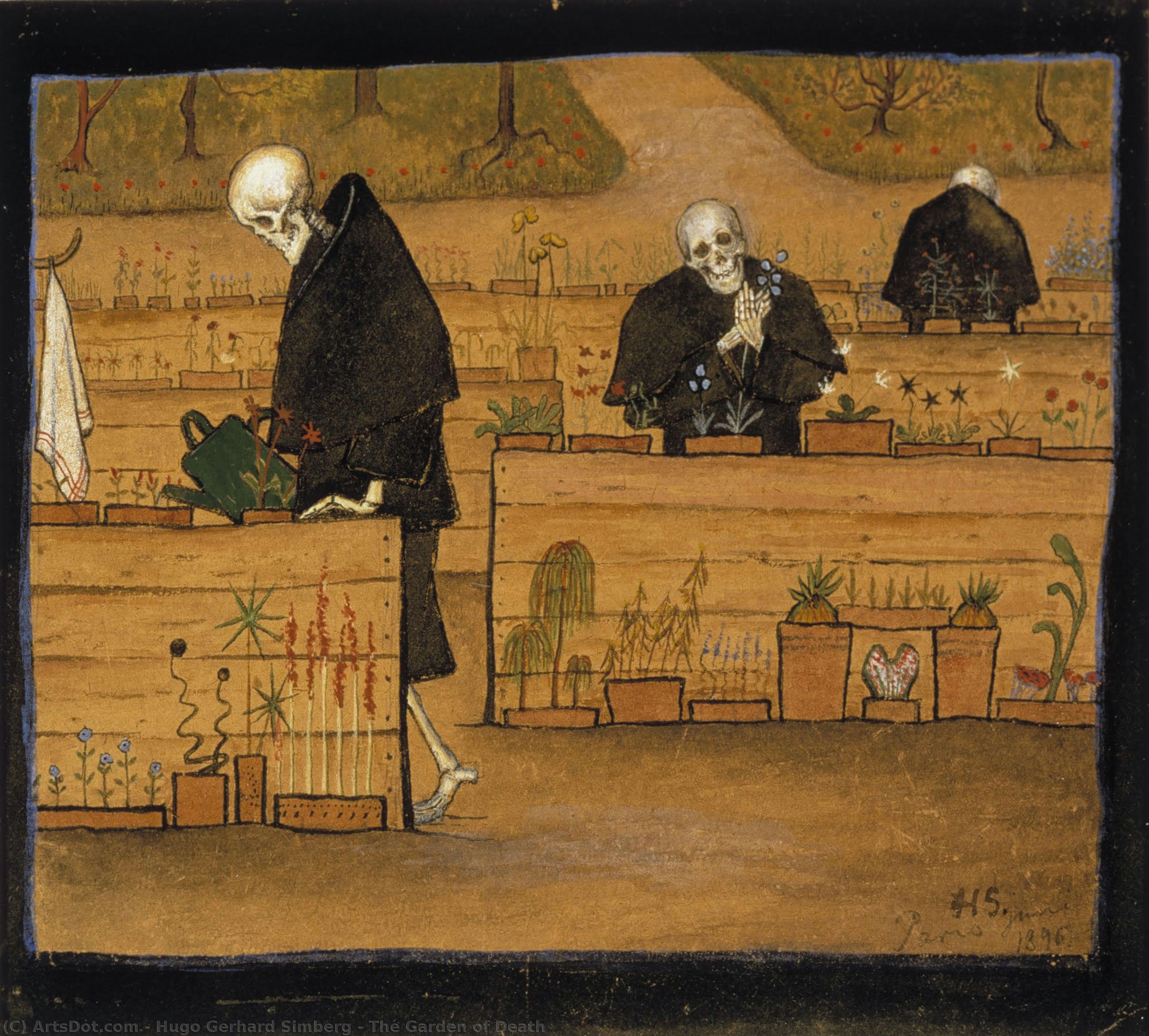
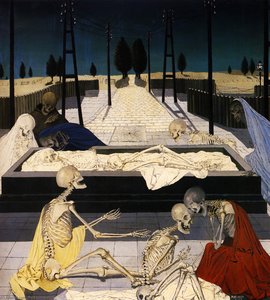
The Garden of Death
 Painting
- Symbolism
 1896
1896- 19th Century
 17.0 x 16.0 cm
 Художественный музей Аteneum
 Читать далее
Приобретите цифровое изображение высокого разрешения в улучшенном качестве, которое значительно превосходит онлайн-превью.
Каждый файл тщательно подготавливается нашими специалистами с использованием передовых инструментов и экспертной ручной ретуши. Мы гарантируем исключительную четкость, точную цветопередачу и детальную проработку каждого изображения.
Финальный файл доставляется по электронной почте в течение 72 часов и оптимизирован для немедленного использования в профессиональной среде, при верстке и печати. Это тот же уровень качества, которому доверяют ведущие дизайнерские студии, издательства и галереи.
Цифровое изображение
Скачайте файл высокого разрешения для личного использования, печати и творческих проектов. ( Перейти к печати Купить картину ручной работы)
Включено в каждый заказ цифровых изображений
Гарантия экспертной цифровой доставки
Выбирая ArtsDot.com, вы получаете не просто изображение — вы приобретаете профессионально обработанное цифровое произведение искусства, созданное с безупречной точностью и под защитой гарантии качества. Вот всё, что автоматически входит в ваш заказ:

Мгновенная доставка по e-mail
Ваш цифровой файл в высоком разрешении будет отправлен вам по электронной почте в течение 72 часов после оформления заказа — и сразу станет доступен для использования.

Цифровой файл с ИИ-улучшением
Ваше произведение искусства проходит профессиональную оптимизацию с использованием передовых инструментов ИИ и ручной обработки, что гарантирует максимальную детализацию, четкость и точность цветопередачи.

Бессрочная бесплатная повторная доставка
Случайно удалили или потеряли файл? Не беспокойтесь — мы отправим его вам повторно в любое время и совершенно бесплатно.

Без импортных пошлин — навсегда
Наслаждайтесь вашим произведением искусства мгновенно без таможенных пошлин, сборов или затрат на доставку — цифровые загрузки всегда не облагаются налогом.

Гарантия точности цветопередачи
Мы гарантируем, что ваше цифровое изображение максимально точно передает оригинальные цвета благодаря использованию профессиональных инструментов и систем управления цветом.

Гарантия удовлетворенности 100 дней
Если вы не будете удовлетворены своим цифровым изображением, мы внесем правки или вернем 100% стоимости в течение 100 дней — без лишних вопросов.

100% Гарантия возврата средств
Не удовлетворены покупкой? Получите полный возврат средств в течение 100 дней после получения цифрового файла — без лишних вопросов.

Скидки на оптовые заказы
Купите 3 изображения, сэкономьте 10% — Купите 5, сэкономьте 15% — Купите 10+, сэкономьте 20%. Отличное решение для творческих проектов, галерей и агентств.
A Gentle Embrace of Mortality: Exploring The Garden of Death
To gaze upon Hugo Gerhard Simberg's "The Garden of Death" is to encounter a vision that defies the expected solemnity associated with themes of mortality. Far from being a bleak tableau, this painting possesses an almost whimsical charm, largely due to Simberg’s masterful depiction of Death itself. Here, the inevitable passage of time and decay are not presented as terrifying specters, but rather as gentle companions tending to life in miniature. The scene unfolds like a secret, overgrown sanctuary, populated by two skeletal figures who seem more like devoted gardeners than harbingers of doom.
Symbolism Woven into Flora and Bone
The core fascination of this piece lies in its delicate balance between the macabre and the pastoral. The skeletons, each holding a skull—a universal memento mori—are engaged in the nurturing act of tending potted plants. This juxtaposition is profoundly symbolic; it suggests that even within the framework of ultimate endings, there persists an enduring cycle of growth and care. The garden itself becomes a metaphor for life's continuous cycle: death feeds new beginnings. Simberg invites us to reconsider our relationship with impermanence, suggesting that remembrance and beauty can bloom even where decay is present.
Simberg’s Symbolist Dreamscape
As a leading figure in Finnish Symbolism, Simberg imbued his work with the ethereal quality characteristic of the movement. His art often drifts between myth, fairy tale, and deep introspection. "The Garden of Death" exemplifies this perfectly; it feels less like a scene from reality and more like a beautiful, poignant dream recalled at dawn. The soft handling of paint and the slightly muted palette contribute to an atmosphere that is both melancholic and deeply serene. For collectors and those seeking art with narrative depth, this piece offers a window into the mystical undercurrents of turn-of-the-century European thought.
A Touch of Timeless Elegance for Your Space
With its intimate scale (17 x 16 cm), "The Garden of Death" possesses an immediate presence, making it ideal for placement in a parlor, study, or gallery setting where thoughtful conversation is encouraged. Whether you are curating a space that speaks to romanticism, intellectual depth, or quiet contemplation, this reproduction captures the original's delicate balance. It serves not as mere decoration, but as a philosophical anchor—a beautiful reminder that life’s most profound truths can be found in the gentlest of settings.
Похожие произведения

Биография художника
early life and artistic beginnings
hugo gerhard simberg, a renowned finnish symbolist painter and graphic artist, was born on june 24, 1873, in hamina, finland. his artistic journey began at the drawing school of the viipuri friends of art in 1891, where he honed his skills under the guidance of various instructors.artistic style and influences
simberg's work is characterized by its dreamlike quality, often incorporating elements of myths, fairy tales, and imagination. this unique approach has led to his recognition as one of the most important artists of finnish symbolism. his artistic language is a testament to the era's fascination with the unknown and the mystical.notable works
some of simberg's most celebrated works include:- the garden of death (1896), a poignant piece showcasing his ability to balance the macabre with the serene.
- the wounded angel (1903), a masterpiece that exemplifies his symbolic approach to art.
- king hobgoblin sleeping, a watercolour piece that delves into the realm of fantasy and the world of hobgoblins.
museums and collections
simberg's works can be found in various museums, including the ateneumin taidemuseo in helsinki, finland, which is part of the finnish national gallery. this museum is a treasure trove of finnish art, showcasing an impressive collection that spans from the 18th century to modernism.legacy and influence
simberg's influence on finnish symbolism is undeniable, with his unique approach to art continuing to inspire artists and art enthusiasts alike. his legacy can be seen in the numerous exhibitions and collections featuring his work, including those found on ArtsDot's platform, which provides a comprehensive look into his artistic world.conclusion
hugo gerhard simberg's enigmatic and imaginative approach to art has solidified his place in the annals of finnish symbolism. his works, now part of various museum collections, including ateneumin taidemuseo, serve as a testament to his enduring influence on the world of art.- view simberg's artwork on ArtsDot: the garden of death
- explore ateneumin taidemuseo's collection: ateneumin taidemuseo (finland) - a haven for finnish art
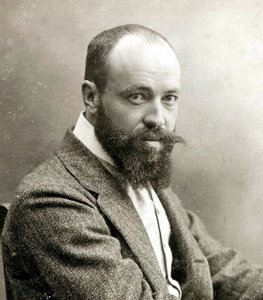
hugo gerhard simberg
1873 - 1917 , Finland
Основные сведения
- Artistic Movement Or Style: Symbolism
- Artists Or Movements Influenced By This Artist: ['Nightwish']
- Artists Who Influenced This Artist: ['Akseli Gallen-Kallela']
- Date Of Birth: June 24, 1873
- Date Of Death: 1917
- Full Name: Hugo Gerhard Simberg
- Nationality: Finnish
- Notable Artworks:
- The Garden of Death
- Wounded Angel
- King Hobgoblin Sleeping
- Place Of Birth: Hämeenlinna, Finland