

 Предпросмотр
 Поделиться
 Поделиться
 Детали произведения

 Скачать
 Похожие работы
 Рентгенография
 Слайд-шоу
 Статистика
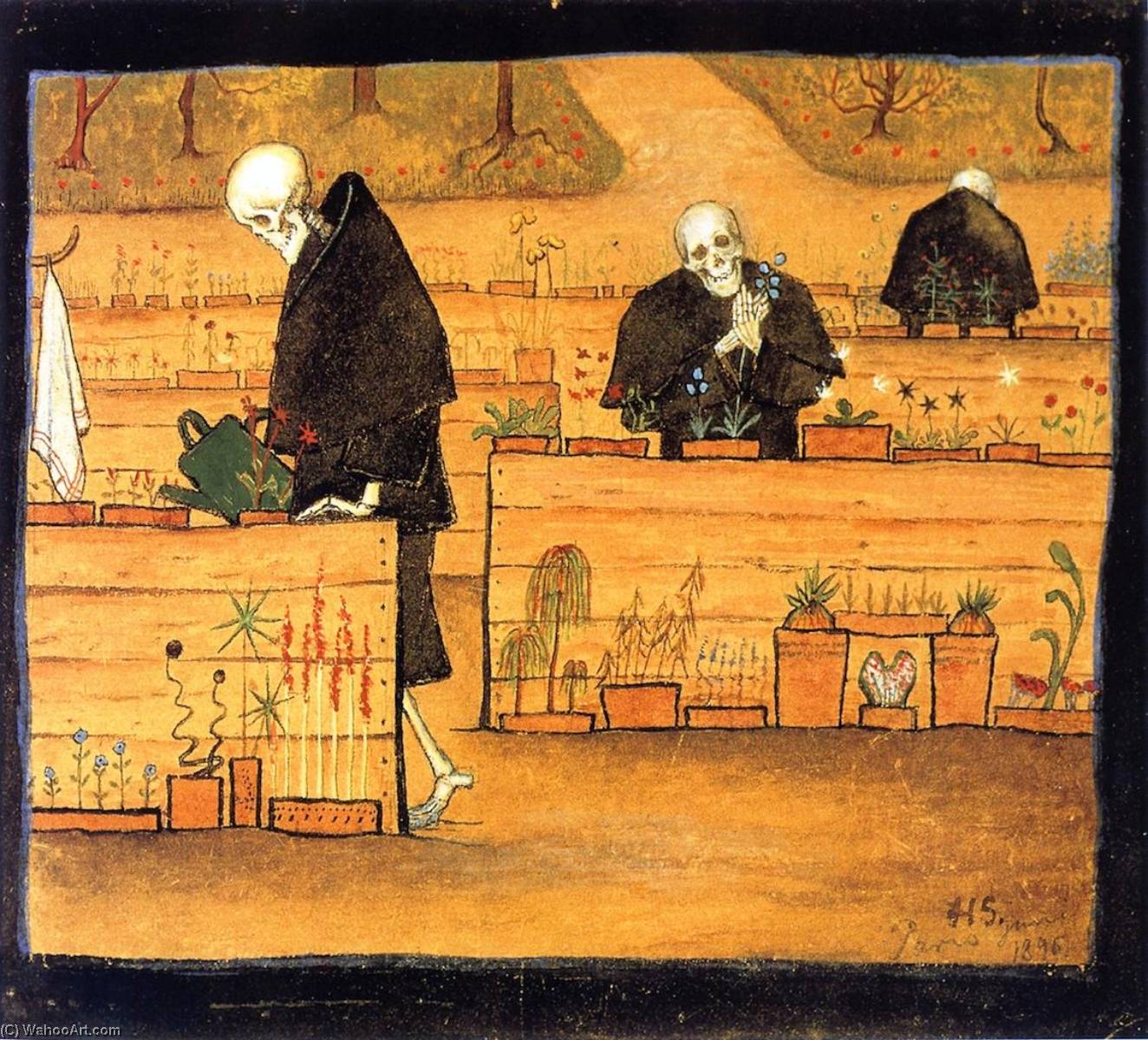
The Garden of Death
 1896
1896 16.0 x 17.0 cm
 Читать далее
Приобретите цифровое изображение высокого разрешения в улучшенном качестве, которое значительно превосходит онлайн-превью.
Каждый файл тщательно подготавливается нашими специалистами с использованием передовых инструментов и экспертной ручной ретуши. Мы гарантируем исключительную четкость, точную цветопередачу и детальную проработку каждого изображения.
Финальный файл доставляется по электронной почте в течение 72 часов и оптимизирован для немедленного использования в профессиональной среде, при верстке и печати. Это тот же уровень качества, которому доверяют ведущие дизайнерские студии, издательства и галереи.
Цифровое изображение
Скачайте файл высокого разрешения для личного использования, печати и творческих проектов. ( Перейти к печати Купить картину ручной работы)
Включено в каждый заказ цифровых изображений
Гарантия экспертной цифровой доставки
Выбирая ArtsDot.com, вы получаете не просто изображение — вы приобретаете профессионально обработанное цифровое произведение искусства, созданное с безупречной точностью и под защитой гарантии качества. Вот всё, что автоматически входит в ваш заказ:

Мгновенная доставка по e-mail
Ваш цифровой файл в высоком разрешении будет отправлен вам по электронной почте в течение 72 часов после оформления заказа — и сразу станет доступен для использования.

Цифровой файл с ИИ-улучшением
Ваше произведение искусства проходит профессиональную оптимизацию с использованием передовых инструментов ИИ и ручной обработки, что гарантирует максимальную детализацию, четкость и точность цветопередачи.

Бессрочная бесплатная повторная доставка
Случайно удалили или потеряли файл? Не беспокойтесь — мы отправим его вам повторно в любое время и совершенно бесплатно.

Без импортных пошлин — навсегда
Наслаждайтесь вашим произведением искусства мгновенно без таможенных пошлин, сборов или затрат на доставку — цифровые загрузки всегда не облагаются налогом.

Гарантия точности цветопередачи
Мы гарантируем, что ваше цифровое изображение максимально точно передает оригинальные цвета благодаря использованию профессиональных инструментов и систем управления цветом.

Гарантия удовлетворенности 100 дней
Если вы не будете удовлетворены своим цифровым изображением, мы внесем правки или вернем 100% стоимости в течение 100 дней — без лишних вопросов.

100% Гарантия возврата средств
Не удовлетворены покупкой? Получите полный возврат средств в течение 100 дней после получения цифрового файла — без лишних вопросов.

Скидки на оптовые заказы
Купите 3 изображения, сэкономьте 10% — Купите 5, сэкономьте 15% — Купите 10+, сэкономьте 20%. Отличное решение для творческих проектов, галерей и агентств.
Похожие произведения



Биография художника
The Visionary of the Subconscious: The Life and Legacy of Hugo Simberg
In the quiet, mist-shrouded landscapes of late 19th-century Finland, a unique artistic voice emerged that would forever alter the nation's cultural landscape. Hugo Gerhard Simberg (1873–1917) was not merely a painter; he was a weaver of dreams, a chronicler of the unseen, and a master of the Symbolist movement. Born in Hämeenlinna to Colonel Nicolai Simberg and Ebba Matilda Simberg, his early life was steeped in an environment that nurtured both discipline and imagination. While his father’s military background provided a structured foundation, it was the influence of his aunt Alexandra—an amateur painter who taught him to read—that likely planted the first seeds of his artistic vocation. His journey into the depths of the human psyche began far from the battlefield, moving instead toward the ethereal realms of folklore and myth.
Simberg’s formal education was a tapestry of diverse influences and rigorous training. He refined his craft at the Drawing School of the Finnish Art Society between 1893 and 1895, studying under luminaries such as Helene Schjerfbeck and Elin Danielson-Gambogi. However, it was his profound connection to the legendary Akseli Gallén-Kallela that truly sculpted his stylistic identity. Under Gallén-Kallela’s mentorship, Simberg developed a deep reverence for the expressive power of the Finnish wilderness and its darker, more enigmatic qualities. This period of study instilled in him an ability to blend the tangible textures of nature with the intangible weight of psychological complexity, creating a style that felt both grounded in the earth and adrift in the heavens.
A Tapestry of Myth, Macabre, and Melancholy
To encounter a Simberg canvas is to step into a world where the boundaries between reality and nightmare are beautifully blurred. As a central figure of Finnish Symbolism, his work eschewed the literalism of realism in favor of exploring themes of death, the supernatural, and the human condition. His paintings often feature enigmatic figures—hobgoblins, wounded angels, and mysterious travelers—that inhabit landscapes filled with both dread and serenity. In masterpieces such as The Garden of Death and The Wounded Angel, Simberg achieved a rare feat: he made the macabre feel profoundly tender. He did not approach death as a terrifying end, but rather as a quiet, inevitable part of a larger, mystical cycle.
His technical prowess allowed him to navigate various mediums, from haunting watercolors to commanding oil paintings. His ability to manipulate light and shadow created an atmosphere of "macabre serenity," where even the most unsettling subjects were rendered with a delicate, dreamlike grace. This duality is perhaps best seen in works like King Hobgoblin Sleeping, where the use of symbolic animals and mystical shadows invites the viewer into a state of contemplative wonder. Through his participation in the Finnish Artists’ Autumn Exhibitions from 1898 onwards, he brought these private visions to the public eye, captivating critics and audiences alike with his ability to capture the "unseen" elements of existence.
Historical Significance and Eternal Resonance
The legacy of Hugo Simberg extends far beyond the borders of Finland. His travels through London and Paris exposed him to the broader European avant-garde, allowing him to integrate international stylistic innovations into his uniquely Finnish perspective. This synthesis of local folklore and cosmopolitan Symbolism ensured that his work resonated on a much larger stage. One of his most significant architectural contributions was his commission to decorate St John’s Church in Tampere between 1904 and 1906, a feat that demonstrated his capacity to translate his intimate, psychological explorations into grand, communal spaces.
Though his life was tragically short, ending at the age of forty-four, Simberg left behind an indelible mark on the history of art. He remains a pivotal figure whose work continues to haunt and inspire contemporary viewers. His significance lies in his courage to confront the darker aspects of the human soul with beauty rather than fear. Today, his works serve as vital windows into the late 19th-century psyche, reminding us that within the shadows of our fears, there exists a profound and poetic truth about what it means to be alive.
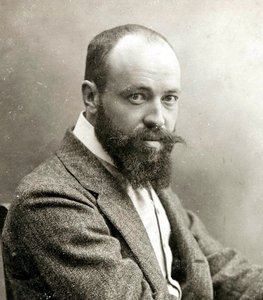
Hugo Simberg
1873 - 1917 , Finland
Основные сведения
- Artistic Movement Or Style: Symbolism
- Artists Or Movements Influenced By This Artist: ['Romanticism']
- Artists Who Influenced This Artist: ['Akseli Gallén-Kallela']
- Date Of Birth: June 24, 1873
- Date Of Death: July 12, 1917
- Full Name: Hugo Gerhard Simberg
- Nationality: Finnish
- Notable Artworks:
- The Garden of Death
- The Wounded Angel
- Place Of Birth: Hämeenlinna, Finland