 Предпросмотр
 Поделиться
 Поделиться
 Детали произведения

 Скачать
 Похожие работы
 Рентгенография
 Слайд-шоу
 Статистика
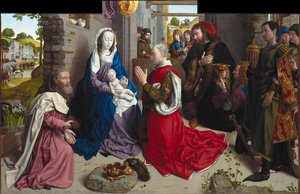
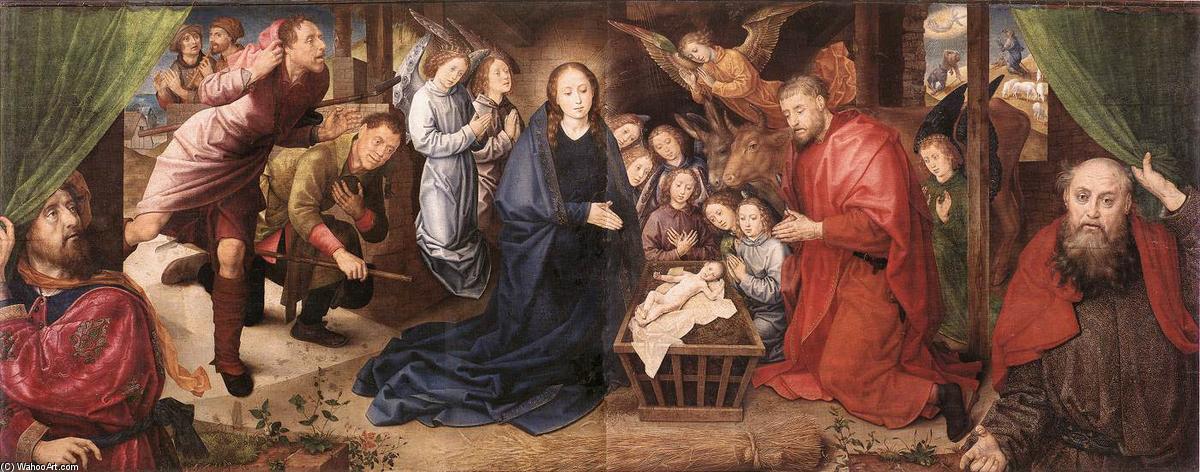
Adoration of the Shepherds
 Oil On Canvas
- WallArt
- Northern Renaissance
 1480
1480 97.0 x 245.0 cm
 Стейтлешские музеи Берлина
 Читать далее
Жикле / Арт-принт
Печать (жикле) или холст музейного качества с быстрыми сроками изготовления и широким выбором вариантов отделки. ( Купить картину ручной работы Перейти к цифровым изображениям)




P118B $10

P118H $10

P118W $10

P438Z $10

P508JH $12

P508YH $12

P805H $10

P805Z $10

P919BZ $10

P919G $10

P919XJ $10

P959ZH $10

P968JZ $12

W106C $8

W218G $10

W218JH $8

W218Y $10

W307PJ $10

W316G $10

W316PJ $8

W316Y $10

W398PJ $8

W4111J $10

W500HY $15

W500JH $15

W692G $12

W849H $8

W940BG $15

W953PJ $8




Выберите один из наших стандартных размеров, соответствующих оригинальным пропорциям произведения искусства.

Вы можете указать свои собственные размеры, чтобы репродукция идеально подошла под конкретную раму или пространство. Если выбранный вами размер не будет соответствовать пропорциям оригинала, мы либо обрежем произведение, либо дополним изображение зеркальным отражением краев или однотонной заливкой. Перед началом производства вам будет отправлен цифровой макет для утверждения.
Пожалуйста, обратите внимание, что предварительный просмотр на экране не отображает фактическую обрезку или расширение изображения. Только макет точно покажет финальную композицию.
Несмотря на возможность заказа индивидуальных размеров, мы рекомендуем выбирать размер из предопределенного списка, чтобы сохранить оригинальные пропорции.
Доставка по всему миру () за 2 недели вместо стандартных 4/5 недель. (12 Сентябрь)

Бесплатная экспресс-доставка по всему миру

Высококачественный льняной холст

Полное страхование доставки

Гарантия возмещения таможенных пошлин

Гарантия точного соответствия цветов

100-дневная политика возврата (только при обнаружении дефектов)

Гарантия возврата 100% средств

Предложение оптовых скидок
 Вариант со стеклом доступен только для размеров менее 110 см

Adoration of the Shepherds
Жикле / Арт-принт
Размер репродукции
-


Итоговая стоимость
$ 62
Hugo van der Goes: A Pioneer of Flemish Realism
Hugo van der Goes (c. 1440 – 1482) stands as one of the most transformative figures in the history of Early Netherlandish painting, a painter who irrevocably altered artistic conventions and profoundly influenced his contemporaries. Born around 1440 in Ghent, Belgium—a vibrant epicenter of artistic innovation—little is known about his formative years beyond his guild membership in 1467, marking his formal entry into the professional art world. Yet, from this modest beginning sprang a visionary artist whose distinctive style and masterful technique would secure his place among the giants of Renaissance art. Unlike many artists of his time who adhered to established stylistic formulas, Van der Goes dared to forge his own path, prioritizing psychological depth and dramatic composition alongside unprecedented realism—a bold departure that resonated throughout Europe.- Guild Membership & Early Career: Joining Ghent’s painters' guild in 1467 signaled Van der Goes’s commitment to craftmanship and established him as a respected artist within the burgeoning Flemish Renaissance. Commissions from the city of Ghent—including heraldic decorations for Charles the Bold’s triumphant return—fueled his artistic output during this period, showcasing his versatility and securing patronage from influential figures.
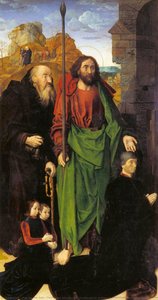
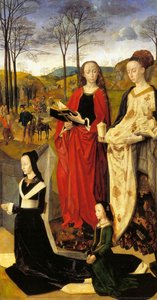
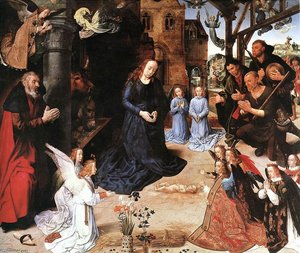
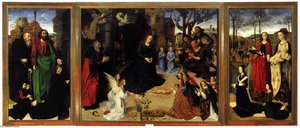
- The Portinari Altarpiece: Arguably Van der Goes's magnum opus, the Portinari Altarpiece commissioned by Tommaso Portinari for Sant’Egidio church in Florence represents a pivotal moment in artistic exchange between Flanders and Italy. Completed around 1483 shortly before his death, this monumental triptych exemplifies Van der Goes’s groundbreaking approach to color and detail—a stylistic influence that would reverberate throughout the Florentine Renaissance.
- The Adoration of the Magi: Painted in 1479–80, The Adoration of the Magi (Monforte Altarpiece) is another masterpiece demonstrating Van der Goes’s unparalleled skill in capturing human emotion and portraying complex narratives with meticulous realism. Its dramatic composition—featuring a theatrical staging of the Nativity scene—reflects the influence of humanist drama and underscores Van der Goes's commitment to conveying psychological truthfulness.
Stylistic Innovation & Technical Mastery
Van der Goes revolutionized Flemish painting through his unwavering dedication to realism, pushing beyond mere imitation of nature toward a profound exploration of human psychology. He achieved this remarkable feat by employing techniques that were considered revolutionary for the time—primarily glazing and meticulous layering of pigments—resulting in surfaces imbued with luminous color and astonishing textural detail. Unlike artists who favored flat surfaces and muted hues, Van der Goes embraced a vibrant palette dominated by earthy tones contrasted sharply with brilliant blues—a stylistic choice that would become synonymous with Northern Renaissance art.- Glazing Technique: Van der Goes perfected the glazing technique—applying thin layers of translucent pigment over underlying colors—creating depth and luminosity unmatched in his era. This method allowed him to capture subtle variations in light and shadow, imbuing his paintings with an ethereal quality that captivated viewers.
- Detailed Observation & Anatomical Accuracy: Van der Goes’s meticulous observation of the human form—evident in portraits like Saint Luke—demonstrated a remarkable understanding of anatomy and musculature. He skillfully rendered drapery folds and facial expressions, conveying nuanced emotions with astonishing precision.
- Compositional Drama: The artist's masterful compositional choices—such as the dramatic staging of the Nativity scene in *The Adoration of the Magi*—were inspired by humanist theatrical conventions. Van der Goes utilized perspective and spatial arrangement to create a sense of depth and grandeur, immersing viewers within the narrative unfolding before their eyes.
Symbolism & Emotional Impact
Beyond its technical brilliance, Hugo van der Goes’s art is imbued with profound symbolic meaning—reflecting the intellectual currents of the Renaissance and conveying spiritual contemplation. The artist's works explore themes of faith, humility, and divine grace—communicating complex ideas through visual imagery that transcends literal representation. Consider *The Adoration of the Magi*, where the luminous blue robe of Mary symbolizes purity and piety, while the carefully rendered gestures of the shepherds convey reverence for the sacred event.- Religious Iconography: Van der Goes’s paintings are replete with religious iconography—symbols representing biblical narratives and spiritual virtues—serving as conduits for conveying theological concepts.
- Psychological Depth & Emotion: The artist's ability to capture human emotion—expressed through facial expressions and body language—demonstrates a remarkable understanding of psychology and elevates his works beyond mere visual spectacle.
- Evocative Atmosphere: Van der Goes’s paintings create an immersive atmosphere—capturing the subtleties of light and shadow—that transports viewers into the depicted scene, fostering contemplation and eliciting emotional responses.
Похожие произведения
Биография художника
A Pioneer of Flemish Realism: The Life and Art of Hugo van der Goes
Born around 1440 in the vibrant artistic hub of Ghent, Belgium, Hugo van der Goes emerged as a pivotal figure in the Northern Renaissance. Though shrouded in some mystery—details of his early life remain scarce—his impact on the development of painting during the latter half of the 15th century is undeniable. Van der Goes wasn’t merely a painter; he was an innovator who profoundly altered the course of artistic expression, influencing masters both within Flanders and across the burgeoning Italian Renaissance. He entered the Ghent painters' guild in 1467, marking his formal establishment as a master craftsman, yet it was his unique vision—a blend of intense realism, psychological depth, and dramatic composition—that would set him apart. Before Van der Goes, Flemish painting, while technically brilliant, often adhered to established conventions; he dared to break from these traditions, imbuing his work with an unprecedented level of human emotion and tangible reality.Innovation and Artistic Style
Van der Goes’s artistic signature lies in his ability to infuse religious scenes with a startling sense of immediacy and emotional weight. He moved beyond the stylized conventions of earlier Flemish painting, imbuing his figures with a weighty presence and individualized character. His use of color was deliberate and often somber, creating a sense of gravity and spiritual intensity. This wasn’t simply about replicating appearances; it was about conveying inner states—awe, sorrow, reverence—through subtle gestures, expressive faces, and the careful manipulation of light and shadow. His monumental style, characterized by large-scale compositions and imposing figures, further amplified this emotional impact. He didn't shy away from portraying imperfections; his figures often possess a raw, almost unsettling realism that distinguishes them from the more idealized representations common in earlier art. This commitment to depicting humanity in all its complexity was revolutionary for its time, influencing artists who sought to move beyond mere technical skill and explore the depths of human experience. The influence of Jan van Eyck’s meticulous detail is evident, but Van der Goes transcends imitation, forging a style uniquely his own. He introduced a new level of psychological insight into portraiture, capturing not just physical likenesses but also the inner lives of his subjects.Masterpieces and Lasting Influence
Perhaps Van der Goes’s most celebrated work is the Portinari Altarpiece, commissioned by Tommaso Portinari, an Italian banker residing in Bruges. Completed around 1475, this magnificent triptych—now housed in the Uffizi Gallery in Florence—is a testament to his mastery of composition, color, and psychological insight. The scene depicting the Adoration of the Shepherds is particularly striking, with its dramatic lighting, realistic portrayal of humble figures, and palpable sense of wonder. The altarpiece’s arrival in Italy had a profound effect on Florentine artists, including Domenico Ghirlandaio, who were captivated by its innovative realism and emotional power. Another significant work is The Adoration of the Magi (Monforte Altarpiece), currently residing in Berlin's Gemäldegalerie. This piece showcases his skill in creating dynamic scenes filled with intricate detail and symbolic meaning. Beyond these iconic works, Van der Goes contributed to numerous civic projects, including heraldic decorations for Charles the Bold’s ceremonial entries into Ghent, demonstrating his versatility as an artist. His influence extended beyond painting; he impacted the development of book illustration through his designs which were disseminated by artists like Alexander Bening.A Life Transformed: From Workshop to Monastery
In a surprising turn of events, at the height of his artistic success in 1477, Van der Goes abruptly closed his bustling workshop and entered the Roode Klooster monastery near Auderghem. This decision remains something of an enigma, though it’s believed to have been driven by a deep spiritual yearning or perhaps a struggle with mental health. Despite taking religious vows as a lay brother, he continued to accept painting commissions, even undertaking the task of evaluating unfinished works by Dieric Bouts for the city of Leuven. However, his final years were marked by increasing bouts of depression and psychological distress. Accounts suggest that he suffered a severe breakdown in 1482, tragically taking his own life shortly thereafter. This poignant end to a brilliant career adds another layer of complexity to the legacy of Hugo van der Goes—a man whose art explored the depths of human emotion while grappling with inner turmoil. The circumstances surrounding his death have fueled speculation for centuries, adding to the mystique that surrounds this remarkable artist.A Legacy Enduring Through Time
Hugo van der Goes’s influence extended far beyond his relatively short lifetime. His innovative techniques and profound psychological insights paved the way for future generations of artists, both in Flanders and Italy. His work can be found today in prestigious museums such as the Musées royaux des Beaux-Arts in Brussels, offering a glimpse into the genius of this pioneering Flemish master. He remains a compelling figure—a testament to the power of art to capture the complexities of the human condition and to transcend cultural boundaries. His legacy continues to inspire awe and admiration, solidifying his place as one of the most important artists of the Northern Renaissance.- His emphasis on realism influenced subsequent generations.
- The Portinari Altarpiece remains a landmark achievement in art history.
- His exploration of psychological depth set a new standard for portraiture and religious painting.
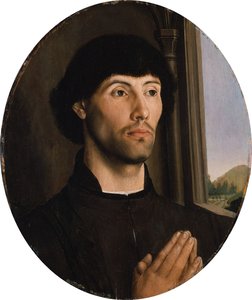
Хуго ван дер Гойс
1440 - 1482 , Бельгия
Основные сведения
- Artistic Movement Or Style: Ранний фландрийский стиль
- Artists Or Movements Influenced By This Artist:
- Донателло Гхирландиа
- Ренессанс
- Artists Who Influenced This Artist:
- Ян ван Эйк
- Дирк Боутс
- Date Of Birth: c. 1440
- Date Of Death: 1482
- Full Name: Hugo van der Goes
- Nationality: Нидерландский
- Notable Artworks:
- Алтарь Монфорт
- Поклонение Младенцу
- Адажио пастухов
- Place Of Birth: Гент, Бельгия
Похожие статьи

10 Шедевров Раннего Нидерландского Живописи: История Искусства в Вашем Интерьере
Погрузитесь в мир Раннего нидерландского живописи! Откройте 10 шедевров Яна ван Эйка, Рогира ван дер Вейдена и других мастеров. История искусства, техника исполнения и вдохновение для вашего интерьера на ArtsDot.com.
Hugo van der Goes: Devotion, Innovation & the Psychological Depth of Early Netherlandish Painting
Explore the revolutionary art of Hugo van der Goes – a master of Early Netherlandish painting renowned for his dramatic realism, psychological depth & profound influence on Renaissance artists. Discover his iconic works and lasting legacy.
Топ-10 шедевров Раннего Нидерландского Возрождения: искусство для вашего дома
Погрузитесь в мир Раннего Нидерландского Возрождения! Узнайте истории создания шедевров Яна ван Эйка, Кампена и других великих мастеров. Купите высококачественные репродукции картин для вашего интерьера на ArtsDot.com.

Рембрандт ван Рейн: Топ-25 шедевров великого голландского мастера | ArtsDot
Погрузитесь в мир великого Рембрандта! 25 шедевров голландского барокко, истории создания картин и уникальные техники художника. Купите репродукции картин Рембрандта высочайшего качества для вашего интерьера на ArtsDot.com
Rogier van der Weyden: Emotion, Innovation & the Early Netherlandish Renaissance
Explore the revolutionary art of Rogier van der Weyden, a pivotal figure of the Early Netherlandish Renaissance. Discover his emotional realism, innovative compositions, and lasting impact on painting history.