

 Предпросмотр
 Поделиться
 Поделиться
 Детали произведения

 Скачать
 Похожие работы
 Рентгенография
 Слайд-шоу
 Статистика
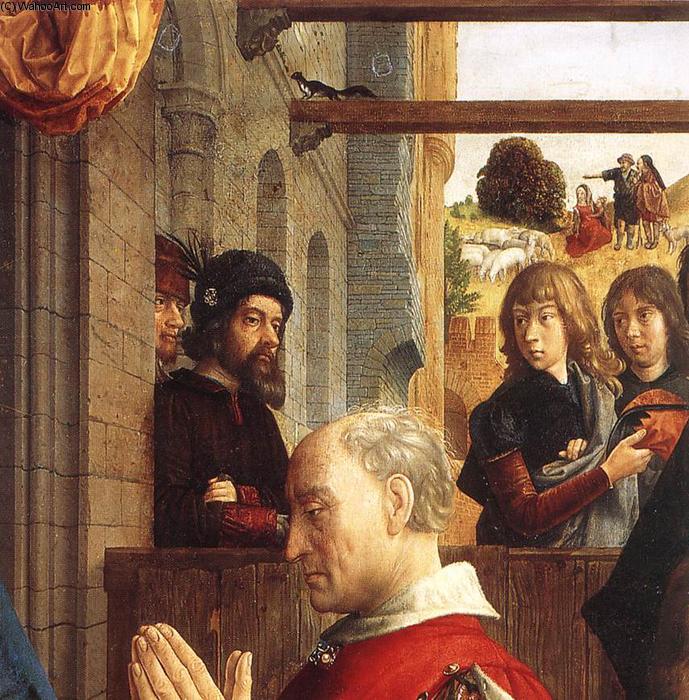
Monforte Altarpiece (detail) (30)


 Читать далее
Приобретите цифровое изображение высокого разрешения в улучшенном качестве, которое значительно превосходит онлайн-превью.
Каждый файл тщательно подготавливается нашими специалистами с использованием передовых инструментов и экспертной ручной ретуши. Мы гарантируем исключительную четкость, точную цветопередачу и детальную проработку каждого изображения.
Финальный файл доставляется по электронной почте в течение 72 часов и оптимизирован для немедленного использования в профессиональной среде, при верстке и печати. Это тот же уровень качества, которому доверяют ведущие дизайнерские студии, издательства и галереи.
Цифровое изображение
Скачайте файл высокого разрешения для личного использования, печати и творческих проектов. ( Перейти к печати Купить картину ручной работы)
Включено в каждый заказ цифровых изображений
Гарантия экспертной цифровой доставки
Выбирая ArtsDot.com, вы получаете не просто изображение — вы приобретаете профессионально обработанное цифровое произведение искусства, созданное с безупречной точностью и под защитой гарантии качества. Вот всё, что автоматически входит в ваш заказ:

Мгновенная доставка по e-mail
Ваш цифровой файл в высоком разрешении будет отправлен вам по электронной почте в течение 72 часов после оформления заказа — и сразу станет доступен для использования.

Цифровой файл с ИИ-улучшением
Ваше произведение искусства проходит профессиональную оптимизацию с использованием передовых инструментов ИИ и ручной обработки, что гарантирует максимальную детализацию, четкость и точность цветопередачи.

Бессрочная бесплатная повторная доставка
Случайно удалили или потеряли файл? Не беспокойтесь — мы отправим его вам повторно в любое время и совершенно бесплатно.

Без импортных пошлин — навсегда
Наслаждайтесь вашим произведением искусства мгновенно без таможенных пошлин, сборов или затрат на доставку — цифровые загрузки всегда не облагаются налогом.

Гарантия точности цветопередачи
Мы гарантируем, что ваше цифровое изображение максимально точно передает оригинальные цвета благодаря использованию профессиональных инструментов и систем управления цветом.

Гарантия удовлетворенности 100 дней
Если вы не будете удовлетворены своим цифровым изображением, мы внесем правки или вернем 100% стоимости в течение 100 дней — без лишних вопросов.

100% Гарантия возврата средств
Не удовлетворены покупкой? Получите полный возврат средств в течение 100 дней после получения цифрового файла — без лишних вопросов.

Скидки на оптовые заказы
Купите 3 изображения, сэкономьте 10% — Купите 5, сэкономьте 15% — Купите 10+, сэкономьте 20%. Отличное решение для творческих проектов, галерей и агентств.
A Moment of Devotion: Unveiling Hugo van der Goes’ Monforte Altarpiece Detail
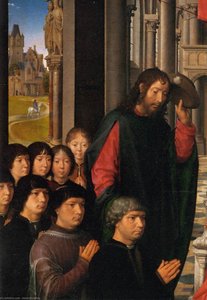
The year is 1470, and within the burgeoning artistic landscape of Ghent, Belgium, Hugo van der Goes was forging a path unlike any seen before. The fragment we now know as the “Monforte Altarpiece Detail” – a captivating study in human emotion and religious fervor – offers a glimpse into this revolutionary artist’s workshop. This particular section, depicting a central figure enveloped in crimson robes, is not merely a portrait; it's an embodiment of spiritual contemplation, a testament to van der Goes’ pioneering approach to realism and psychological depth within Flemish painting.
The scene immediately draws the eye to the man at the heart of the composition. Dressed in rich, flowing red – a color historically associated with royalty, sacrifice, and divine grace – he is positioned as the focal point, his hands clasped together in a gesture of profound prayer. The detail of his garments, rendered with an almost obsessive attention to texture and fold, speaks volumes about van der Goes’ commitment to capturing the tangible reality of the world. He wears a crown, subtly suggesting authority or perhaps even martyrdom – a potent symbol within the context of medieval piety. The intensity in his gaze, captured through masterful use of chiaroscuro (the dramatic contrast between light and shadow), hints at an inner struggle, a fervent plea reaching towards something beyond our immediate perception.
Technique and Artistic Innovation
Van der Goes’ technique during this period represents a significant departure from the stylized conventions prevalent in earlier Flemish art. He moved away from the smooth, idealized forms favored by his predecessors, embracing instead a more robust and expressive approach. Notice the subtly roughened surfaces of the figures – a deliberate choice that lends them an undeniable sense of humanity. The artist’s use of oil paint, though still relatively new at this time, allowed for unprecedented levels of detail and luminosity, contributing to the painting's remarkable realism. The layering of pigments, visible in areas of shadow, demonstrates a sophisticated understanding of color mixing and application – techniques that would become hallmarks of his style.
Furthermore, van der Goes’ composition is strikingly dynamic. The figures surrounding the central figure are not merely passive observers; they engage with the scene, their postures and expressions conveying a range of emotions—respect, reverence, perhaps even concern. This deliberate inclusion of secondary figures elevates the narrative beyond a simple devotional image, suggesting a community united in faith.
Symbolism and Spiritual Resonance
Beyond the immediate depiction of prayer, the Monforte Altarpiece Detail is rich with symbolic meaning. The presence of the bird soaring above the central figure can be interpreted as an emblem of the soul ascending to heaven, or perhaps a representation of divine guidance. The setting itself – though not explicitly rendered – evokes a sense of sacred space, a place dedicated to contemplation and spiritual connection. It’s crucial to remember that altarpieces were designed to tell stories, to educate the faithful on biblical narratives and religious doctrine. This detail likely served as part of a larger narrative, reinforcing key themes of faith, humility, and devotion.
A Legacy of Realism and Emotion
Hugo van der Goes’ Monforte Altarpiece Detail stands as a pivotal work in the transition from Gothic to Renaissance art. His innovative use of realism, psychological depth, and dramatic composition profoundly influenced generations of artists who followed. The painting's enduring power lies not only in its technical brilliance but also in its ability to evoke a profound sense of empathy and spiritual longing. A reproduction of this exquisite detail offers a remarkable opportunity to experience the genius of van der Goes firsthand, bringing a touch of timeless beauty and emotional resonance into any space – whether as a centerpiece for a study or a cherished addition to a grand salon.
Похожие произведения
Биография художника
A Pioneer of Flemish Realism: The Life and Art of Hugo van der Goes
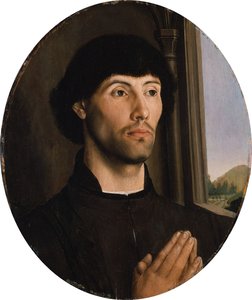
Born around 1440 in the vibrant artistic hub of Ghent, Belgium, Hugo van der Goes emerged as a pivotal figure in the Northern Renaissance. Though shrouded in some mystery—details of his early life remain scarce—his impact on the development of painting during the latter half of the 15th century is undeniable. Van der Goes wasn’t merely a painter; he was an innovator who profoundly altered the course of artistic expression, influencing masters both within Flanders and across the burgeoning Italian Renaissance. He entered the Ghent painters' guild in 1467, marking his formal establishment as a master craftsman, yet it was his unique vision—a blend of intense realism, psychological depth, and dramatic composition—that would set him apart. Before Van der Goes, Flemish painting, while technically brilliant, often adhered to established conventions; he dared to break from these traditions, imbuing his work with an unprecedented level of human emotion and tangible reality.Innovation and Artistic Style
Van der Goes’s artistic signature lies in his ability to infuse religious scenes with a startling sense of immediacy and emotional weight. He moved beyond the stylized conventions of earlier Flemish painting, imbuing his figures with a weighty presence and individualized character. His use of color was deliberate and often somber, creating a sense of gravity and spiritual intensity. This wasn’t simply about replicating appearances; it was about conveying inner states—awe, sorrow, reverence—through subtle gestures, expressive faces, and the careful manipulation of light and shadow. His monumental style, characterized by large-scale compositions and imposing figures, further amplified this emotional impact. He didn't shy away from portraying imperfections; his figures often possess a raw, almost unsettling realism that distinguishes them from the more idealized representations common in earlier art. This commitment to depicting humanity in all its complexity was revolutionary for its time, influencing artists who sought to move beyond mere technical skill and explore the depths of human experience. The influence of Jan van Eyck’s meticulous detail is evident, but Van der Goes transcends imitation, forging a style uniquely his own. He introduced a new level of psychological insight into portraiture, capturing not just physical likenesses but also the inner lives of his subjects.Masterpieces and Lasting Influence
Perhaps Van der Goes’s most celebrated work is the Portinari Altarpiece, commissioned by Tommaso Portinari, an Italian banker residing in Bruges. Completed around 1475, this magnificent triptych—now housed in the Uffizi Gallery in Florence—is a testament to his mastery of composition, color, and psychological insight. The scene depicting the Adoration of the Shepherds is particularly striking, with its dramatic lighting, realistic portrayal of humble figures, and palpable sense of wonder. The altarpiece’s arrival in Italy had a profound effect on Florentine artists, including Domenico Ghirlandaio, who were captivated by its innovative realism and emotional power. Another significant work is The Adoration of the Magi (Monforte Altarpiece), currently residing in Berlin's Gemäldegalerie. This piece showcases his skill in creating dynamic scenes filled with intricate detail and symbolic meaning. Beyond these iconic works, Van der Goes contributed to numerous civic projects, including heraldic decorations for Charles the Bold’s ceremonial entries into Ghent, demonstrating his versatility as an artist. His influence extended beyond painting; he impacted the development of book illustration through his designs which were disseminated by artists like Alexander Bening.A Life Transformed: From Workshop to Monastery
In a surprising turn of events, at the height of his artistic success in 1477, Van der Goes abruptly closed his bustling workshop and entered the Roode Klooster monastery near Auderghem. This decision remains something of an enigma, though it’s believed to have been driven by a deep spiritual yearning or perhaps a struggle with mental health. Despite taking religious vows as a lay brother, he continued to accept painting commissions, even undertaking the task of evaluating unfinished works by Dieric Bouts for the city of Leuven. However, his final years were marked by increasing bouts of depression and psychological distress. Accounts suggest that he suffered a severe breakdown in 1482, tragically taking his own life shortly thereafter. This poignant end to a brilliant career adds another layer of complexity to the legacy of Hugo van der Goes—a man whose art explored the depths of human emotion while grappling with inner turmoil. The circumstances surrounding his death have fueled speculation for centuries, adding to the mystique that surrounds this remarkable artist.A Legacy Enduring Through Time
Hugo van der Goes’s influence extended far beyond his relatively short lifetime. His innovative techniques and profound psychological insights paved the way for future generations of artists, both in Flanders and Italy. His work can be found today in prestigious museums such as the Musées royaux des Beaux-Arts in Brussels, offering a glimpse into the genius of this pioneering Flemish master. He remains a compelling figure—a testament to the power of art to capture the complexities of the human condition and to transcend cultural boundaries. His legacy continues to inspire awe and admiration, solidifying his place as one of the most important artists of the Northern Renaissance.- His emphasis on realism influenced subsequent generations.
- The Portinari Altarpiece remains a landmark achievement in art history.
- His exploration of psychological depth set a new standard for portraiture and religious painting.
Хуго ван дер Гойс
1440 - 1482 , Бельгия
Основные сведения
- Artistic Movement Or Style: Ранний фландрийский стиль
- Artists Or Movements Influenced By This Artist:
- Донателло Гхирландиа
- Ренессанс
- Artists Who Influenced This Artist:
- Ян ван Эйк
- Дирк Боутс
- Date Of Birth: c. 1440
- Date Of Death: 1482
- Full Name: Hugo van der Goes
- Nationality: Нидерландский
- Notable Artworks:
- Алтарь Монфорт
- Поклонение Младенцу
- Адажио пастухов
- Place Of Birth: Гент, Бельгия