

 Поделиться
 Поделиться
 Детали произведения

 Скачать
 Похожие работы
 Слайд-шоу
 Статистика
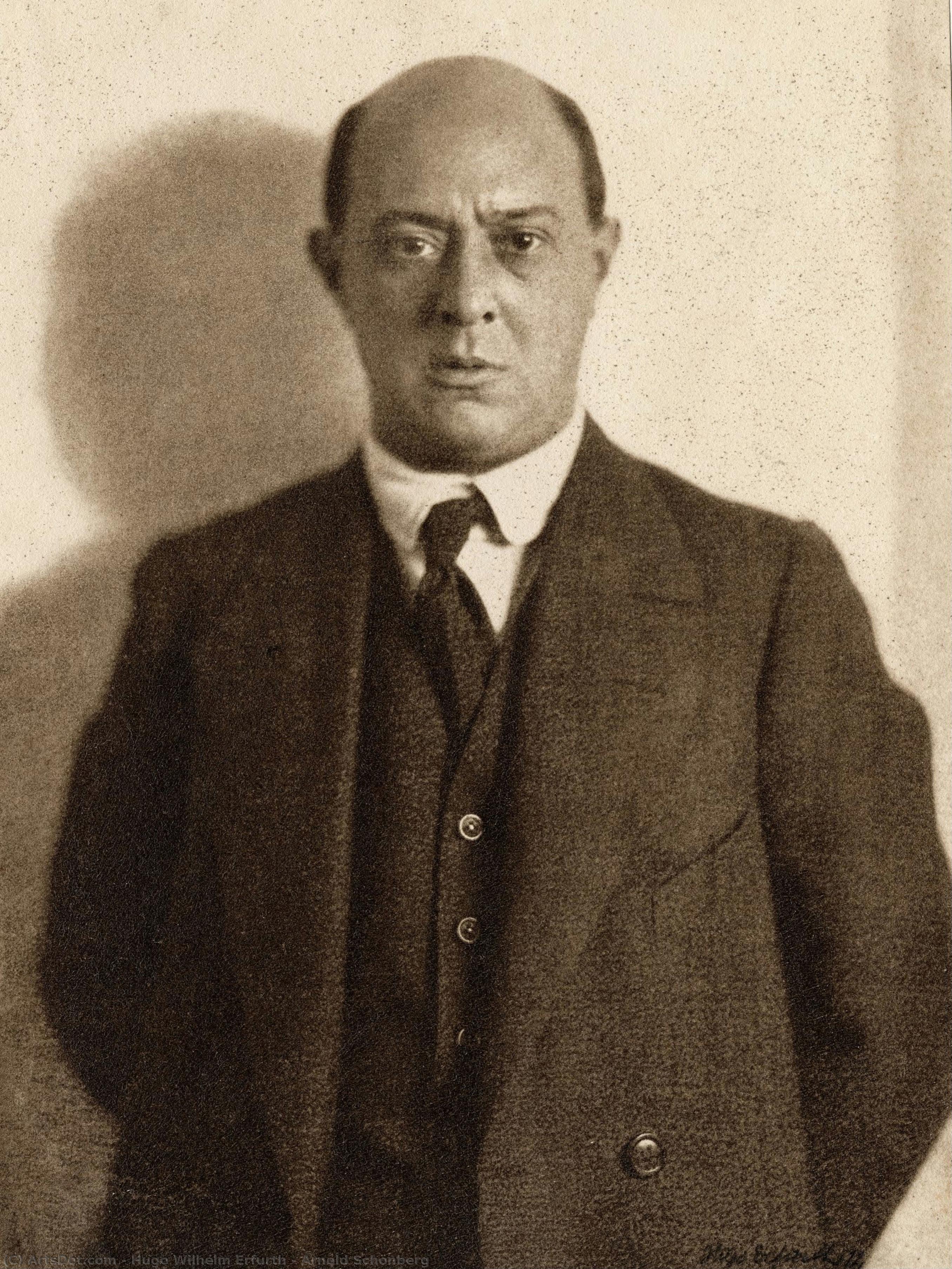
Arnold Schönberg
 Black and White Photography
- Photo
- Portrait Photography
 1912
1912- Modern
 16.0 x 21.0 cm
 Arnold Schönberg Center
 Читать далее
Приобретите цифровое изображение высокого разрешения в улучшенном качестве, которое значительно превосходит онлайн-превью.
Каждый файл тщательно подготавливается нашими специалистами с использованием передовых инструментов и экспертной ручной ретуши. Мы гарантируем исключительную четкость, точную цветопередачу и детальную проработку каждого изображения.
Финальный файл доставляется по электронной почте в течение 72 часов и оптимизирован для немедленного использования в профессиональной среде, при верстке и печати. Это тот же уровень качества, которому доверяют ведущие дизайнерские студии, издательства и галереи.
Цифровое изображение
Скачайте файл высокого разрешения для личного использования, печати и творческих проектов. ( Перейти к печати Купить картину ручной работы)
Включено в каждый заказ цифровых изображений
Гарантия экспертной цифровой доставки
Выбирая ArtsDot.com, вы получаете не просто изображение — вы приобретаете профессионально обработанное цифровое произведение искусства, созданное с безупречной точностью и под защитой гарантии качества. Вот всё, что автоматически входит в ваш заказ:

Мгновенная доставка по e-mail
Ваш цифровой файл в высоком разрешении будет отправлен вам по электронной почте в течение 72 часов после оформления заказа — и сразу станет доступен для использования.

Цифровой файл с ИИ-улучшением
Ваше произведение искусства проходит профессиональную оптимизацию с использованием передовых инструментов ИИ и ручной обработки, что гарантирует максимальную детализацию, четкость и точность цветопередачи.

Бессрочная бесплатная повторная доставка
Случайно удалили или потеряли файл? Не беспокойтесь — мы отправим его вам повторно в любое время и совершенно бесплатно.

Без импортных пошлин — навсегда
Наслаждайтесь вашим произведением искусства мгновенно без таможенных пошлин, сборов или затрат на доставку — цифровые загрузки всегда не облагаются налогом.

Гарантия точности цветопередачи
Мы гарантируем, что ваше цифровое изображение максимально точно передает оригинальные цвета благодаря использованию профессиональных инструментов и систем управления цветом.

Гарантия удовлетворенности 100 дней
Если вы не будете удовлетворены своим цифровым изображением, мы внесем правки или вернем 100% стоимости в течение 100 дней — без лишних вопросов.

100% Гарантия возврата средств
Не удовлетворены покупкой? Получите полный возврат средств в течение 100 дней после получения цифрового файла — без лишних вопросов.

Скидки на оптовые заказы
Купите 3 изображения, сэкономьте 10% — Купите 5, сэкономьте 15% — Купите 10+, сэкономьте 20%. Отличное решение для творческих проектов, галерей и агентств.
A Moment Frozen in Tonal Mastery
In this evocative black and white portrait from 1912, we encounter the profound presence of the composer Arnold Schönberg, captured through the masterful lens of Hugo Wilhelm Erfurth. The photograph is far more than a mere documentation of a face; it is an intimate psychological study that transcends the boundaries of traditional portraiture. As Schönberg sits before the camera, his gaze is direct and piercing, carrying a weight of intellectual intensity that seems to vibrate even through the stillness of the print. The composition is elegantly balanced, with the subject commanding the frame, yet there is a soft, ethereal quality to the surrounding space that prevents the image from feeling static or overly formal.
The artistry of Erfurth shines most brilliantly in his sophisticated use of the gum bichromate process. This complex technique allowed the photographer to exert precise control over tonal values, creating a rich spectrum of grays and deep, velvety blacks that lend the portrait a painterly depth. By manipulating the exposure of the negatives, Erfurth achieved a texture that feels almost tactile, blurring the background into a soft, atmospheric haze. This deliberate use of shallow depth of field serves to isolate Schönberg, stripping away the distractions of the physical world and forcing the viewer into an unmediated encounter with the man’s internal landscape.
The Intersection of Identity and Innovation
Historically, this portrait captures a pivotal moment in both the subject's life and the evolution of photographic technique. During his Pierrot tour in 1912, Schönberg sought out Erfurth specifically, having found previous attempts at his likeness to be unsatisfactory. He was searching for an authentic character image—a reflection that matched the revolutionary spirit of his musical compositions. Erfurth, a pioneer of the German Werkbund era, shared this desire for authenticity. Eschewing the artificial, staged poses common in late 19th-century studios, Erfurth sought to capture the "true" essence of his sitters through experimental light and shadow.
For the collector or the interior designer, this piece offers a sophisticated touch of historical gravity. The image possesses a timeless elegance that complements both minimalist modern spaces and more classical, academic settings. It is an artwork that invites contemplation, acting as a focal point that sparks conversation about the nature of fame, the birth of modernism, and the power of the gaze. To possess a reproduction of this work is to hold a fragment of musical and photographic history—a window into a time when the boundaries of art were being radically redrawn by visionaries who dared to look deeper than the surface.
Похожие произведения
Биография художника
The Visionary Lens of Hugo Wilhelm Erfurth
In the quiet, transformative era of the late nineteenth and early twentieth centuries, a profound shift was occurring in how humanity perceived itself through the lens of art. At the heart of this evolution stood Hugo Wilhelm Erfurth, a German master whose name became synonymous with the sophisticated elegance of portrait photography. Born on October 14, 1874, in Halberstadt, Germany, Erfurth’s journey was not initially destined for the darkroom. His early artistic sensibilities were nurtured within the prestigious halls of the Dresden Academy of Fine Arts, where he studied the classical nuances of painting. It was this foundation in fine art—the understanding of light, shadow, and composition—that would later allow him to transcend the mere documentation of faces and instead capture the very soul of his subjects.
The trajectory of Erfurth’s life changed irrevocably during his apprenticeship with Wilhelm Höffer. It was through this mentorship that the allure of photography took hold, offering a new medium that combined the precision of science with the emotive power of painting. By 1896, Erfurth had stepped into the professional spotlight by taking over the studio of J. S. Schröder in Dresden. This transition marked more than just a change in occupation; it was the birth of a photographic style that would define an era. His ability to manipulate light to create depth and character quickly earned him international recognition, leading to prestigious memberships such as the German Werkbund and honorary positions within the Royal Photographic Society in London and the Süddeutsche Photographen-Verein in Munich.
A Legacy of Sophistication and Light
Erfurth’s work is celebrated for its captivating portraiture, a genre where he achieved a level of psychological depth rarely seen in early photography. His portraits were not merely likenesses; they were studies in character, imbued with an aura of sophistication that reflected the cultural zeitgeist of the German Empire and the subsequent decades. He possessed a rare talent for capturing the essence of his subjects—ranging from intellectuals and musicians to the social elite—ensuring that each image felt like a timeless piece of fine art rather than a fleeting snapshot.
The historical significance of Erfurth’s contribution lies in his ability to bridge the gap between traditional fine art and the emerging medium of photography. His technical mastery allowed him to utilize the following elements to great effect:
- Chiaroscuro Influence: Applying the dramatic light and shadow techniques learned from his painting background to create three-dimensional depth.
- Psychological Intimacy: A focus on the gaze and expression of the subject to convey internal emotion and social standing.
- Compositional Rigor: Utilizing classical proportions to ensure each portrait possessed a monumental, lasting quality.
Though much of his specific photographic output remains tucked away in archives and private collections, his influence reverberates through the history of the medium. He helped elevate photography from a technical novelty to a respected form of high art, paving the way for future generations of portraitists. Today, as we look back upon the life of Hugo Wilhelm Erfurth, we see a pioneer who used the camera to weave a tapestry of human identity, leaving an indelible mark on the visual language of the twentieth century.

hugo wilhelm erfurth
1874 - 1948 , Germany
Основные сведения
- Artistic Movement Or Style: Portrait photography
- Artists Or Movements Influenced By This Artist: ['Arnold Schönberg']
- Artists Who Influenced This Artist: ['Wilhelm Höffer']
- Date Of Birth: October 14, 1874
- Date Of Death: February 14, 1948
- Full Name: Hugo Wilhelm Erfurth
- Nationality: German
- Notable Artworks: ['A Journey Through Art History']
- Place Of Birth: Halberstadt, Germany