

 Предпросмотр
 Поделиться
 Поделиться
 Детали произведения

 Скачать
 Похожие работы
 Рентгенография
 Слайд-шоу
 Статистика
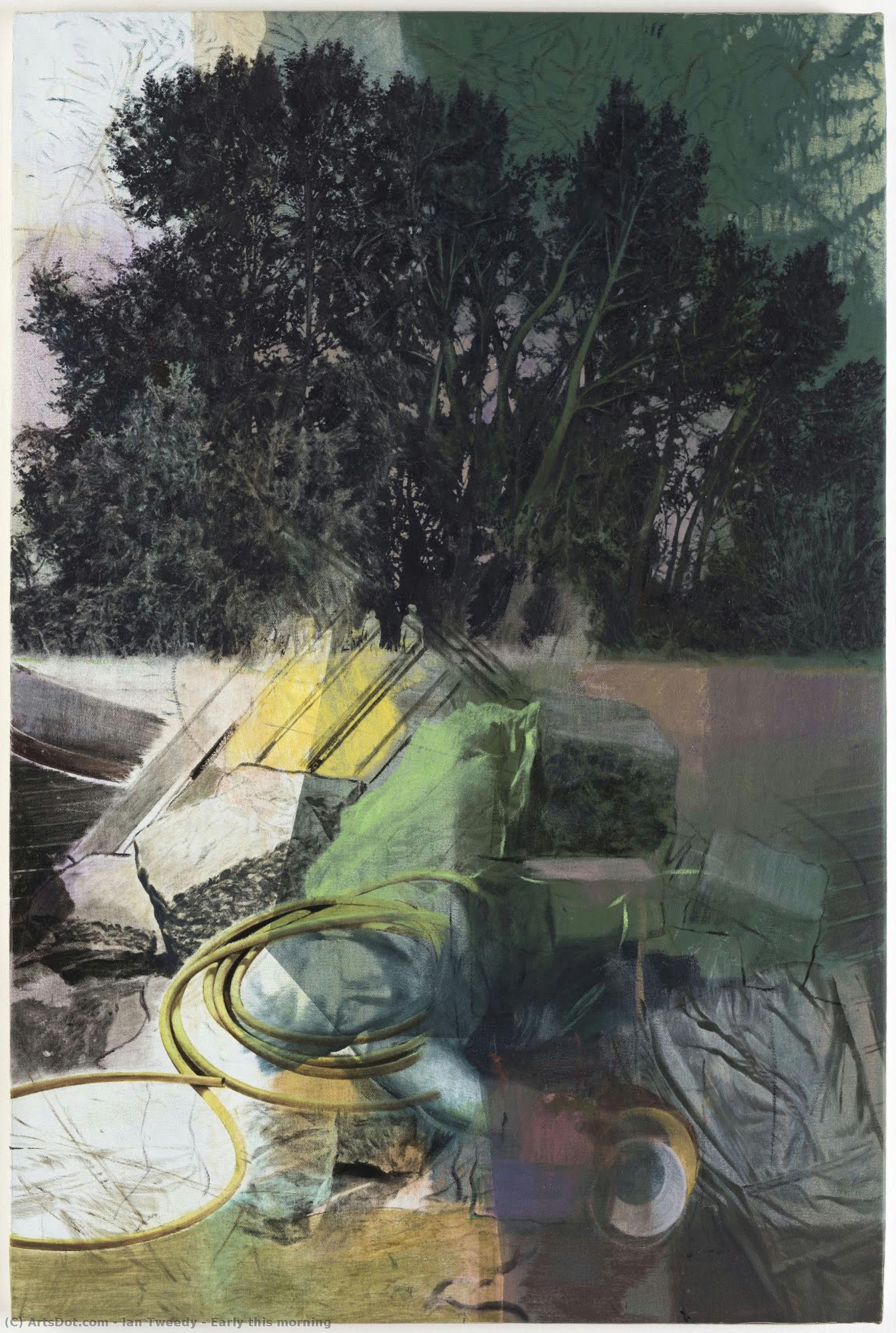
Early this morning

 Читать далее
Приобретите цифровое изображение высокого разрешения в улучшенном качестве, которое значительно превосходит онлайн-превью.
Каждый файл тщательно подготавливается нашими специалистами с использованием передовых инструментов и экспертной ручной ретуши. Мы гарантируем исключительную четкость, точную цветопередачу и детальную проработку каждого изображения.
Финальный файл доставляется по электронной почте в течение 72 часов и оптимизирован для немедленного использования в профессиональной среде, при верстке и печати. Это тот же уровень качества, которому доверяют ведущие дизайнерские студии, издательства и галереи.
Цифровое изображение
Скачайте файл высокого разрешения для личного использования, печати и творческих проектов. ( Перейти к печати Купить картину ручной работы)
Включено в каждый заказ цифровых изображений
Гарантия экспертной цифровой доставки
Выбирая ArtsDot.com, вы получаете не просто изображение — вы приобретаете профессионально обработанное цифровое произведение искусства, созданное с безупречной точностью и под защитой гарантии качества. Вот всё, что автоматически входит в ваш заказ:

Мгновенная доставка по e-mail
Ваш цифровой файл в высоком разрешении будет отправлен вам по электронной почте в течение 72 часов после оформления заказа — и сразу станет доступен для использования.

Цифровой файл с ИИ-улучшением
Ваше произведение искусства проходит профессиональную оптимизацию с использованием передовых инструментов ИИ и ручной обработки, что гарантирует максимальную детализацию, четкость и точность цветопередачи.

Бессрочная бесплатная повторная доставка
Случайно удалили или потеряли файл? Не беспокойтесь — мы отправим его вам повторно в любое время и совершенно бесплатно.

Без импортных пошлин — навсегда
Наслаждайтесь вашим произведением искусства мгновенно без таможенных пошлин, сборов или затрат на доставку — цифровые загрузки всегда не облагаются налогом.

Гарантия точности цветопередачи
Мы гарантируем, что ваше цифровое изображение максимально точно передает оригинальные цвета благодаря использованию профессиональных инструментов и систем управления цветом.

Гарантия удовлетворенности 100 дней
Если вы не будете удовлетворены своим цифровым изображением, мы внесем правки или вернем 100% стоимости в течение 100 дней — без лишних вопросов.

100% Гарантия возврата средств
Не удовлетворены покупкой? Получите полный возврат средств в течение 100 дней после получения цифрового файла — без лишних вопросов.

Скидки на оптовые заказы
Купите 3 изображения, сэкономьте 10% — Купите 5, сэкономьте 15% — Купите 10+, сэкономьте 20%. Отличное решение для творческих проектов, галерей и агентств.
Похожие произведения









Биография художника
A Nomadic Archive: The World in Fragments of Ian Tweedy
Ian Tweedy, born in 1982 on a U.S. military base in Hahn, Germany, embodies a unique artistic perspective forged by displacement and an acute awareness of history’s layered narratives. His work isn't simply *about* the past; it feels excavated from it—a collection of visual debris meticulously reassembled to question our present understanding of power, politics, and collective memory. Tweedy’s upbringing within the transient world of military installations across Europe instilled a sense of rootlessness that became foundational to his artistic practice. This early exposure to diverse cultures, coupled with the inherent impermanence of his surroundings, fostered an obsession with archiving—not as preservation, but as a means of deconstruction and re-contextualization.
Initially finding expression in the vibrant, often ephemeral world of street art, Tweedy honed his skills on the walls of German cities like Hamburg, Düsseldorf, and Frankfurt. This formative period was crucial; it taught him to engage directly with public space, to embrace immediacy, and to understand the power of visual communication outside traditional gallery settings. However, his artistic ambitions soon led him to Milan’s Nuova Accademia di Belle Arti (NABA), where he received formal training in 2006. This academic grounding provided a framework for exploring more complex themes and techniques, but it never fully eclipsed the raw energy and rebellious spirit of his street art origins.
From Streets to Canvas: The Evolution of a Visual Language
Tweedy’s artistic process is deeply rooted in collecting—an almost obsessive gathering of visual fragments. Old maps, book covers, found documents, tearsheets from magazines like *Life*, and historical imagery form the raw material for his paintings, drawings, and installations. These aren't merely sources of inspiration; they are actively incorporated into the artwork itself, often collaged, painted over, or manipulated in ways that obscure their original context. This act of appropriation is not simply aesthetic; it’s a deliberate attempt to disrupt established narratives and expose the mechanisms by which history is constructed and interpreted.
His paintings frequently feature layered imagery, creating a sense of palimpsest—a surface where traces of past events are visible beneath subsequent interventions. This technique reflects his interest in the idea that history is never truly erased; it’s always present, influencing our understanding of the present. The effect is often unsettling, forcing viewers to confront the complexities and contradictions inherent in historical representation. He doesn't offer definitive answers or grand pronouncements; instead, he presents a fragmented reality, inviting us to piece together our own interpretations.
Themes of Power, Politics, and American Interventionism
While Tweedy’s work is broadly concerned with themes of power and politics, a recurring focus emerges: the history of American interventionism. He delves into dark periods like the Red Scares—the intense anti-communist hysteria that gripped the United States in the 20th century—examining the fear, paranoia, and injustice that characterized these eras. His exploration extends to subcultures within American society, such as Mormonism, revealing a fascination with marginalized narratives and alternative histories.
A key example of this thematic focus is his series inspired by Andreas Mantegna’s *The Triumphs of Caesar*. Tweedy reimagines the iconic Renaissance work, replacing its figures with immigrants, refugees, and political dissidents—individuals caught in the crosshairs of American power. The resulting paintings depict scenes “after the raid,” suggesting a sense of loss, displacement, and the lingering traces of trauma. These works are not simply historical critiques; they’re poignant meditations on the human cost of political ideology.
Historical Significance and Contemporary Relevance
Ian Tweedy's work occupies a significant space within contemporary art, bridging the gap between painting, collage, and installation while engaging with critical social and political issues. His artistic activity is rooted in the relationship between individual biography and the collective past, suggestive appropriation of history, and a quest for new concepts related to power and politics.
His exhibitions at institutions like GAMeC (Galleria d’Arte Moderna e Contemporanea) in Bergamo, Italy, and The Arts Club in London have solidified his reputation as a compelling voice in the art world. He challenges viewers to question their assumptions about history, identity, and belonging. In an era of misinformation and political polarization, Tweedy's work serves as a powerful reminder of the importance of critical thinking and historical awareness.
Tweedy’s artistic legacy lies not only in his distinctive visual style but also in his ability to create works that are both intellectually stimulating and emotionally resonant. He invites us to become active participants in the process of meaning-making, urging us to confront the complexities of our shared past and to imagine a more just and equitable future.
ian tweedy
1982 - , Germany
Основные сведения
- Artistic Movement Or Style: Contemporary Art
- Artists Who Influenced This Artist:
- Robert Rauschenberg
- Gerhard Richter
- Luc Tuymans
- Date Of Birth: 1982
- Full Name: Ian Tweedy
- Nationality: German-American
- Place Of Birth: Hahn, Germany