

 Поделиться
 Поделиться
 Детали произведения

 Скачать
 Похожие работы
 Слайд-шоу
 Статистика
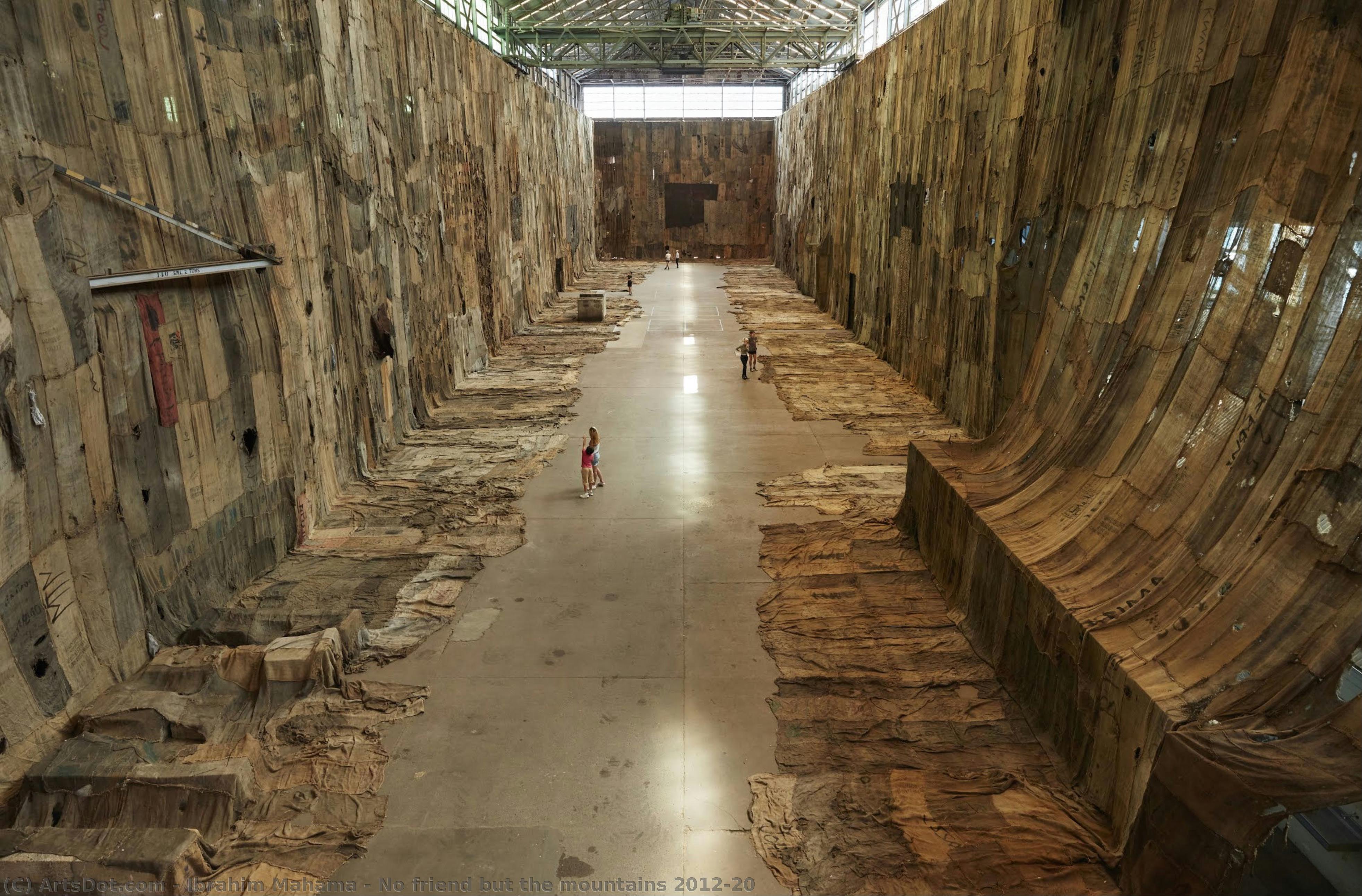
No friend but the mountains 2012-20


 Читать далее
Жикле / Арт-принт
Печать (жикле) или холст музейного качества с быстрыми сроками изготовления и широким выбором вариантов отделки. ( Купить картину ручной работы Перейти к цифровым изображениям)




































Выберите один из наших стандартных размеров, соответствующих оригинальным пропорциям произведения искусства.

Вы можете указать свои собственные размеры, чтобы репродукция идеально подошла под конкретную раму или пространство. Если выбранный вами размер не будет соответствовать пропорциям оригинала, мы либо обрежем произведение, либо дополним изображение зеркальным отражением краев или однотонной заливкой. Перед началом производства вам будет отправлен цифровой макет для утверждения.
Пожалуйста, обратите внимание, что предварительный просмотр на экране не отображает фактическую обрезку или расширение изображения. Только макет точно покажет финальную композицию.
Несмотря на возможность заказа индивидуальных размеров, мы рекомендуем выбирать размер из предопределенного списка, чтобы сохранить оригинальные пропорции.
Доставка по всему миру () за 2 недели вместо стандартных 4/5 недель. (12 Сентябрь)

Бесплатная экспресс-доставка по всему миру

Высококачественный льняной холст

Полное страхование доставки

Гарантия возмещения таможенных пошлин

Гарантия точного соответствия цветов

100-дневная политика возврата (только при обнаружении дефектов)

Гарантия возврата 100% средств

Предложение оптовых скидок
 Вариант со стеклом доступен только для размеров менее 110 см

No friend but the mountains 2012-20
Жикле / Арт-принт
Размер репродукции
-


Итоговая стоимость
$ 62
The Poetics of Presence: Unveiling No Friend but the Mountains
In the evocative piece No friend but the mountains 2012-20, Ibrahim Mahama invites us into a profound meditation on space, labor, and the shared human experience. Captured in a stark, monochromatic palette, this work transcends simple photography to become a window into a world of collective movement. The image presents a vast, industrial expanse—a room with a cold cement floor that feels less like a mere setting and than a stage for the quiet drama of existence. As we gaze upon the scattered figures and the rhythmic placement of chairs, we are drawn into a composition that balances the monumental scale of the environment with the intimate, fleeting moments of the individuals within it. It is a work that demands a slow, contemplative viewing, rewarding the observer with a deep sense of atmospheric weight.
The aesthetic power of this photograph lies in its masterful use of light and shadow, characteristic of Mahama’s ability to find grandeur in the mundane. The black and white medium strips away the distractions of color, forcing our focus onto texture, form, and the interplay of light across the industrial surfaces. There is a palpable sense of history embedded in the grain of the image; the way the chairs are positioned—some huddled together, others isolated against the walls—suggests a narrative of assembly and dispersal. This technique creates a visual tension between the permanence of the architecture and the transient nature of the people inhabiting it, mirroring the artist's broader fascination with how industrial materials and human labor intersect to shape our global reality.
Beyond its visual strikingness, the work serves as a powerful philosophical inquiry into the concepts of justice and democratization. Mahama’s underlying message—a call for freedom and justice that includes even the "non-life"—resonates through the very emptiness of the spaces between the subjects. The piece challenges us to shift our perceptions and expand our values of respect, urging a recognition of the many hands that contribute to the structures of our society. For the collector or interior designer, this artwork offers more than just a sophisticated visual element; it provides a profound intellectual anchor. It is a conversation piece that brings a sense of gravity, historical depth, and social consciousness to any curated space, making it an exquisite choice for those who seek art that speaks to the enduring spirit of community and the complex beauty of our shared industrial heritage.
Похожие произведения
Биография художника
A Tapestry of Time: The Life and Art of Ibrahim Mahama
Born in Tamale, Ghana, in 1987, Ibrahim Mahama emerges as a pivotal figure in contemporary art—an artist whose work resonates with the weight of history, the pulse of globalization, and the enduring spirit of collective memory. Growing up within a large, polygamous family profoundly shaped his artistic trajectory, instilling a collaborative ethos that permeates every facet of his practice. This upbringing wasn’t merely a personal experience; it became a foundational element in how he approaches creation—not as an isolated act, but as a communal endeavor. His father, a civil engineer deeply involved in road construction, sparked an early fascination with industrial materials and the complex systems of labor that underpin modern infrastructure. These formative influences would later coalesce into Mahama’s signature aesthetic: monumental installations crafted from repurposed objects, imbued with layers of meaning and social commentary—transforming the commonplace into profound statements about human experience. From a young age, he was drawn to the stories embedded within discarded materials, recognizing their potential to speak volumes about trade, migration, and the legacies of colonialism. His formal education at Kwame Nkrumah University of Science and Technology (KNUST) in Kumasi – culminating in a PhD in Fine Art – provided him with the intellectual framework to explore these themes with increasing sophistication. Mentorship from educators like Kąrî'kạchä Seid'ou and the collective blaxTARLINES KUMASI further refined his artistic philosophy, grounding it in a critical engagement with post-colonial discourse and African modernism.Early Influences and Artistic Formation
Mahama’s artistic journey began long before he attained academic credentials. His childhood immersion in a multiethnic family fostered an innate appreciation for diversity and collaboration—values that would become central to his creative process. Observing his father’s dedication to engineering projects instilled within him a fascination with structural systems and the transformative power of material manipulation. This early exposure to industrial processes fueled his desire to repurpose discarded objects, transforming them into artworks that challenge conventional notions of beauty and value. His decision to pursue postgraduate studies at KNUST solidified this intellectual curiosity, equipping him with tools for critical analysis and conceptual exploration—essential components of his artistic vision. The guidance of mentors like Kąrî'kạchä Seid'ou instilled in him a commitment to engaging with complex social issues through art—a conviction that continues to inform his work today. Furthermore, participation in the blaxTARLINES KUMASI collective broadened his perspective on artistic practice and fostered a spirit of experimentation and dialogue.The Language of Found Objects: A Distinctive Aesthetic
Mahama’s distinctive aesthetic is immediately recognizable for its masterful use of repurposed materials—primarily jute sacks—which he transforms into monumental installations that dominate architectural spaces. Unlike traditional artists who prioritize pristine canvases or sculpted marble, Mahama seeks beauty and significance in the discarded remnants of urban life—objects imbued with histories of trade, migration, and economic exchange. He meticulously selects these sacks from local markets, recognizing their inherent symbolic weight as emblems of Ghana’s role in global commerce. The process of stitching together these sacks is itself a ritualistic act—a deliberate gesture of transformation that underscores Mahama’s belief in the power of materiality to convey complex narratives. His installations aren't merely decorative; they are immersive environments designed to provoke contemplation and inspire dialogue about pressing social issues. As he eloquently describes, “I used jute sacks because for me the history of crisis and failure is absorbed into the material. Their history speaks of how global transactions and capitalist structures work.” This observation encapsulates his artistic ethos—a commitment to confronting uncomfortable truths while simultaneously celebrating resilience and cultural heritage.Major Installations and Conceptual Themes
Mahama’s most celebrated artworks consist of sprawling installations that envelop buildings and public spaces, transforming them into canvases for collective memory and social commentary. His groundbreaking project *Purple Hibiscus*, commissioned by the Barbican Centre in London, involved draping the Brutalist architecture of the gallery with thousands of hand-stitched jute sacks—a bold statement about architectural heritage and the transformative potential of art. This ambitious undertaking garnered international acclaim and solidified Mahama’s reputation as a visionary artist capable of redefining artistic boundaries. Similarly, his participation in Documenta 14 showcased his ability to engage with contemporary debates surrounding globalization and migration—themes that permeate throughout his oeuvre. His installation *Parliament of Ghosts*, presented at the Whitworth Art Gallery in Manchester, powerfully reimagined Ghana’s parliament chamber using repurposed train seats—a poignant reflection on political representation and the burdens of history. These projects demonstrate Mahama’s unwavering dedication to exploring complex social issues through art—challenging viewers to confront uncomfortable truths and envision alternative futures.Recognition and Artistic Legacy
Ibrahim Mahama has achieved considerable recognition within the international art community, earning accolades such as being ranked as the 14th most influential artist on ArtReview’s Power 100 list (2024) and receiving the Art Basel & UBS Artist of the Year Award (2025). His work has been exhibited at prestigious venues worldwide—including Venice Biennale, São Paulo Biennial, Ljubljana Biennial, and Chicago Biennial—establishing him as a leading voice in contemporary African art. Beyond his individual achievements, Mahama’s commitment to fostering artistic collaboration and supporting cultural institutions—particularly Savannah Centre for Contemporary Art (SCCA) and Nkrumah Volini—represents a profound contribution to the development of Ghana’s creative landscape. His enduring legacy will undoubtedly inspire generations of artists to embrace experimentation, challenge conventions, and utilize their creativity as a catalyst for social transformation—a testament to his unwavering belief in art's capacity to shape our understanding of the world and ourselves.
Ибрагим Махама
1987 - , Гана
Основные сведения
- Artistic Movement Or Style: Installation art
- Artists Who Influenced This Artist: ["Kąrî'kạchä Seid'ou"]
- Date Of Birth: 1987
- Full Name: Ibrahim Mahama
- Nationality: Ghanaian
- Notable Artworks:
- Chaley Wote
- No friend but the mountains
- Parliament of Ghost
- Purple Hibiscus
- Place Of Birth: Tamale, Ghana
Похожие статьи

Белые шедевры: 10 знаменитых картин, покоривших мир (репродукции, декор)
Откройте для себя 10 знаменитых картин, где белый цвет – главный герой! Моне, Дега и другие мастера. История искусства, техники живописи и вдохновение для вашего интерьера. Репродукции высокого качества на ArtsDot.com
Индустриальный Шик в Искусстве: 10 Шедевров для Стильного Интерьера
Погрузитесь в мир индустриального искусства! 10 шедевров от Моне до Пикассо, отражающих эпоху перемен и городскую жизнь. Репродукции картин высокого качества для стильного интерьера на ArtsDot.com. Откройте всю коллекцию онлайн!

Monochrome Visions: Exploring the Aesthetic & Historical Significance of Black & White Photography
Explore the rich history & artistic power of black and white photography. From early techniques to iconic masters like Ansel Adams, discover why monochrome continues to captivate art lovers today. Expert insights for collectors.

Топ-10 знаменитых картин в черных тонах: шедевры искусства для вашего интерьера
Погрузитесь в мир темных шедевров! Топ-10 знаменитых картин в черных тонах от Гойи, Рембрандта и Мунка. История искусства, техники живописи и вдохновение для вашего интерьера. Купите репродукции высокого качества на ArtsDot.com
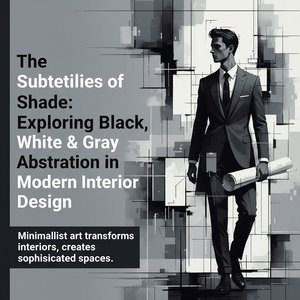
Монохромная магия интерьера: исследование роли чёрного, белого и серого в создании атмосферы современного пространства
Изучите силу монохромного дизайна! Экспертные советы по созданию элегантных интерьеров в черном, белом и сером цветах. Вдохновение, тренды и практические решения для вашего дома.