

 Предпросмотр
 Поделиться
 Поделиться
 Детали произведения

 Скачать
 Похожие работы
 Рентгенография
 Слайд-шоу
 Статистика
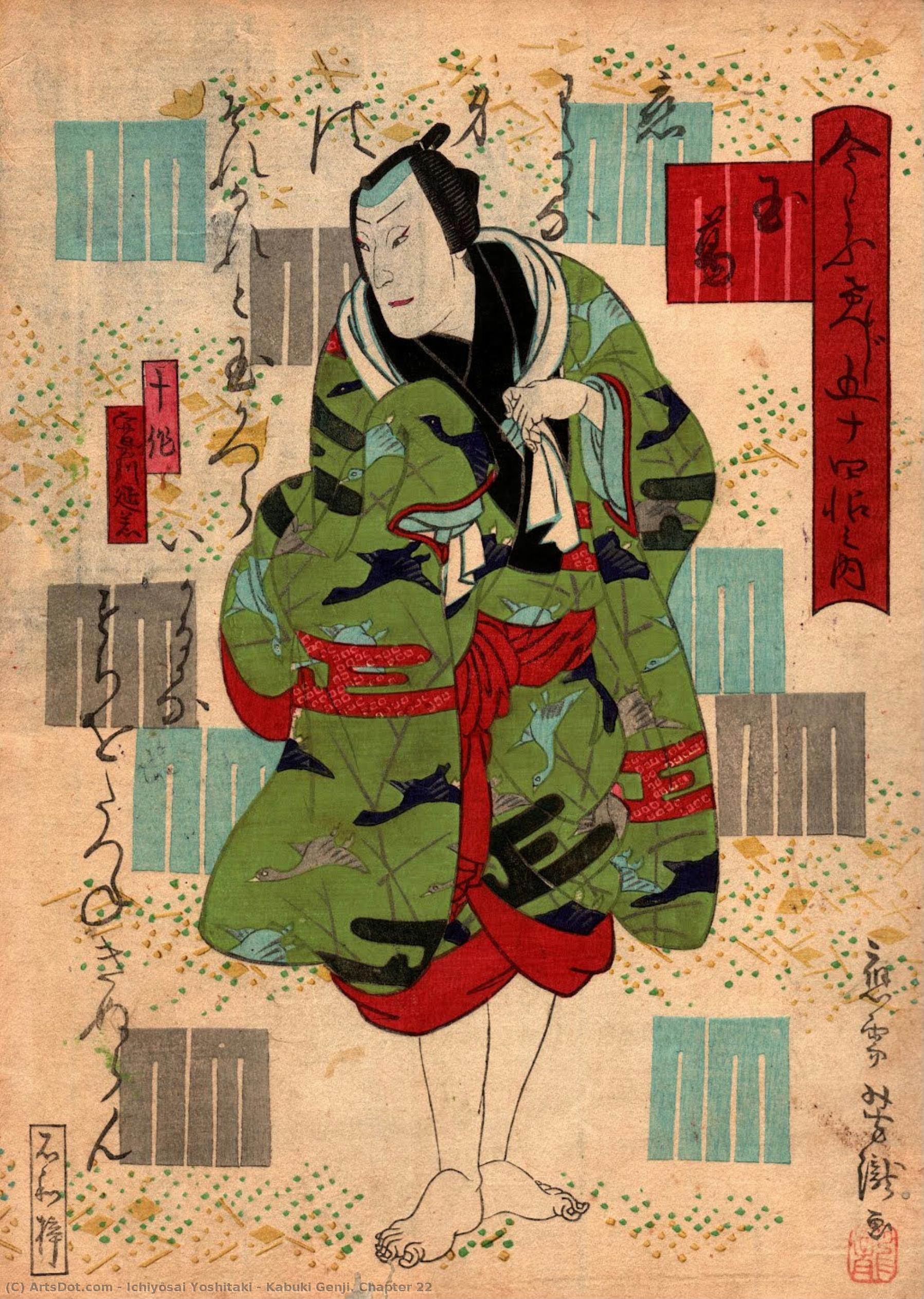
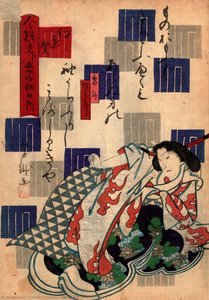
Kabuki Genji. Chapter 22
 Woodblock Print
- Ukiyo-e
 1860
1860- 19th Century
 26.0 x 19.0 cm
 Bujalance Collection
 Читать далее
Приобретите цифровое изображение высокого разрешения в улучшенном качестве, которое значительно превосходит онлайн-превью.
Каждый файл тщательно подготавливается нашими специалистами с использованием передовых инструментов и экспертной ручной ретуши. Мы гарантируем исключительную четкость, точную цветопередачу и детальную проработку каждого изображения.
Финальный файл доставляется по электронной почте в течение 72 часов и оптимизирован для немедленного использования в профессиональной среде, при верстке и печати. Это тот же уровень качества, которому доверяют ведущие дизайнерские студии, издательства и галереи.
Цифровое изображение
Скачайте файл высокого разрешения для личного использования, печати и творческих проектов. ( Перейти к печати Купить картину ручной работы)
Включено в каждый заказ цифровых изображений
Гарантия экспертной цифровой доставки
Выбирая ArtsDot.com, вы получаете не просто изображение — вы приобретаете профессионально обработанное цифровое произведение искусства, созданное с безупречной точностью и под защитой гарантии качества. Вот всё, что автоматически входит в ваш заказ:

Мгновенная доставка по e-mail
Ваш цифровой файл в высоком разрешении будет отправлен вам по электронной почте в течение 72 часов после оформления заказа — и сразу станет доступен для использования.

Цифровой файл с ИИ-улучшением
Ваше произведение искусства проходит профессиональную оптимизацию с использованием передовых инструментов ИИ и ручной обработки, что гарантирует максимальную детализацию, четкость и точность цветопередачи.

Бессрочная бесплатная повторная доставка
Случайно удалили или потеряли файл? Не беспокойтесь — мы отправим его вам повторно в любое время и совершенно бесплатно.

Без импортных пошлин — навсегда
Наслаждайтесь вашим произведением искусства мгновенно без таможенных пошлин, сборов или затрат на доставку — цифровые загрузки всегда не облагаются налогом.

Гарантия точности цветопередачи
Мы гарантируем, что ваше цифровое изображение максимально точно передает оригинальные цвета благодаря использованию профессиональных инструментов и систем управления цветом.

Гарантия удовлетворенности 100 дней
Если вы не будете удовлетворены своим цифровым изображением, мы внесем правки или вернем 100% стоимости в течение 100 дней — без лишних вопросов.

100% Гарантия возврата средств
Не удовлетворены покупкой? Получите полный возврат средств в течение 100 дней после получения цифрового файла — без лишних вопросов.

Скидки на оптовые заказы
Купите 3 изображения, сэкономьте 10% — Купите 5, сэкономьте 15% — Купите 10+, сэкономьте 20%. Отличное решение для творческих проектов, галерей и агентств.
A Theatrical Masterpiece: The Intersection of Literature and Stage
In the delicate dance between classical literature and the vibrant energy of the Kabuki stage, Ichiyōsai Yoshitaki captures a moment of profound cultural synthesis in his exquisite woodblock print, Kabuki Genji. Chapter 22. Created around 1860, this work belongs to a masterful series of fifty-four prints that weave together the legendary tales of the Genji monogatari—the masterpiece of Murasaki Shikibu—with the contemporary celebrity of the Kabuki theater. Through his skilled hands, the ephemeral world of the actor meets the eternal elegance of the Heian court, creating a visual dialogue that resonates with both historical depth and theatrical flair.
The composition is anchored by the subtle yet pervasive presence of the Genji-mon, the fifty-four geometric emblems associated with each chapter of the novel. In this specific rendition of Chapter 22, these rectilinear motifs repeat across the background, acting as a rhythmic, ornamental tapestry that reminds the viewer of the literary foundation upon which this theatrical performance is built. This layering of symbols transforms the print from a mere portrait into a complex intellectual puzzle, inviting the observer to decode the connections between the actor's persona and the noble character they embody.
The Artistry of Yakusha-e and the Mastery of Yoshitaki
As a preeminent designer of yakusha-e (actor prints) in the Kamigata region, Yoshitaki was celebrated for his ability to transcend mere caricature. While many artists of his era focused on exaggerated expressions, Yoshitaki’s technique leaned toward a striking realism. In this piece, one can observe the meticulous attention to the physical presence of the subject, capturing the true likeness, age, and nuanced facial features that defined the great performers of the late Edo period. The print showcases the intricate precision of the woodblock medium, where every fine line of the clothing and every delicate stroke of the hair contributes to a sense of lifelike vitality.
The visual narrative is further enriched by a breathtaking attention to detail in the attire and surrounding elements. The subject is draped in traditional garments, characterized by intricate patterns that suggest both luxury and movement. The presence of natural motifs—such as the graceful birds interspersed throughout the scene—adds a layer of seasonal symbolism and organic beauty, softening the structured geometry of the Genji emblems. This balance between the man-made precision of the emblems and the fluid grace of nature is a hallmark of Yoshitaki’s sophisticated aesthetic.
A Timeless Addition for Discerning Collectors
For the art enthusiast or interior designer, Kabuki Genji. Chapter 22 offers more than just historical interest; it provides a profound emotional and aesthetic anchor for any curated space. The print’s ability to evoke the atmosphere of a bygone era—one of ritual, drama, and refined beauty—makes it an ideal centerpiece for collections focused on Asian heritage or classical Japanese aesthetics. Its sophisticated palette and complex composition allow it to integrate seamlessly into modern settings, providing a window into the soul of Japan's theatrical golden age.
Owning a high-quality reproduction of this work allows one to preserve the legacy of Ichiyōsai Yoshitaki. Whether displayed as part of a gallery wall or as a standalone statement piece, the print invites continuous contemplation. It serves as a reminder of the enduring power of storytelling and the way art can bridge the gap between the written word and the living stage, making it an invaluable acquisition for those who seek to surround themselves with pieces that possess both historical gravity and unparalleled decorative elegance.
Похожие произведения
![[mitate] Actors In The Evening, Returning To The Dressing Room — Toyohara Kunichika, Ukiyo-e](/media/artworks/images-thumb/e3/f8/e3f80dd3372e57f69ae58e37c73e0518.jpg)
Биография художника
Ichiyosai Yoshitaki: The Maestro of Kabuki Portraits
Ichiyosai Yoshitaki (歌川 芳滝, April 13, 1841 – June 28, 1899), also known as Utagawa Yoshitaki, stands as a towering figure in the history of Japanese woodblock prints. Active primarily during the late Edo and early Meiji periods, he dedicated his life to capturing the dynamism and captivating presence of Kabuki actors—a pursuit that cemented his legacy as Osaka’s most prolific designer of *yakusha-e* (役者絵) for nearly four decades. His output, numbering over 1,200 distinct prints, offers an unparalleled visual record of a vibrant theatrical world, revealing not only the artistry of the actors themselves but also the social and cultural currents of his time. Yoshitaki’s origins were humble; born Nakai Tsunejirō in Shimizucho, Osaka, to a paste merchant father. At the tender age of twelve, he began his artistic apprenticeship under Utagawa Yoshiume (1819–1879), a respected printmaker who had previously studied under the renowned Utagawa Kuniyoshi. This early training instilled in him a foundational understanding of woodblock techniques and design principles, providing a crucial springboard for his future success. Crucially, Yoshitaki quickly surpassed his teacher, establishing himself as an independent artist by 1855, marking the beginning of a remarkable career defined by sheer volume and artistic refinement.Osaka’s Printmaking Powerhouse
Yoshitaki's rise to prominence was inextricably linked to Osaka’s thriving printmaking scene during the mid-19th century. Unlike Kyoto, which traditionally dominated Japanese art production, Osaka had emerged as a vibrant center for commercial printing, fueled by its bustling port and burgeoning merchant class. Yoshitaki skillfully capitalized on this environment, becoming the dominant designer of *yakusha-e* in Osaka from the 1860s through the 1880s. His workshop became a hub of activity, employing numerous carvers, printers, and binders – a testament to his considerable influence and demand for his work. He wasn’t merely producing prints; he was orchestrating an entire artistic ecosystem.A Symphony of Color and Form: Artistic Techniques
Yoshitaki's prints are characterized by their remarkable detail, vibrant colors, and dynamic compositions. He mastered the complex techniques of *nishiki-e* (錦絵), utilizing multiple woodblocks to achieve a full spectrum of hues – a significant advancement over earlier monochrome or limited-color prints. His skillful use of shading and perspective created an illusion of depth and movement, effectively capturing the theatricality of the Kabuki stage. He paid meticulous attention to costume design, meticulously recreating the elaborate robes and accessories worn by the actors, reflecting both their individual roles and the broader social status they represented. The influence of Kuniyoshi is evident in Yoshitaki’s bold outlines and dramatic lighting, but he developed a distinctly personal style characterized by a remarkable sensitivity to human expression.Subjects: The Stars of Kabuki
Yoshitaki's oeuvre is overwhelmingly dominated by portraits of Kabuki actors – *yakusha-e*. He depicted a vast array of performers, from established stars to rising talents, capturing their distinctive personalities and stage mannerisms. His subjects included legendary figures like Enjaku Jitsukawa I (as Saijō Takanori), Wagō Soga Homare no Fuji, and countless others. These prints weren’t simply representations; they were carefully constructed narratives, conveying not only the actors' appearances but also their roles, emotions, and relationships within the larger theatrical drama. His ability to capture a fleeting expression or a dramatic pose was truly remarkable, transforming static images into vibrant snapshots of a dynamic art form.Legacy and Historical Significance
Ichiyosai Yoshitaki’s prolific output provides an invaluable window into 19th-century Japanese society. His prints reflect the popularity of Kabuki theater, the rise of Osaka as a commercial center, and the evolving tastes of a rapidly changing nation. Beyond their artistic merit, his works offer insights into social hierarchies, fashion trends, and cultural values. Yoshitaki’s influence extended beyond his own lifetime; he trained numerous students who continued to produce *yakusha-e*, ensuring that his style and techniques remained influential for generations. Today, his prints are highly sought after by collectors worldwide, representing a crucial link in the chain of Japanese artistic heritage. They stand as a testament to one man’s dedication, skill, and profound understanding of the captivating world of Kabuki theater.
ichiyōsai yoshitaki
1841 - 1899 , Japan
Основные сведения
- Artistic Movement Or Style: Ukiyo-e
- Artists Or Movements Influenced By This Artist: ['Utagawa Kuniyoshi']
- Artists Who Influenced This Artist: ['Utagawa Yoshiume']
- Date Of Birth: April 13, 1841
- Date Of Death: June 28, 1899
- Full Name: Ichiyosai Yoshitaki
- Nationality: Japanese
- Notable Artworks:
- Kabuki Actors
- Kanadehon Chushingura
- Kabuki Genji
- Place Of Birth: Osaka, Japan