

 Поделиться
 Поделиться
 Детали произведения

 Скачать
 Похожие работы
 Слайд-шоу
 Статистика
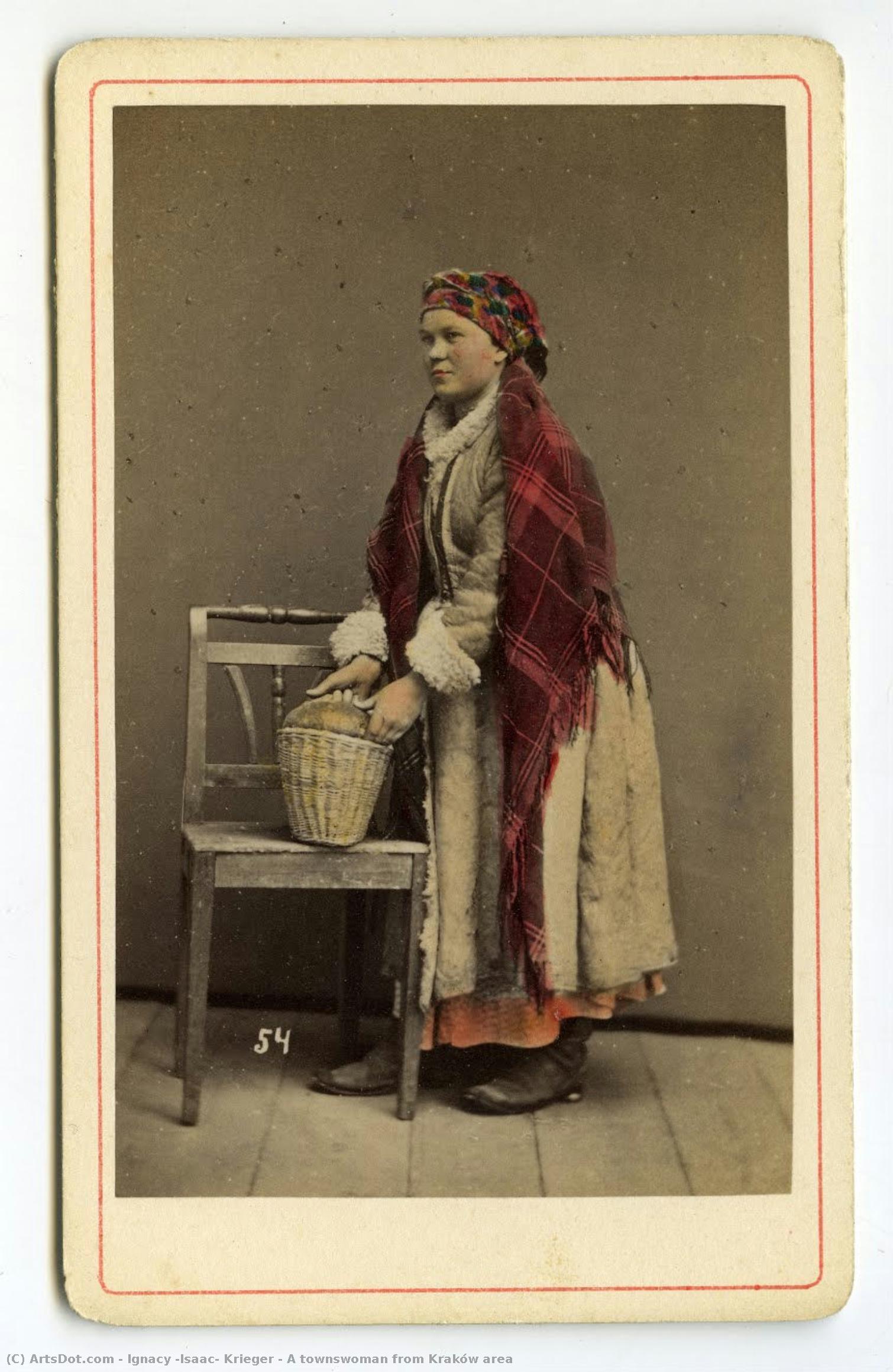
A townswoman from Kraków area
 Black and White Photography
- Photo
 1889
1889- 19th Century
 6.0 x 10.0 cm
 The State Ethnographic Museum in Warsaw
 Читать далее
Жикле / Арт-принт
Печать (жикле) или холст музейного качества с быстрыми сроками изготовления и широким выбором вариантов отделки. ( Купить картину ручной работы Перейти к цифровым изображениям)




































Выберите один из наших стандартных размеров, соответствующих оригинальным пропорциям произведения искусства.

Вы можете указать свои собственные размеры, чтобы репродукция идеально подошла под конкретную раму или пространство. Если выбранный вами размер не будет соответствовать пропорциям оригинала, мы либо обрежем произведение, либо дополним изображение зеркальным отражением краев или однотонной заливкой. Перед началом производства вам будет отправлен цифровой макет для утверждения.
Пожалуйста, обратите внимание, что предварительный просмотр на экране не отображает фактическую обрезку или расширение изображения. Только макет точно покажет финальную композицию.
Несмотря на возможность заказа индивидуальных размеров, мы рекомендуем выбирать размер из предопределенного списка, чтобы сохранить оригинальные пропорции.
Доставка по всему миру () за 2 недели вместо стандартных 4/5 недель. (12 Сентябрь)

Бесплатная экспресс-доставка по всему миру

Высококачественный льняной холст

Полное страхование доставки

Гарантия возмещения таможенных пошлин

Гарантия точного соответствия цветов

100-дневная политика возврата (только при обнаружении дефектов)

Гарантия возврата 100% средств

Предложение оптовых скидок
 Вариант со стеклом доступен только для размеров менее 110 см

A townswoman from Kraków area
Жикле / Арт-принт
Размер репродукции
-


Итоговая стоимость
$ 62
A Glimpse into the Soul of Kraków
In this evocative monochrome photograph from 1889, we are transported back to the late nineteenth century, standing alongside a townswoman from the Kraków area. The image, captured by the pioneering Polish photographer Ignacy (Isaac) Krieger, serves as more than just a visual record; it is a poignant window into a bygone era of Polish heritage. The subject stands with a quiet, dignified presence next to a chair adorned with a wicker basket, her form anchored in a composition that feels both intimate and timeless. A subtle splash of color—the memory of a red scarf around her neck—is suggested even through the silver tones of the medium, adding a layer of warmth to the stark, beautiful contrast of the black and white print.
The photograph captures a moment of stillness amidst the movement of life. While the woman remains the central focus, the presence of figures in the background hints at the bustling social fabric of the Kraków region during this period. The chair, occupying a significant portion of the lower frame, acts as a structural element that grounds the composition, leading the eye from the textured wicker to the soft features of the subject. This careful arrangement creates a sense of depth and narrative, inviting the viewer to wonder about the woman's story, her daily labors, and the world she inhabited.
The Mastery of Ignacy Krieger
To appreciate this work is to appreciate the technical prowess of Ignacy Krieger, a true visionary of early Polish photography. Establishing his studio in Kraków in 1860, Krieger was instrumental in elevating photography from a mere scientific curiosity to a respected art form. His ability to manipulate light and shadow allowed him to capture not just faces, but characters. In this specific piece, the delicate interplay of light on the textures of the wicker basket and the fabric of the woman's clothing demonstrates his mastery over the photographic medium of his time.
Krieger’s work is characterized by an extraordinary attention to detail, a skill he also applied to his famous medallions and architectural studies. In this portrait, that precision allows us to feel the tactile reality of the scene. For collectors and lovers of historical art, this photograph represents a rare intersection of documentary importance and aesthetic beauty. It is a piece that carries the weight of history, preserved through the lens of a man who sought to immortalize the essence of Kraków’s inhabitants and its enduring monuments.
An Elegant Addition to Modern Interiors
For the discerning interior designer or art collector, a high-quality reproduction of this photograph offers a sophisticated way to introduce historical depth into a contemporary space. The monochromatic palette is inherently versatile, blending seamlessly with minimalist, industrial, or classic decor styles. It serves as a conversation piece that evokes nostalgia and intellectual curiosity, providing a sense of "soul" to a room that modern mass-produced art often lacks.
Displaying this work in a curated gallery wall or as a standalone focal point can transform an atmosphere, lending an air of academic elegance and cultural richness. It is an ideal choice for those who seek to surround themselves with pieces that tell a story—art that does not merely decorate a wall but invites the viewer to step through time and connect with the enduring spirit of Poland's artistic legacy.
Похожие произведения

Биография художника
a pioneer in polish photography
ignacy (isaac) krieger, a polish photographer, left an indelible mark on the world of photography. born in wadowice, poland, between 1817 or 1820, krieger's life is a testament to his innovative spirit and artistic vision.early life and photographic studio
krieger established his photographic studio in kraków in 1860, a period that saw the burgeoning of photography as an art form. this move not only positioned him at the forefront of the polish photography scene but also allowed him to capture the essence of kraków and its monuments.photographic contributions
- portraits: krieger's portraits are a window into the lives of kraków's inhabitants, offering a glimpse of their stories and emotions.
- medallions: his medallion photography showcases his technical prowess, capturing intricate details with precision.
- landscape views and photos of buildings: krieger's landscape and architectural photography highlights his ability to balance aesthetics with documentary intent.
technique and legacy
initially, krieger employed the collodion technique, later transitioning to bromo-gelatin after the mid-1880s. this adaptability not only reflects his dedication to his craft but also underscores his influence on the evolution of photography in poland. notable works:- the last judgment (triptych) by hans memling, a masterpiece that, although not directly attributed to krieger, showcases the photographic and artistic landscape of his time. /en/art/show/the-last-judgment/ last judgment (triptych) on ArtsDot.com)
- discovering the masterpieces of muzeum narodowe poland, a collection that, while not exclusively krieger's, offers a broader context to his photographic contributions. [https://ArtsDot.com/@@/d3ap6t](muzeum narodowe poland on ArtsDot.com)
conclusion
ignacy (isaac) krieger's legacy is a blend of artistic expression and technical innovation, making him a pivotal figure in polish photography. his work, though rooted in the 19th century, continues to inspire photographers and artists alike, offering a unique perspective on the city of kraków and its people.- view krieger's photographic studio in kraków through the lens of his contemporaries: [https://ArtsDot.com/@/ignacy-(isaac)-krieger](ignacy (isaac) krieger on ArtsDot.com)
- explore more about muzeum narodowe poland and its significance in polish art history: [https://ArtsDot.com/@@/d3ap6t](muzeum narodowe poland on ArtsDot.com)
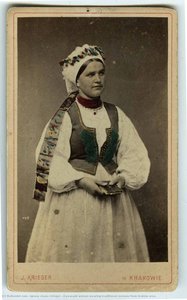
ignacy (isaac) krieger
1817 - 1889 , Poland
Основные сведения
- Artistic Movement Or Style: Photography pioneer
- Artists Or Movements Influenced By This Artist: ['Photography evolution']
- Artists Who Influenced This Artist: ['']
- Date Of Birth: 1817-1820 (approx.)
- Date Of Death: 1889
- Full Name: Ignacy (Isaac) Krieger
- Nationality: Polish
- Notable Artworks:
- The Last Judgment (Triptych)
- Old Town Hall in Kazimierz
- Men wearing traditional costumes
- Place Of Birth: Wadowice, Poland
Похожие статьи

Monochrome Visions: Exploring the Aesthetic & Historical Significance of Black & White Photography
Explore the rich history & artistic power of black and white photography. From early techniques to iconic masters like Ansel Adams, discover why monochrome continues to captivate art lovers today. Expert insights for collectors.

Белые шедевры: 10 знаменитых картин, покоривших мир (репродукции, декор)
Откройте для себя 10 знаменитых картин, где белый цвет – главный герой! Моне, Дега и другие мастера. История искусства, техники живописи и вдохновение для вашего интерьера. Репродукции высокого качества на ArtsDot.com
Монохромная элегия: Превратите личные воспоминания в вечные произведения искусства.
Превратите ваши личные фотографии в элегантные монохромные произведения искусства! ArtsDot – эксперты в создании репродукций и портретов на заказ. Доверьтесь мастерству наших художников и создайте вечное наследие для вашего дома.

Топ-10 знаменитых картин в черных тонах: шедевры искусства для вашего интерьера
Погрузитесь в мир темных шедевров! Топ-10 знаменитых картин в черных тонах от Гойи, Рембрандта и Мунка. История искусства, техники живописи и вдохновение для вашего интерьера. Купите репродукции высокого качества на ArtsDot.com

Топ-10 шедевров XIX века: искусство, история и декор от ArtsDot.com
Погрузитесь в мир искусства XIX века! От реализма до импрессионизма – 10 величайших картин, истории художников и вдохновение для вашего интерьера. Репродукции высокого качества на ArtsDot.com. Откройте всю коллекцию онлайн!