

 Предпросмотр
 Поделиться
 Поделиться
 Детали произведения

 Скачать
 Похожие работы
 Рентгенография
 Слайд-шоу
 Статистика
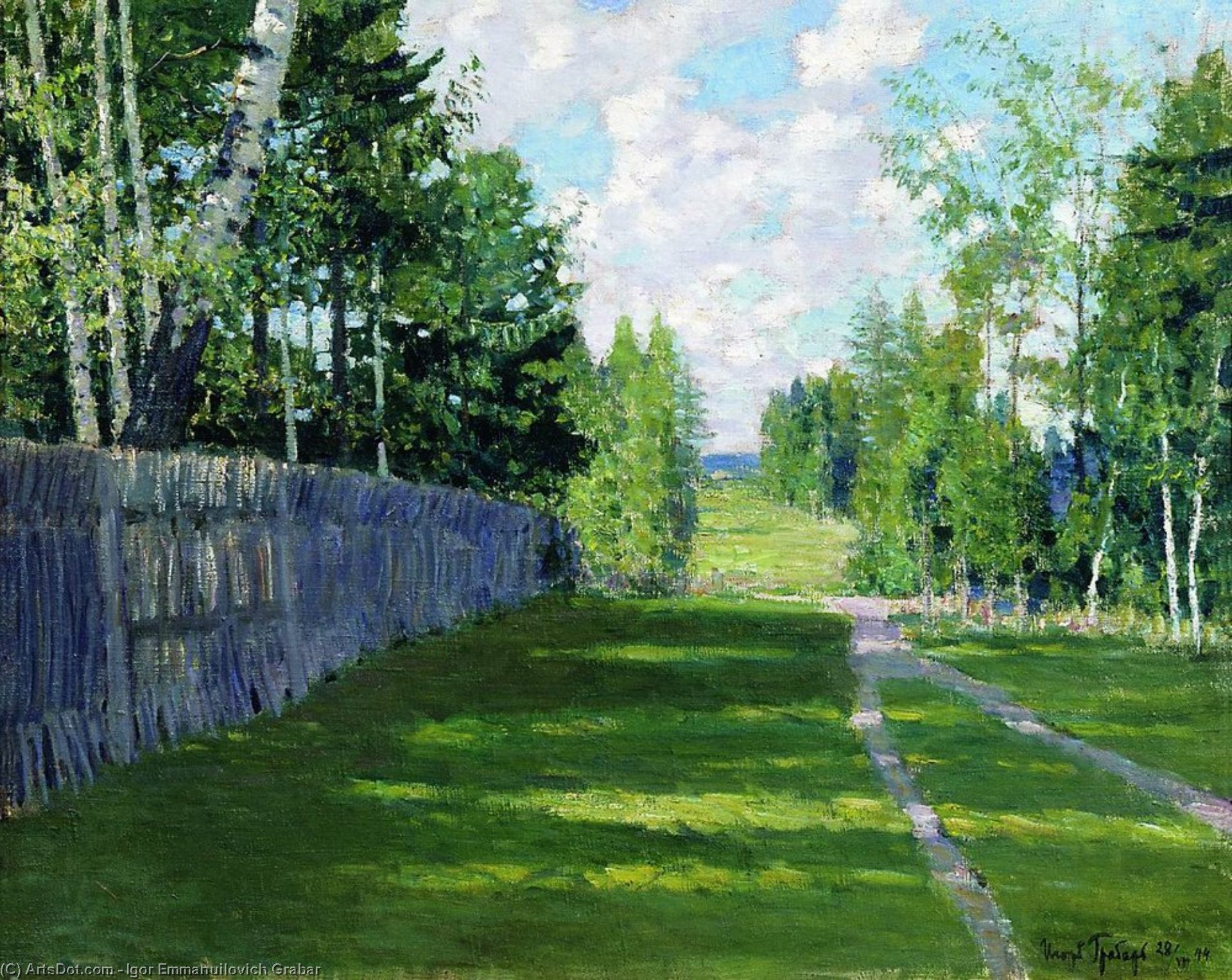
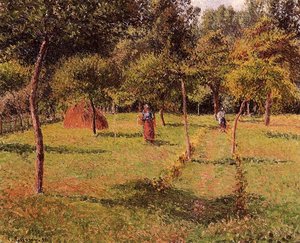
Abramtsevo. Wattle
 Oil On Canvas
- WallArt
- Post-Impressionism
 1944
1944- Modern
 64.0 x 80.0 cm
 Читать далее
Жикле / Арт-принт
Печать (жикле) или холст музейного качества с быстрыми сроками изготовления и широким выбором вариантов отделки. ( Купить картину ручной работы Перейти к цифровым изображениям)




P118B $10

P118H $10

P118W $10

P438Z $10

P508JH $12

P508YH $12

P805H $10

P805Z $10

P919BZ $10

P919G $10

P919XJ $10

P959ZH $10

P968JZ $12

W106C $8

W218G $10

W218JH $8

W218Y $10

W307PJ $10

W316G $10

W316PJ $8

W316Y $10

W398PJ $8

W4111J $10

W500HY $15

W500JH $15

W692G $12

W849H $8

W940BG $15

W953PJ $8




Выберите один из наших стандартных размеров, соответствующих оригинальным пропорциям произведения искусства.

Вы можете указать свои собственные размеры, чтобы репродукция идеально подошла под конкретную раму или пространство. Если выбранный вами размер не будет соответствовать пропорциям оригинала, мы либо обрежем произведение, либо дополним изображение зеркальным отражением краев или однотонной заливкой. Перед началом производства вам будет отправлен цифровой макет для утверждения.
Пожалуйста, обратите внимание, что предварительный просмотр на экране не отображает фактическую обрезку или расширение изображения. Только макет точно покажет финальную композицию.
Несмотря на возможность заказа индивидуальных размеров, мы рекомендуем выбирать размер из предопределенного списка, чтобы сохранить оригинальные пропорции.
Доставка по всему миру () за 2 недели вместо стандартных 4/5 недель. (11 Сентябрь)

Бесплатная экспресс-доставка по всему миру

Высококачественный льняной холст

Полное страхование доставки

Гарантия возмещения таможенных пошлин

Гарантия точного соответствия цветов

100-дневная политика возврата (только при обнаружении дефектов)

Гарантия возврата 100% средств

Предложение оптовых скидок
 Вариант со стеклом доступен только для размеров менее 110 см

Abramtsevo. Wattle
Жикле / Арт-принт
Размер репродукции
-


Итоговая стоимость
$ 62
A Serene Encounter with Nature: The Essence of Abramtsevo
In the quietude of 1944, amidst the shifting tides of history, Igor Emmanuilovich Grabar captured a moment of profound stillness in his masterpiece, Abramtsevo. Wattle. This evocative landscape serves as more than just a depiction of a Russian countryside; it is an invitation into a world where time seems to suspend itself. The scene unfolds across a lush, grassy field, where the gentle textures of nature are framed by a rustic wooden fence and a winding dirt road that beckons the viewer to wander deeper into the composition. As sunlight bathes the landscape, the interplay between the verdant meadow and the distant, soft-edged trees creates a sense of infinite peace. The presence of two solitary figures, positioned thoughtfully within the expanse, breathes life into the scenery, suggesting a quiet human connection to the earth that resonates deeply with anyone seeking solace in the natural world.
The technical brilliance of Grabar is on full display in this work, showcasing his mastery of light and atmosphere. A student of the legendary Ilya Repin and Anton Ažbe, Grabar brought a sophisticated understanding of color theory to his canvas. In Abramtsevo. Wattle, one can observe his signature ability to manipulate light and shadow to create palpable depth and texture. His brushwork, which often flirted with divisionism and pointillism, allows the sunlight to appear as if it is vibrating upon the blades of grass and the rough grain of the wooden wattle. This meticulous application of paint ensures that the painting is not merely a flat image, but a tactile experience where the warmth of a sunny day can almost be felt against the skin.
A Legacy of Color and Light
For the discerning collector or interior designer, this piece offers an unparalleled opportunity to introduce a sense of historical prestige and tranquil elegance into a living space. Grabar’s background as a restorer and art historian informs every stroke of his brush, lending the work an academic weight that is balanced by its sheer aesthetic beauty. The painting sits at a fascinating intersection of Socialist Realism and Post-Impressionism, providing a complex visual narrative that rewards prolonged contemplation. Whether placed in a sun-drenched morning room or a sophisticated study, a high-quality reproduction of this work acts as a window into the soul of the Russian landscape.
Owning a piece inspired by Grabar’s vision means embracing a legacy of light. The composition's balance—the way the road leads the eye toward the horizon and how the figures anchor the vastness of the field—makes it a versatile centerpiece for any curated collection. It is an artwork that does not shout, but rather whispers of enduring beauty, making it an ideal choice for those looking to create an atmosphere of refined, timeless serenity in their homes or galleries.
Похожие произведения
![Поле С Подсолнухами [1889] (pole S Podsolnukhami [1889]) — Vincent Willem Van Gogh, Post-impressionism](/media/artworks/images-thumb/77/71/7771a95906cf1b4b7935dd57ec0448e9.jpg)

Биография художника
Early Life and Education
Igor Emmanuilovich Grabar (1871 – 1960) was a Russian Post-Impressionist painter, publisher, restorer and historian of art. Grabar, descendant of a wealthy Rusyn family, was born in Budapest (then the Austro-Hungarian Empire, now Hungary) on March 25, 1871. His parents, and grand-parents, were active participants of the Slav liberation movement and were persecuted by the government. The little boy saw his parents very rarely. In 1876 his father had to flee to Russia; his wife and the boy follow in 1880. In 1882, after graduating from a gymnasium in the provincial town of Egorievsk, Grabar studied at the Moscow Lyceum, where, along with academic studies he learnt painting, studied art, visited galleries and exhibitions and made acquaintances with artists, art patrons and critics. His classmates and teachers in the Lyceum served as models for his first paintings; he was also fond of landscapes. In 1889, he entered the Saint Petersburg University, where he majored simultaneously in two subjects – jurisprudence and philology. He had to work to earn his living and he did so by writing humorous short stories for magazines and dr. His interest in drawing was sparked by the stream of magazine publications following the 1881 murder of Alexander II of Russia. He later enrolled in Mikhail Katkov's boarding school in Moscow, making contacts with students from the Moscow School of Painting, Sculpture, and Architecture.Artistic Career and Notable Works
Grabar trained under Ilya Repin in Saint Petersburg and Anton Àžbe in Munich. He reached his peak in painting between 1903–1907, notable for a peculiar divisionist technique bordering on pointillism and his rendition of snow. Some of his notable works include:- Landscape with a haystack
- The Embroideress
- Going to work
Museum and Art Restoration
In 1913, Grabar was appointed executive director of the Tretyakov Gallery in Moscow. He undertook an ambitious reform program that continued until 1926. Grabar diversified the Tretyakov collection into modern art and in 1917 published its first comprehensive catalogue. As a professor of art restoration at Moscow State University (1921), he played a crucial role in establishing Soviet art education and promoting the preservation of cultural heritage. Notable Museums Featuring Grabar’s Work:- Novokuznetsk Art Museum
- Tretyakov Gallery
- Museo Kharkov Museum of Art
Legacy and Later Life
Grabar remained at the top of the Soviet art establishment until his death on May 16, 1960. He managed art-restoration workshops (present-day Grabar Centre) during 1918–1930 and from 1944 to 1960. His work continued to inspire artists and scholars alike, cementing his place as one of Russia’s most influential figures in the realm of artistic expression and cultural preservation. He took active part in redistribution of former church art nationalized by the Bolsheviks and established new museums for the confiscated treasures. In 1943, he formulated the Soviet doctrine of compensating World War II losses with art looted in Germany. After the war, he personally advised Joseph Stalin on the preservation of architectural heritage.References:
igor grabar - wikipedia igor emmanuilovich grabar - ArtsDot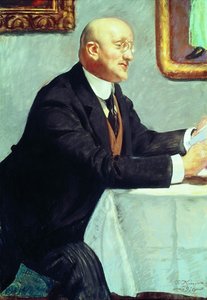
igor emmanuilovich grabar
1871 - 1960 , Венгрия
Основные сведения
- Artistic Movement Or Style: Постимпрессионизм
- Artists Who Influenced This Artist:
- Илья Репин
- Антон Àžбе
- Date Of Birth: 25 марта 1871 г.
- Date Of Death: 16 мая 1960 г.
- Full Name: Игорь Эммануилович Грабар
- Nationality: Русский
- Notable Artworks:
- Ландшафт с сеном
- Эмильсионка
- Иду на работу
- Place Of Birth: Будапешт, Венгрия
Похожие статьи
Chromatic Atmospheres: Exploring the Evolution & Impact of Color Field Painting
Explore the captivating world of Color Field painting! Discover its origins, key artists like Rothko & Newman, philosophical depth, and lasting influence on modern art. Expert insights for collectors.
Chromatic Atmospheres: Exploring the Philosophical Foundations of Color Field Painting
Explore the philosophical and aesthetic foundations of Color Field painting with ArtsDot. Discover key artists like Rothko & Newman, its spiritual influences, and lasting impact on modern art. Expert insights for collectors.
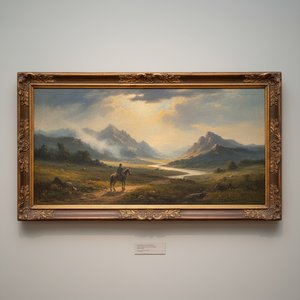
Anthony Vandyke Copley Fielding: Rediscovering a Master of Romantic Landscape
Discover the captivating landscapes of Anthony Vandyke Copley Fielding, a master of Romantic watercolour painting. Explore his life, technique, and legacy with ArtsDot – your source for museum-quality art reproductions & expert appraisal.
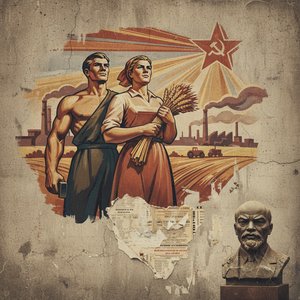
Socialist Realism: Ideology, Aesthetics & Enduring Legacy of Soviet Art
Explore the fascinating world of Socialist Realism! Discover its historical context, key artists like Deyneka & Brodsky, defining aesthetics, and lasting impact on Soviet culture. A comprehensive guide for art lovers.
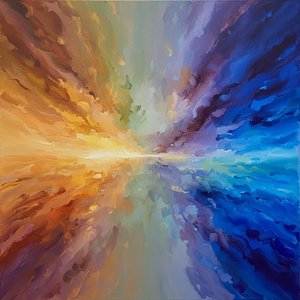
Chromatic Atmospheres: Exploring the Subtleties of Color Field Painting's Emotional Resonance
Explore the profound world of Color Field painting with ArtsDot. Discover key artists like Rothko & Newman, its philosophical roots, and lasting impact on modern art. Expert insights for collectors.