

 Предпросмотр
 Поделиться
 Поделиться
 Детали произведения

 Скачать
 Похожие работы
 Рентгенография
 Слайд-шоу
 Статистика
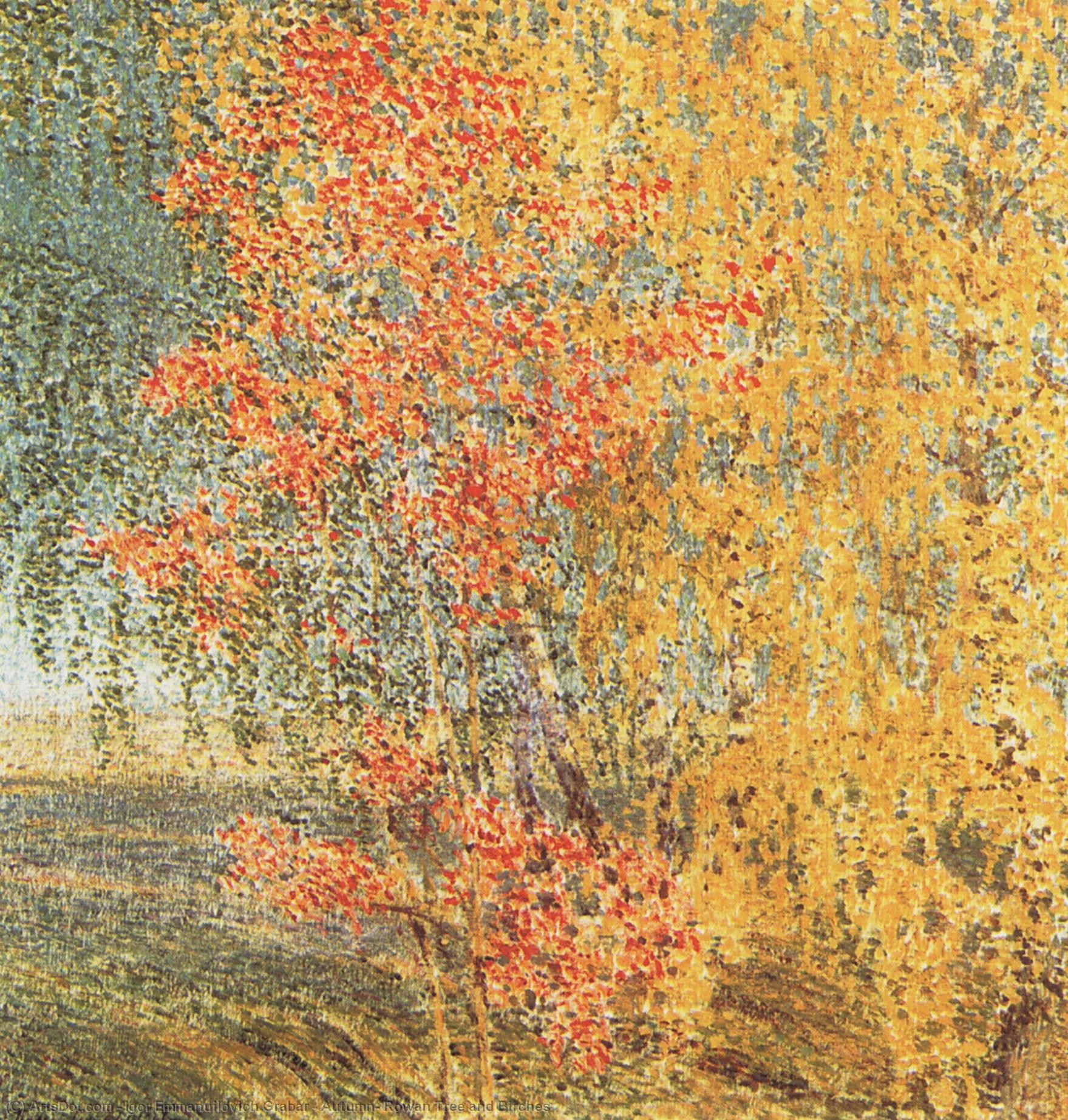
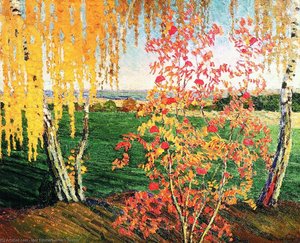
Autumn, Rowan Tree and Birches
 Oil On Canvas
- WallArt
- Post-Impressionism
 1906
1906- 19th Century
 81.0 x 81.0 cm
 Читать далее
Масляная репродукция ручной работы
Картина маслом на холсте в выбранном вами размере и раме, написанная на заказ нашими художниками. ( Перейти к печати Перейти к цифровым изображениям)




P118B $10

P118H $10

P118W $10

P438Z $10

P508JH $12

P508YH $12

P805H $10

P805Z $10

P919BZ $10

P919G $10

P919XJ $10

P959ZH $10

P968JZ $12

W106C $8

W218G $10

W218JH $8

W218Y $10

W307PJ $10

W316G $10

W316PJ $8

W316Y $10

W398PJ $8

W4111J $10

W500HY $15

W500JH $15

W692G $12

W849H $8

W940BG $15

W953PJ $8




Выберите один из наших стандартных размеров, соответствующих оригинальным пропорциям произведения искусства.

Вы можете указать собственные размеры, чтобы картина идеально вписалась в выбранную раму или пространство. Если выбранный вами размер не соответствует пропорциям оригинала, мы либо обрежем полотно, либо расширим его за счет дополнительных элементов, написанных вручную. Цифровой макет будет отправлен вам на утверждение перед началом производства.
Обратите внимание, что предварительный просмотр на экране не отражает фактическую обрезку или расширение. Только макет точно покажет окончательную композицию.
Хотя доступны индивидуальные размеры, мы рекомендуем выбирать вариант из предопределенного списка, чтобы сохранить исходные пропорции.
После оформления заказа команда ArtsDot.com свяжется с клиентом по электронной почте для уточнения деталей и предоставит предварительный макет
Доставка по всему миру () за 3–4 недели вместо стандартных 5 недель. (11 Сентябрь). Без компромиссов в качестве.

Бесплатная экспресс-доставка по всему миру

Высококачественный льняной холст

Полное страхование доставки

Гарантия возмещения таможенных пошлин

Гарантия точного соответствия цветов

100-дневная политика возврата (только при обнаружении дефектов)

Гарантия возврата 100% средств

Предложение оптовых скидок
 Вариант со стеклом доступен только для размеров менее 110 см

Autumn, Rowan Tree and Birches
Техника репродукции
Размер репродукции
-


Итоговая стоимость
$ 263
The Golden Embrace of Autumnal Splendor
To gaze upon Autumn, Rowan Tree and Birches is to step directly into a moment suspended between vibrant life and gentle repose. This painting captures the breathtaking climax of the year's cycle, where nature performs its most spectacular, fiery farewell before the slumber of winter. The composition centers around a magnificent tree, whose foliage erupts in a passionate display of crimson and scarlet—the unmistakable signature of autumn’s peak. These rich red leaves do not merely rest; they seem to glow from within, set against a luminous, almost ethereal yellow background that speaks of late-season sunlight filtering through the air.
A Study in Light and Color
The technical mastery evident in this piece is immediately apparent. Executed in oil on canvas, the artist has employed a palette so rich and nuanced it feels almost tactile. While the reds dominate the narrative, the inclusion of pockets of lingering green foliage adds a vital counterpoint, suggesting resilience and the promise of return. The contrast between the warm, saturated tones of the autumn canopy and the softer yellows of the surrounding field creates an incredible depth. It is a celebration of color theory translated into natural splendor, inviting the viewer to lose themselves in its chromatic harmony.
Historical Echoes and Artistic Hand
Created in 1906, this work situates itself within a period where Post-Impressionism continued to explore the emotional resonance found in everyday nature. The artist, Igor Emmanuilovich Grabar, whose deep knowledge spanned art history and restoration, channeled that observational skill into capturing not just a scene, but a feeling—the profound melancholy mixed with gratitude inherent in seasonal change. His technique allows the vibrant energy of Impressionism to coexist with a more structured, almost symbolic arrangement, giving the piece both immediacy and timeless dignity.
Symbolism of Transition
Beyond its sheer beauty, Autumn, Rowan Tree and Birches resonates deeply with universal symbolism. The changing leaves are perennial metaphors for transition itself—the necessary letting go that precedes renewal. The rowan tree, often associated with protection and vitality in folklore, anchors the piece with a sense of enduring strength amidst the seasonal flux. It speaks to the cyclical nature of life, reminding us that endings are merely preparations for magnificent beginnings.
Bringing Nature's Soul Indoors
For the collector or designer seeking an anchor of warmth and contemplation for their space, this reproduction offers more than mere decoration; it offers a captured mood. Imagine this piece gracing a gallery wall or lending its autumnal glow to a richly decorated room. It is a vibrant focal point that whispers tales of Russian artistic heritage while speaking a universal language of natural beauty. Owning this artwork means inviting the breathtaking, transient glory of an autumn day into your permanent sanctuary.
Похожие произведения
Биография художника
Early Life and Education
Igor Emmanuilovich Grabar (1871 – 1960) was a Russian Post-Impressionist painter, publisher, restorer and historian of art. Grabar, descendant of a wealthy Rusyn family, was born in Budapest (then the Austro-Hungarian Empire, now Hungary) on March 25, 1871. His parents, and grand-parents, were active participants of the Slav liberation movement and were persecuted by the government. The little boy saw his parents very rarely. In 1876 his father had to flee to Russia; his wife and the boy follow in 1880. In 1882, after graduating from a gymnasium in the provincial town of Egorievsk, Grabar studied at the Moscow Lyceum, where, along with academic studies he learnt painting, studied art, visited galleries and exhibitions and made acquaintances with artists, art patrons and critics. His classmates and teachers in the Lyceum served as models for his first paintings; he was also fond of landscapes. In 1889, he entered the Saint Petersburg University, where he majored simultaneously in two subjects – jurisprudence and philology. He had to work to earn his living and he did so by writing humorous short stories for magazines and dr. His interest in drawing was sparked by the stream of magazine publications following the 1881 murder of Alexander II of Russia. He later enrolled in Mikhail Katkov's boarding school in Moscow, making contacts with students from the Moscow School of Painting, Sculpture, and Architecture.Artistic Career and Notable Works
Grabar trained under Ilya Repin in Saint Petersburg and Anton Àžbe in Munich. He reached his peak in painting between 1903–1907, notable for a peculiar divisionist technique bordering on pointillism and his rendition of snow. Some of his notable works include:- Landscape with a haystack
- The Embroideress
- Going to work
Museum and Art Restoration
In 1913, Grabar was appointed executive director of the Tretyakov Gallery in Moscow. He undertook an ambitious reform program that continued until 1926. Grabar diversified the Tretyakov collection into modern art and in 1917 published its first comprehensive catalogue. As a professor of art restoration at Moscow State University (1921), he played a crucial role in establishing Soviet art education and promoting the preservation of cultural heritage. Notable Museums Featuring Grabar’s Work:- Novokuznetsk Art Museum
- Tretyakov Gallery
- Museo Kharkov Museum of Art
Legacy and Later Life
Grabar remained at the top of the Soviet art establishment until his death on May 16, 1960. He managed art-restoration workshops (present-day Grabar Centre) during 1918–1930 and from 1944 to 1960. His work continued to inspire artists and scholars alike, cementing his place as one of Russia’s most influential figures in the realm of artistic expression and cultural preservation. He took active part in redistribution of former church art nationalized by the Bolsheviks and established new museums for the confiscated treasures. In 1943, he formulated the Soviet doctrine of compensating World War II losses with art looted in Germany. After the war, he personally advised Joseph Stalin on the preservation of architectural heritage.References:
igor grabar - wikipedia igor emmanuilovich grabar - ArtsDot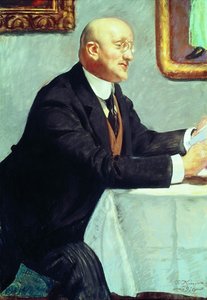
igor emmanuilovich grabar
1871 - 1960 , Венгрия
Основные сведения
- Artistic Movement Or Style: Постимпрессионизм
- Artists Who Influenced This Artist:
- Илья Репин
- Антон Àžбе
- Date Of Birth: 25 марта 1871 г.
- Date Of Death: 16 мая 1960 г.
- Full Name: Игорь Эммануилович Грабар
- Nationality: Русский
- Notable Artworks:
- Ландшафт с сеном
- Эмильсионка
- Иду на работу
- Place Of Birth: Будапешт, Венгрия
Похожие статьи
Evocations of Place: A Historical Journey Through Landscape Art
Explore the rich history of landscape art with ArtsDot. Discover renowned artists, movements like Impressionism & tonalism, and expert guidance for collecting timeless pieces. Find your perfect serene escape today!

Evocations of Place: A Historical Journey Through Landscape Art
Explore the rich history of landscape art with ArtsDot. Discover renowned artists, movements like Impressionism & Romanticism, and expert guidance for collecting timeless pieces. Find your perfect serene escape today!

25 Шедевров Поля Сезанна: Открывая Новую Эру в Искусстве | ArtsDot
Откройте для себя 25 величайших шедевров Поля Сезанна! Узнайте истории создания картин импрессионизма и постимпрессионизма, технику художника и вдохновение для вашего интерьера. Репродукции картин Сезанна высокого качества на ArtsDot.com.
Vasily Polenov: A Pioneer of Landscape Impressionism & Russian National Identity
Explore the captivating landscapes of Vasily Polenov, a pivotal figure in Russian art history. Discover his lyrical realism, biblical series & influence on Impressionism. Learn about the 'Knight of Beauty' and his enduring legacy.

Романтический пейзаж: 10 шедевров, изменивших искусство | ArtsDot.com
Погрузитесь в мир романтического пейзажа! 10 шедевров Фридриха, Тёрнера и других гениев. Узнайте историю создания культовых картин и вдохновитесь для декора интерьера. Репродукции высокого качества на ArtsDot.com.