

 Предпросмотр
 Поделиться
 Поделиться
 Детали произведения

 Скачать
 Похожие работы
 Рентгенография
 Слайд-шоу
 Статистика
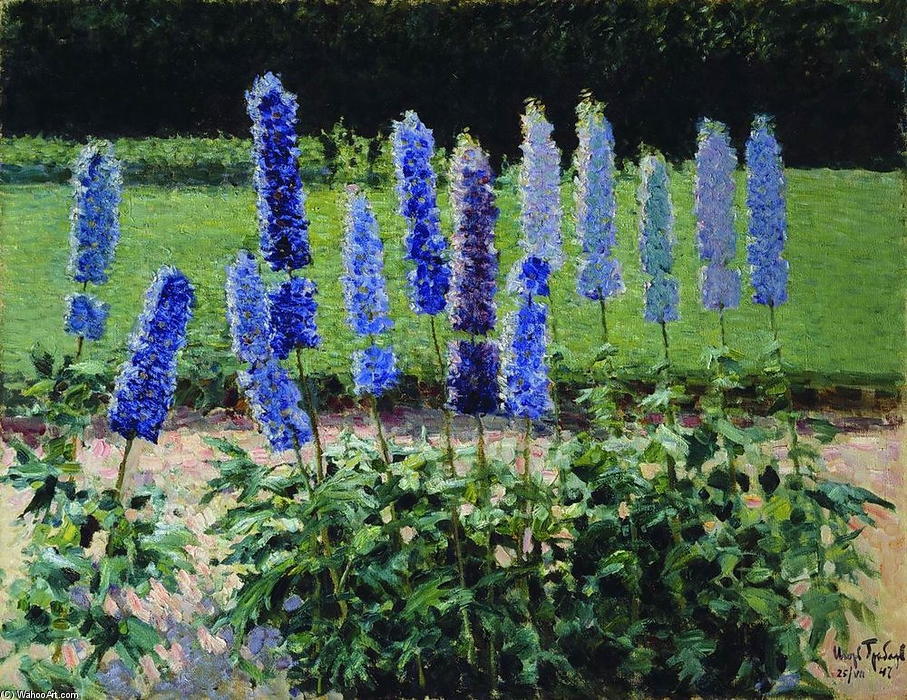
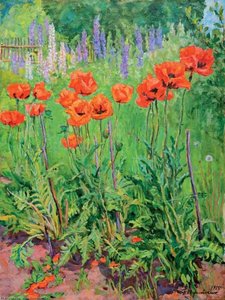
In the Garden. Delphiniums
 Socialist Realism
 1947
1947 79.0 x 102.0 cm
 Читать далее
Приобретите цифровое изображение высокого разрешения в улучшенном качестве, которое значительно превосходит онлайн-превью.
Каждый файл тщательно подготавливается нашими специалистами с использованием передовых инструментов и экспертной ручной ретуши. Мы гарантируем исключительную четкость, точную цветопередачу и детальную проработку каждого изображения.
Финальный файл доставляется по электронной почте в течение 72 часов и оптимизирован для немедленного использования в профессиональной среде, при верстке и печати. Это тот же уровень качества, которому доверяют ведущие дизайнерские студии, издательства и галереи.
Цифровое изображение
Скачайте файл высокого разрешения для личного использования, печати и творческих проектов. ( Перейти к печати Купить картину ручной работы)
Включено в каждый заказ цифровых изображений
Гарантия экспертной цифровой доставки
Выбирая ArtsDot.com, вы получаете не просто изображение — вы приобретаете профессионально обработанное цифровое произведение искусства, созданное с безупречной точностью и под защитой гарантии качества. Вот всё, что автоматически входит в ваш заказ:

Мгновенная доставка по e-mail
Ваш цифровой файл в высоком разрешении будет отправлен вам по электронной почте в течение 72 часов после оформления заказа — и сразу станет доступен для использования.

Цифровой файл с ИИ-улучшением
Ваше произведение искусства проходит профессиональную оптимизацию с использованием передовых инструментов ИИ и ручной обработки, что гарантирует максимальную детализацию, четкость и точность цветопередачи.

Бессрочная бесплатная повторная доставка
Случайно удалили или потеряли файл? Не беспокойтесь — мы отправим его вам повторно в любое время и совершенно бесплатно.

Без импортных пошлин — навсегда
Наслаждайтесь вашим произведением искусства мгновенно без таможенных пошлин, сборов или затрат на доставку — цифровые загрузки всегда не облагаются налогом.

Гарантия точности цветопередачи
Мы гарантируем, что ваше цифровое изображение максимально точно передает оригинальные цвета благодаря использованию профессиональных инструментов и систем управления цветом.

Гарантия удовлетворенности 100 дней
Если вы не будете удовлетворены своим цифровым изображением, мы внесем правки или вернем 100% стоимости в течение 100 дней — без лишних вопросов.

100% Гарантия возврата средств
Не удовлетворены покупкой? Получите полный возврат средств в течение 100 дней после получения цифрового файла — без лишних вопросов.

Скидки на оптовые заказы
Купите 3 изображения, сэкономьте 10% — Купите 5, сэкономьте 15% — Купите 10+, сэкономьте 20%. Отличное решение для творческих проектов, галерей и агентств.
Artistic Style and Technique
Igor Emmanuilovich Grabar was a Russian post-impressionist painter, publisher, restorer, and historian of art. His training by Ilya Repin in Saint Petersburg and Anton Ažbe in Munich is evident in his work. The use of bold colors and delicate brushstrokes in "In the Garden. Delphiniums" creates a sense of depth and dimension, drawing the viewer into the serene garden scene.Historical Context
The painting was created in 1947, a time of great change and transformation in Russia. The Socialist Realism movement was gaining momentum, and artists like Grabar were playing a significant role in shaping the country's cultural landscape. You can learn more about Grabar's life and work on ArtsDot.com.- View other paintings by Igor Emmanuilovich Grabar, such as Self-Portrait in Furs and Morning Tea, on ArtsDot.com
- Discover more about the Bodleian Libraries and their impressive collection of artworks on ArtsDot.com
The painting "In the Garden. Delphiniums" by Igor Emmanuilovich Grabar is a must-see for anyone interested in Socialist Realism art and the beauty of nature. With its stunning depiction of a garden filled with blue flowers, this painting is sure to captivate audiences for generations to come.
Похожие произведения
Биография художника
Early Life and Education
Igor Emmanuilovich Grabar (1871 – 1960) was a Russian Post-Impressionist painter, publisher, restorer and historian of art. Grabar, descendant of a wealthy Rusyn family, was born in Budapest (then the Austro-Hungarian Empire, now Hungary) on March 25, 1871. His parents, and grand-parents, were active participants of the Slav liberation movement and were persecuted by the government. The little boy saw his parents very rarely. In 1876 his father had to flee to Russia; his wife and the boy follow in 1880. In 1882, after graduating from a gymnasium in the provincial town of Egorievsk, Grabar studied at the Moscow Lyceum, where, along with academic studies he learnt painting, studied art, visited galleries and exhibitions and made acquaintances with artists, art patrons and critics. His classmates and teachers in the Lyceum served as models for his first paintings; he was also fond of landscapes. In 1889, he entered the Saint Petersburg University, where he majored simultaneously in two subjects – jurisprudence and philology. He had to work to earn his living and he did so by writing humorous short stories for magazines and dr. His interest in drawing was sparked by the stream of magazine publications following the 1881 murder of Alexander II of Russia. He later enrolled in Mikhail Katkov's boarding school in Moscow, making contacts with students from the Moscow School of Painting, Sculpture, and Architecture.Artistic Career and Notable Works
Grabar trained under Ilya Repin in Saint Petersburg and Anton Àžbe in Munich. He reached his peak in painting between 1903–1907, notable for a peculiar divisionist technique bordering on pointillism and his rendition of snow. Some of his notable works include:- Landscape with a haystack
- The Embroideress
- Going to work
Museum and Art Restoration
In 1913, Grabar was appointed executive director of the Tretyakov Gallery in Moscow. He undertook an ambitious reform program that continued until 1926. Grabar diversified the Tretyakov collection into modern art and in 1917 published its first comprehensive catalogue. As a professor of art restoration at Moscow State University (1921), he played a crucial role in establishing Soviet art education and promoting the preservation of cultural heritage. Notable Museums Featuring Grabar’s Work:- Novokuznetsk Art Museum
- Tretyakov Gallery
- Museo Kharkov Museum of Art
Legacy and Later Life
Grabar remained at the top of the Soviet art establishment until his death on May 16, 1960. He managed art-restoration workshops (present-day Grabar Centre) during 1918–1930 and from 1944 to 1960. His work continued to inspire artists and scholars alike, cementing his place as one of Russia’s most influential figures in the realm of artistic expression and cultural preservation. He took active part in redistribution of former church art nationalized by the Bolsheviks and established new museums for the confiscated treasures. In 1943, he formulated the Soviet doctrine of compensating World War II losses with art looted in Germany. After the war, he personally advised Joseph Stalin on the preservation of architectural heritage.References:
igor grabar - wikipedia igor emmanuilovich grabar - ArtsDot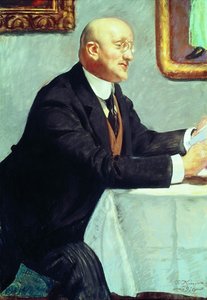
igor emmanuilovich grabar
1871 - 1960 , Венгрия
Основные сведения
- Artistic Movement Or Style: Постимпрессионизм
- Artists Who Influenced This Artist:
- Илья Репин
- Антон Àžбе
- Date Of Birth: 25 марта 1871 г.
- Date Of Death: 16 мая 1960 г.
- Full Name: Игорь Эммануилович Грабар
- Nationality: Русский
- Notable Artworks:
- Ландшафт с сеном
- Эмильсионка
- Иду на работу
- Place Of Birth: Будапешт, Венгрия