

 Предпросмотр
 Поделиться
 Поделиться
 Детали произведения

 Скачать
 Похожие работы
 Рентгенография
 Слайд-шоу
 Статистика
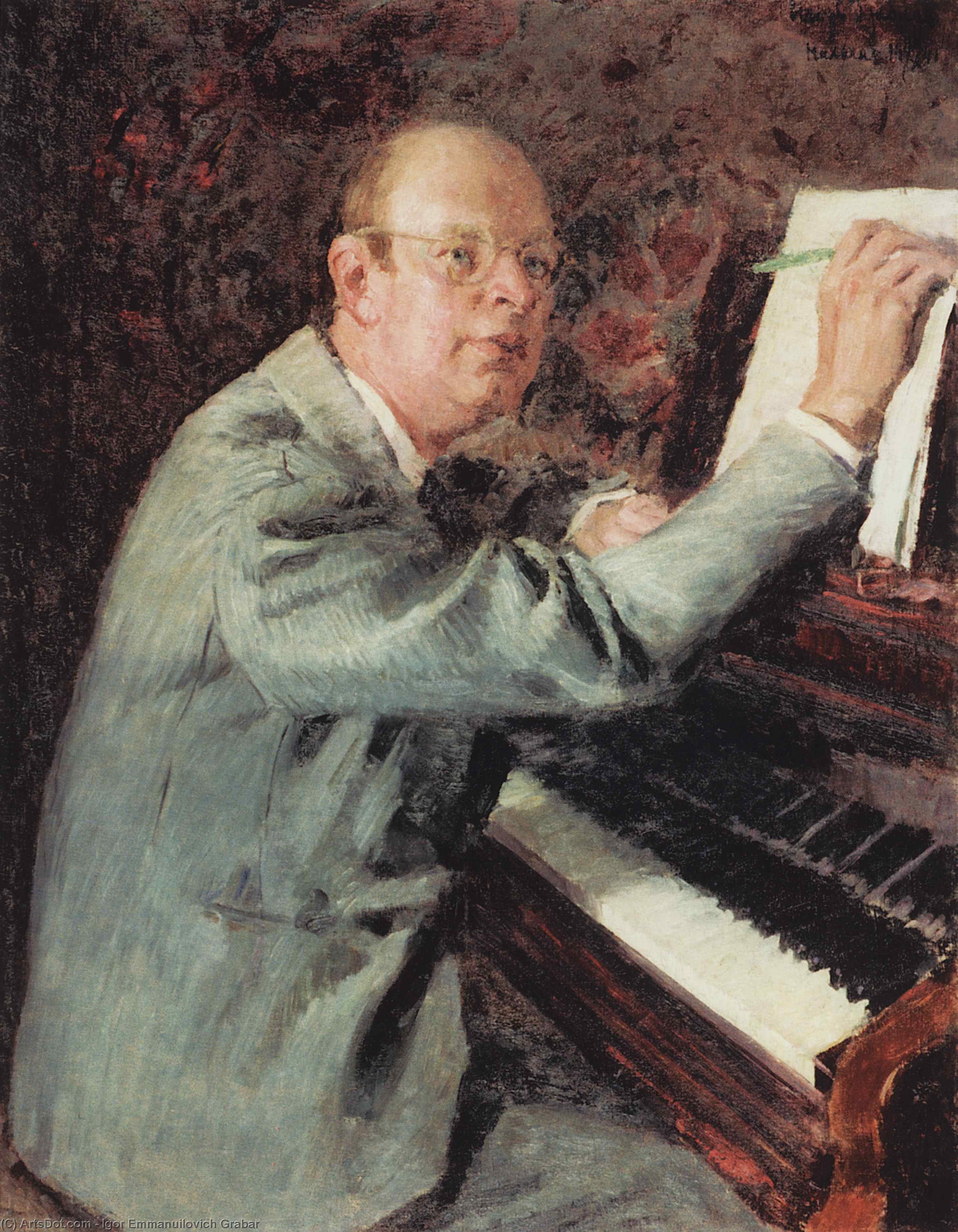
Portrait of Sergei Prokofiev
 Post-Impressionism
 1941
1941 80.0 x 102.0 cm
 Читать далее
Жикле / Арт-принт
Печать (жикле) или холст музейного качества с быстрыми сроками изготовления и широким выбором вариантов отделки. ( Купить картину ручной работы Перейти к цифровым изображениям)




P118B $10

P118H $10

P118W $10

P438Z $10

P508JH $12

P508YH $12

P805H $10

P805Z $10

P919BZ $10

P919G $10

P919XJ $10

P959ZH $10

P968JZ $12

W106C $8

W218G $10

W218JH $8

W218Y $10

W307PJ $10

W316G $10

W316PJ $8

W316Y $10

W398PJ $8

W4111J $10

W500HY $15

W500JH $15

W692G $12

W849H $8

W940BG $15

W953PJ $8




Выберите один из наших стандартных размеров, соответствующих оригинальным пропорциям произведения искусства.

Вы можете указать свои собственные размеры, чтобы репродукция идеально подошла под конкретную раму или пространство. Если выбранный вами размер не будет соответствовать пропорциям оригинала, мы либо обрежем произведение, либо дополним изображение зеркальным отражением краев или однотонной заливкой. Перед началом производства вам будет отправлен цифровой макет для утверждения.
Пожалуйста, обратите внимание, что предварительный просмотр на экране не отображает фактическую обрезку или расширение изображения. Только макет точно покажет финальную композицию.
Несмотря на возможность заказа индивидуальных размеров, мы рекомендуем выбирать размер из предопределенного списка, чтобы сохранить оригинальные пропорции.
Доставка по всему миру () за 2 недели вместо стандартных 4/5 недель. (13 Сентябрь)

Бесплатная экспресс-доставка по всему миру

Высококачественный льняной холст

Полное страхование доставки

Гарантия возмещения таможенных пошлин

Гарантия точного соответствия цветов

100-дневная политика возврата (только при обнаружении дефектов)

Гарантия возврата 100% средств

Предложение оптовых скидок
 Вариант со стеклом доступен только для размеров менее 110 см

Portrait of Sergei Prokofiev
Жикле / Арт-принт
Размер репродукции
-


Итоговая стоимость
$ 62
A Moment of Creation: Igor Grabar’s Portrait of Sergei Prokofiev (1941)
This captivating portrait by Igor Emmanuilovich Grabar offers a rare glimpse into the world of one of Russia's most celebrated composers, Sergei Prokofiev. Painted in 1941 – a year fraught with uncertainty as World War II loomed over Europe – the artwork transcends a simple likeness, becoming a poignant meditation on artistic dedication and inner life. We see Prokofiev seated at his grand piano, not in performance, but deeply immersed in the act of composition; a pencil poised above a sheet of music, suggesting a fleeting moment captured between inspiration and execution. The three-quarter view invites intimacy, drawing the viewer into the composer’s creative space.Impressionistic Brushwork & Emotional Resonance
Grabar's masterful technique leans towards Impressionism, though infused with his own distinct Post-Impressionist sensibilities. Visible brushstrokes and a rich impasto texture are central to the painting’s effect, lending an almost tactile quality to the canvas. The artist prioritizes capturing atmosphere and mood over photographic realism. This is particularly evident in the soft, diffused lighting which suggests an indoor setting bathed in natural light – creating a sense of quiet contemplation. The muted, somewhat desaturated color palette further enhances this introspective feeling. It’s not a vibrant display of virtuosity, but rather a subtle exploration of Prokofiev's inner world, mirroring the complex emotional landscapes often found within his music.Historical Context & Artistic Legacy
Igor Grabar (1871-1960) was a multi-faceted figure – not only a painter, but also a renowned art historian, restorer, and publisher who played a pivotal role in modernizing the Tretyakov Gallery. His work reflects a deep understanding of both Russian artistic traditions and emerging European movements. The year 1941 held particular significance for Prokofiev; it was during this period he was composing some of his most enduring works while facing increasing political pressure from the Soviet regime. Grabar’s portrait, therefore, serves as a powerful document, capturing a moment in time when artistic expression existed alongside societal upheaval. The artwork stands as a testament to the resilience of creativity even amidst challenging circumstances.Symbolism & Interior Design Considerations
The symbolism within the painting is elegantly understated. The piano, naturally, represents Prokofiev’s profession and passion; it's not merely an instrument but an extension of his very being. The sheet music and poised pencil symbolize the ongoing creative process – a constant striving for innovation and expression. For interior designers, this artwork offers versatility. Its muted tones and contemplative mood make it suitable for studies, libraries, or living spaces seeking a touch of sophisticated serenity. The size (80 x 102 cm) makes it a substantial yet manageable statement piece, capable of anchoring a room without overwhelming the space. A high-quality reproduction would bring a sense of artistic heritage and intellectual depth to any environment.Похожие произведения
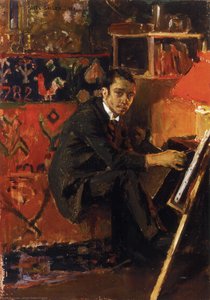
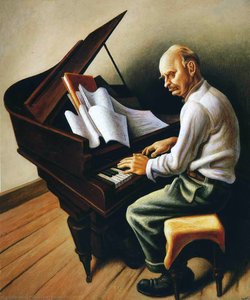
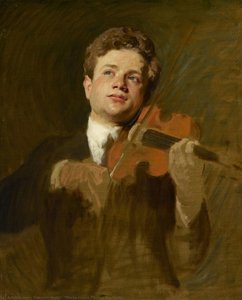
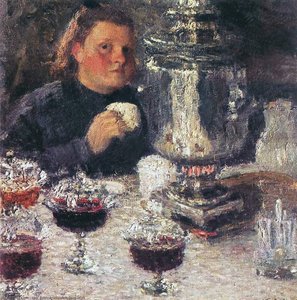
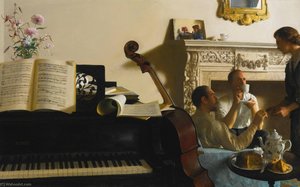
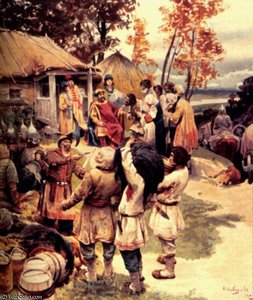
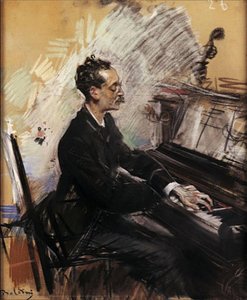
Биография художника
Early Life and Education
Igor Emmanuilovich Grabar (1871 – 1960) was a Russian Post-Impressionist painter, publisher, restorer and historian of art. Grabar, descendant of a wealthy Rusyn family, was born in Budapest (then the Austro-Hungarian Empire, now Hungary) on March 25, 1871. His parents, and grand-parents, were active participants of the Slav liberation movement and were persecuted by the government. The little boy saw his parents very rarely. In 1876 his father had to flee to Russia; his wife and the boy follow in 1880. In 1882, after graduating from a gymnasium in the provincial town of Egorievsk, Grabar studied at the Moscow Lyceum, where, along with academic studies he learnt painting, studied art, visited galleries and exhibitions and made acquaintances with artists, art patrons and critics. His classmates and teachers in the Lyceum served as models for his first paintings; he was also fond of landscapes. In 1889, he entered the Saint Petersburg University, where he majored simultaneously in two subjects – jurisprudence and philology. He had to work to earn his living and he did so by writing humorous short stories for magazines and dr. His interest in drawing was sparked by the stream of magazine publications following the 1881 murder of Alexander II of Russia. He later enrolled in Mikhail Katkov's boarding school in Moscow, making contacts with students from the Moscow School of Painting, Sculpture, and Architecture.Artistic Career and Notable Works
Grabar trained under Ilya Repin in Saint Petersburg and Anton Àžbe in Munich. He reached his peak in painting between 1903–1907, notable for a peculiar divisionist technique bordering on pointillism and his rendition of snow. Some of his notable works include:- Landscape with a haystack
- The Embroideress
- Going to work
Museum and Art Restoration
In 1913, Grabar was appointed executive director of the Tretyakov Gallery in Moscow. He undertook an ambitious reform program that continued until 1926. Grabar diversified the Tretyakov collection into modern art and in 1917 published its first comprehensive catalogue. As a professor of art restoration at Moscow State University (1921), he played a crucial role in establishing Soviet art education and promoting the preservation of cultural heritage. Notable Museums Featuring Grabar’s Work:- Novokuznetsk Art Museum
- Tretyakov Gallery
- Museo Kharkov Museum of Art
Legacy and Later Life
Grabar remained at the top of the Soviet art establishment until his death on May 16, 1960. He managed art-restoration workshops (present-day Grabar Centre) during 1918–1930 and from 1944 to 1960. His work continued to inspire artists and scholars alike, cementing his place as one of Russia’s most influential figures in the realm of artistic expression and cultural preservation. He took active part in redistribution of former church art nationalized by the Bolsheviks and established new museums for the confiscated treasures. In 1943, he formulated the Soviet doctrine of compensating World War II losses with art looted in Germany. After the war, he personally advised Joseph Stalin on the preservation of architectural heritage.References:
igor grabar - wikipedia igor emmanuilovich grabar - ArtsDot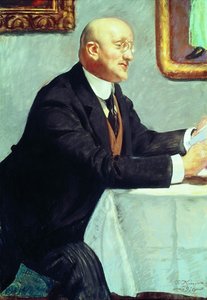
igor emmanuilovich grabar
1871 - 1960 , Венгрия
Основные сведения
- Artistic Movement Or Style: Постимпрессионизм
- Artists Who Influenced This Artist:
- Илья Репин
- Антон Àžбе
- Date Of Birth: 25 марта 1871 г.
- Date Of Death: 16 мая 1960 г.
- Full Name: Игорь Эммануилович Грабар
- Nationality: Русский
- Notable Artworks:
- Ландшафт с сеном
- Эмильсионка
- Иду на работу
- Place Of Birth: Будапешт, Венгрия
Похожие статьи
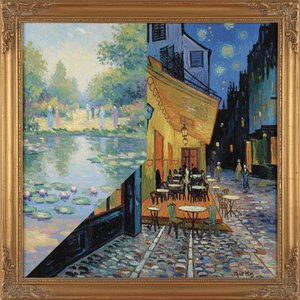
За пределами света и цвета: Импрессионизм против постимпрессионизма для взыскательного коллекционера
Углубленное исследование импрессионизма и постимпрессионизма для ценителей искусства. Анализ ключевых художников, инвестиционный потенциал и коллекционная ценность шедевров.

Beyond Impressionism: Exploring the Emotional Depth of Post-Impressionist Painting
Explore the profound emotional depth & innovative techniques of Post-Impressionism with ArtsDot. Discover Cézanne, Van Gogh, Gauguin & more – and their lasting impact on modern art.

10 Шедевров Постимпрессионизма, Определивших Эпоху | ArtsDot.com
Погрузитесь в мир постимпрессионизма! Откройте 10 шедевров Ван Гога, Моне, Сезанна и других великих художников. История искусства, техники живописи и вдохновение для вашего интерьера на ArtsDot.com. Изысканные репродукции картин ждут вас!
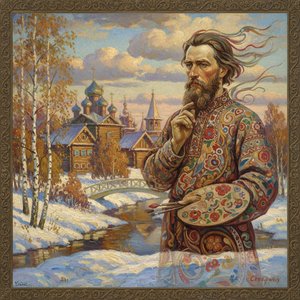
Igor Grabar: Bridging Impressionism & National Identity in Russian Modern Art
Explore the life & art of Igor Grabar, a pivotal figure in Russian Modernism. Discover his Impressionist landscapes, crucial role in art history, and legacy at the Tretyakov Gallery. A deep dive into a master painter & scholar.
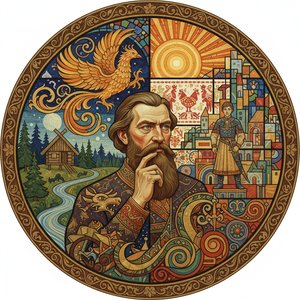
Ivan Bilibin: A Synthesis of Folklore, Modernism & National Identity in Russian Illustration
Explore the enchanting world of Ivan Bilibin, a master Russian illustrator who synthesized folklore, Art Nouveau & national identity. Discover his iconic fairy tale illustrations and legacy with ArtsDot.