

 Предпросмотр
 Поделиться
 Поделиться
 Детали произведения

 Скачать
 Похожие работы
 Рентгенография
 Слайд-шоу
 Статистика
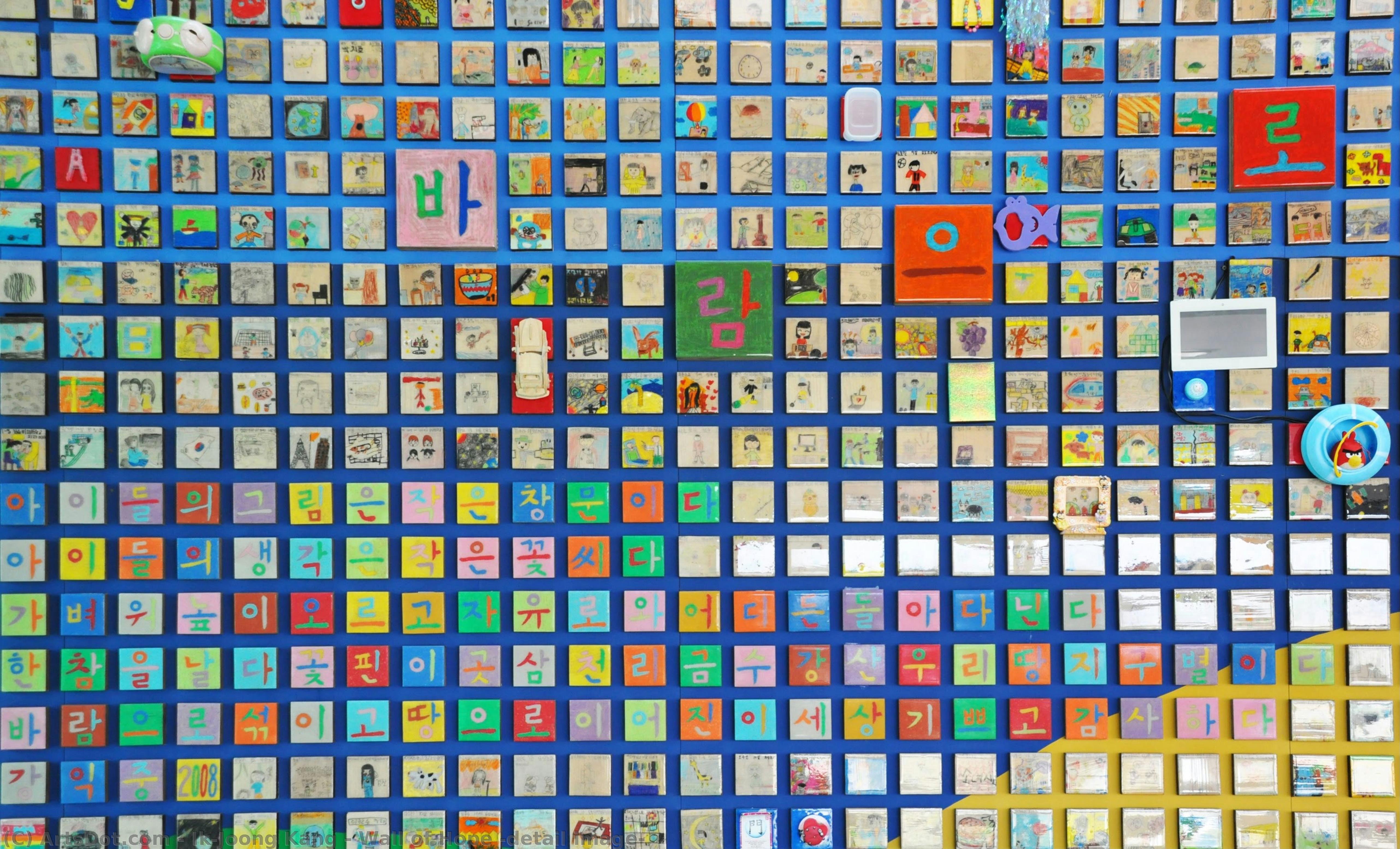
Wall of Hope (detail image)

 Читать далее
Масляная репродукция ручной работы
Картина маслом на холсте в выбранном вами размере и раме, написанная на заказ нашими художниками. ( Перейти к печати Перейти к цифровым изображениям)




































Выберите один из наших стандартных размеров, соответствующих оригинальным пропорциям произведения искусства.

Вы можете указать собственные размеры, чтобы картина идеально вписалась в выбранную раму или пространство. Если выбранный вами размер не соответствует пропорциям оригинала, мы либо обрежем полотно, либо расширим его за счет дополнительных элементов, написанных вручную. Цифровой макет будет отправлен вам на утверждение перед началом производства.
Обратите внимание, что предварительный просмотр на экране не отражает фактическую обрезку или расширение. Только макет точно покажет окончательную композицию.
Хотя доступны индивидуальные размеры, мы рекомендуем выбирать вариант из предопределенного списка, чтобы сохранить исходные пропорции.
После оформления заказа команда ArtsDot.com свяжется с клиентом по электронной почте для уточнения деталей и предоставит предварительный макет
Доставка по всему миру () за 3–4 недели вместо стандартных 5 недель. (12 Сентябрь). Без компромиссов в качестве.

Бесплатная экспресс-доставка по всему миру

Высококачественный льняной холст

Полное страхование доставки

Гарантия возмещения таможенных пошлин

Гарантия точного соответствия цветов

100-дневная политика возврата (только при обнаружении дефектов)

Гарантия возврата 100% средств

Предложение оптовых скидок
 Вариант со стеклом доступен только для размеров менее 110 см

Wall of Hope (detail image)
Техника репродукции
Размер репродукции
-


Итоговая стоимость
$ 263
Похожие произведения



Биография художника
Ik-Joong Kang: A Miniature World of Quiet Intensity
Born in Cheongju, South Korea, in 1960, Ik-Joong Kang’s artistic journey is a fascinating exploration of scale, intimacy, and the quiet observation of everyday life. Initially drawn to the stage through his family's theatrical lineage – his father and mother were both accomplished actors – Kang found himself captivated by the immediacy and vulnerability of performance. This early exposure profoundly shaped his approach to art, fostering a deep appreciation for directness and a willingness to engage with the mundane. His relocation to New York City in 1984 marked a pivotal shift, exposing him to the vibrant energy of urban life and fueling a desire to capture its essence through unconventional means.
Kang’s distinctive style emerged from a confluence of influences – the structured grids of cityscapes, the tactile nature of found objects, and a subtle yet persistent commentary on the human condition. He began his artistic practice by meticulously crafting miniature canvases measuring just 3 by 3 inches (7.6 cm × 7.6 cm). This remarkably small scale immediately demands attention, forcing the viewer to engage with each work on a deeply personal level. These aren’t grand statements; they are intimate glimpses into a world constructed from fragments – discarded materials, handwritten notes, tiny drawings, and meticulously arranged objects. The choice of such diminutive dimensions is deliberate, creating a sense of containedness and encouraging close scrutiny.
The “Wall of Hope” and the Grid as Metaphor
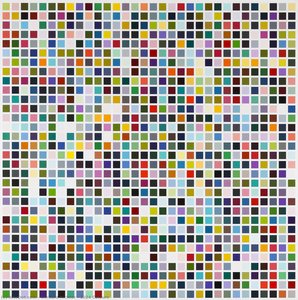
Perhaps Kang’s most recognizable work is "Wall of Hope," a vibrant grid display comprised of hundreds of these miniature canvases. Initially conceived as a response to the 9/11 attacks, the piece evolved into a broader meditation on resilience, community, and the interconnectedness of human experience. The grid itself serves as a powerful metaphor – representing both order and constraint, structure and potential chaos. Kang has described his fascination with the tiled walls of New York City subway platforms, noting their inherent sense of space and time, and drawing inspiration from Japanese Shoji screens which offer a balance between limited and vast spaces. This influence is evident in the way he arranges his miniature canvases, creating a visual rhythm that guides the viewer’s eye through the collection.
The individual artworks within “Wall of Hope” are remarkably diverse, ranging from whimsical scenes to poignant portraits and abstract compositions. Kang employs a wide range of media – paint, collage, embroidery, and even small-scale sculpture – layering textures and creating complex visual narratives. Each tiny canvas tells its own story, contributing to the overall sense of collective memory and shared experience. The use of found objects—bottle caps, scraps of fabric, ticket stubs—adds a layer of authenticity and reflects Kang’s interest in transforming discarded materials into something beautiful and meaningful.
Exhibitions and Recognition
Kang's work has been exhibited extensively both in South Korea and the United States. He gained significant recognition with a solo exhibition at the Whitney Museum of American Art at Philip Morris in 1996, followed by a two-person show with Nam June Paik at the Whitney Museum of American Art at Champion in 1994. His work has been featured in group exhibitions at prestigious institutions such as the Ludwig Museum in Cologne, Germany; the National Museum of Contemporary Art in Seoul, Korea; and the Singapore Art Museum.
A particularly notable achievement was his representation of South Korea at the 47th Venice Biennale in 1997, where he received an honorable mention. This international recognition solidified Kang’s position as a leading contemporary artist pushing the boundaries of traditional painting and exploring new approaches to storytelling. His work has been collected by major museums worldwide, including the Whitney Museum of American Art, the British Museum, and the Samsung Museum of Art in Seoul.
Themes and Legacy
Throughout his career, Kang’s art consistently explores themes of memory, identity, and the human condition. His miniature canvases offer a unique perspective on everyday life, inviting viewers to contemplate the beauty and complexity hidden within the seemingly ordinary. His work is characterized by a quiet intensity—a subtle yet profound engagement with the world around him.
Kang’s influence extends beyond his own artistic practice. He has been involved in numerous collaborative projects, including “Amazed World,” a global initiative that invited children from diverse cultures to contribute their artwork to a massive installation at the United Nations headquarters in New York City. This project underscored Kang's belief in the power of art to promote empathy and understanding across borders. Ik-Joong Kang’s legacy lies not only in his distinctive artistic style but also in his commitment to using art as a tool for social engagement and cultural exchange.
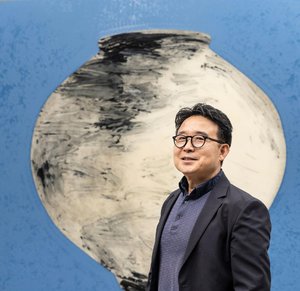
ik-joong kang
1960 - , South Korea
Основные сведения
- Artistic Movement Or Style: Mixed media, miniature art
- Artists Who Influenced This Artist: ['None specified],\n "Artists or movements influenced by this artist": [None specified']
- Date Of Birth: September 11, 1960
- Full Name: Ik-Joong Kang
- Nationality: Korean American
- Notable Artworks: ['Wall of Hope']
- Place Of Birth: Cheongju, South Korea